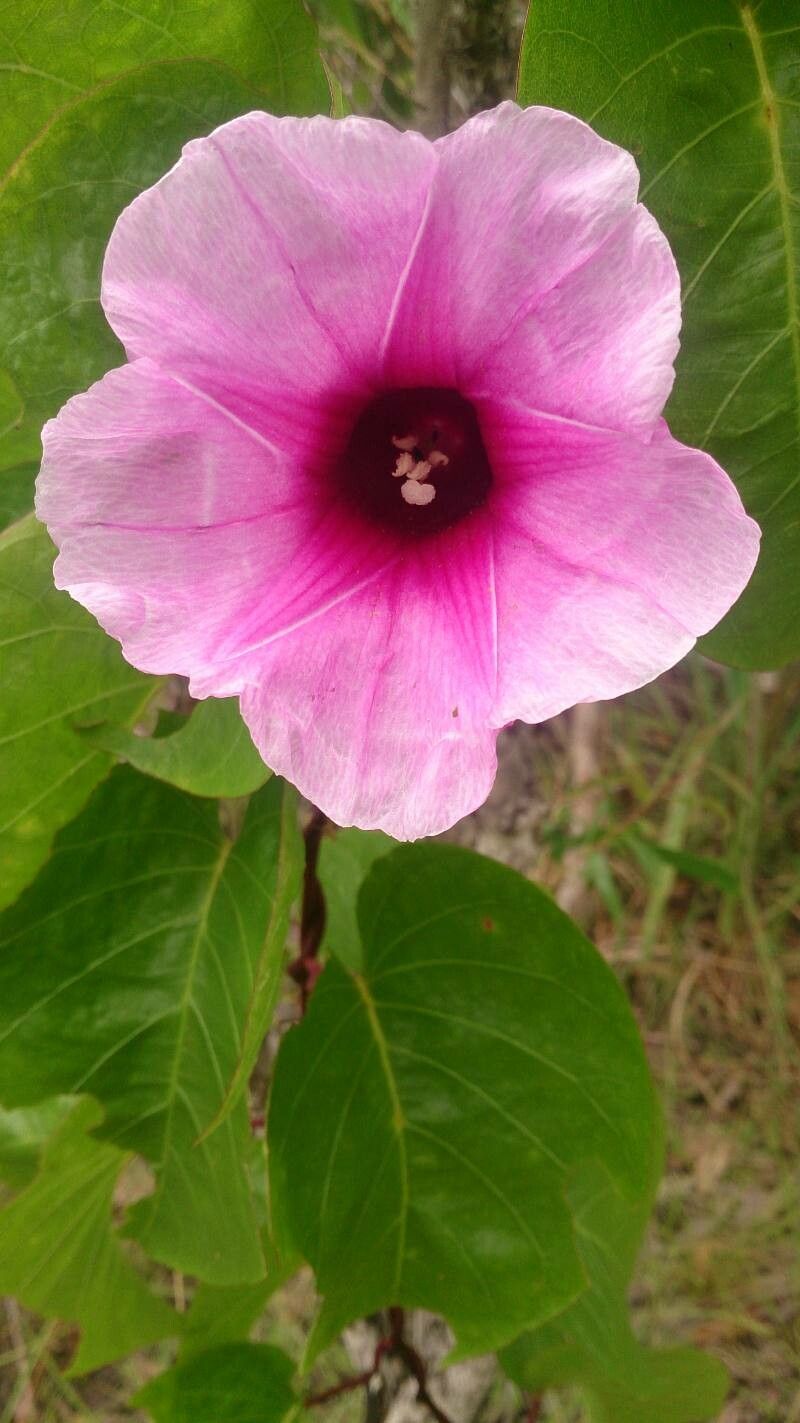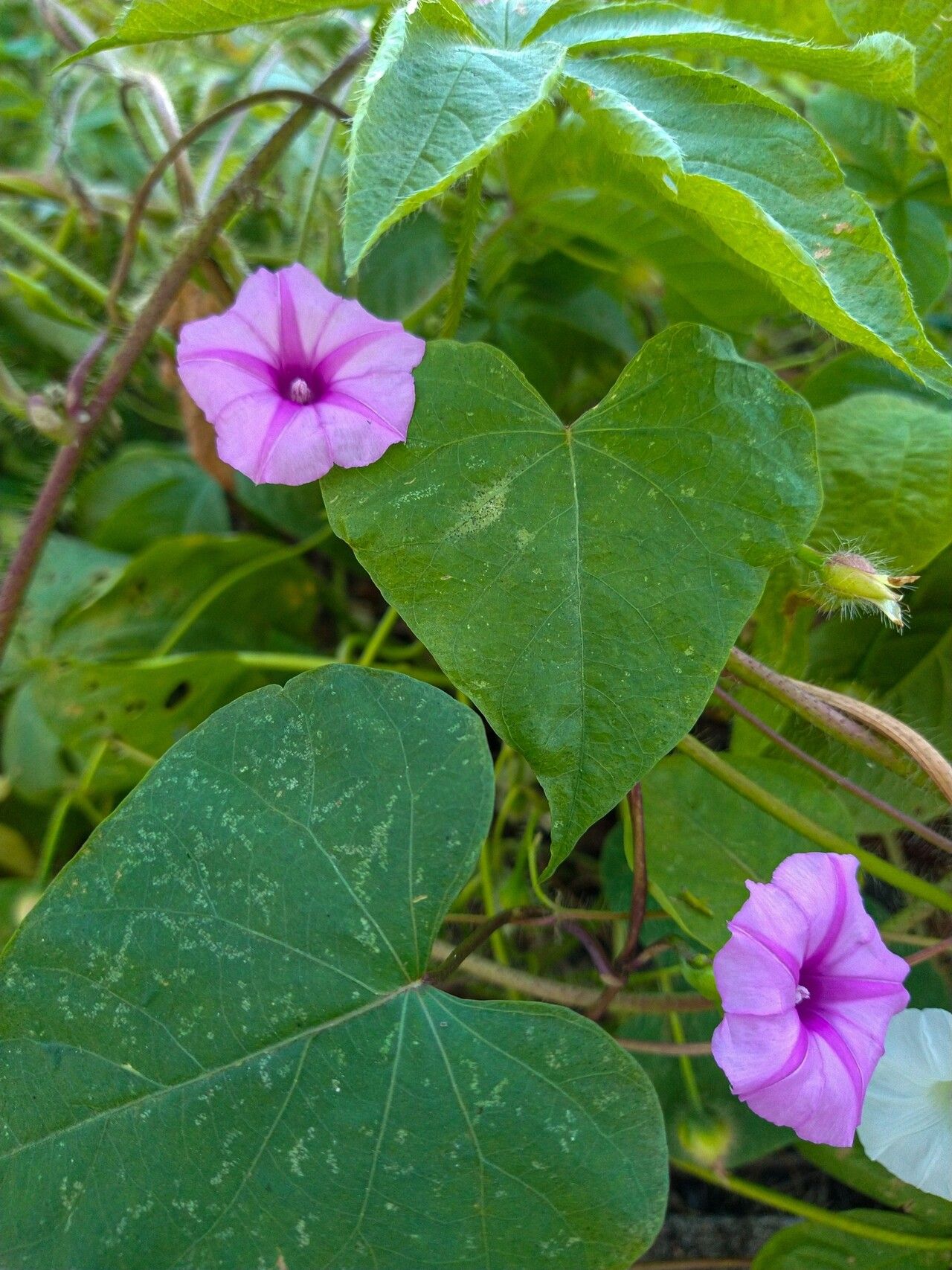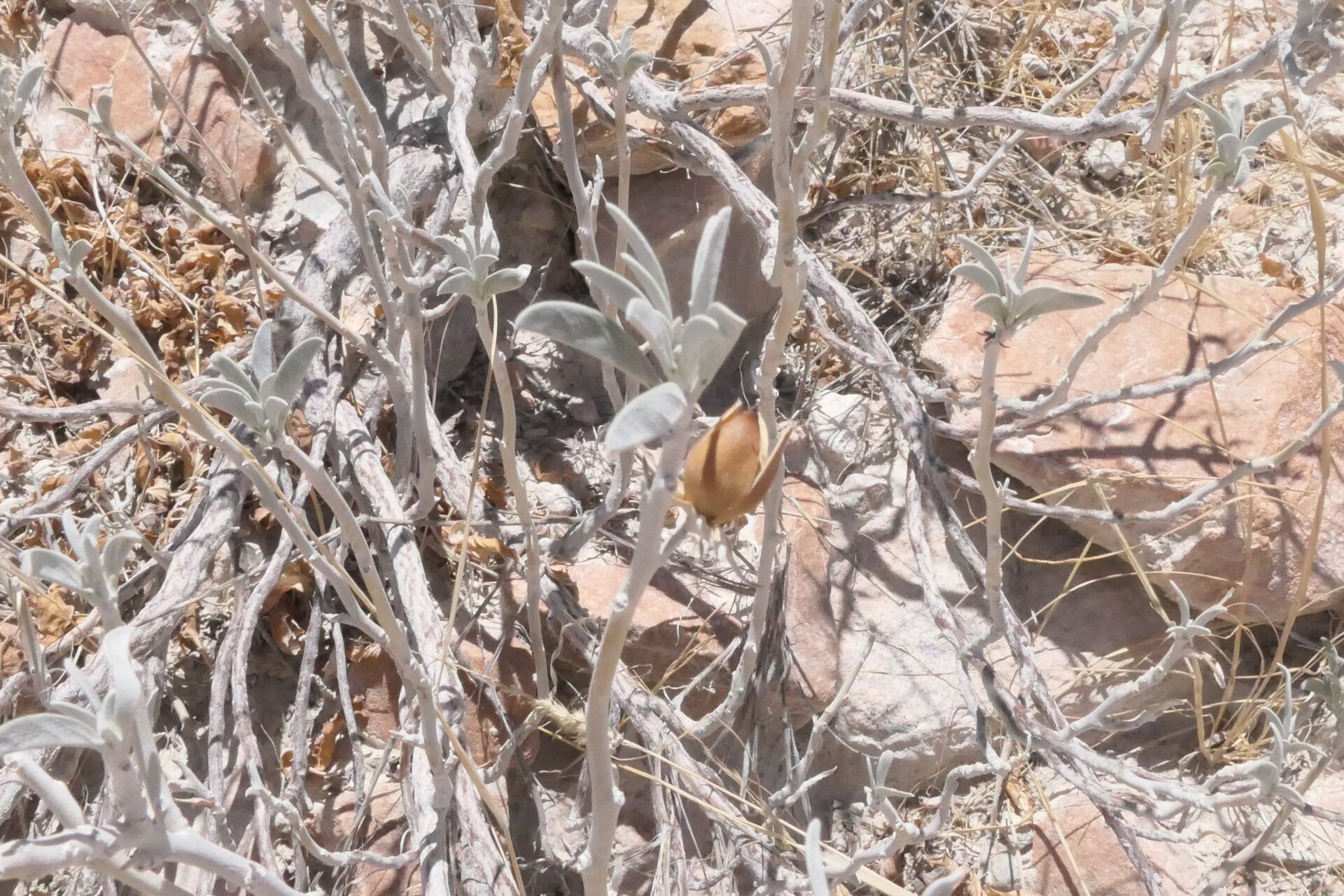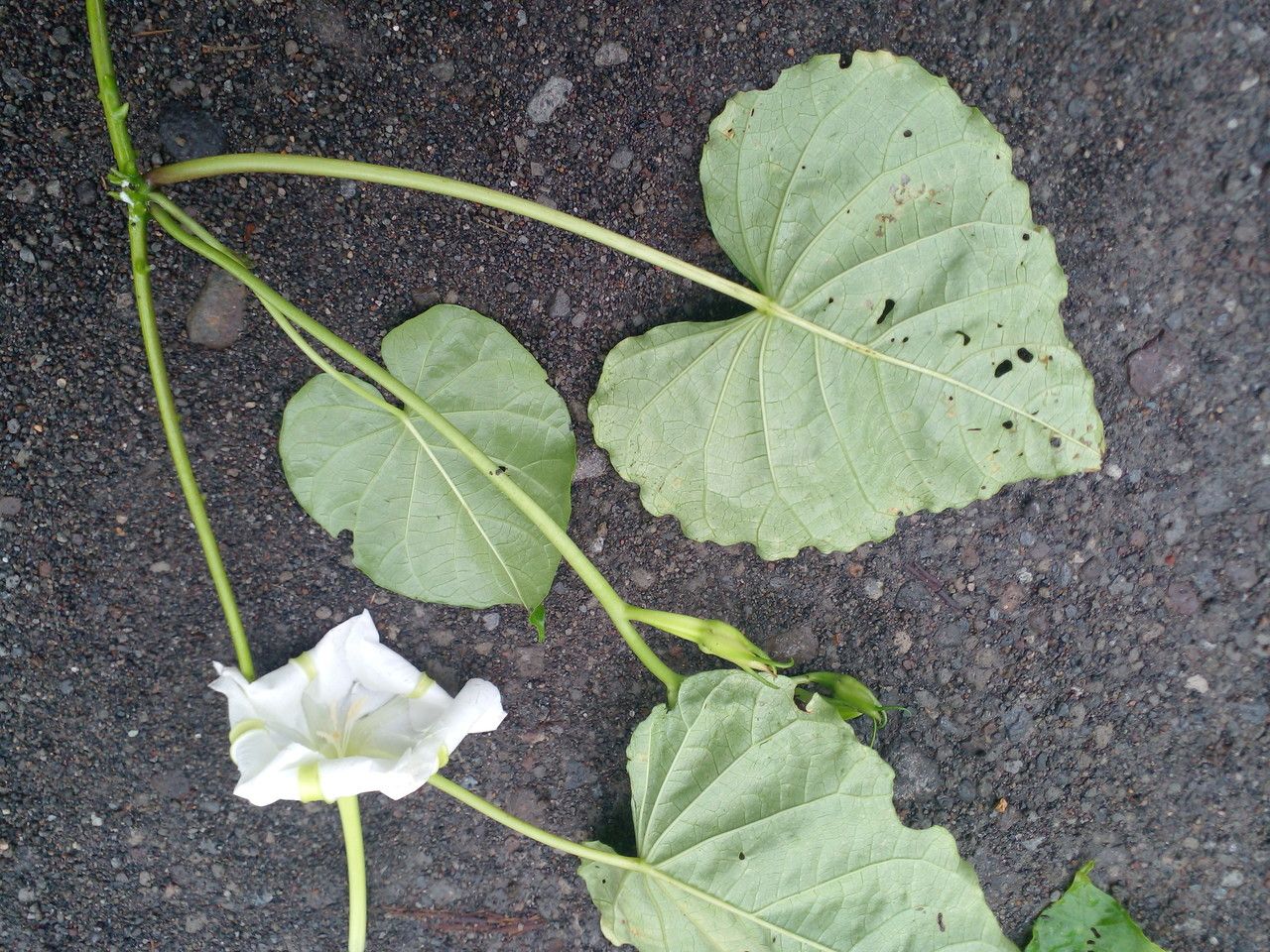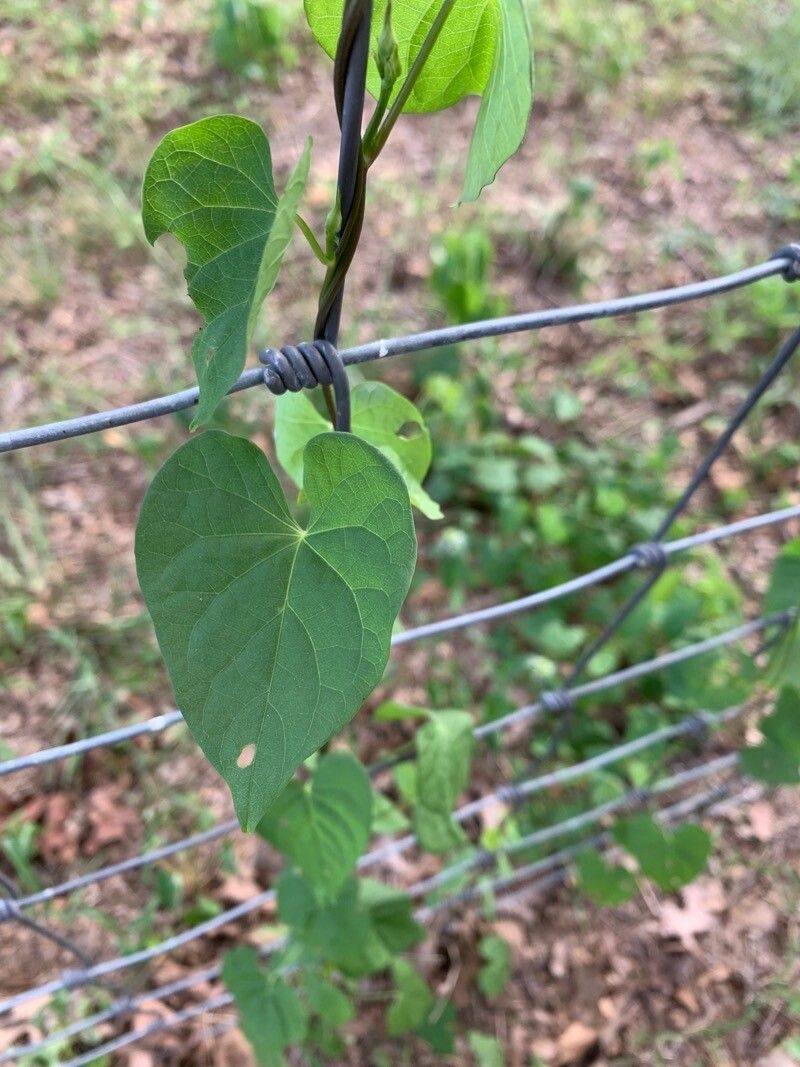
Bellvine has good disease resistance and is generally not prone to diseases. However, it can be susceptible to pests and diseases that occur in its surroundings. These infections are usually not severe. In terms of care, this plant requires medium maintenance. It should be pruned regularly to maintain a tidy appearance and support healthy growth. Fertilizing can also help encourage flowering. Bellvine is suitable for anyone with an outdoor space, such as a garden or patio, and does not require a lot of care experience. It may need more attention when grown indoors.
How to keep Ipomoea Biflora.
Light
Bellvine comes from bright, open habitats and flourishes in full sun. It can tolerate partial sun but favors direct sunlight for optimal growth. This annual or biennial plant is noted for its sun-loving habit.
Water
Bellvine thrives in humid, tropical climates and ideally should be watered twice a week to prevent waterlogging. It is best cultivated outdoors, where it can take advantage of natural rainfall and seasonal variations. As an evergreen plant, bellvine retains its foliage throughout the year, benefiting from the natural hydration cycles.
Temperature
Bellvine originates from temperate environments and flourishes in temperatures of 68 to 105.8 °F (20 to 41 ℃). For best growth, keep temperatures within this range all year. You may need to make seasonal adjustments depending on your local climate.
Fertilizer
When most of Bellvine’s flowers have fully opened, resume fertilizing. During the period of peak bloom, apply fertilizer every three to four weeks, weather permitting. Once Bellvine begins to produce fewer new flowers, discontinue fertilizing; there’s no need to feed the plant when it can no longer generate more blooms.
Pruning
Bellvine flourishes with strategic pruning, which involves removing dead stems and thinning the plant to enhance airflow. Prune between early and late spring to promote growth and encourage healthier blooms. By making cuts just above the leaf nodes, you can foster regrowth while maintaining the plant's structure and vitality.
Botanical profile.
- Plant Type
- Herb, Vine
- Life Cycle
- Annual
- Genus
- Ipomoea
- Family
- Convolvulaceae
- Hardiness Zone
- 7-13
- Mature Height
- 0.91 m to 2.13 m
- Mature Spread
- 0.91 m to 2.13 m
- Leaf Color
- Green
- Leaf Type
- Deciduous
- Flower Color
- White, Pink
- Flower Size
- 1.27 cm to 2.29 cm
- Bloom Time
- Summer, Early fall, Mid fall
- Planting Time
- Spring, Summer, Autumn
- Harvest Time
- Late summer, Fall, Early winter
Other names.
Reader questions.
What are the sunlight requirements for Bellvine?
Bellvine (Ipomoea biflora) thrives in conditions ranging from full to partial sun exposure. Plants that require full sun need more than 6 hours of direct sunlight daily, while those preferring partial sun should receive about 3-6 hours of sunlight. It's important to observe the movement of sunlight through your garden to find the ideal location for your Bellvine, ensuring it gets the right balance of light and shade to flourish.
What is the native habitat and ideal temperature range for Bellvine growth?
Bellvine, scientifically known as Ipomoea biflora, is native to temperate habitats and flourishes best when the temperature is maintained between 68 to 105.8 °F (20 to 41 °C). To ensure optimal growth, it's important to keep this temperature range consistent throughout the year. Depending on the local climate, seasonal adjustments may be necessary to maintain these conditions.