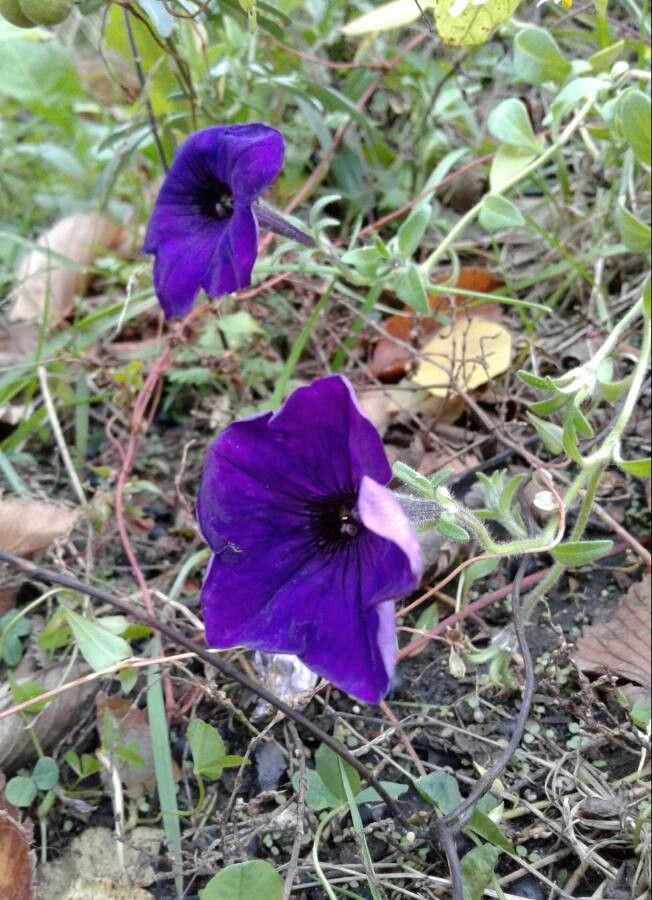
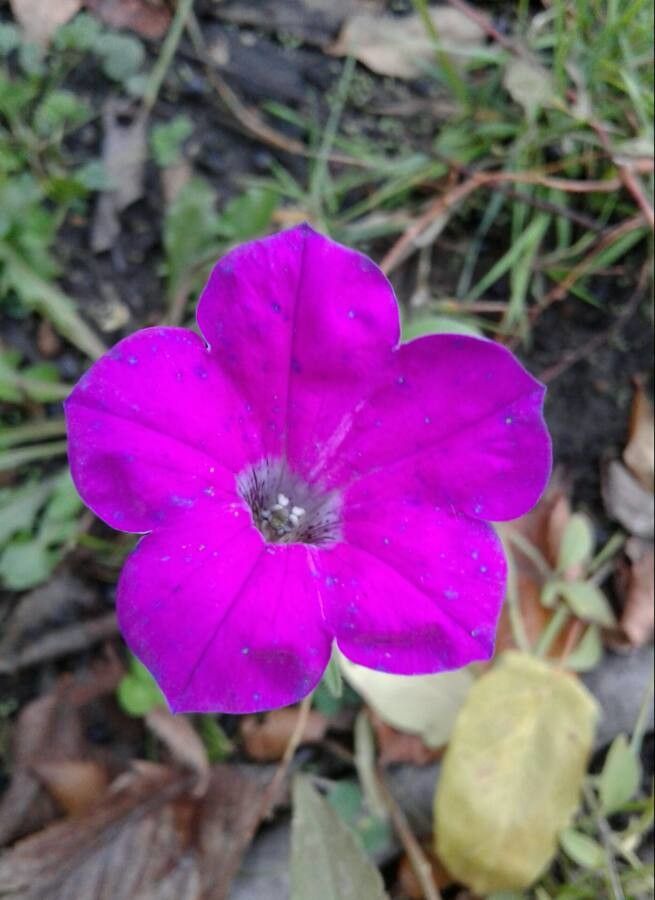
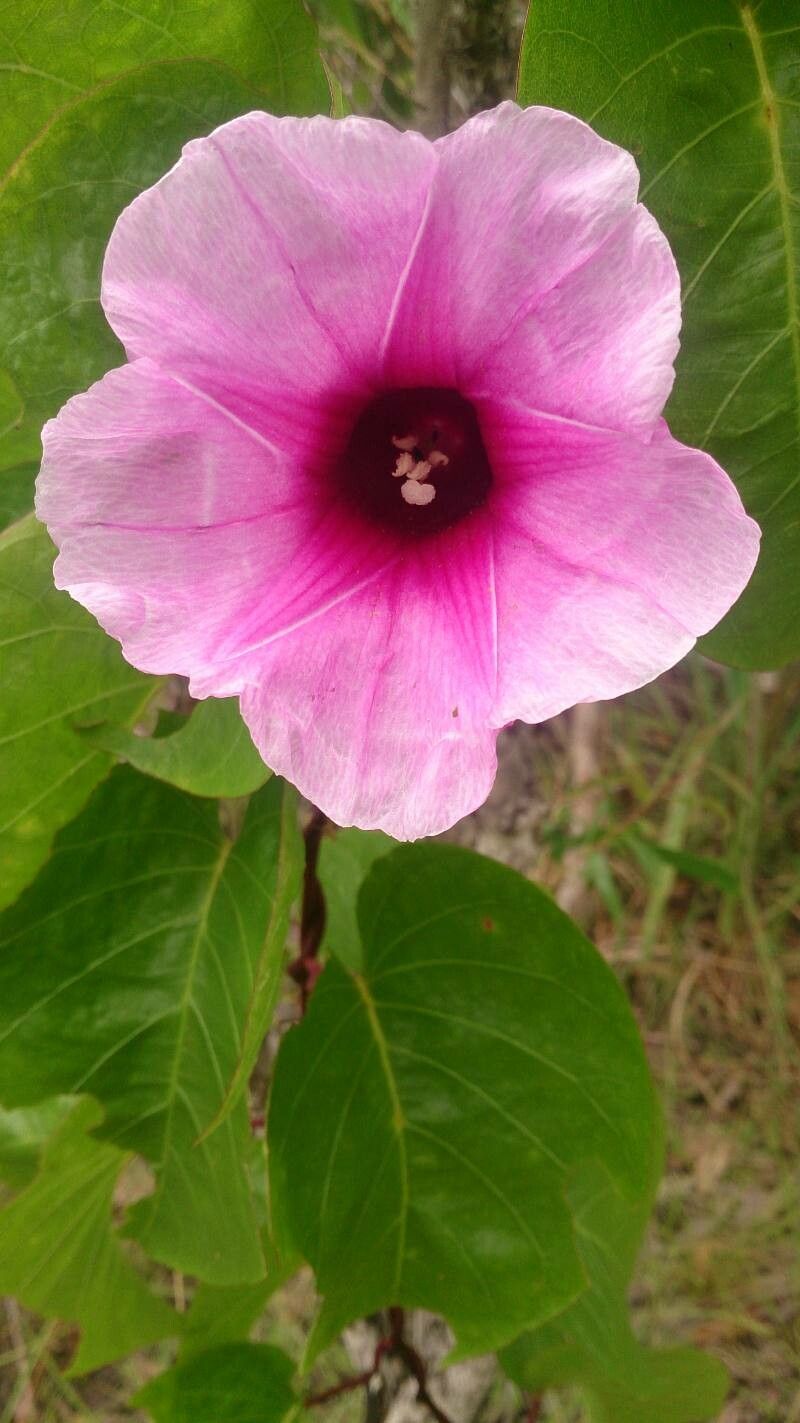
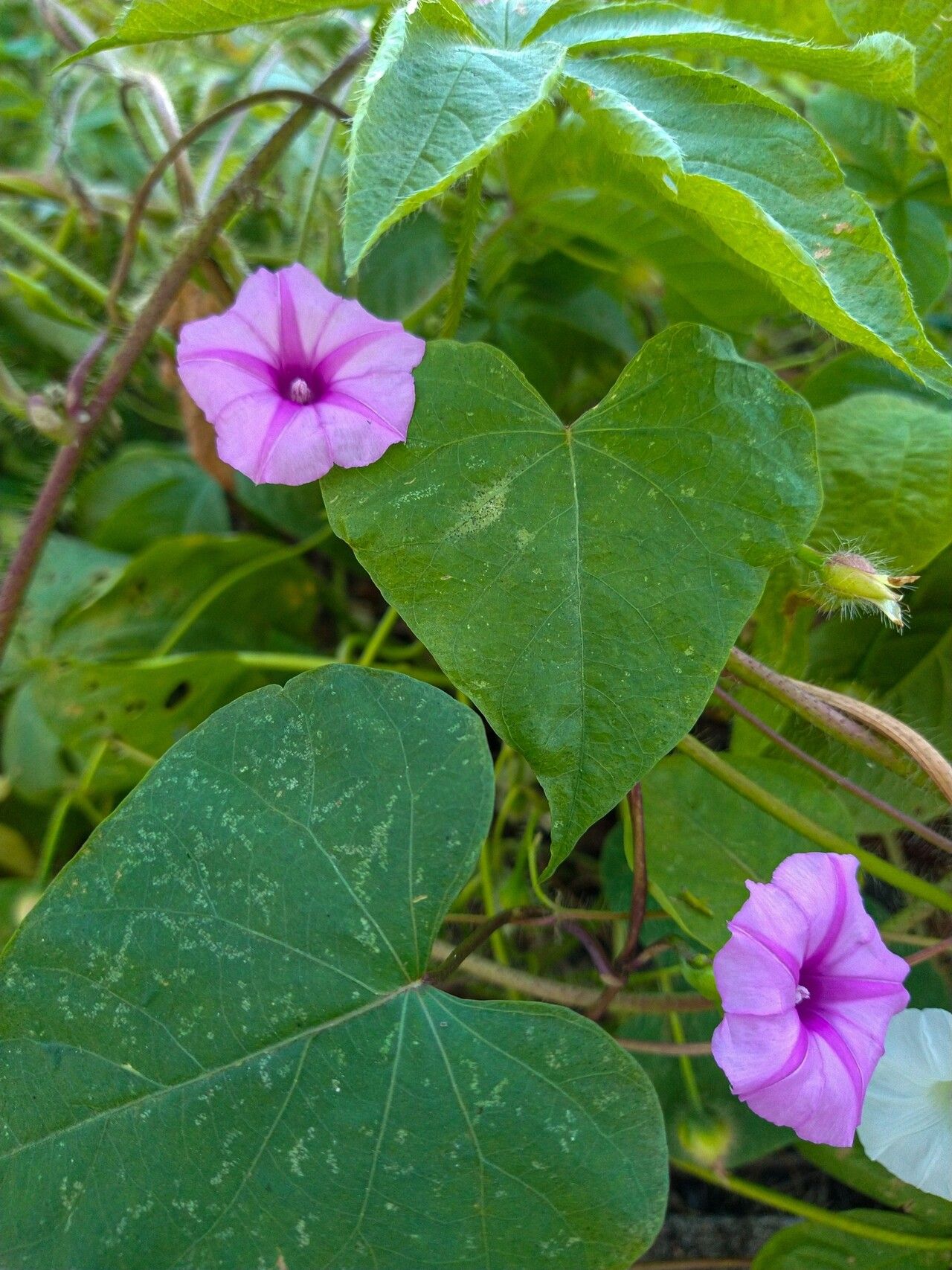
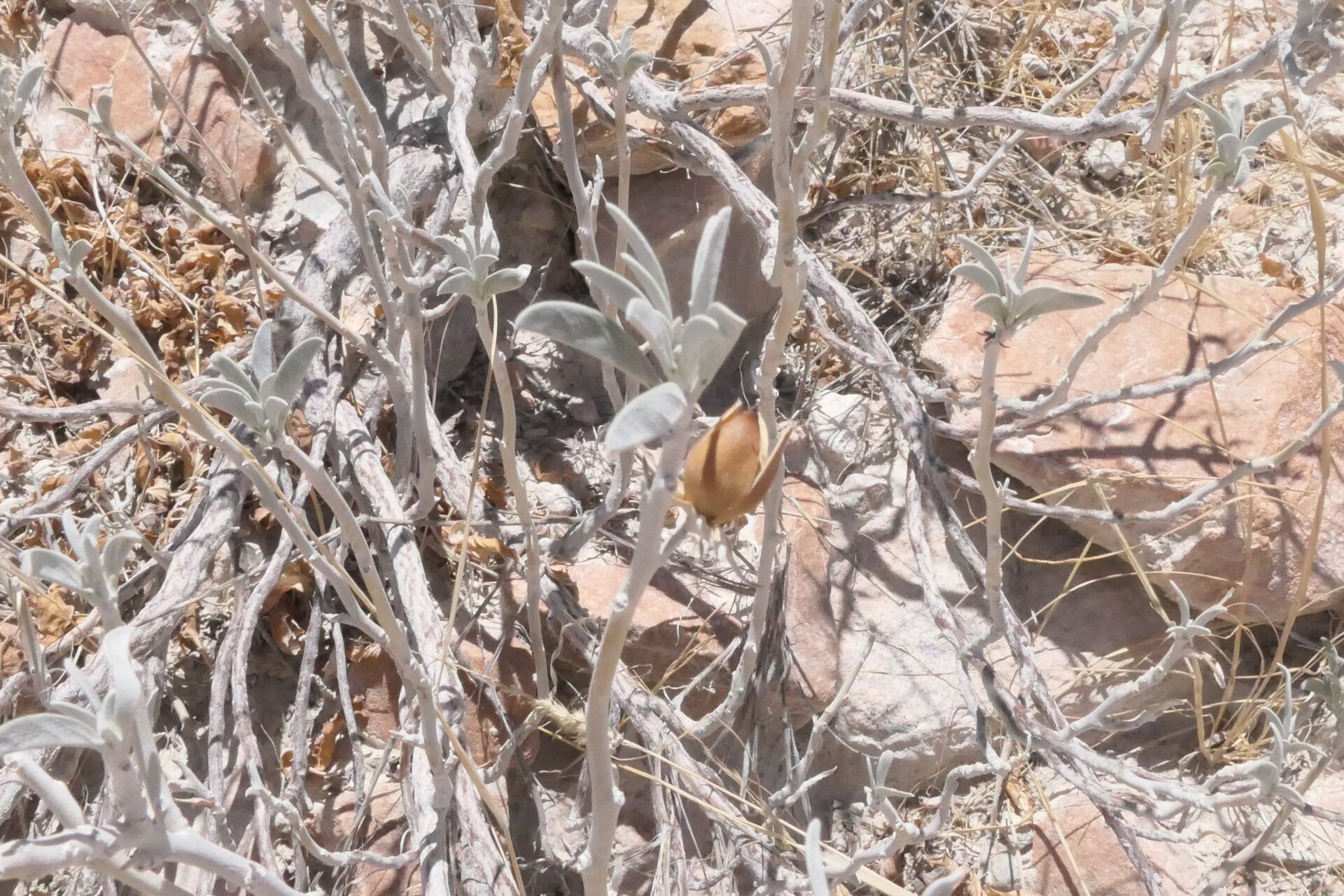
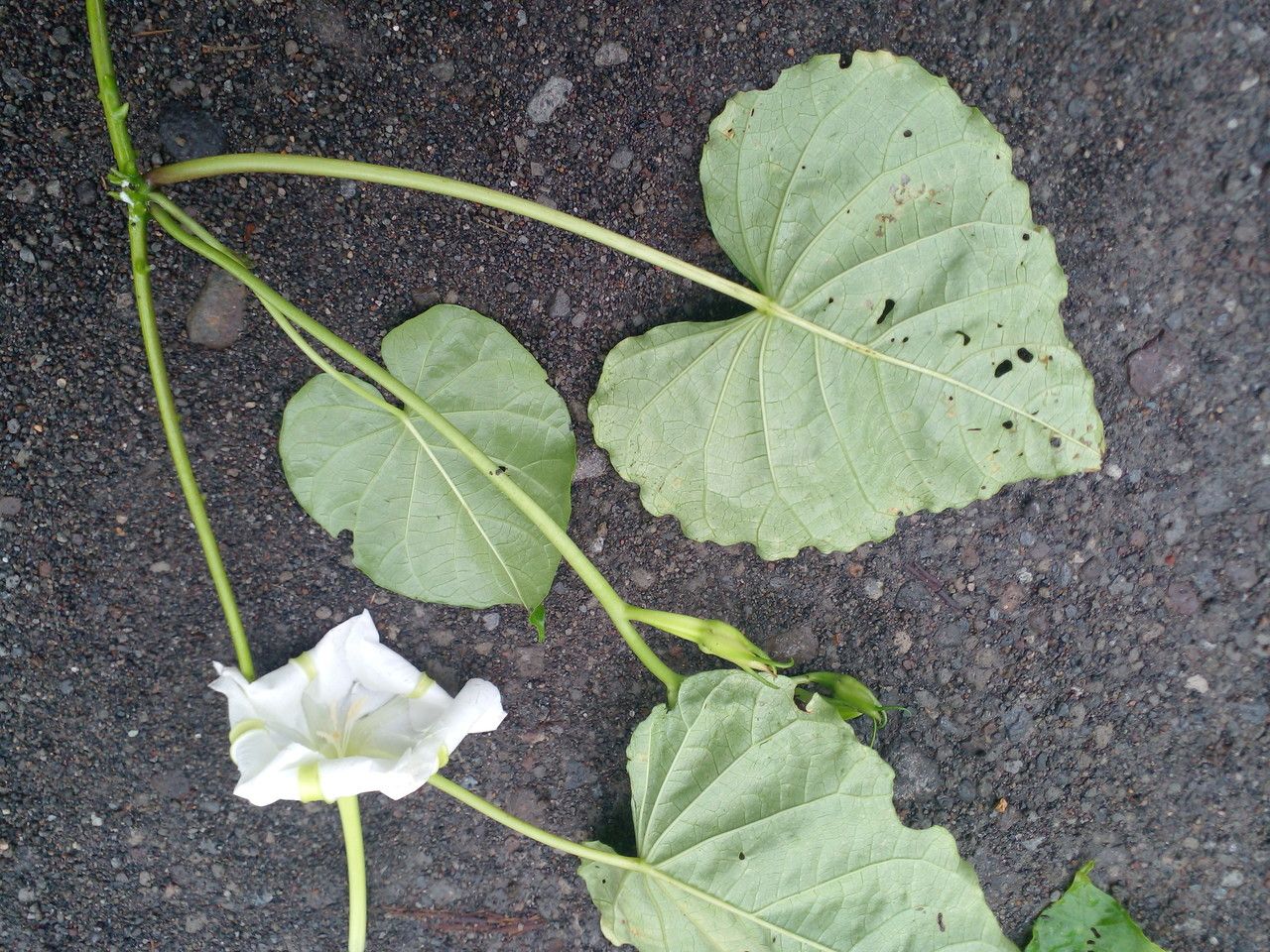
Ipomoea capillacea, commonly known as the bush morning glory, is a flowering plant belonging to the Convolvulaceae family. Native to the tropical regions of Central and South America, it thrives in countries such as Mexico, Brazil, and Peru. This plant typically grows as a shrub or small tree, featuring woody stems that can reach up to 5 meters in height.
The leaves of Ipomoea capillacea are simple and alternate, with a heart-shaped base. Its funnel-shaped flowers, composed of five petals, come in colors ranging from white to pink or purple. These blooms typically appear from late spring through early fall.
Indigenous communities often utilize the bush morning glory for its medicinal properties, particularly its anti-inflammatory effects. Traditionally, it has also been used as an aphrodisiac.
Beyond its medicinal applications, Ipomoea capillacea is valued for its ornamental appeal. Its attractive flowers and foliage make it a popular choice for landscaping, where it can be grown as a shrub or trained into a small tree shape.
In summary, Ipomoea capillacea is an intriguing plant species that offers both medicinal benefits and aesthetic value, thanks to its striking foliage and flowers.
How to keep Ipomoea Capillacea.
Water
Purple morning-glory flourishes in moist soil. Water the plant when the surface feels dry, making sure the water is fully absorbed to encourage rapid growth. During hot summer days, it is best to water 1 to 2 times daily, ideally in the morning and late afternoon. Avoid watering at noon.
Fertilizer
For optimal growth, purple morning-glory needs regular fertilization. Start by applying an organic fertilizer during the seedling stage. Then, continue to supplement with additional fertilizer throughout the spring and summer. When repotting, mix in some nitrogen fertilizer and use a foliar fertilizer monthly. As the plant begins to flower, boost blooming by adding phosphate and potassium fertilizers. To avoid root burn, use these in water-soluble forms.
Pruning
To keep your purple morning-glory healthy and visually appealing, engage in regular pruning from early to late spring. Remove dead stems and trim back excessive growth to improve air circulation, prevent disease, and maintain the plant's shape. This practice promotes growth and encourages flowering.
Botanical profile.
- Plant Type
- Vine
- Life Cycle
- Annual
- Genus
- Ipomoea
- Family
- Convolvulaceae
Other names.
Reader questions.
What are the sun requirements for Purple morning-glory?
Purple morning-glory, scientifically known as Ipomoea capillacea, thrives in conditions that meet its sunlight requirements accurately. These plants require 'full sun' conditions, meaning they need to be exposed to more than 6 hours of sunlight daily to flourish. Alternatively, they can also grow under 'partial sun' conditions, which implies about 3-6 hours of sunlight per day. It's essential to observe the way sunlight moves through your garden throughout the day. Identifying spots that offer a great balance of sunlight and shade is crucial for the well-being of your Purple morning-glory plants, ensuring they remain happy and healthy.
What is the botanical name of Purple morning-glory?
The botanical name of Purple morning-glory is Ipomoea capillacea.