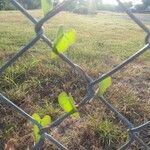
Ipomoea cordatotriloba
Tievine · Cotton Morning Glory · Purple Bindweed · Sharp-pod Morning Glory · Morning Glory
Description
Source: leafsnapIpomoea cordatotriloba, commonly known as the three-lobed morning glory, is a species of flowering plant in the Convolvulaceae family. It is native to Mexico and Central America but has been introduced to various parts of the world as an ornamental plant. This plant features heart-shaped leaves that are divided into three lobes and can grow up to 10 cm long. The trumpet-shaped flowers come in shades of pink, purple, or white, often with a yellow or white throat. These flowers bloom from summer through fall. Ipomoea cordatotriloba prefers full sun but can tolerate partial shade and thrives in well-drained soil. As a fast-growing vine, it can reach up to 3 meters in height if provided with support, such as trellises or fences. Traditionally, the plant has been used for medicinal purposes, including treating fever, headaches, and inflammation, due to its anti-inflammatory properties. Overall, Ipomoea cordatotriloba is an attractive ornamental vine with beautiful flowers that add color to any garden. Its medicinal properties make it an interesting addition for gardeners who value both aesthetics and functionality in their plants.
🌳 Tievine is often cultivated for its attractive flowers and ornamental value. However, beyond its appearance, it may serve as a bioindicator plant because of its sensitivity to certain soil contaminants. Its relatively fast growth and wide occurrence across different terrains suggest it could be used in phytoremediation, a process in which plants help clean soil, air, and water contaminated with hazardous chemicals.
🎭 Either love or being mortal
Care Guide
💧 Water Every 7 days
Tievine hails from subtropical regions and thrives in moist, well-drained soils. For optimal growth, it needs to be watered weekly, though it can tolerate moderate drought conditions. Consistent watering is essential to ensure prolific flowering and an extended blooming season.
What do I need to do if I give my Tievine plant too much water or too little water?
Overwatering and underwatering are both harmful to the health of your Tievine. However, overwatering is more common and can cause wilting, yellowing leaves, and diseases like root rot, mold, and mildew. Underwatering is less common due to the Tievine's drought tolerance, but it can still result in brittle, brown leaves. It is important to recognize signs of overwatering early and adjust your watering schedule accordingly. If the soil drains poorly, replace it with a well-draining potting mix. If your Tievine shows signs of underwatering, simply water it more regularly.
How frequently should I give water to my Tievine?
If your Tievine plant is in a pot, you can determine if it needs water by checking the soil. Stick your finger into the soil and if the top two to three inches are dry, it's time to water. If you have your Tievine plant planted in the ground outdoors, you can use the same method to test the soil. When the top few inches of soil have dried out, it's time to water. Generally, in the spring and early fall, watering once a week is sufficient. However, during extremely hot weather, you may need to water twice a week or even more. Nevertheless, mature and well-established Tievine plants have a remarkable ability to endure drought.
How much water does my Tievine plant need?
When watering your Tievine, don't hesitate to give it a generous amount of water. Make sure that the first two to three inches of soil are dry, and then thoroughly water the plant by saturating the soil. You should add enough water that it flows through the drainage holes at the bottom of the pot. If you don't see any excess water draining, you probably haven't watered enough. However, you should also avoid letting water accumulate in the soil, as this can harm the plant. On the other hand, if water doesn't drain properly from the pot, it could indicate poor soil drainage, which is not good for the plant's health. If the plant is outdoors, it typically only needs about 1 inch of rain per week.
How do I water my Tievine when it is growing at different stages?
The water requirements for the Tievine can vary depending on its growth stages. In the early years or when transplanted, it will need more water as it focuses on growing new roots for future growth. These young roots need extra moisture to thrive. As the plant matures, it will require less water. Additionally, during the bloom period, when the flowers are developing, more water may be necessary to meet the increased moisture demands.
How do I water my Tievine plant during different seasons?
The Tievine plant has different water needs depending on the season. In the hottest months of summer, you may need to water it more than once per week, depending on the soil's dryness. However, during the winter, the plant goes into a dormant phase and needs significantly less water. In fact, you may not need to water it at all during winter. If you do choose to water it during this time, only do so once per month to avoid the plant getting sick.
☀️ Light Full sun
Tievine grows best with plenty of sunlight, as is typical in its native habitats. When it reaches maturity it can tolerate lower light levels, although its growth and overall health may be diminished. Prolonged exposure to excessive shade or to very intense sunlight can cause damage, producing signs such as wilted leaves or stunted growth.
What are the sunlight requirements for Tievine?
Tievine thrives best in full sunlight, requiring above 6 hours of sunlight for 'full sun' conditions and about 3-6 hours for 'partial sun' conditions. It is crucial to watch how sunlight moves through your garden to provide your Tievine with the perfect balance of light and shade, ensuring its well-being.
What essentials should be considered for growing Tievine?
For optimal growth, Tievine requires abundant solar exposure, especially in its native habitats. Even as it matures and can tolerate lesser light, excessive shade or too much direct sunlight for prolonged periods can lead to issues like wilted leaves or stunted growth. If natural sunlight is insufficient, especially in winter or dimly lit areas, artificial lighting can be a vital solution. LED lights are recommended because they can be customized to the specific needs of the plant, with guidance on wattage per square foot based on the type of light conditions (full sun, partial sun, full shade), the correct distance between the light source and the plant, and the duration of artificial lighting needed daily.
What are the symptoms of inappropriate lighting for Tievine?
Symptoms of inadequate lighting in Tievine include smaller new leaves, leggy or sparse growth, faster leaf drop, slower or no new growth, lighter-colored new leaves, chlorosis, sunscald, leaf curling, wilting, and leaf scorching. These symptoms indicate either too little or too much sunlight, affecting the plant's ability to produce chlorophyll and maintain healthy growth.
How do you remedy lighting issues for Tievine?
To address lighting issues for Tievine, indoors, gradually move the plants to a sunnier location or use artificial lighting, keeping lamps on for at least 8 hours daily. Outdoors, move plants gradually to areas with more sunlight while avoiding sudden changes to prevent sunburn. Reduce obstructions like branches if they block sunlight and consider transplanting smaller plants during their dormant period for better light exposure. It's crucial to understand that parts of the plant damaged by insufficient light may not recover, but proper light adjustment can promote healthy new growth.
🌡️ Temperature 15–37.8°C
Tievine's native growing conditions call for a moderate temperature range of 59 to 100.4 ℉ (15 to 38 ℃). It favors warm conditions and should be kept in an area between 68 and 77 ℉ (20 to 25 ℃). In colder seasons, adjust the temperature to 59 to 68 ℉ (15 to 20 ℃) to encourage healthy growth.
What are the ideal growing conditions for Tievine?
Tievine, botanically known as Ipomoea cordatotriloba, thrives in a moderate temperature range, preferring warm environments. For optimal growth, tievine should be kept in areas with temperatures ranging from 68 to 77°F (20 to 25°C). During the colder seasons, it's advisable to adjust the temperature to fall between 59 and 68°F (15 to 20°C) to support healthy growth. Although tievine has some cold tolerance and generally doesn't require additional cold protection measures when the temperature is above -5°C, if temperatures are expected to drop below -5°C, temporary measures such as wrapping the plant with plastic film, fabric, or other materials should be considered. Once the temperature rises again, these protective measures should be promptly removed.
How does low temperature affect Tievine, and what are the solutions?
Tievine has a moderate tolerance to low temperatures, thriving best when the temperature remains above 15°C. It should be kept above -5°C during the winter months. When the temperature falls below -10°C, the leaves may begin to droop. In mild cases, they can recover, but in severe cases, the leaves will wilt and eventually fall off. To address frost damage, trim off the frost-damaged parts. To prevent further damage from low temperatures, wrap the plant with non-woven fabric or cloth and construct a wind barrier to protect it from cold winds.
How does high temperature affect Tievine, and what measures should be taken?
During the summer months, it is crucial to ensure that Tievine is kept below 38°C to avoid heat stress. Exposure to temperatures above 43°C can cause the leaves to lighten in color, the leaf tips may become dry and withered, the leaves may curl, and the plant becomes more susceptible to sunburn. If such symptoms are observed, trim away the sunburned and dried-up parts. To protect the plant from excessive heat, move it to a shaded area or use a shade cloth to shield it from the midday and afternoon sun. Additionally, water the plant in the morning and evening to ensure the soil remains moist.
💨 Humidity normal (40-60%)
This plant will thrive in moderate humidity, which is probably the level in your home. However, misting it a few times a week can be very beneficial. Make sure the room has good ventilation.
🪴 Soil 6-7
🌱 Fertilizer
One fertilizer application in spring is generally enough for Tievine, though multiple feedings can maximize growth. Feed every month to six weeks. Fertilizing improves leaf appearance and function, helping maintain even color and a healthy texture. It also promotes root growth and nutrient uptake for long-term plant health.
🪴 Pot & Repot
✂️ Pruning
To promote healthy growth in tievines, prune any diseased or weak branches during their winter dormancy. This practice helps by improving air circulation through the reduction of branch density, and it also lowers the risk of pest infestations and diseases.
🌿 Propagating
🐛 Diseases & pets
☠️ Toxicity
Characteristics
- Plant Type
- Vine, Herb
- Life Cycle
- Perennial
- Genus
- Ipomoea
- Family
- Convolvulaceae
- Hardiness Zone
- 8-11
- Mature Height
- 3.05 m to 3.66 m
- Mature Spread
- 4.57 m
- Leaf Color
- Green
- Leaf Type
- Deciduous
- Flower Color
- Pink, Purple, Lavender
- Flower Size
- 2.54 cm to 3.81 cm
- Bloom Time
- Summer
- Planting Time
- Spring
- Harvest Time
- Mid summer, Late summer, Early fall
- Native Area
- Mexico