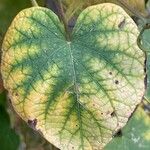
Ipomoea indica
Blue dawnflower · Common morning-glory · Morning-glory · Blue morning-glory · Perennial morning-glory
Description
Source: leafsnapIpomoea indica, commonly known as blue morning glory, is a fast-growing perennial vine in the Convolvulaceae family. Native to tropical and subtropical regions of the Americas, this plant has been introduced and naturalized in many parts of the world. It can grow up to 15 meters in length and features heart-shaped leaves that range from 5 to 15 centimeters long. The flowers of Ipomoea indica are trumpet-shaped and display a stunning blue-purple hue with a white throat, measuring approximately 7 to 9 centimeters across. They bloom from summer through fall, attracting bees, butterflies, hummingbirds, and other pollinators. Ipomoea indica thrives in full sun but can also tolerate partial shade. It grows well in fertile soil with good drainage but can also adapt to poor soil conditions. The plant requires regular watering during dry periods. Indigenous people have used Ipomoea indica for medicinal purposes for centuries, particularly for its anti-inflammatory properties that help alleviate pain caused by arthritis or rheumatism. Overall, Ipomoea indica is an attractive ornamental plant that adds color and beauty to gardens and landscapes. It also provides ecological benefits by attracting pollinators, which help maintain biodiversity in both its native and introduced habitats.
💡 Blue morning glory is a perennial tropical vine celebrated for its vibrant blue flowers. It adds a stunning visual appeal to gardens, often adorning arbors and walls. However, it is not cold hardy. In warmer regions, this vine can be quite aggressive and even invasive, which is why it is illegal to sell or propagate in New Zealand. Despite this, the Royal Horticultural Society has awarded it the Garden Merit.
🌳 Blue morning glory has roles beyond mere ornamentation. Interestingly, research indicates it may help in bioremediation, the process of using plants to clean up polluted environments. The plant can absorb heavy metals from soil, making it a potential candidate for reclaiming contaminated land, although this application requires further scientific investigation.
🎭 Love or death
Care Guide
💧 Water Every 7 days
Blue morning glory thrives in tropical regions where it requires high humidity and consistent moisture. While it can tolerate some drought, it prefers wetter conditions and needs to be watered weekly. This plant grows best outdoors, where it benefits from rainwater, which helps enhance its flowering during the growing season.
How should I water my Blue morning glory to keep it healthy?
When watering the Blue morning glory, it is important to use filtered water that is at room temperature. Tap water may have harmful particles for the plant, so filtered water is preferred. The reason for using room temperature or slightly warmer water is that the Blue morning glory is used to warm environments and cold water can be a shock to it. Additionally, it is best to avoid overhead watering as it can lead to issues with the foliage. Instead, it is recommended to simply water the soil with the filtered room temperature water until it is completely soaked. This benefits the plant by moistening the roots and helping them spread and collect nutrients in the soil.
What do I need to do if I give my Blue morning glory plant too much water or too little water?
Both overwatering and underwatering can be harmful to the health of your Blue morning glory plant, but overwatering is more commonly encountered. If your Blue morning glory receives excessive water, its stems and leaves may wilt and turn yellow. Prolonged overwatering can also result in diseases like root rot, mold, and mildew, which can ultimately kill the plant. On the other hand, underwatering is less likely with the Blue morning glory due to its decent tolerance to drought. However, it is still a possibility, and when it occurs, the leaves of your plant may become brittle and brown. It is crucial to detect signs of overwatering promptly when caring for your Blue morning glory, as some diseases caused by overwatering, such as root rot, may become irreversible if left untreated. If you notice early signs of overwatering, reduce your watering schedule immediately, and assess the soil quality. If the soil drains poorly, replace it with a loose, well-draining potting mix. Conversely, if you observe signs of insufficient water, simply increase your watering frequency until those signs disappear.
How often should I give water to my Blue morning glory?
If your Blue morning glory plant is in a pot, the best way to know when it needs water is to stick your finger into the soil. If the top two to three inches of soil feel dry, then it's time to water it. If you have your Blue morning glory planted outdoors in the ground, you can use the same method to check the soil. Once again, if the top few inches of soil are dry, it's time to water. Typically, during spring and early fall, you'll need to water this plant about once a week using this method. However, when it gets extremely hot, you may need to water it twice a week or even more. Nonetheless, mature and well-established Blue morning glory plants are quite resilient and can withstand drought.
How much water should I give my Blue morning glory?
To properly water your Blue morning glory, don't hold back on the amount of water you give. Wait until the top two to three inches of the soil are dry and then water thoroughly until the entire soil is soaked. Make sure to add enough water so that it drains out through the bottom holes of the pot. If you don't see any excess water draining, it means you haven't given enough water. However, be careful not to let the water accumulate inside the soil as it can harm the plant. On the other hand, if water doesn't drain out through the pot, it could mean that the soil doesn't drain well, which is not good for the plant's health. When the plant is outside, one inch of rain per week will be enough.
How do I water my Blue morning glory at different stages of growth?
The water needs of the Blue morning glory can vary depending on its growth stages. In the first few years of its life or if it has recently been transplanted, it requires more water than usual. During these stages, the plant focuses on growing new roots to support future growth, and these roots perform best with slightly more moisture. As the Blue morning glory matures, it will require less water. Additionally, during the bloom period, when the plant is developing flowers, it may need more water to support this process.
☀️ Light Full sun
The blue morning glory does best in locations that get abundant sunlight for most of the day, though it can tolerate spaces with somewhat less light. The intensity of the sunlight it receives supports its healthy development. Its native habitat displays a similar light pattern. Insufficient light can result in weak growth, while too much can lead to scorched leaves.
What are the sunlight requirements for Blue Morning Glory?
Blue Morning Glory requires full sun or partial sun to thrive effectively. Full sun is defined as above 6 hours of sunlight a day, while partial sun amounts to about 3-6 hours of sunlight. Observing how sunlight moves through your garden can help you pick the best spots that provide a balance of light and shade, ensuring the plants' happiness. These plants do well in areas where they can bask in the sun's rays for most of the day, though they can also tolerate somewhat less light. The intensity of the sunlight they receive is crucial for their healthy development, originating from a habitat with a similar light pattern. Insufficient light may lead to weak growth, whereas too much sun can cause scorched leaves.
What artificial lighting requirements do indoor Blue Morning Glories have?
When natural sunlight is not sufficient, especially in winter or in less sunny spaces, artificial lighting becomes essential for the growth of indoor Blue Morning Glory plants. Optimal growth requires LED lights that can be customized to provide specific wavelengths of light needed by the plants. For full sun plants, 30-50W/sq ft of artificial light is needed; for partial sun plants, 20-30W/sq ft; and for full shade plants, 10-20W/sq ft. The ideal distance for placing the light source is 12-36 inches above the plant to mimic natural sunlight conditions. Furthermore, the duration of artificial light should mimic natural daylight hours, with most plants needing 8-12 hours of light per day.
What symptoms indicate a Blue Morning Glory is receiving inadequate light?
Symptoms of inadequate light in Blue Morning Glory include smaller new leaves compared to mature ones, leggy or sparse growth indicating a thin appearance due to longer spaces between leaves or stems, faster leaf drop to conserve resources, slower or halted growth as the plant enters a survival mode, and lighter-colored new leaves suggesting a lack of chlorophyll and essential nutrients. Conditions like chlorosis, where leaves turn yellow due to chlorophyll breakdown; sunscald, marked by pale or necrotic areas from intense sunlight; leaf curling as a defense mechanism against excessive light; wilting from increased water loss; and leaf scorching with brown, dry edges, are also indicative of improper light exposure.
How can I address light-related issues in Blue Morning Glory?
To address light-related issues in Blue Morning Glory, gradually move plants to sunnier locations to ensure they receive at least 6 hours of direct sunlight daily. For indoor plants, use a south-facing window and keep curtains open. If the plant is large or not easily movable, consider supplementing with artificial light for at least 8 hours daily. Outdoors, avoid sudden changes in light intensity that could cause sunburn. Observing and reducing obstructions that block sunlight, such as pruning trees, can help. For smaller plants, consider transplanting during their dormant period, usually late winter or early spring, to a location with ample sunlight and good drainage. Note that parts of the plant affected by insufficient light may not recover, but new growth should be healthy post-adjustment.
🌡️ Temperature 20–37.8°C
Blue morning glory is a tropical plant that does best at temperatures of 68 to 100 ℉ (20 to 38 ℃). Its natural habitat is warm, humid regions like the Caribbean and Southeast Asia. In cooler seasons, it may be necessary to use a greenhouse or an indoor area to maintain its preferred temperature range.
What is the ideal temperature range for Blue morning glory?
Blue morning glory thrives in a tropical climate, preferring temperatures between 68 to 100°F (20 to 38°C). Its native habitat includes warm and humid environments like those found in the Caribbean and Southeast Asia. To foster growth outside of these regions, especially during cooler seasons, a greenhouse or an indoor space may be required to maintain this temperature range. Extreme heat is favored by Blue morning glory, and exposure to colder temperatures can be detrimental. In autumn, it's advisable to move the plant indoors, placing it near a bright window but away from direct heat sources to ensure it remains within its temperature preferences.
How does low temperature affect Blue morning glory and what can be done?
Blue morning glory prefers warm temperatures and does not tolerate low temperatures well. It is crucial to keep the plant above certain minimum temperatures during the winter to prevent stress or damage. When temperatures drop too low, the leaves may lighten in color, and frost damage can cause them to turn brown or black, accompanied by wilting and drooping. To mitigate frost damage, it's recommended to trim off affected parts and move the plant to a warmer indoor setting. Placing the plant near a south-facing window can ensure it receives enough sunlight while avoiding the placement near heaters or air conditioning vents to prevent the air from becoming too dry.
What measures should be taken when Blue morning glory experiences high temperatures?
During the summer, it's important to ensure that Blue morning glory does not exceed a certain maximum temperature to avoid stress or damage. High temperatures can result in lighter leaf coloration and increase the risk of sunburn. If the plant does experience sunburn or dried-up parts, these should be trimmed away. To protect the plant from excessive heat, relocate it to a shaded area during the peak sun hours of midday and afternoon. Additionally, watering the plant in the morning and evening will help keep the soil adequately moist and provide relief from the heat.
💨 Humidity
🪴 Soil 5-7
🌱 Fertilizer
Proper feeding is essential for the health and appearance of Blue morning glory. Fertilize Blue morning glory during summer, repeating the application monthly throughout the season. Nutrients supply energy for growth and help maintain the plant’s tissues. Fertilizing improves Blue morning glory’s flower display, ensuring its best blooms.
🪴 Pot & Repot 2-3 years
Repot blue morning glory in early spring, selecting a pot only slightly larger than the current one that provides good drainage. Use a well-draining potting mix and place the root ball at the same depth as before. Gently loosen any root-bound roots. After repotting, water thoroughly and position the plant in a warm, shaded spot. Regular pruning helps control size and encourages new growth.
✂️ Pruning
Blue morning glories grow quickly. To improve ventilation and reduce the risk of pests and diseases that come with dense growth, prune any diseased or weak branches during their winter dormancy.
🌿 Propagating
🐛 Diseases & pets
☠️ Toxicity
Characteristics
- Plant Type
- Vine, Herb
- Life Cycle
- Perennial, Annual, Biennial
- Genus
- Ipomoea
- Family
- Convolvulaceae
- Hardiness Zone
- 9-11
- Mature Height
- 1.22 m to 4.57 m
- Mature Spread
- 61 cm to 91 cm
- Leaf Color
- Green
- Leaf Type
- Evergreen
- Flower Color
- Blue, Purple
- Flower Size
- 6.35 cm to 7.62 cm
- Bloom Time
- All year round
- Planting Time
- Spring, Summer
- Harvest Time
- Spring, Summer, Fall
- Native Area
- Sri Lanka, Belize, India, Malaysia, Guatemala, Madagascar, Eritrea, Pakistan, Fiji, Uruguay, Indonesia, Cameroon, Venezuela, Brazil, Honduras, Peru, Philippines, Bangladesh, Laos, Guinea, Trinidad and Tobago, Panama, Colombia, Bolivia, Vietnam, Japan, Myanmar, Guyana, Bhutan, Nicaragua, Eswatini, Ecuador, Costa Rica