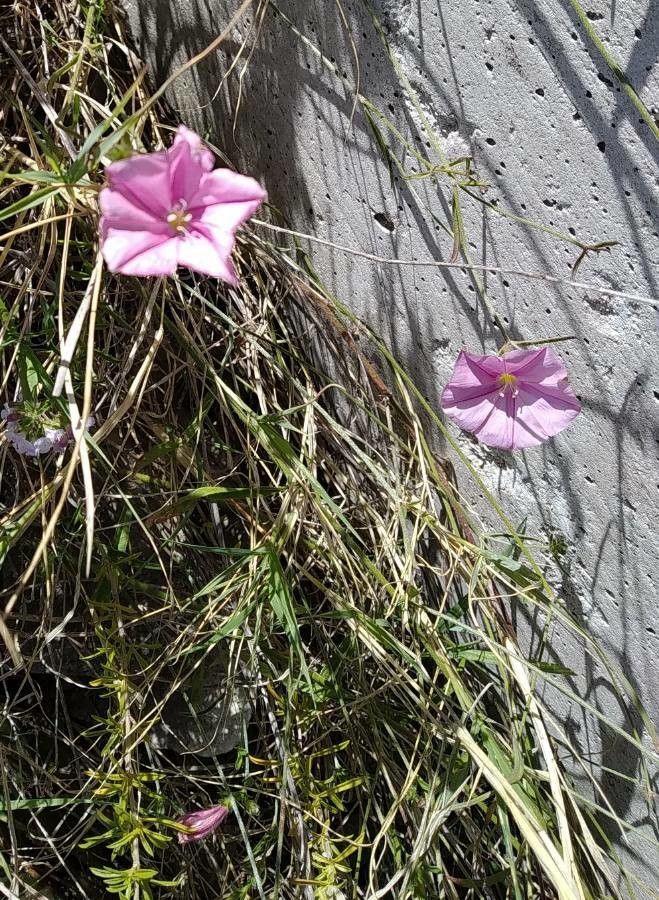
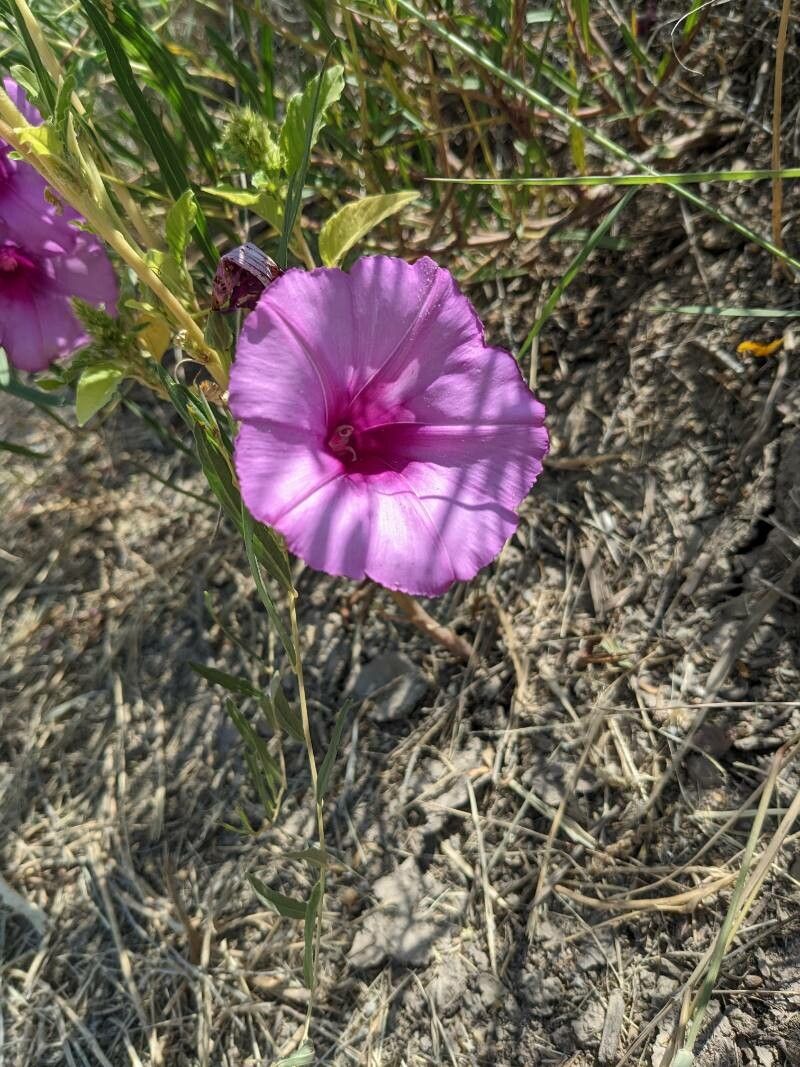
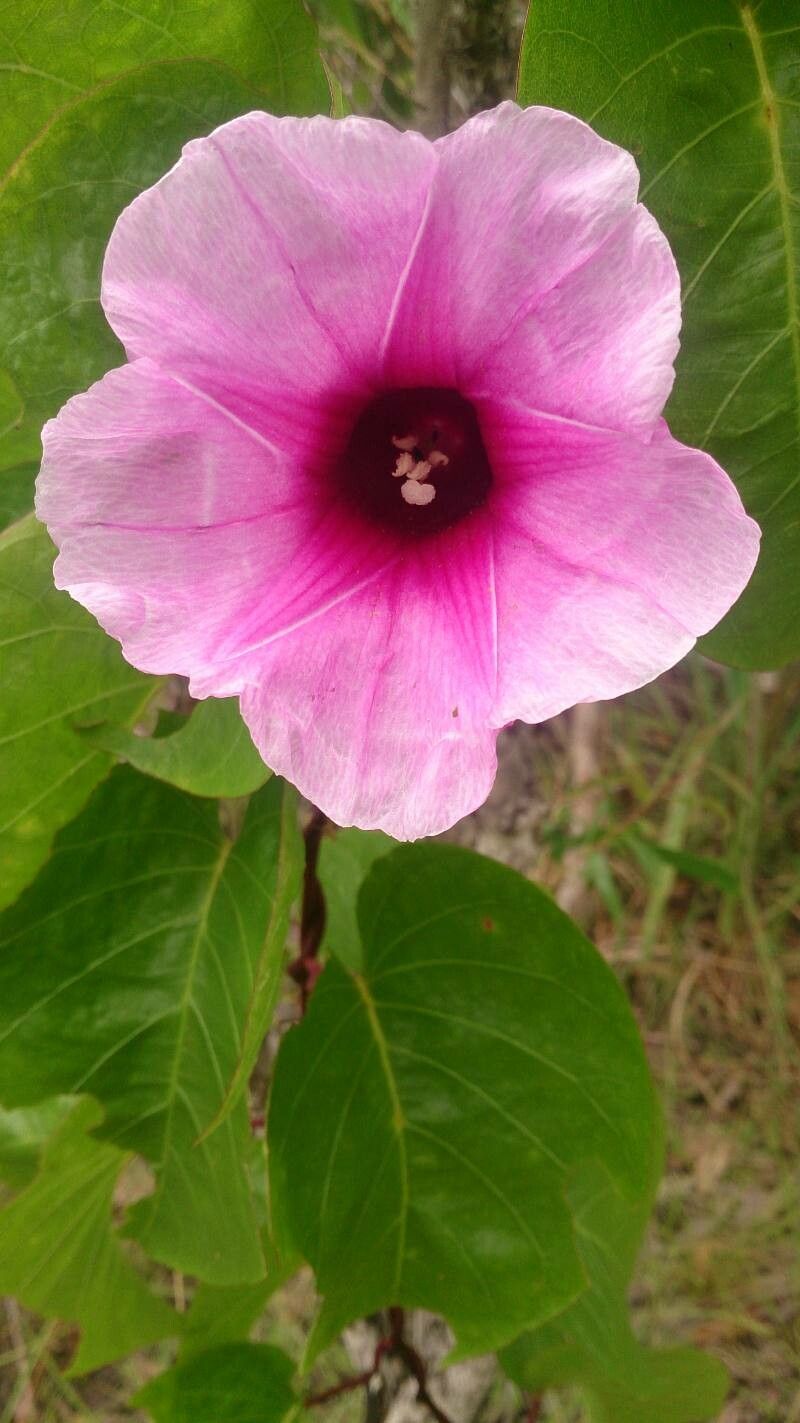
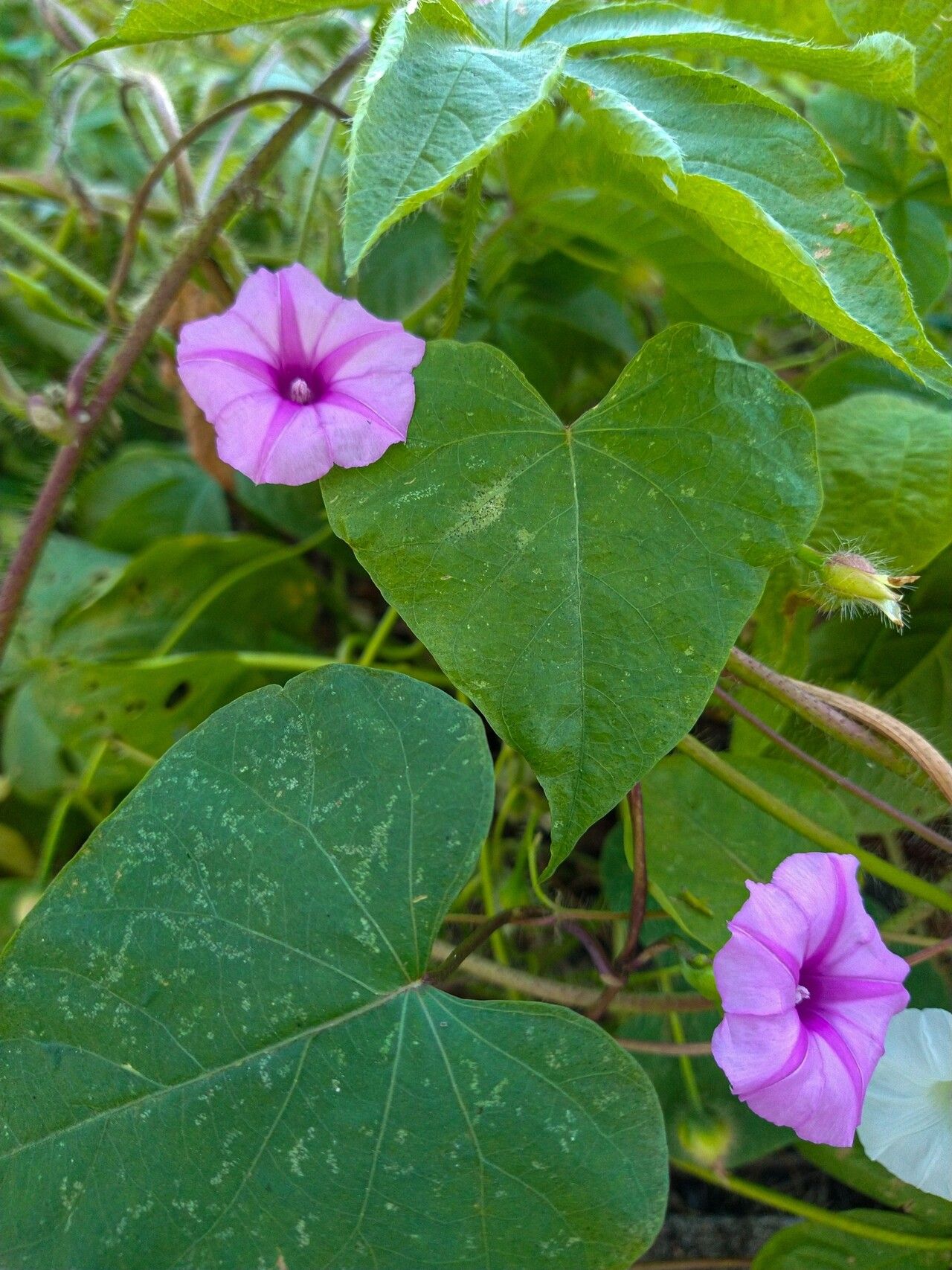
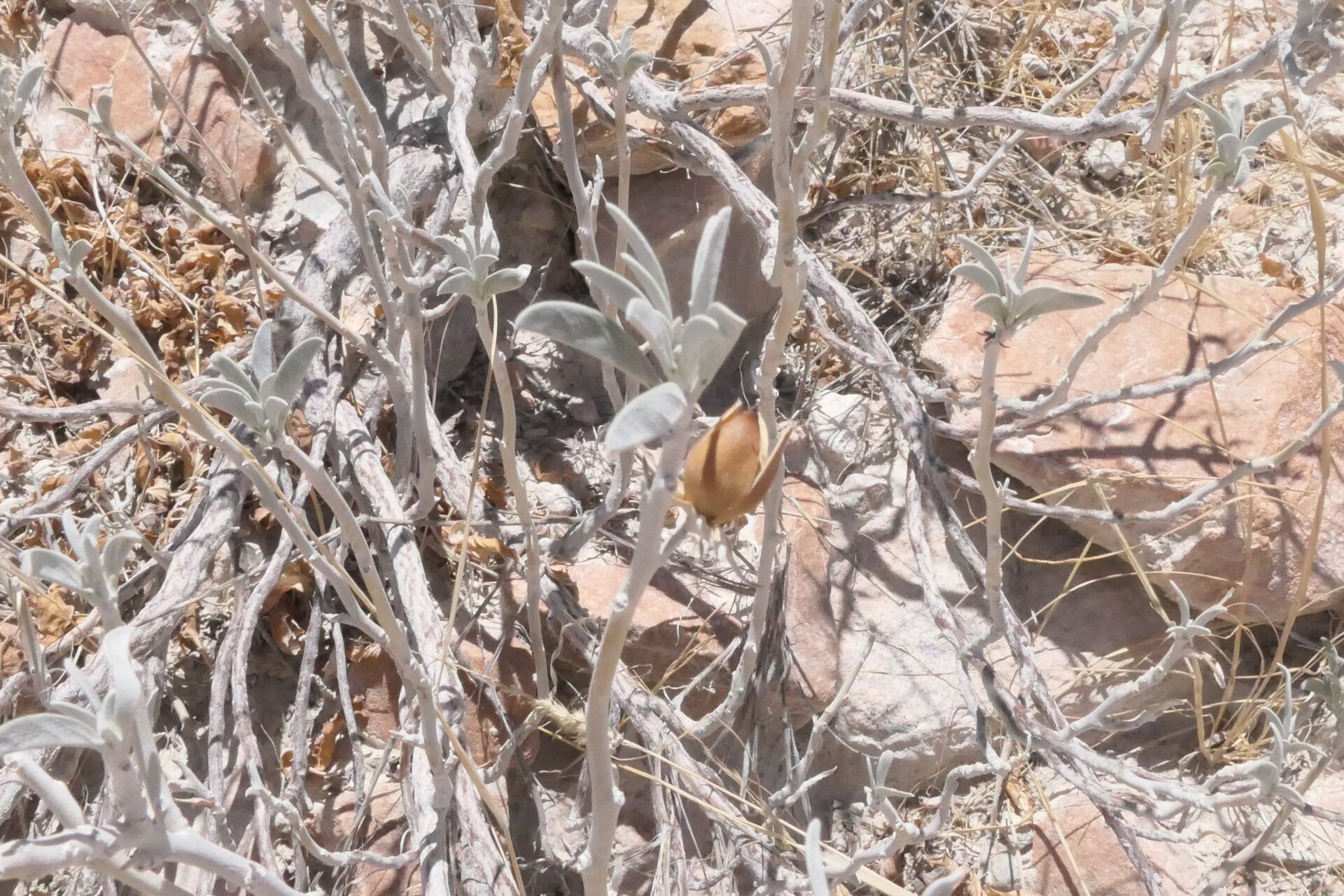
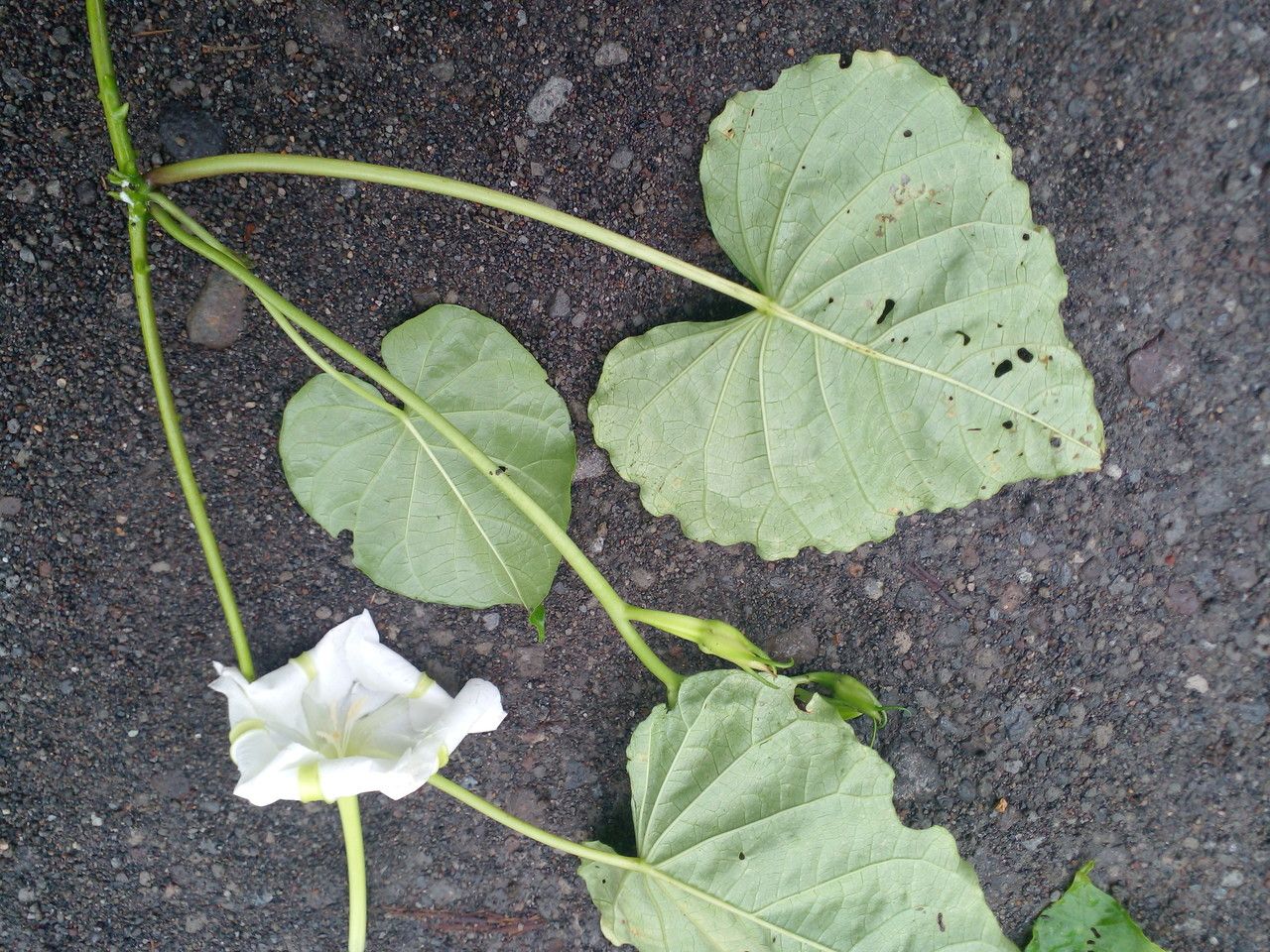
Ipomoea leptophylla, the bush morning glory, bush moonflower or manroot, is a flowering plant species in the bindweed family, Convolvulaceae. The Latin specific epithet leptophylla refers to leptophyllus -a -um fine- or slender-leaved.It belongs to the morning glory genus Ipomoea and is native to the warm temperate regions of western North America.
Bush morning glory is fairly disease-resistant and usually not prone to illnesses. However, it can be affected by pests and diseases present in its environment. These problems are typically not serious. In terms of care, the plant requires moderate maintenance. It should be pruned regularly to maintain a neat appearance and healthy growth. Fertilizing can also help encourage flowering. Bush morning glory is suitable for anyone with outdoor space, such as a garden or patio, and does not demand extensive gardening experience. It may need more attention when grown indoors.
How to keep Ipomoea Leptophylla.
Light
The bush morning glory does best in strong sunlight, which promotes its optimal growth. Coming from regions with abundant sun, its health and vigor are tied to substantial light exposure, although it can tolerate less sunny conditions. Both excessive and insufficient light can disrupt its normal growth cycle or cause leaf discoloration.
Water
The bush morning glory thrives in semi-arid conditions with infrequent rainfall, demonstrating excellent drought tolerance. To prevent overwatering, water it sparingly, approximately once a week. This outdoor plant benefits greatly from seasonal rains, which boost its growth and lessen the need for additional manual watering.
Temperature
Bush morning glory comes from areas where temperatures typically range from 59 to 100.4 °F (15 to 38 ℃). It flourishes within that temperature range, so seasonal adjustments are usually unnecessary.
Fertilizer
The best time to fertilize a Bush morning glory is in early spring, when it comes out of dormancy and begins active growth. Fertilizing supplies essential nutrients for healthy development. Although Bush morning glory has relatively low fertilizer requirements, applying fertilizer annually can improve its survival and encourage better, longer-lasting flowers.
Pruning
The bush morning glory showcases beautiful purple-pink, funnel-shaped flowers and dense, lush foliage. To encourage growth and maintain its shape, prune the plant from early to late spring. Use sterilized tools to remove any damaged stems and to thin out overcrowded areas. This will help ensure vibrant blooms and a healthier plant structure.
Botanical profile.
- Plant Type
- Herb
- Life Cycle
- Perennial
- Genus
- Ipomoea
- Family
- Convolvulaceae
- Hardiness Zone
- 8-11
- Mature Height
- 30 cm to 91 cm
- Mature Spread
- 91 cm
- Leaf Color
- Green
- Leaf Type
- Deciduous
- Flower Color
- Pink
- Flower Size
- 5.08 cm to 7.62 cm
- Bloom Time
- Summer
- Planting Time
- Spring, Summer, Autumn
- Harvest Time
- Late summer, Early fall, Mid fall
- Native Area
- Mexico
Other names.
Reader questions.
How should I water my Bush morning glory plant?
To properly water the Bush morning glory, use filtered water that is at room temperature or slightly warmer. Tap water may contain harmful particles, so filtered water is preferred. The plant is accustomed to warm environments, so cold water can be a shock to its system. Avoid overhead watering to prevent foliage problems. Instead, apply the filtered room temperature water directly to the soil until it is completely soaked. This helps moisten the roots and allows them to spread and absorb nutrients.
Why should I put fertilizer on my Bush morning glory?
Fertilization is important for the Bush morning glory for a few reasons. Firstly, it provides the necessary nutrients for the plant to grow above and below the ground. Despite this, the Bush morning glory doesn't require a lot of fertilization. Sometimes it can even survive without it. However, annual fertilization can greatly benefit the plant by keeping it alive and promoting the production of high-quality, long-lasting flowers. Therefore, those who want their Bush morning glory to look its best should remember to fertilize it annually.
What kind of sunlight does Bush morning glory require?
Bush morning glory requires full sun every day, with a minimum of six hours of sunlight to keep its leaves, roots, and blooms healthy. While many perennials also need six hours of sunlight a day, plants like the Orange Daylily or Giant Coreopsis can survive on only three hours of sun daily. However, these flowering plants won't thrive as well as they would in sunnier conditions with more direct sunlight.
What temperature is best for Bush morning glory?
Plants are affected by colder temperatures because they have the same temperature as the air around them. When exposed to the sun, plants can warm up again. However, in winter, they can't warm up and may be damaged by frost. The Bush morning glory has a temperature range of 70-85℉ (21-30℃). They can tolerate temperatures as low as 20-30℉ (-6-0℃), and sometimes even 15℉ (-10℃), but not for long as it can cause frost damage. To prevent wilting, it's important to keep the maximum temperatures between 70-85℉ (21-30℃), spray the plants with water occasionally, and provide some shade.
What should I do if I give too much or too little water to my Bush morning glory?
Overwatering and underwatering can harm your Bush morning glory, but overwatering is more common. Too much water can cause wilting, yellowing leaves, and diseases like root rot, mold, and mildew, which can be fatal. Underwatering is less likely, as this plant can tolerate drought. However, when underwatering occurs, the leaves may become brittle and brown. It's important to notice signs of overwatering early to prevent irreparable damage, such as root rot. Reduce watering if you see these signs and consider replacing poorly draining soil. If your Bush morning glory is not receiving enough water, increase watering until the signs disappear.
When should I fertilize my Bush morning glory for best results?
Fertilizing a Bush morning glory is best done in late winter to early spring when it is transitioning from dormancy to active growth. This promotes healthy growth and sets the plant up for a successful season. While early spring is the most beneficial time, fertilizing in the fall is also an option. However, it is not recommended to feed the plant during summer or winter.
Can the sun harm Bush morning glory? How can I keep Bush morning glory safe from the sun and heat?
In warm climates, some Perennial Flowering Plants may struggle with excessive heat and suffer from sun damage. They can wilt, dry out, or even experience growth problems if they are consistently exposed to the intense afternoon sun. However, not all plants require protection from the light afternoon sun. For those that are harmed by intense afternoon exposure, it is recommended to provide them with some shade in warmer climates. Gardeners can achieve this by planting these plants in areas that do not receive direct heat during the afternoon, such as under trees or behind bushes.
Do I need to change the temperature for Bush morning glory at different stages of growth?
When growing Bush morning glory, it's important to research and ensure the temperature is suitable. Some growers may lower the plants' thermostats to save on HVAC costs during the growing season. However, it's crucial to understand that temperature can impact flowering, pest management, and plant quality. During winter, certain species may become dormant and stop growing at a specific temperature point. As the seasons change, the base temperature increases, leading to faster growth in Bush morning glory. Species that naturally grow in warm habitats have higher optimum temperatures compared to those that thrive in cooler climates. Exposing Bush morning glory seeds to cool temperatures can result in reduced uniformity and delays. It may be beneficial to lower the temperature during flowering but not during other phases. Additionally, cooler night temperatures require less water, so irrigation should be adjusted accordingly.
How many times should I water my Bush morning glory?
If your Bush morning glory is in a pot, you can determine if it needs water by checking the soil with your finger. If the top few inches are dry, it's time to water. If you have the plant in the ground, the same method applies. During spring and early fall, watering once a week is often sufficient. In very hot weather, increase watering to twice or more per week. However, mature Bush morning glory plants are quite resilient and can withstand drought well.
When is it best to not add fertilizer to my Bush morning glory?
It is best to fertilize your Bush morning glory only in late winter and early spring. This plant only requires one annual feeding, so additional fertilization during spring, summer, and fall can easily lead to overfertilization and its associated problems. The only exception is if you missed fertilizing in spring, in which case it is acceptable to fertilize in the fall. Furthermore, there is no need to fertilize this plant during winter as it will be in a dormant growth phase and will not produce new growth. Therefore, it is not recommended to fertilize during most of the winter.
Is it necessary to shield Bush morning glory from the sun?
Certain perennial plants require ample sunlight to reach their maximum bloom. However, in warmer climates, some of these plants actually benefit from less sun. For instance, individuals residing in hotter regions might find it beneficial to shade their flowering perennials during the intense afternoon sun, especially during summer months. Although many perennial flowering plants prefer partial shade in the hottest climates, there are exceptions. Take the Giant Coreopsis, for example, as it is not bothered by excessive sun exposure. These plants can flourish even when placed in the full sun during scorching weather.
How do I make sure Bush morning glory stays warm in cold weather?
To help the Bush morning glory survive colder temperatures, stop fertilizing the plant so that new growth doesn't occur and the existing ones can become hardier. Additionally, you can protect the plant by building structures like cages or trellises to keep them warm. Another option is to use heat mats, which can gently warm the soil and maintain an ideal temperature range for the Bush morning glory consistently.