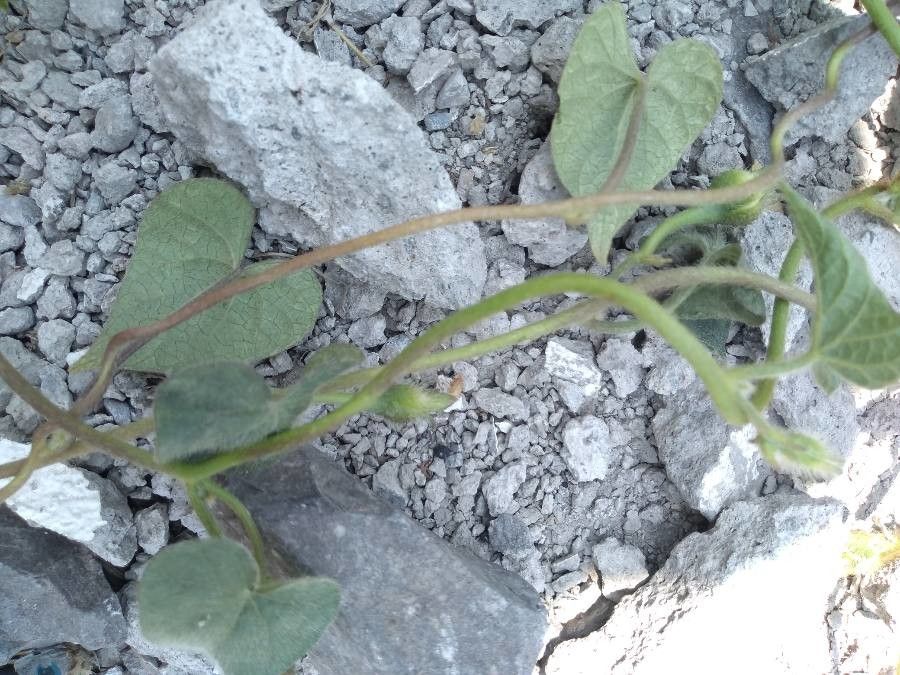
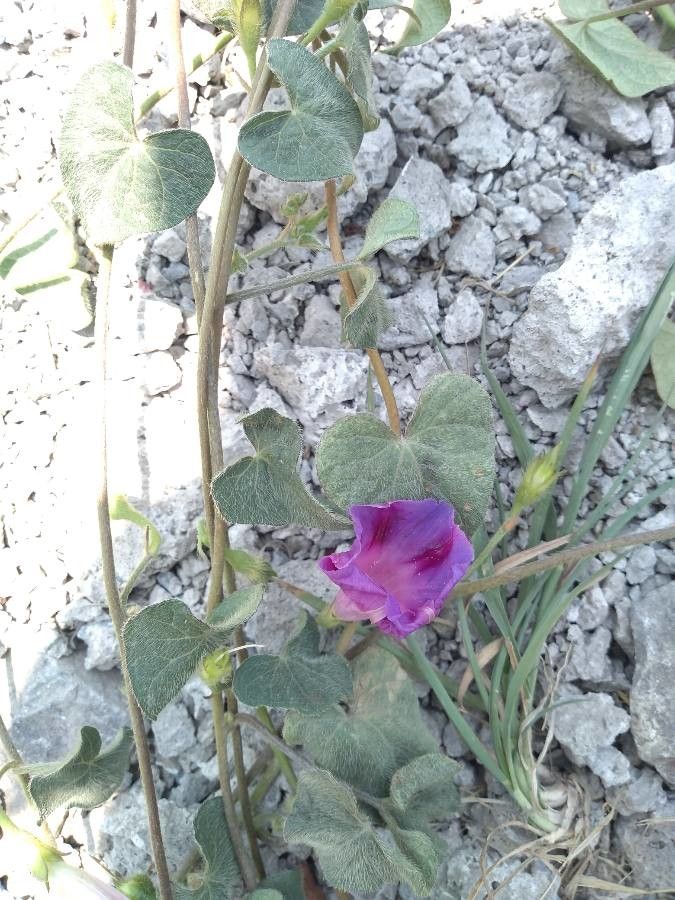
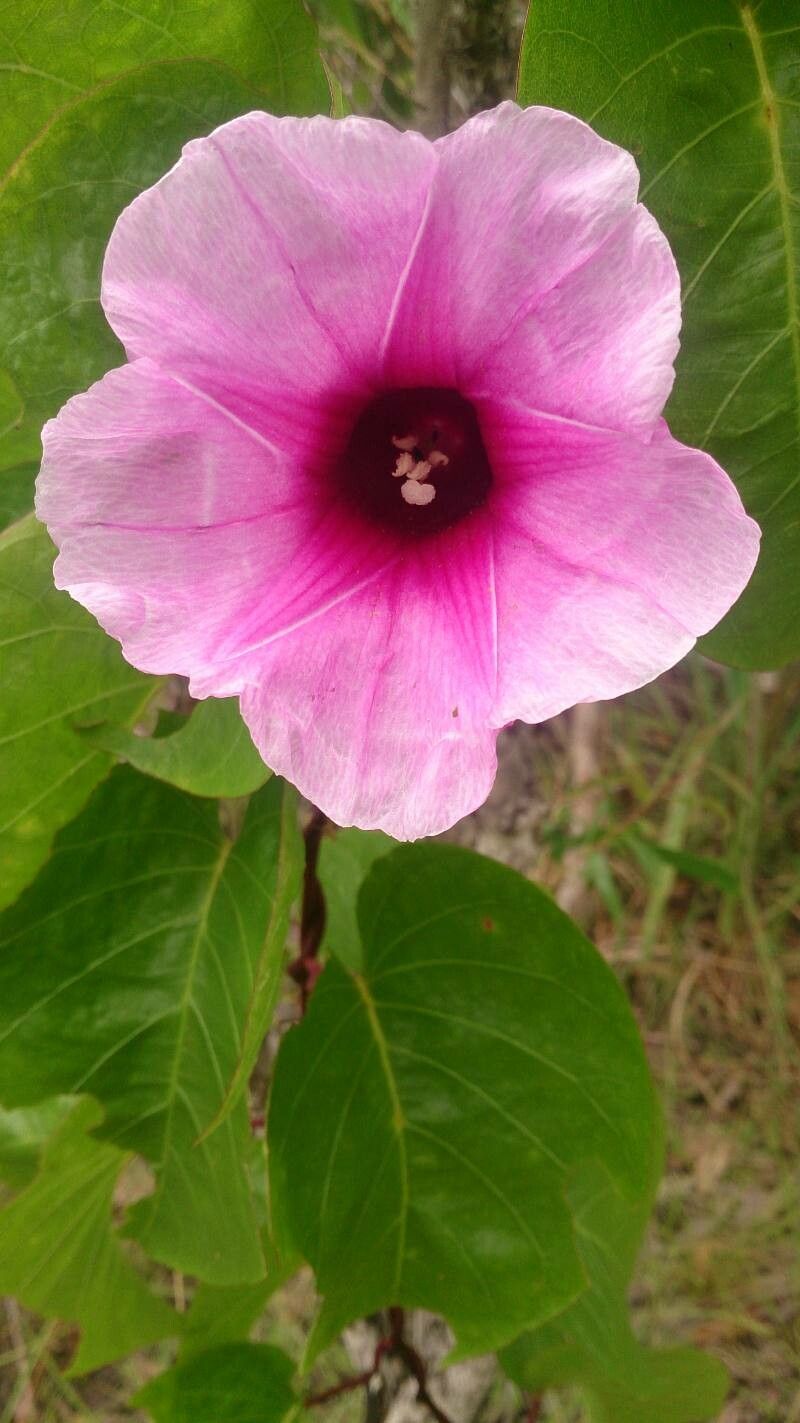
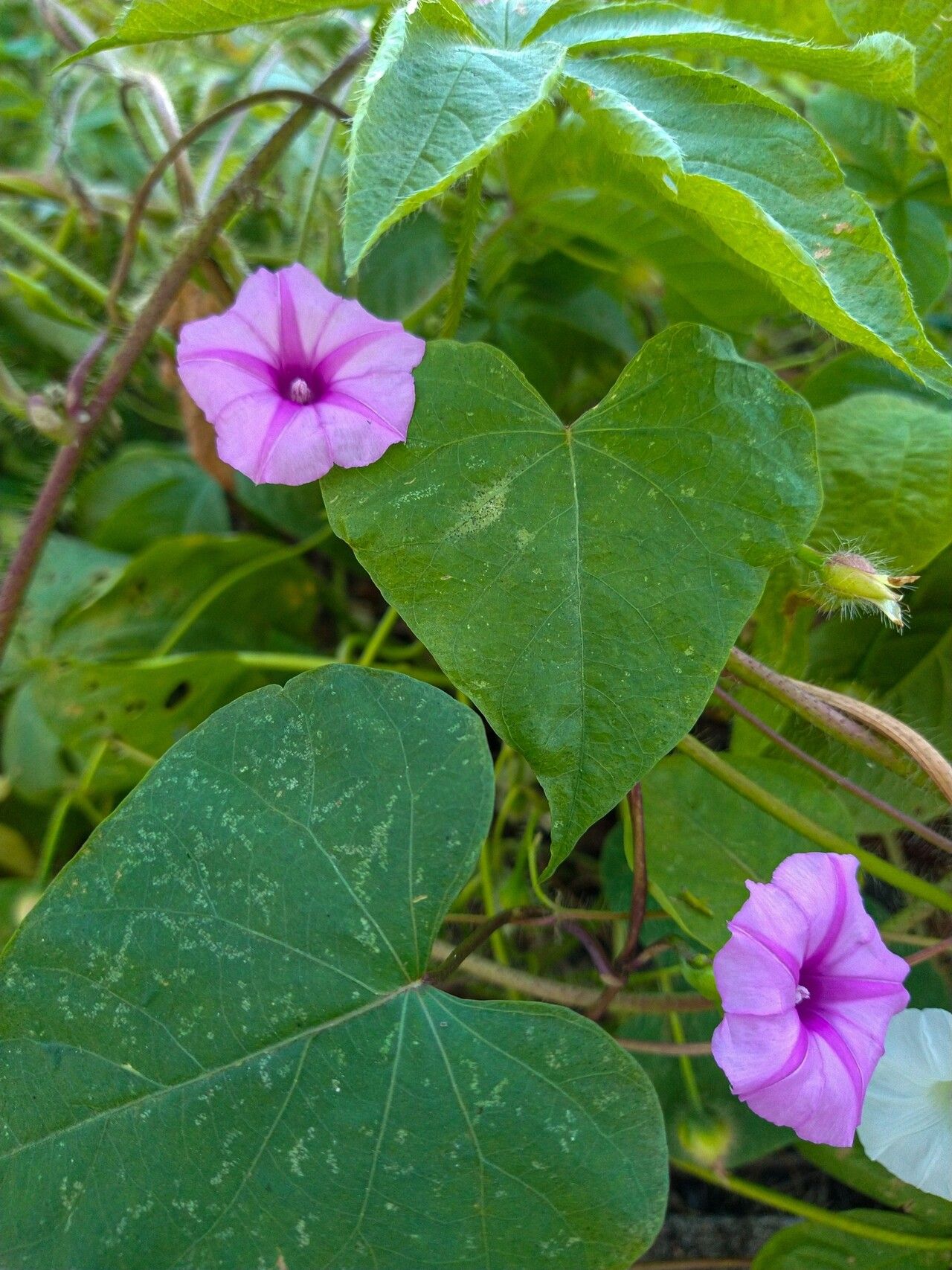
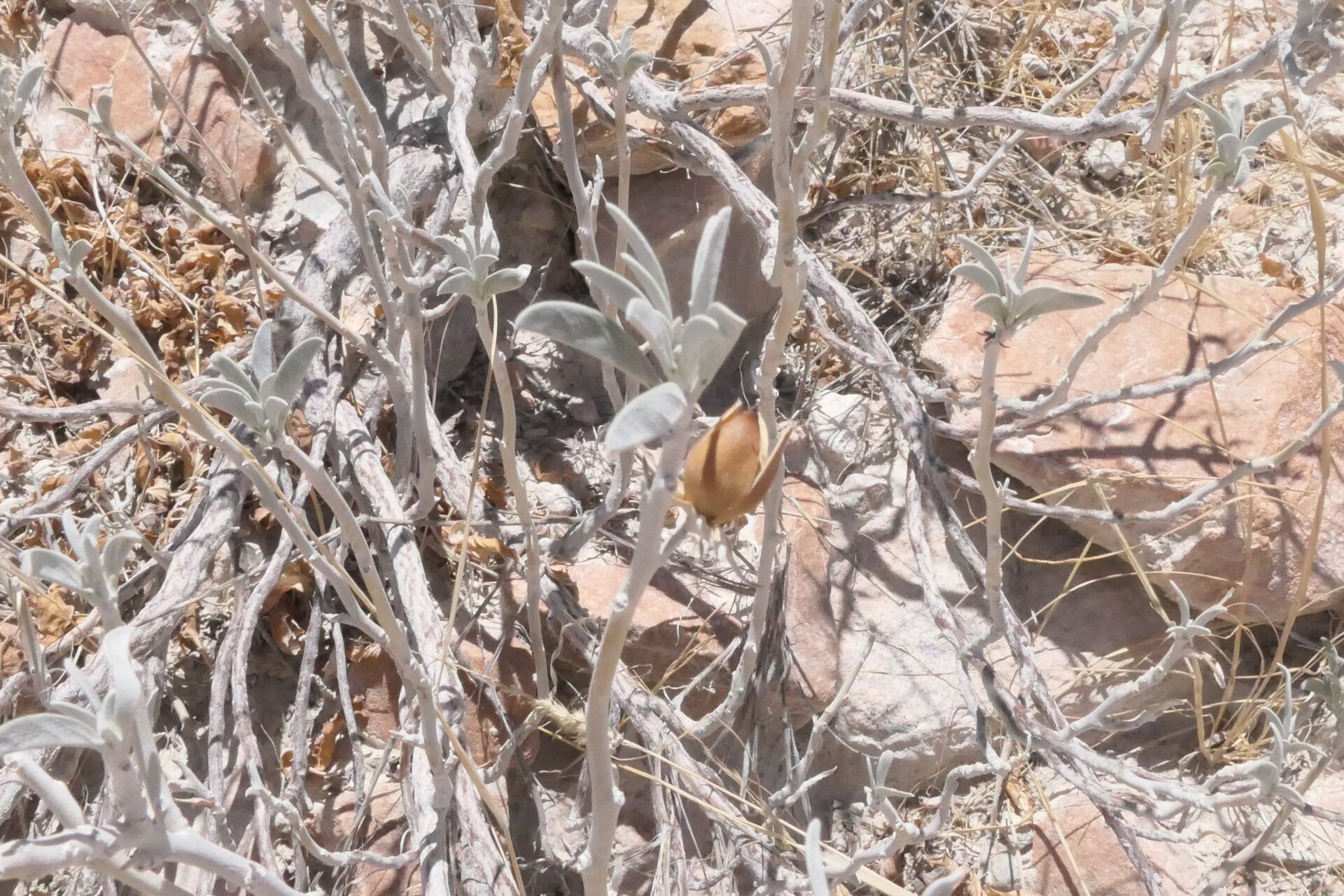
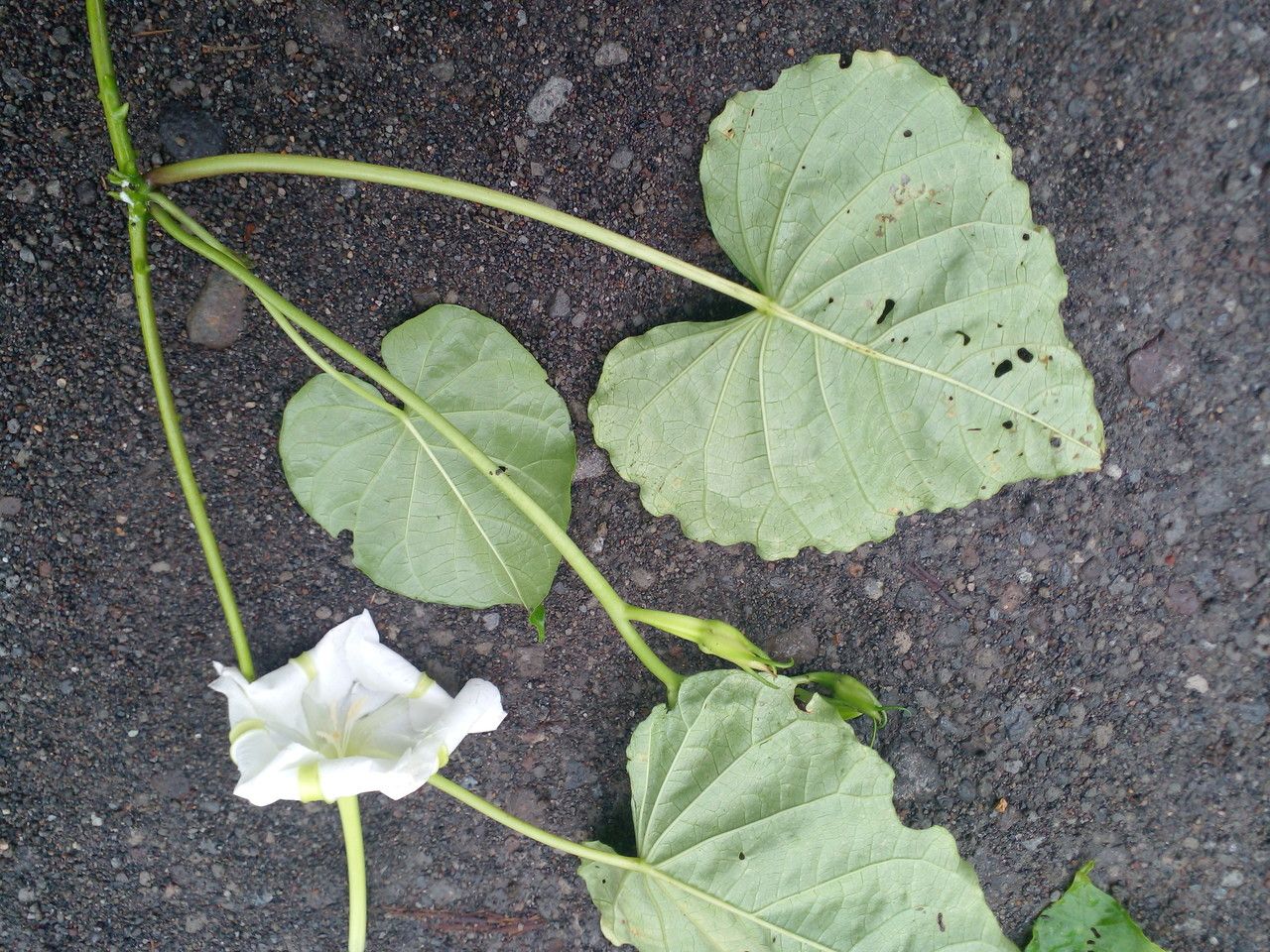
Scammony root displays good resistance to disease and is generally not prone to illnesses. Still, it can be affected by pests and diseases present in its surroundings. These problems are usually mild. In terms of care, the plant requires a moderate level of maintenance. It should be pruned regularly to keep a tidy appearance and support healthy growth. Fertilizing can also encourage flowering. Scammony root is well suited for anyone with outdoor space, such as a garden or patio, and does not demand extensive plant-care experience. It may need more attention when grown indoors.
How to keep Ipomoea Orizabensis.
Light
The scammony root plant is a perennial herb that naturally grows in open environments, typically flourishing in grasslands and meadows. While it prefers full sun exposure, it can also manage in areas with partial sun.
Water
Scammony root thrives with moderate watering, similar to the periodic rainfall it experiences in its native habitat. It needs weekly watering to balance moisture retention with its drought tolerance. Adapted to outdoor conditions, Scammony root efficiently uses water during its active growing season, responding well to changes in seasonal rainfall.
Temperature
The root of Scammony is native to tropical areas, characterized by warmth and humidity. Consequently, it has adapted well to high heat and moist conditions. It doesn't respond well to abrupt changes in temperature, preferring a consistent temperature setting, which is why it’s crucial to maintain stable indoor temperatures. The plant typically struggles with low temperatures and needs a warmer environment to thrive. If the surrounding temperature falls excessively, the plant could potentially stop growing or even perish.
Fertilizer
The root of Scammony need the most nutrients while it's actively growing, mainly during spring, summer, and early autumn. Nutrient supplementation is required to compensate for any potential nutrient deficiencies in the soil, fostering the development of robust roots and stems, along with appealing leafage. The latter being an essential characteristic of this specific plant.
Pruning
Scammony root is known for its vigorous growth and unique twining vines. To maintain its health and encourage new growth, it's best to prune the plant from early to late spring. Pruning at this time helps remove dead stems, improves air circulation, and enhances flowering. Always use sharp, clean tools, and stick to the recommended seasonal timings for the best results in health and vigor.
Botanical profile.
- Plant Type
- Herb, Vine
- Life Cycle
- Perennial
- Genus
- Ipomoea
- Family
- Convolvulaceae
- Hardiness Zone
- 9-11
- Mature Height
- 3.05 m to 6.1 m
- Mature Spread
- 2.13 m to 3.96 m
- Leaf Color
- Green, Dark Green
- Leaf Type
- Semi-evergreen
- Flower Color
- Purple, Lavender
- Flower Size
- 6.35 cm to 7.62 cm
- Bloom Time
- Summer, Early fall, Mid fall
- Planting Time
- Spring, Summer
- Harvest Time
- Late summer, Fall, Early winter
Reader questions.
What are the sunlight requirements for Scammony root?
Scammony root is a sun-loving perennial that thrives in full sun, requiring above 6 hours of sunlight, but can also tolerate partial sun conditions, which is about 3-6 hours of sunlight. It's vital to watch how sunlight moves through your garden to ensure you choose spots that offer the perfect balance of light and shade for your plants, thus ensuring their happiness and healthy growth.
What is Scammony root?
Scammony root refers to the root of the plant known botanically as Ipomoea orizabensis. It is recognized for its medicinal properties and uses in various traditional practices. However, this entry does not include specific information regarding its uses, symptoms it treats, or any essential details about its application.
Can Scammony root grow under artificial lighting?
Yes, Scammony root can grow under artificial lighting, which is especially beneficial when natural sunlight is insufficient, such as during winter or in less sunny spaces. Using the right type of artificial light, such as LED lights, is critical as they can be customized to provide the specific wavelengths of light that plants need. For full sun plants like Scammony root, 30-50W/sq ft of artificial light is needed, whereas for partial sun conditions, 20-30W/sq ft is adequate. The light source should be placed 12-36 inches above the plant, mimicking natural sunlight for 8-12 hours per day to promote healthier growth.
What symptoms indicate that Scammony root is not receiving enough light?
Symptoms of insufficient sunlight in Scammony root include smaller new leaves, leggy or sparse growth, faster leaf drop, slower or no new growth, lighter-colored new leaves, chlorosis (leaves turning yellow), sunscald (damage from intense sunlight), leaf curling, wilting, and leaf scorching. These symptoms highlight the plant's struggle under poor lighting conditions, with each indicator pointing towards the need for better light management.
How can I manage and improve sunlight exposure for Scammony root?
To manage and improve sunlight exposure for Scammony root, gradually transition the plant to a sunnier location, aiming for at least 6 hours of direct sunlight daily for those kept indoors. Use south-facing windows and keep curtains open during the day. If natural light is inadequate, consider using artificial grow lights. For outdoor plants, avoid sudden changes in light exposure to prevent sunburn, and for those in the ground, reduce sunlight obstructions by pruning and consider transplanting smaller plants during their dormant period to sunnier locations. It's important to note that parts of the plant affected by insufficient light may not recover, but new growth after adjusting light exposure will be healthy.