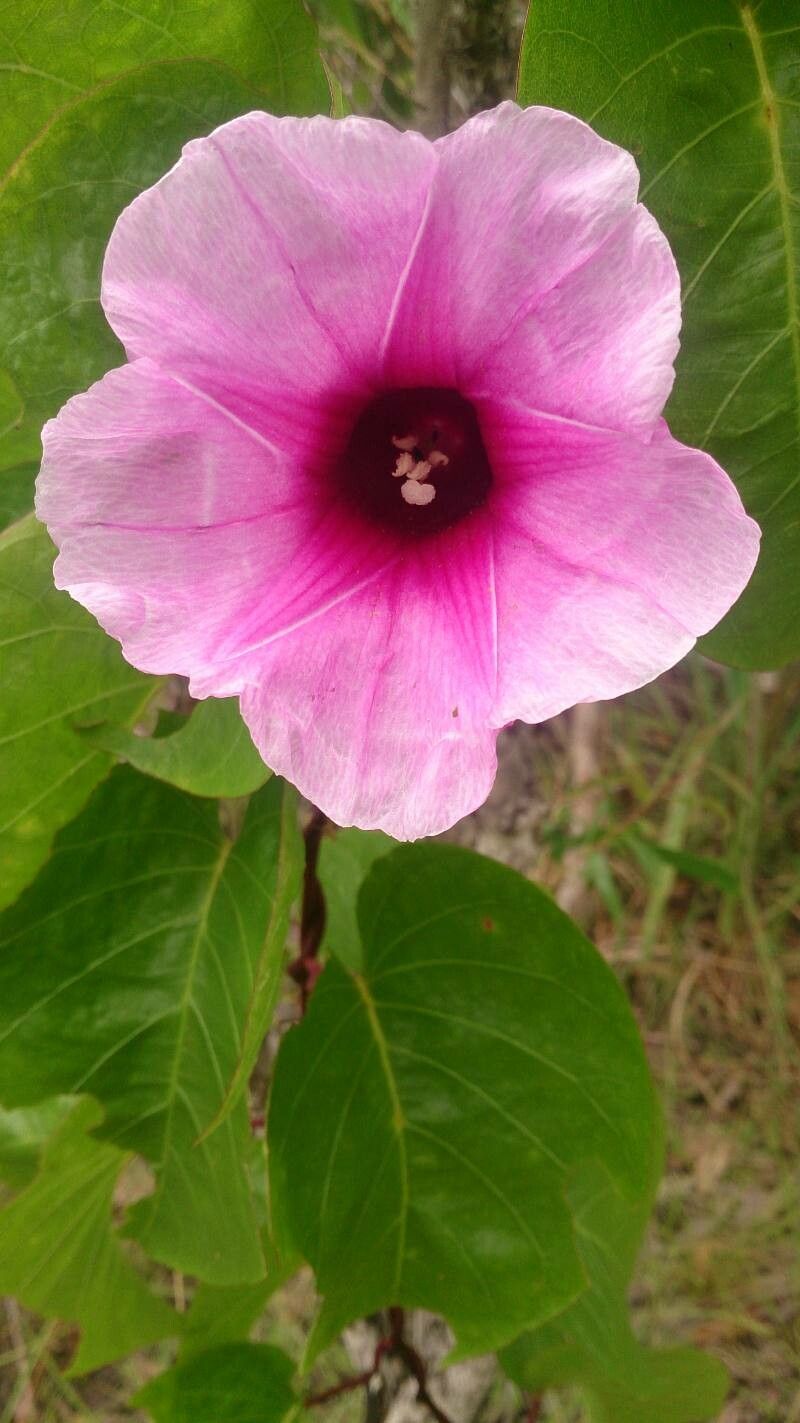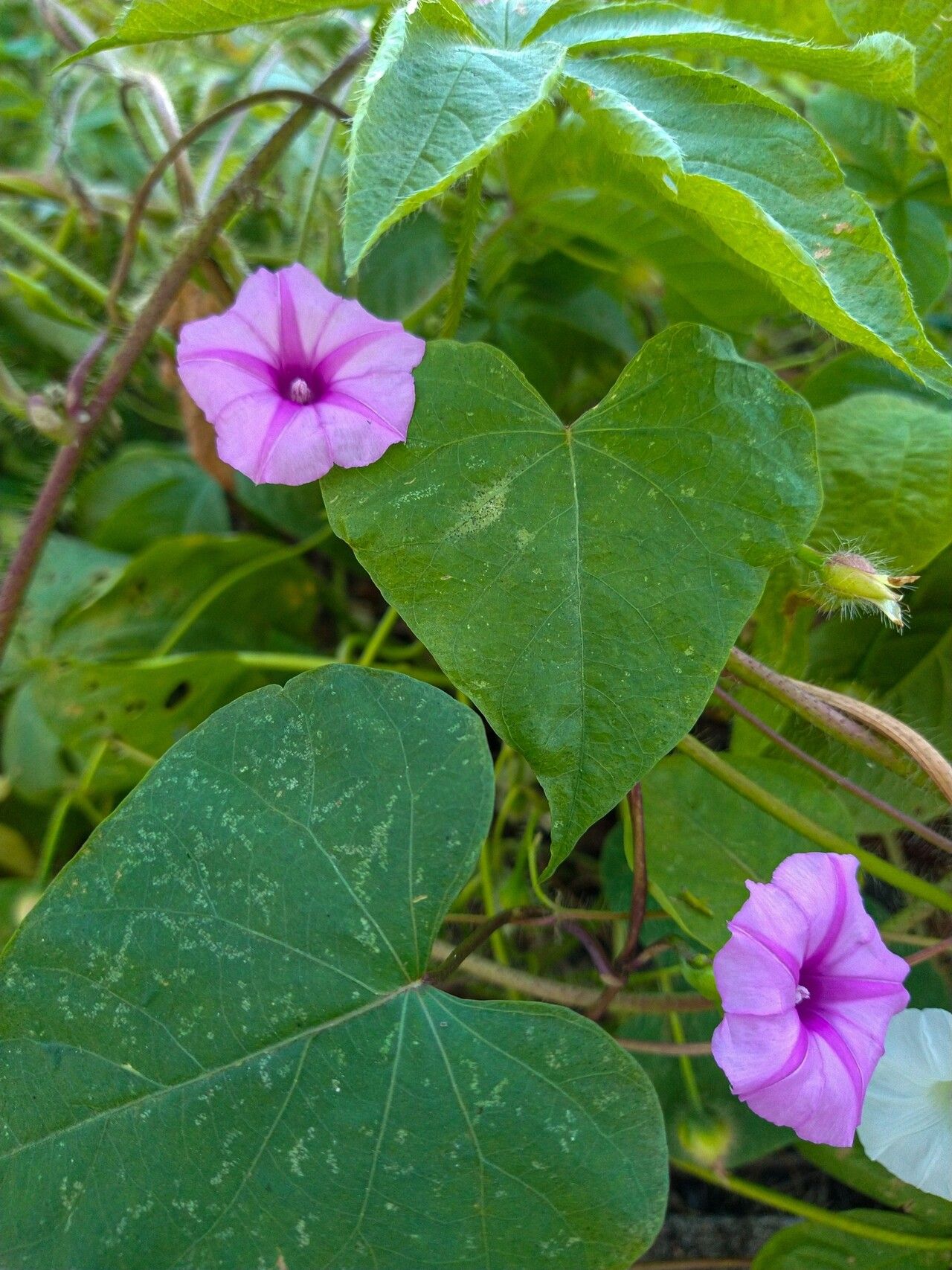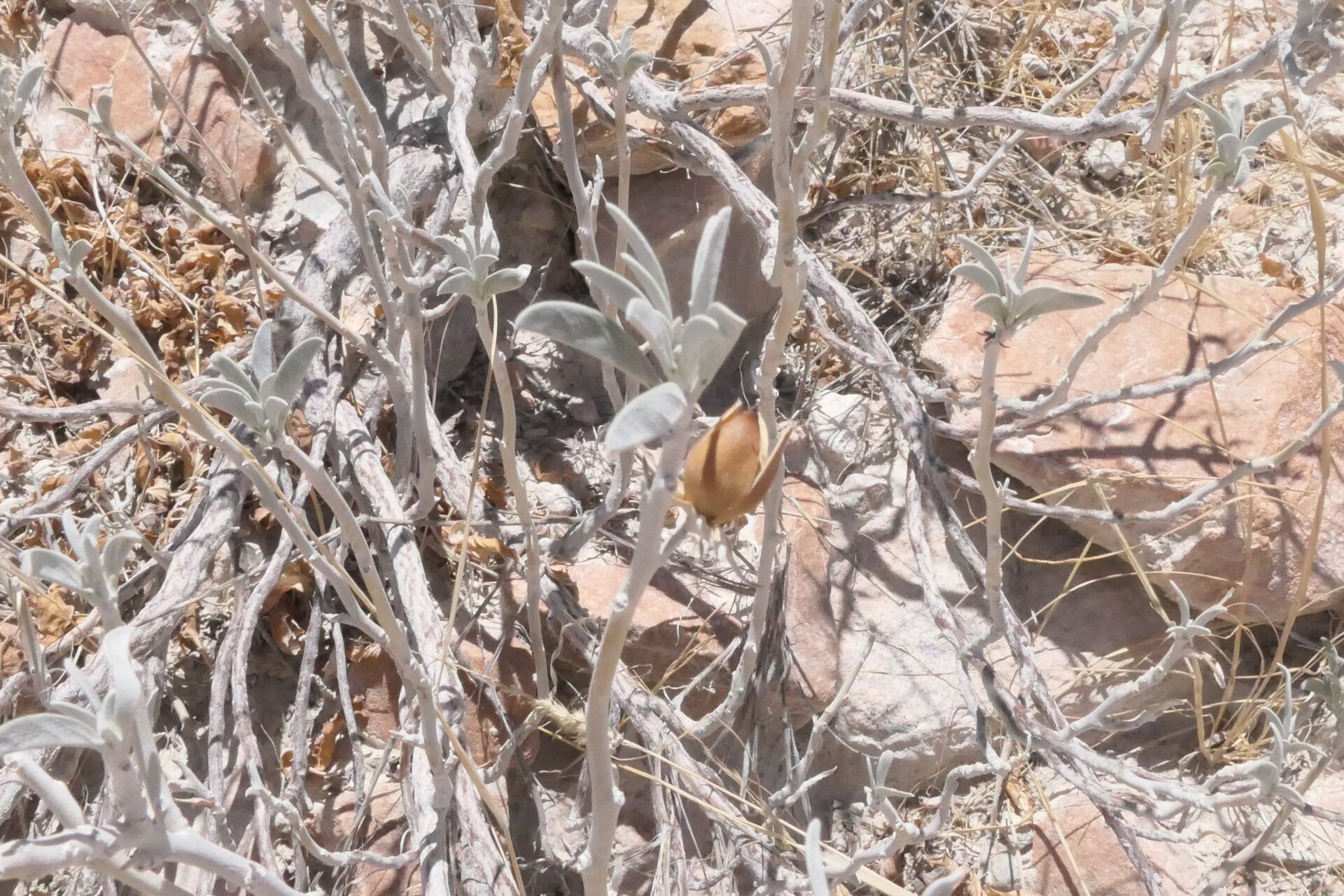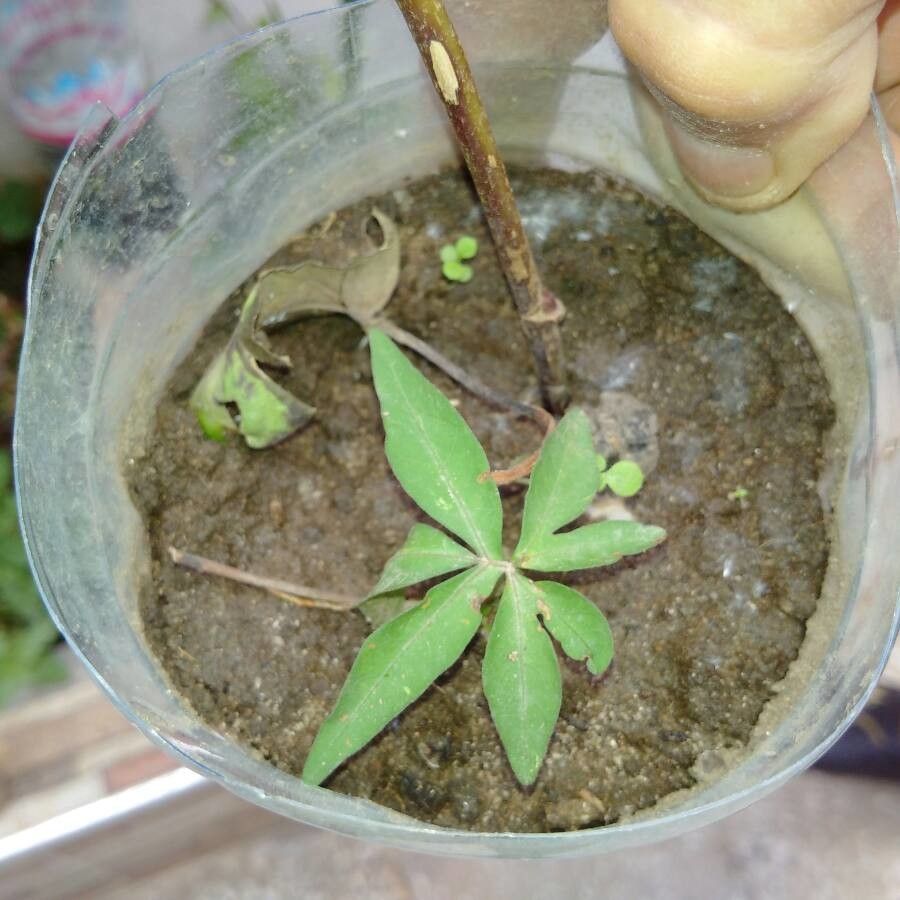
Ipomoea pubescens, the silky morning glory, is a species of flowering plant belonging to the family Convolvulaceae.
Silky morning glory has strong resistance to disease and typically does not develop many illnesses. Still, it can be vulnerable to pests and diseases found in its environment. Those infections tend to be mild. Regarding care, this plant needs a moderate amount of maintenance. It should be pruned on a regular basis to preserve a neat appearance and healthy growth. Applying fertilizer can also help encourage blooming. Silky morning glory is appropriate for anyone with outdoor space, such as a garden or patio, and does not demand extensive gardening experience. It may need more attention if kept indoors.
How to keep Ipomoea Pubescens.
Light
Silky morning glory is a perennial herbaceous plant that prefers sunny locations and is native to open habitats, frequently flourishing in meadows and grasslands. It favors full sun exposure but can also tolerate partial sun.
Water
Silky morning glory thrives in moist soil, so it's important to water it whenever the surface feels dry, making sure the water is fully absorbed. Proper watering encourages fast growth. On hot summer days, water the plant 1-2 times a day, ideally in the morning and late afternoon, to minimize evaporation. Avoid watering at noon.
Temperature
Silky morning glory comes from tropical areas, where the climate is generally warm and humid. Because of this, it is well adapted to high temperatures and humidity. It does not tolerate sudden temperature changes and prefers a stable thermal environment, so it's important to avoid temperature fluctuations indoors. It usually can't endure cold temperatures and requires higher temperatures for growth. If the surrounding temperature falls too low, the plant may stop growing or even die.
Fertilizer
Appropriate fertilization is essential for Silky morning glory's health and appearance. Fertilize Silky morning glory in summer, applying it once each month throughout the season. Nutrients power growth and support the plant's tissues. Fertilizing improves Silky morning glory's floral display, helping produce the best blooms.
Pruning
Silky morning glory has velvety leaves and trumpet-shaped flowers, and it requires pruning in early spring. To promote healthy growth, remove any dead stems and trim back overgrown branches to improve shape and air circulation. Avoid heavy pruning during peak blooming to maintain the plant’s vigor and aesthetic appeal.
Botanical profile.
- Plant Type
- Herb, Vine
- Life Cycle
- Perennial
- Genus
- Ipomoea
- Family
- Convolvulaceae
- Hardiness Zone
- 9-11
- Mature Height
- 2.13 m to 3.96 m
- Mature Spread
- 0.91 m to 2.13 m
- Leaf Color
- Green, Dark Green
- Leaf Type
- Deciduous
- Flower Color
- White
- Flower Size
- 5.08 cm to 6.35 cm
- Bloom Time
- Summer, Fall
- Planting Time
- Spring, Summer, Autumn
- Harvest Time
- Late summer, Fall, Early winter
- Native Area
- Colombia, Mexico, Bolivia, Peru
Other names.
Reader questions.
What are the sunlight requirements for Silky morning glory (Ipomoea pubescens)?
Silky morning glory (Ipomoea pubescens) thrives under specific sunlight conditions to ensure optimal growth and health. It requires 'full sun,' which means it should receive above 6 hours of sunlight daily to flourish properly. Additionally, it can also tolerate 'partial sun,' defined as about 3-6 hours of sunlight each day. It's vital to observe how sunlight traverses your garden throughout the day. By selecting areas that offer a harmonious balance of light and shade, you ensure the well-being of your Silky morning glory, letting it thrive in its ideal conditions.
What is Silky Morning Glory?
Silky Morning Glory, known botanically as Ipomoea pubescens, is a plant species. Unfortunately, we do not have detailed information about its characteristics, essentials, or common symptoms associated with it as the provided data does not include these specifics.