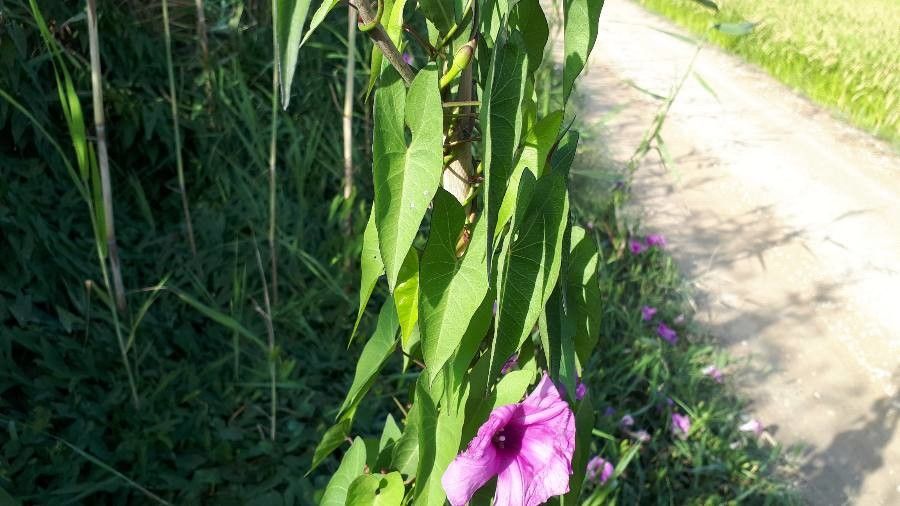
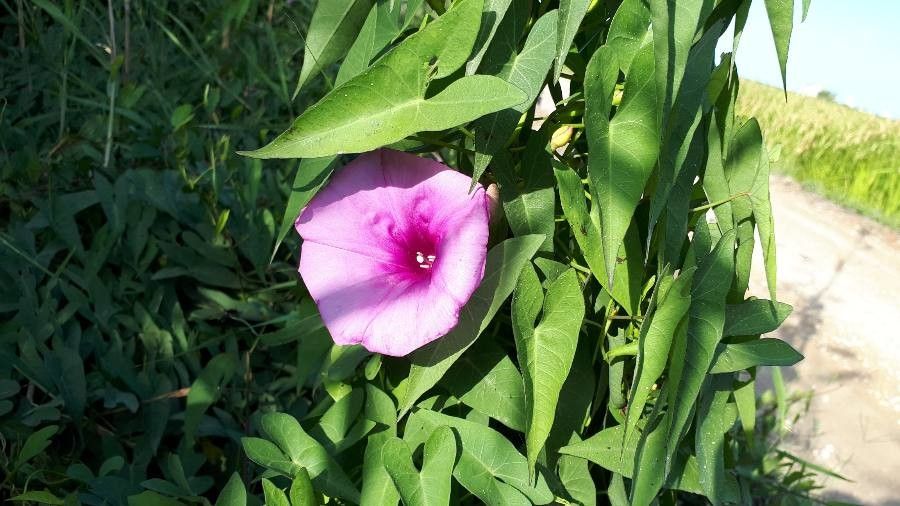
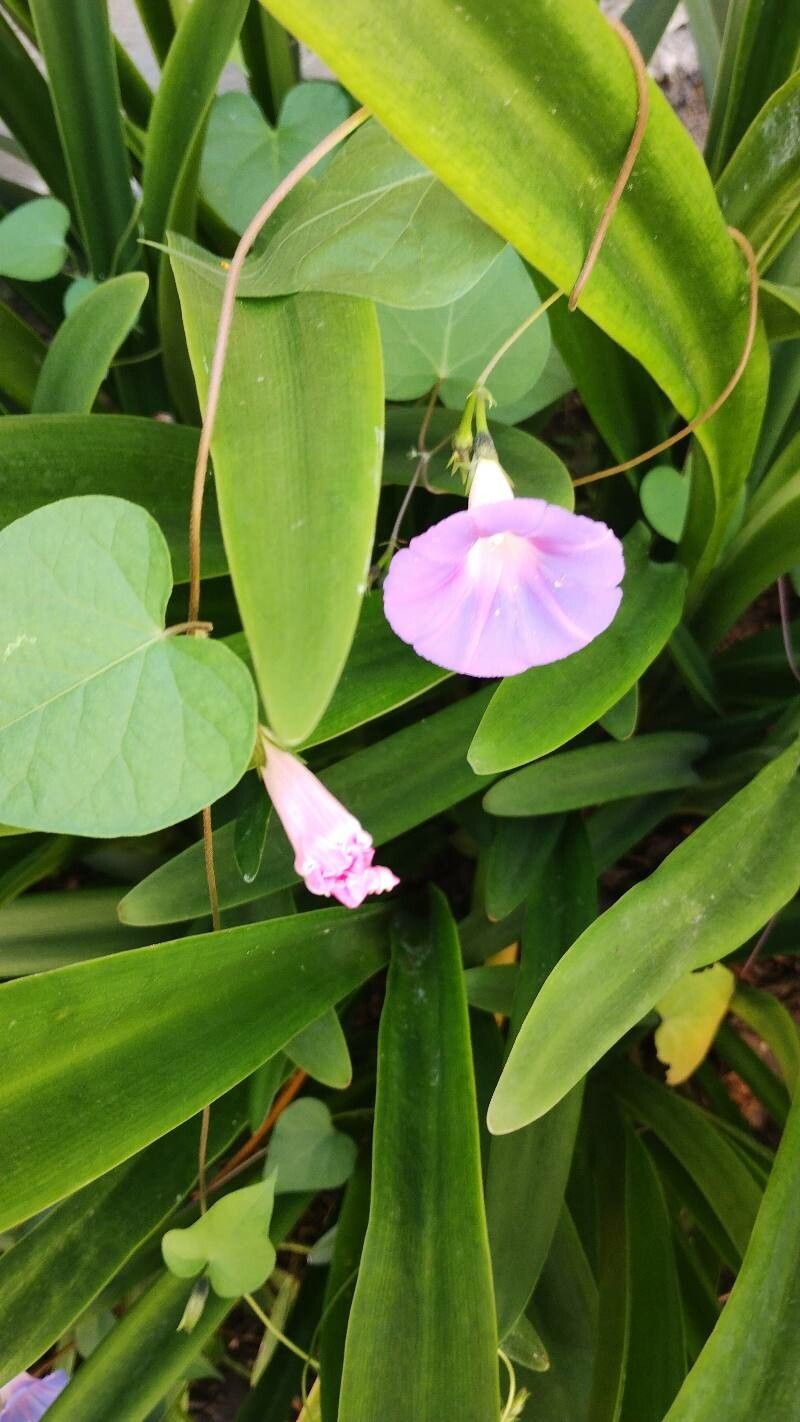
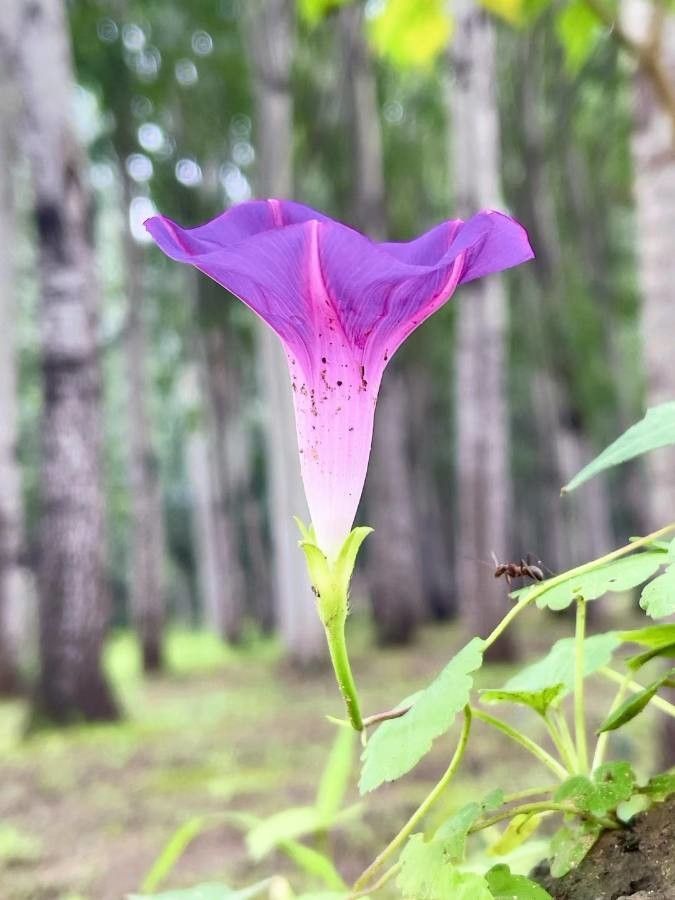
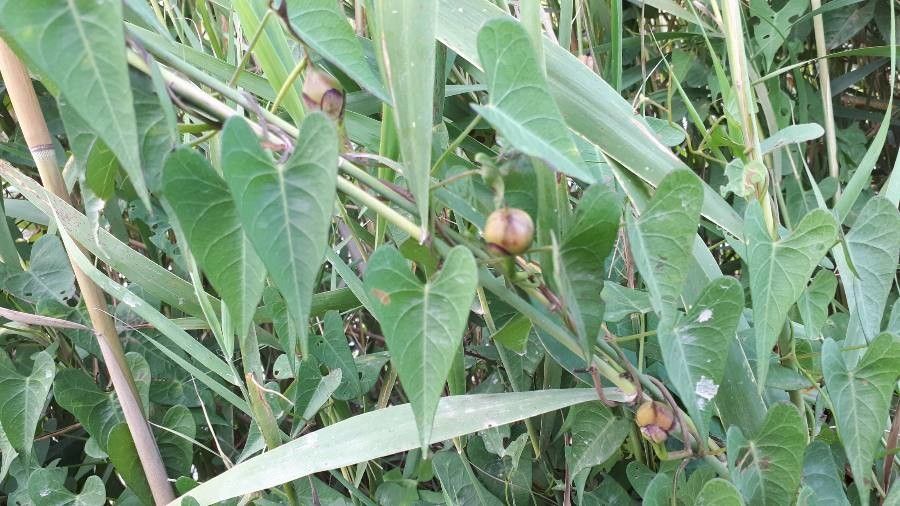
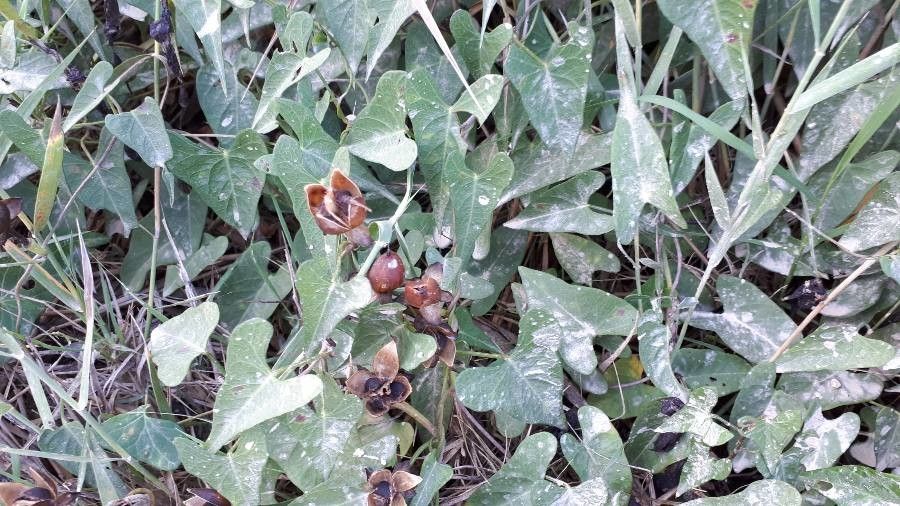
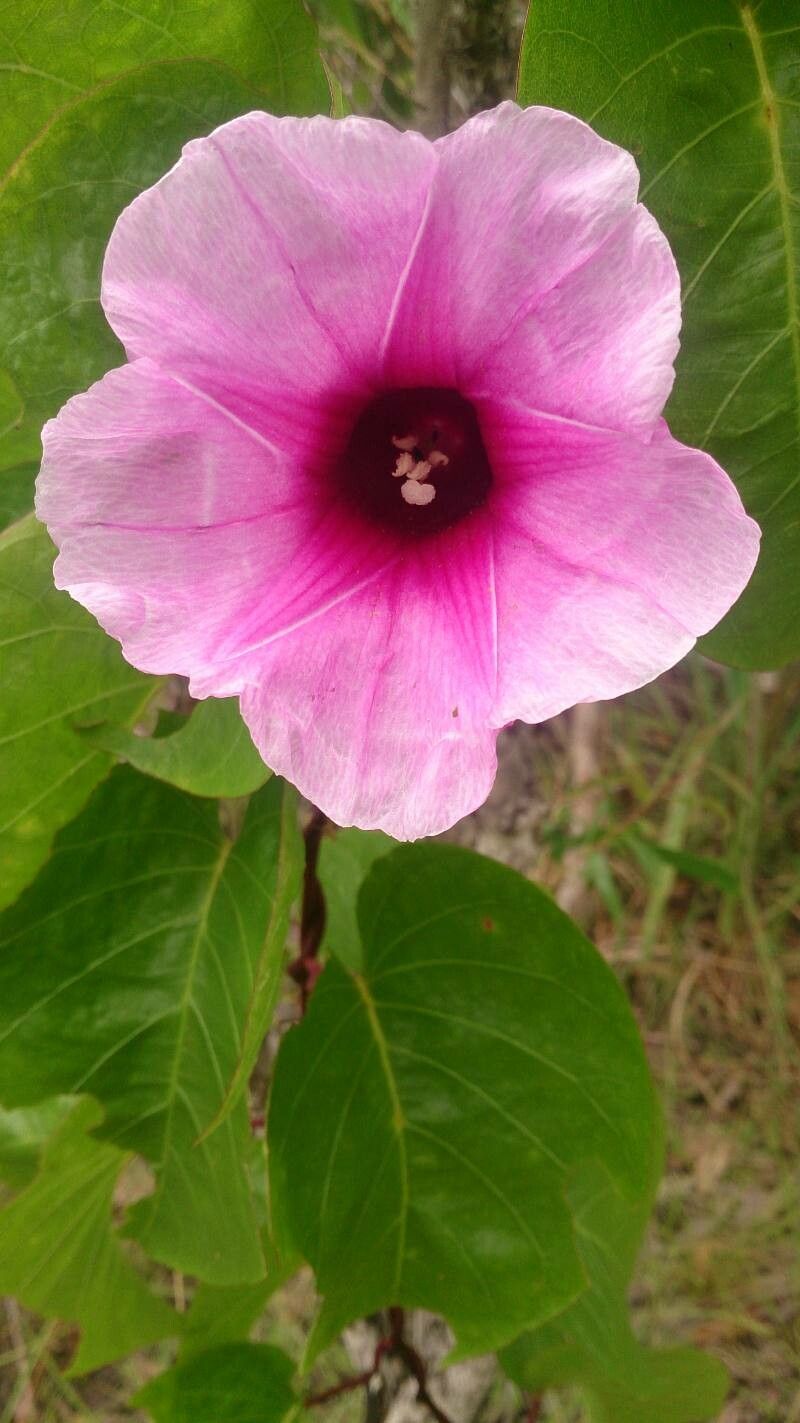
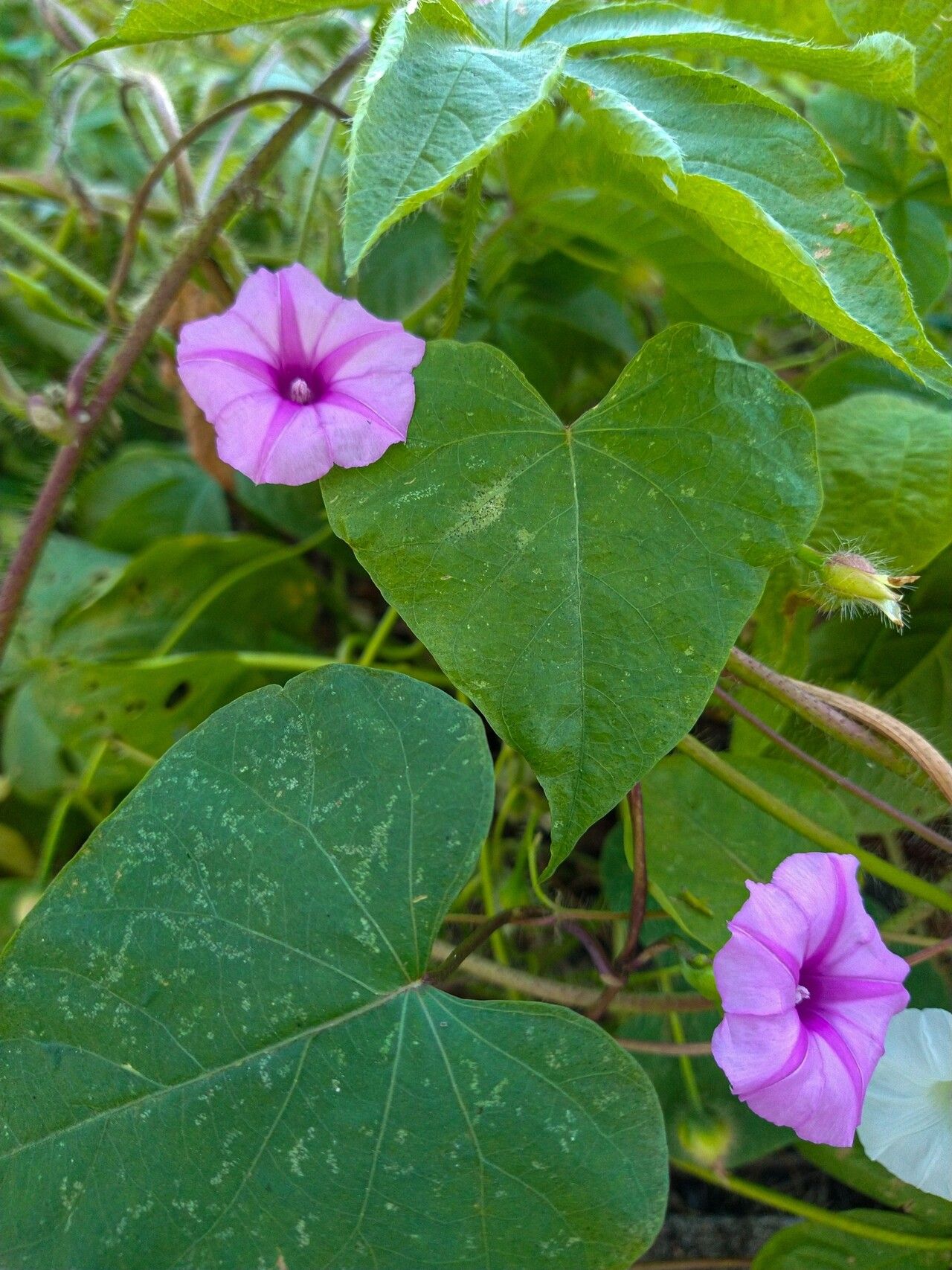
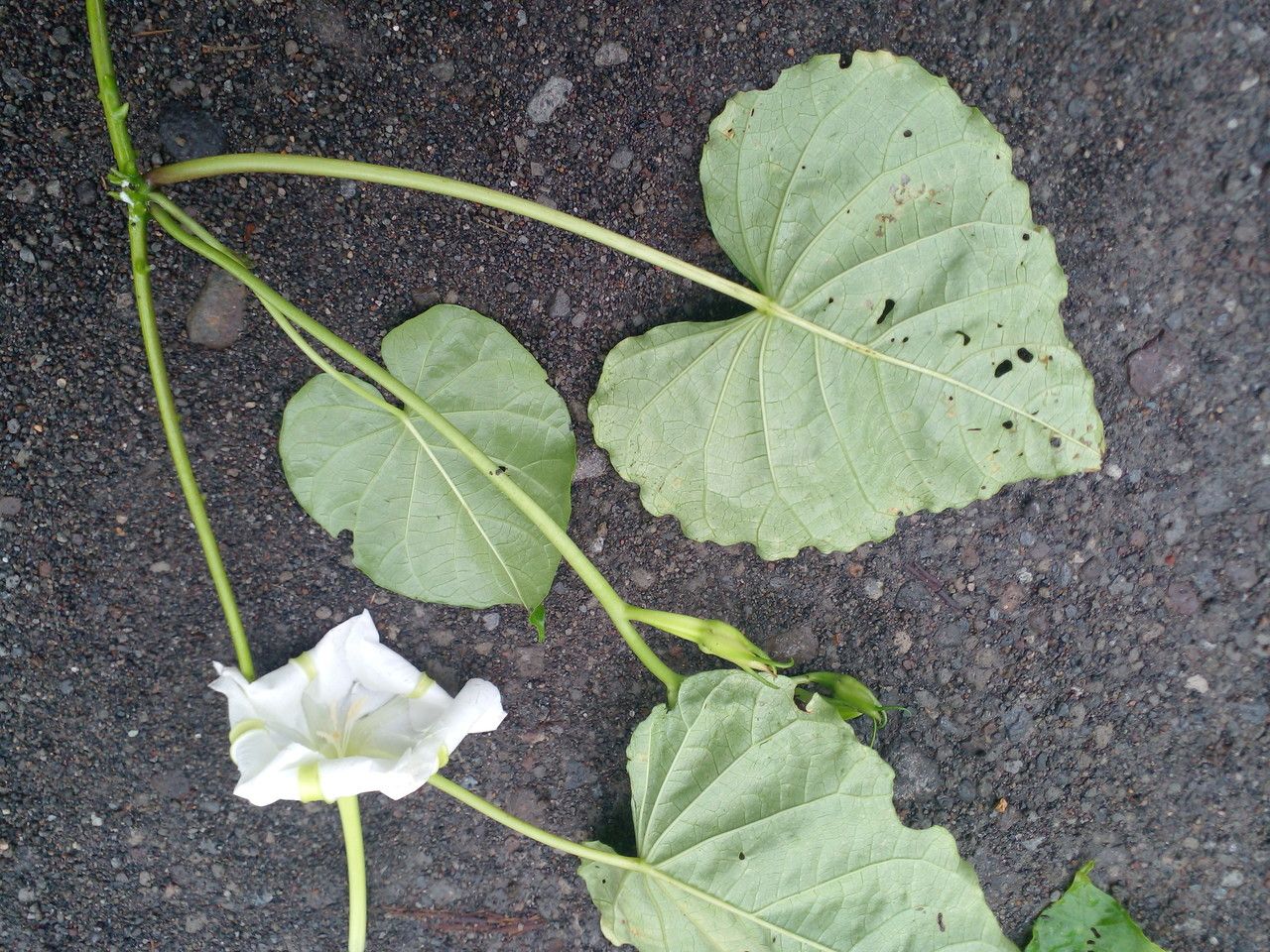
Ipomoea sagittata, commonly called the saltmarsh morning glory, is a species of flowering plant in the morning glory family. It is native to the Caribbean, Mexico, and the Southeastern United States where it is found in coastal areas. It has been introduced in the Mediterranean Basin at least since the 17th century as a result of seeds transported in ship ballast soil, the ornamental trade or its uses in medicine. This species can be found in the wild in thickets on barrier islands, the edges of salt marshes, and in hammocks.
Saltmarsh morning-glory is fairly disease-resistant and generally not prone to illnesses. That said, it can be vulnerable to pests and diseases present in its environment. When infections do occur, they are usually mild. Regarding care, this plant requires moderate maintenance. It should be pruned regularly to maintain a neat appearance and healthy growth. Fertilizing can also encourage flowering. Saltmarsh morning-glory is appropriate for anyone with an outdoor area, such as a garden or patio, and does not demand extensive gardening experience. It may need more attention if grown indoors.
How to keep Ipomoea Sagittata.
Light
Saltmarsh morning-glory requires strong sunlight to grow well but can tolerate less intense sun. Native to very sunny habitats, its growth can be slowed by insufficient light, while excessive sun is usually not harmful.
Water
The Saltmarsh morning-glory thrives in humid wetland habitats and requires regular weekly watering. It balances its preference for moisture with some drought resistance and flourishes outdoors in natural light. For optimal growth, the surrounding soil should replicate its native moist conditions.
Temperature
Saltmarsh morning-glory is native to areas where temperatures range from 41 to 95°F (5 to 35℃). It prefers cooler conditions but can tolerate heat up to 95°F (35℃). Across seasons, its environment should be adjusted to replicate that temperature range.
Fertilizer
The best time to fertilize a Saltmarsh morning-glory is in early spring, when it comes out of dormancy and starts active growth. Fertilizing supplies essential nutrients for healthy development. Although Saltmarsh morning-glory has relatively low fertilizer requirements, an annual application can improve its survival and encourage better, longer-lasting flowers.
Pruning
The saltmarsh morning-glory is a climbing, perennial herb that thrives with regular pruning from early to late spring. To maintain its shape and improve air circulation, remove dead stems and trim back vigorous shoots. Be sure to use clean, sharp tools for cutting, and avoid heavy pruning during peak growth periods to minimize stress on the plant.
Botanical profile.
- Plant Type
- Herb, Vine
- Life Cycle
- Perennial
- Genus
- Ipomoea
- Family
- Convolvulaceae
- Hardiness Zone
- 5-9
- Mature Height
- 2.44 m to 3.05 m
- Mature Spread
- 0.91 m to 2.13 m
- Leaf Color
- Green, Dark Green
- Leaf Type
- Deciduous
- Flower Color
- Pink
- Flower Size
- 2.54 cm to 7.62 cm
- Bloom Time
- Summer, Early fall, Mid fall
- Planting Time
- Spring, Summer
- Harvest Time
- Late summer, Fall, Early winter
- Native Area
- Bahamas, Belize, Cuba, Mexico, Guatemala, Jamaica
Other names.
Reader questions.
How should I water my Saltmarsh morning-glory plant?
To properly water the Saltmarsh morning-glory, follow these steps: 1. Use filtered water at room temperature: Tap water can have harmful particles, so filtered water is best. 2. Avoid cold water: The Saltmarsh morning-glory is used to warm environments, so cold water can be a shock to its system. 3. Do not overhead water: Instead, pour the filtered room temperature water directly onto the soil. 4. Soak the soil: Make sure the water completely soaks the soil. This helps moisturize the roots and allows them to spread and absorb necessary nutrients.
What are the sunlight requirements for Saltmarsh morning-glory?
Saltmarsh morning-glory requires significant sunlight exposure for optimal growth, thriving in full sun conditions, which amounts to over 6 hours of direct sunlight daily. It can also tolerate partial sun, receiving about 3-6 hours of sunlight. If you’re gardening, observe how sunlight moves through your space to find spots that offer a good mix of light and shade, ensuring the best conditions for your plants.
What is the origin and preferred temperature range of Saltmarsh morning-glory?
Saltmarsh morning-glory, with its botanical name Ipomoea sagittata, originates from regions that experience temperature ranges of 41 to 95°F (5 to 35°C). It is adaptable to cooler climates but can also withstand temperatures up to 95°F (35°C). To ensure the plant thrives, it is advisable to adjust its environment across different seasons to maintain this temperature range.
What should I do if I give my Saltmarsh morning-glory too much water or not enough?
Overwatering is a more common issue for Saltmarsh morning-glory than underwatering. When this plant receives too much water, its stems and leaves may wilt and turn yellow. Overwatering for a long time can also lead to diseases like root rot, mold, and mildew that can kill the plant. Underwatering is less common because the plant has good drought tolerance. However, if underwatering occurs, the leaves may become brittle and brown. It's important to notice signs of overwatering quickly. Some diseases caused by overwatering, like root rot, may not be fixable if you wait too long. If you see early signs of overwatering, reduce watering immediately and check the soil's drainage. Replace poorly draining soil with a loose, well-draining potting mix. If your plant shows signs of underwatering, simply water more regularly until the signs go away.
How does Saltmarsh morning-glory react to different light conditions?
Originating in sunny habitats, Saltmarsh morning-glory prefers heavy exposure to sunlight. While it can manage in less intense sun, inadequate lighting may hamper its growth, but excessive sunlight rarely is a problem. For indoor growth where natural light may not be sufficient, especially in winter, artificial lighting can be crucial. Use LED lights or other suitable artificial lights, adjusting according to the plant's specific needs in terms of wattage per square foot, distance from the plant, and daily duration of exposure to mimic natural sunlight conditions.
How does Saltmarsh morning-glory handle cold weather and what are the recommended cold protection measures?
Saltmarsh morning-glory exhibits strong cold resistance, generally eliminating the need for special frost protection measures during winter. However, if winter temperatures are forecasted to plunge below -25°C, it becomes crucial to provide cold protection. This is typically done by covering the plant with insulation materials such as soil or straw. Additionally, watering the plant abundantly before the first freeze in autumn to keep the soil moist is recommended, as it helps prevent the plant from drought and ensures it has access to water during winter and early spring.
How frequently should I water my Saltmarsh morning-glory?
If your Saltmarsh morning-glory is in a pot, you can check if it needs water by sticking your finger in the soil. If the top two to three inches are dry, it's time to water. If your plant is in the ground, you can use the same method. When the top few inches of soil are dry, it's time to add water. In the spring and early fall, you'll typically need to water this plant once a week. During very hot weather, you may need to water it twice or more per week. However, mature Saltmarsh morning-glory plants are quite resilient to drought.
What are the signs of inadequate lighting for Saltmarsh morning-glory, and how can it be addressed?
Poor lighting conditions can cause several symptoms in Saltmarsh morning-glory, such as smaller new leaves, leggy or sparse growth, premature leaf drop, stunted or halted growth, and discoloration including paler new leaves or chlorosis. Sunscald, leaf curling, wilting, and leaf scorching are also issues that can arise from too much sunlight. To mitigate these issues, gradually acclimate your plant to receive at least 6 hours of direct sunlight a day. For indoor plants, using a south-facing window or supplementing with artificial light for at least 8 hours a day can help. Outdoors, shifting your plant to brighter spots gradually is key. If sunlight is blocked by obstacles, consider pruning or relocating plants to ensure sufficient sunlight exposure.
What are the key symptoms and solutions for Saltmarsh morning-glory in low temperatures?
Saltmarsh morning-glory is cold-tolerant, ideally thriving at temperatures above 5°C and should remain above -20°C during the winter. When temperatures drop below -25°C, although there may not be noticeable changes during the winter, the plant may experience decreased sprouting or fail to sprout in spring. The recommended solution for this issue is to remove any parts of the plant that have failed to sprout in spring.
How much water does my Saltmarsh morning-glory require?
When it's time to water your Saltmarsh morning-glory, don't be afraid to give it a good amount of water. Make sure the top two to three inches of soil are dry, and then water the plant thoroughly. The goal is to saturate the soil completely, so that excess water can flow out of the drainage holes at the bottom of the pot. If you don't see any water draining from the pot, it means you haven't watered enough. However, be careful not to let the water accumulate in the soil, as this can be harmful to the plant. On the other hand, if no water is draining from the pot, it could mean that the soil doesn't drain well, which can negatively impact the plant's health. If the plant is outside, one inch of rain per week should be enough.
What are the symptoms of Saltmarsh morning-glory experiencing high temperatures and how can they be mitigated?
In high temperatures, particularly during summer when temperatures should ideally remain below 35°C, Saltmarsh morning-glory may show signs of distress such as leaves becoming lighter in color, curling, susceptibility to sunburn, and in severe cases, wilting and drying up. To alleviate these symptoms, trim away the sunburned and dried parts of the plant. Moving the plant to a shaded location or using a shade cloth to protect it from the midday and afternoon sun can be effective. Additionally, watering the plant in the morning and evening to maintain soil moisture is advised.
How do I water my Saltmarsh morning-glory when it's growing at different stages?
The water needs of the Saltmarsh morning-glory can vary depending on its growth stages. When the plant is young or has been recently transplanted, it requires more water than usual. During these stages, the plant focuses on developing new roots that will support future growth, and these roots perform best with a bit more moisture. As the plant matures, it will require less water. Another stage that may require increased watering is during the blooming period, as flower development uses a significant amount of moisture.