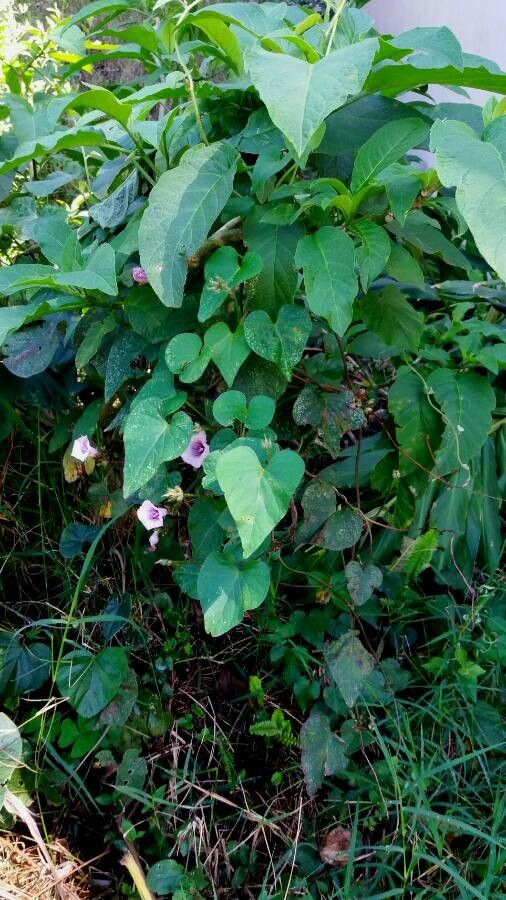
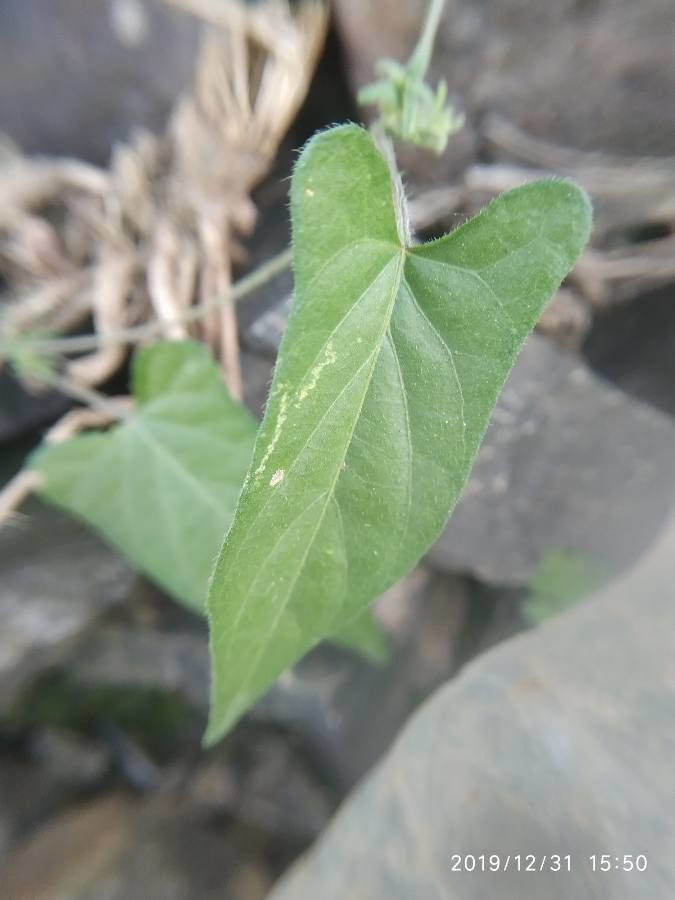
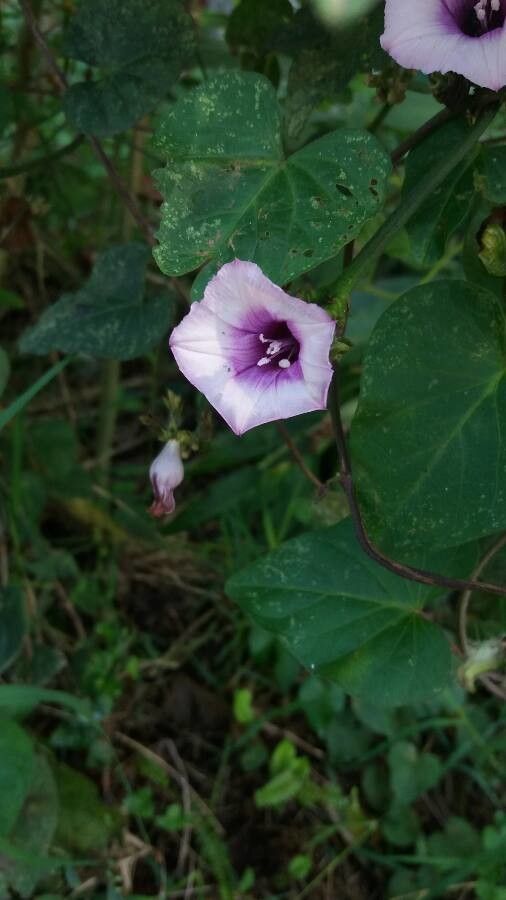
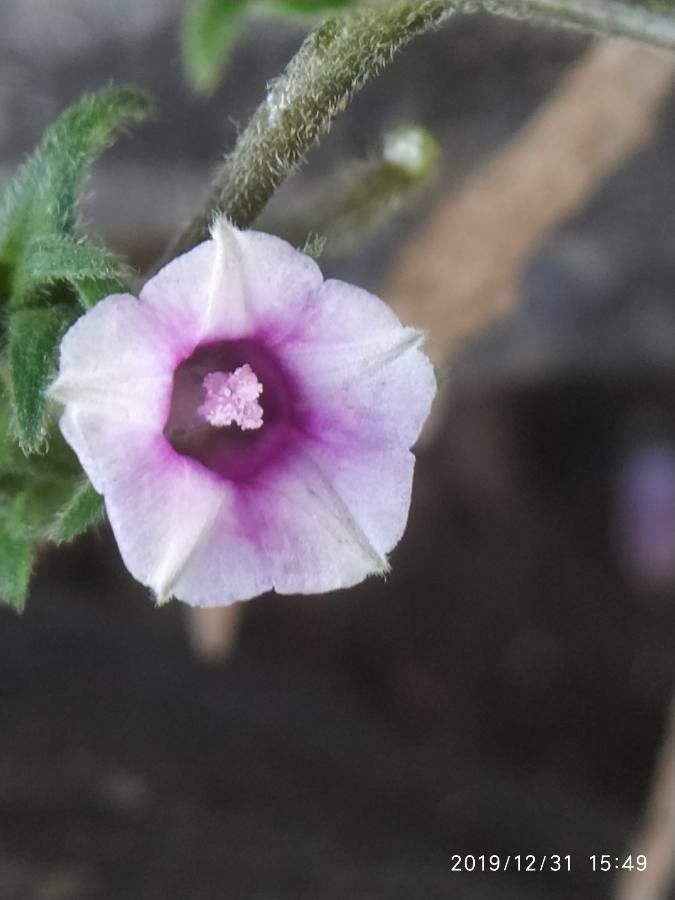
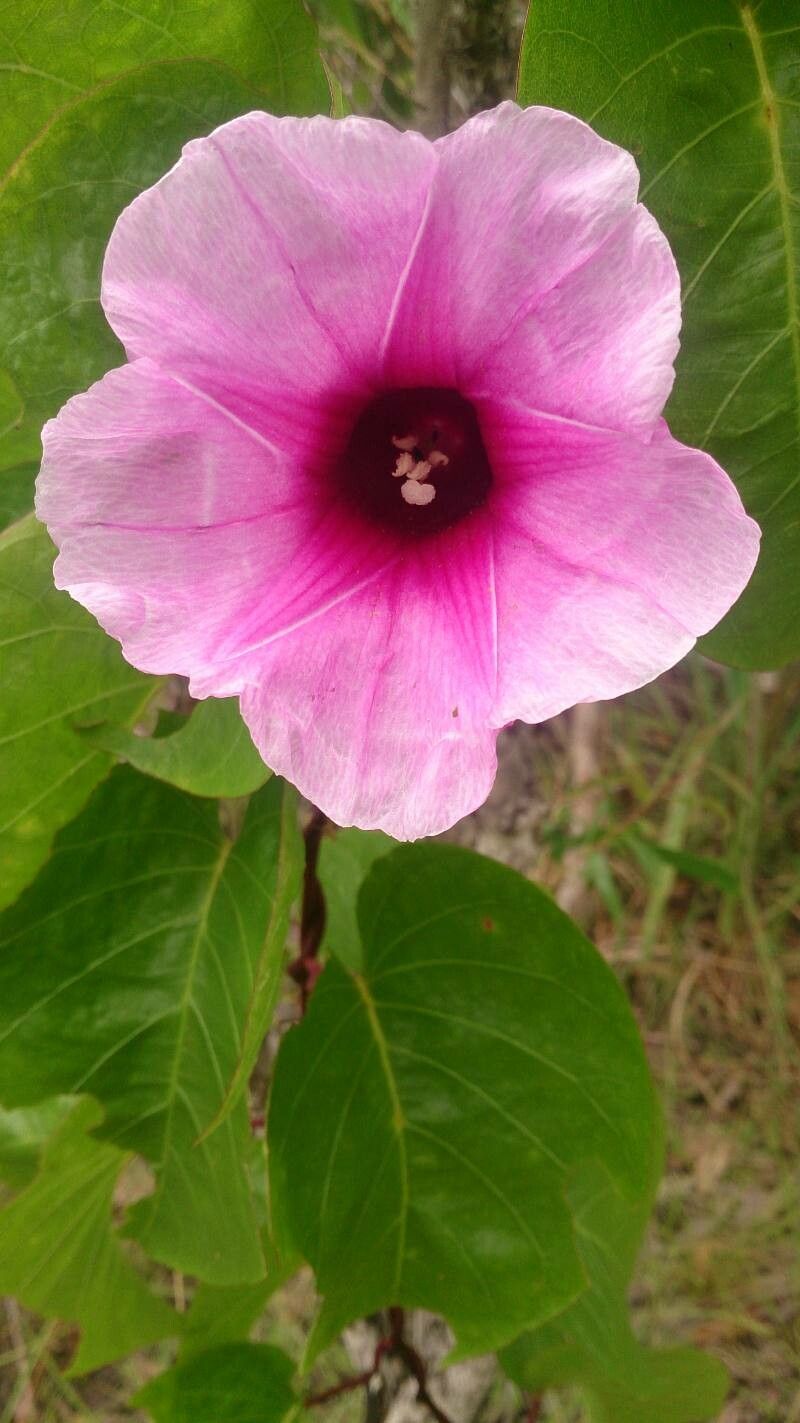
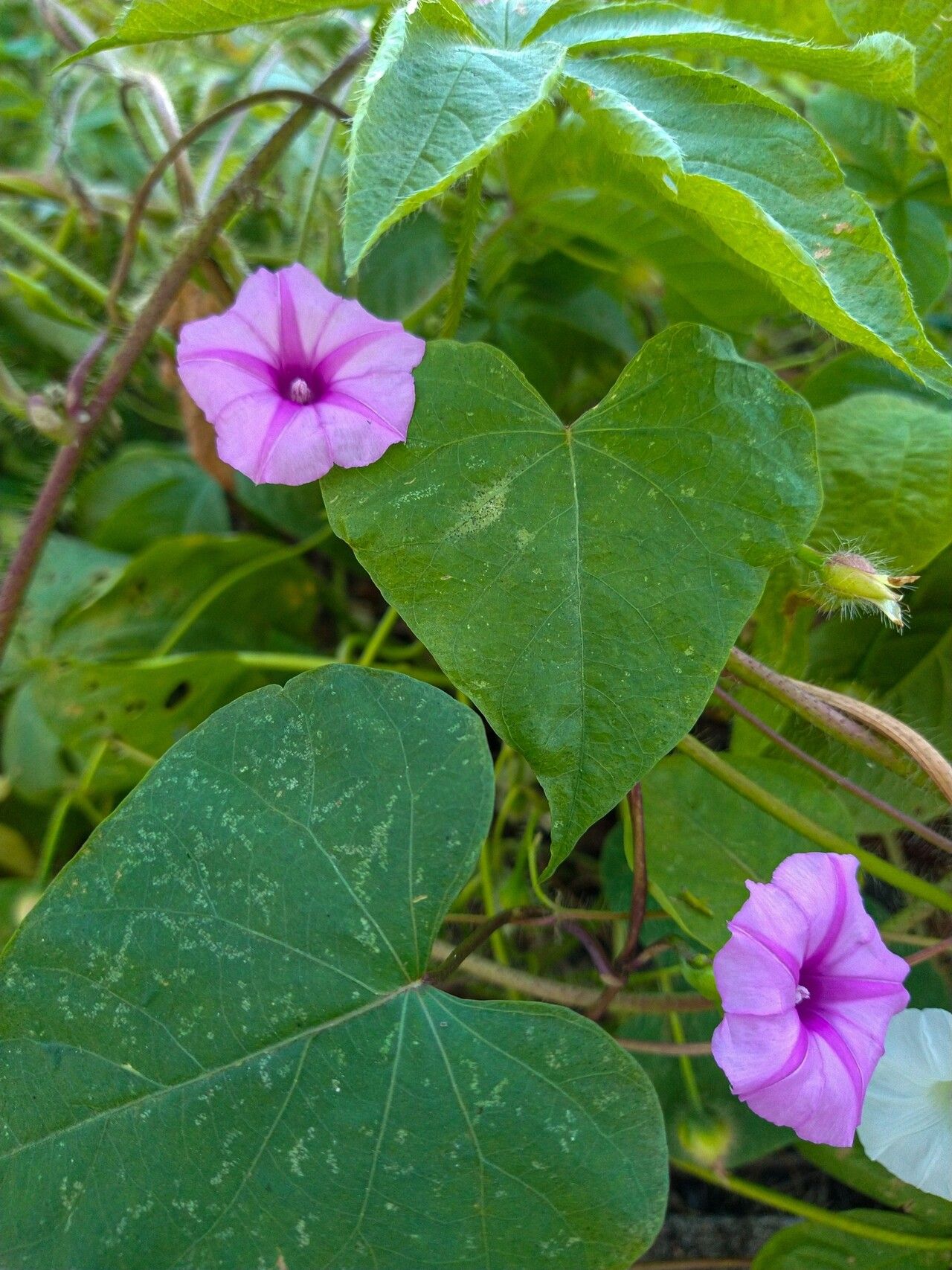
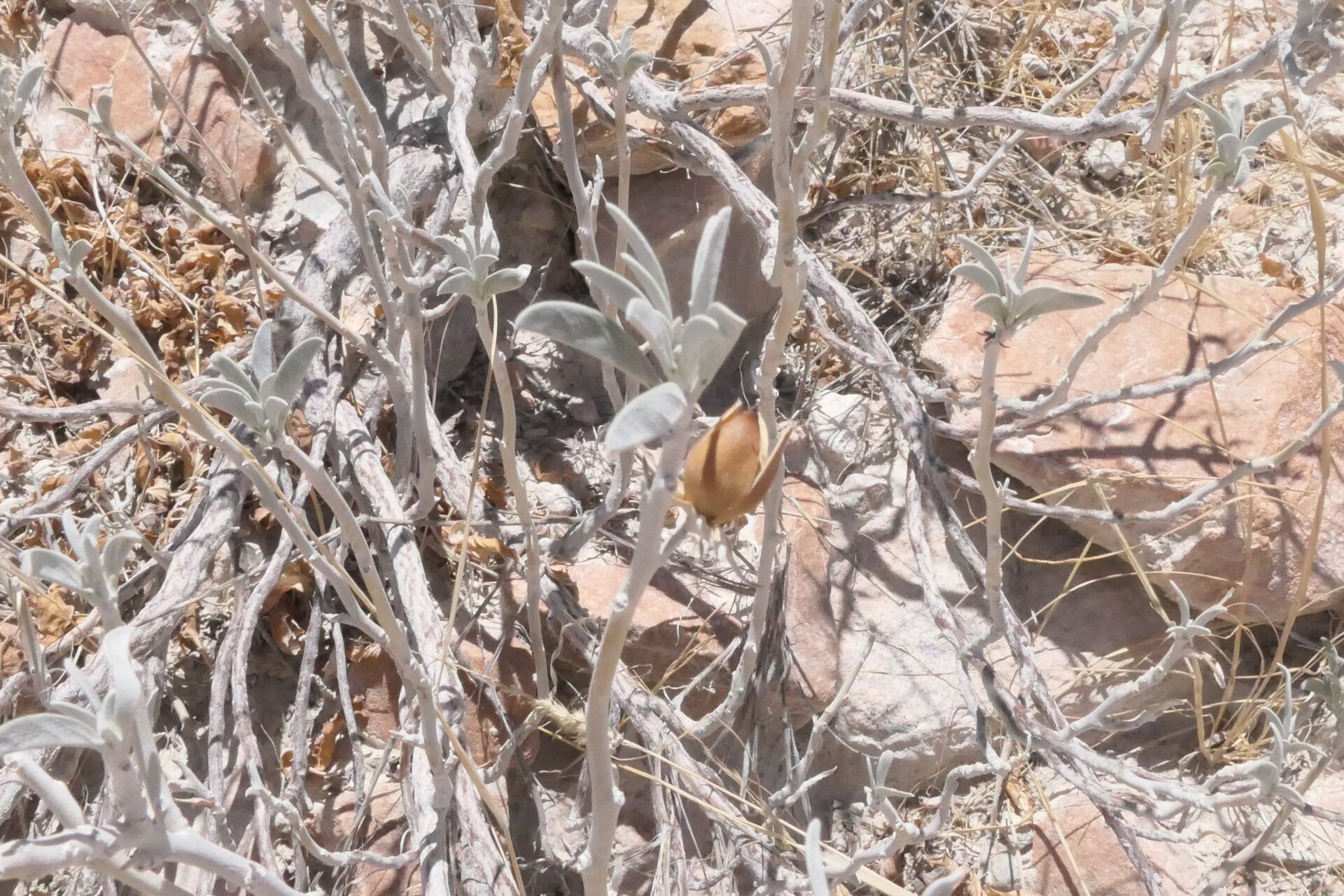
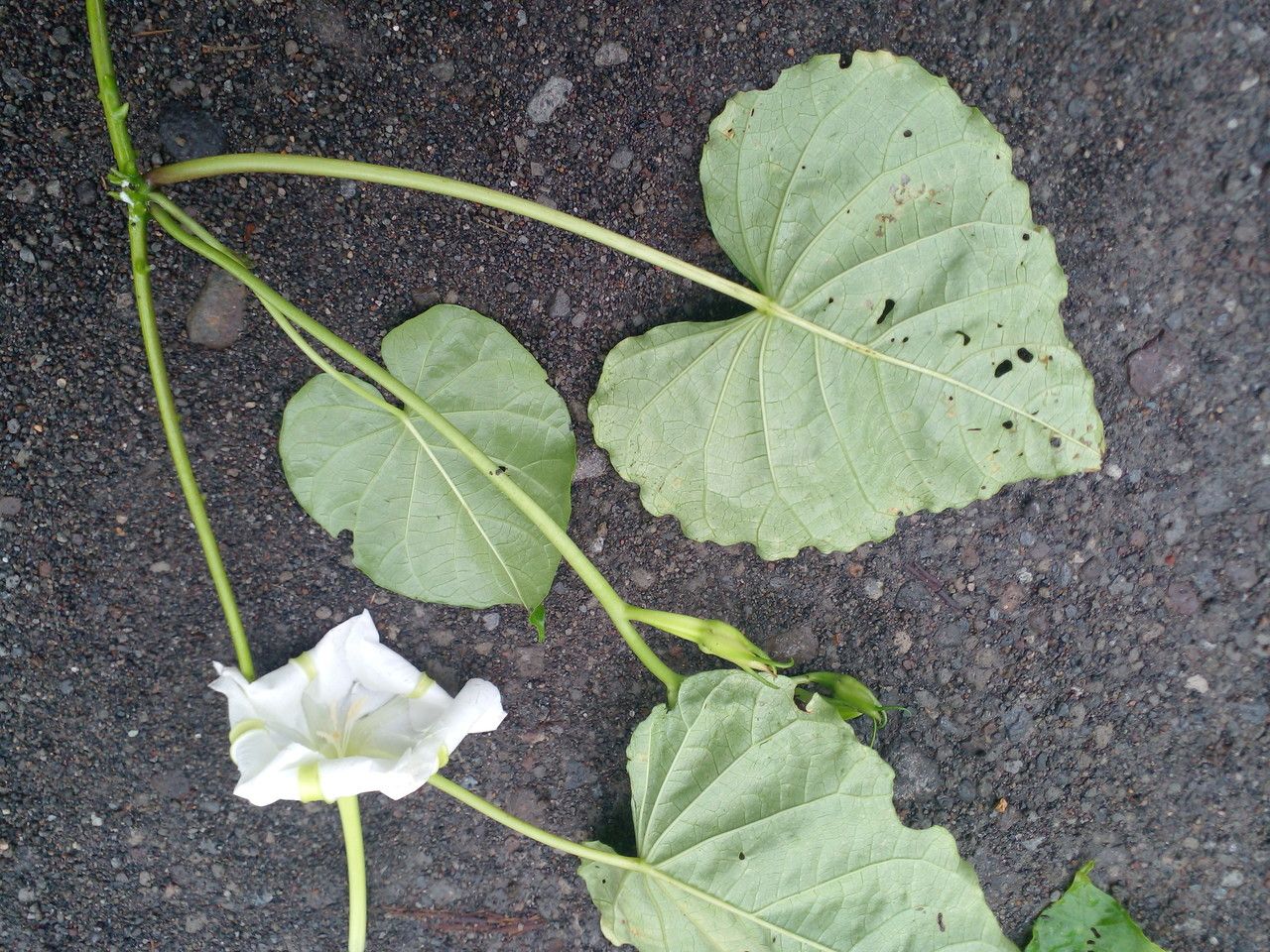
Ipomoea trifida is a species of Ipomoea morning glory also known as the threefork morning glory. It is native to the Caribbean, Mexico, and South America. I. trifida is known for being the closest living wild relative to I. batatas, or the common sweet potato, and is believed to have split from this relative at least 800,000 years ago. The roots of this plant are thin and inedible, while the flowers tend to be purple.
threefork morning glory has strong disease resistance and is generally not susceptible to illnesses. However, it can be affected by pests and diseases present in its surroundings, though these problems are usually mild. Regarding care, this plant is medium maintenance. It should be pruned regularly to maintain a neat appearance and support healthy growth. Fertilizing can also help encourage flowering. threefork morning glory is suitable for anyone with an outdoor area, such as a garden or patio, and does not require extensive care experience. It may need more attention when grown indoors.
How to keep Ipomoea Trifida.
Light
threefork morning glory is a sun-loving herbaceous perennial native to open habitats, commonly found in meadows and grasslands. It prefers full sun but can also tolerate partial sun conditions.
Water
Ipomoea trifida grows best in moist soil. To promote healthy growth, water the plant whenever the soil surface feels dry, making sure the water is fully absorbed. In the summer, it's ideal to water it 1-2 times a day—preferably in the morning or late afternoon. Avoid watering at noon, as high evaporation rates can reduce the effectiveness of watering at that time.
Temperature
Threefork morning glory comes from tropical areas, where the climate is generally warm and humid. Therefore it is well suited to high temperatures and humidity. It does not like sudden temperature changes and prefers a consistent temperature, so avoiding temperature fluctuations indoors is important. It typically cannot tolerate cold and needs warmer conditions to grow. If the temperature falls too low, the plant may stop growing or even die.
Fertilizer
Adequate fertilization is vital for threefork morning glory's health and appearance. Fertilize threefork morning glory during summer, repeating the application each month throughout the season. Nutrients supply energy for growth and support the plant's parts. Fertilization improves threefork morning glory's flower display, ensuring the best blooms.
Pruning
Ipomoea trifida benefits from early spring pruning, which removes dead stems and enhances air circulation. This practice increases flowering and vigor. However, be careful not to over-prune, as this can harm the plant. Consistent maintenance helps maintain a tidy appearance and promotes strong growth throughout the growing season.
Botanical profile.
- Plant Type
- Herb, Vine
- Life Cycle
- Perennial, Annual
- Genus
- Ipomoea
- Family
- Convolvulaceae
- Hardiness Zone
- 9-11
- Mature Height
- 2.13 m to 3.05 m
- Mature Spread
- 0.91 m to 2.13 m
- Leaf Color
- Green, Dark Green
- Leaf Type
- Deciduous
- Flower Color
- Pink, White, Purple
- Flower Size
- 3.05 cm to 5.08 cm
- Bloom Time
- Summer, Early fall, Mid fall
- Planting Time
- Spring, Summer, Autumn
- Harvest Time
- Late summer, Fall, Early winter
- Native Area
- Colombia, Belize, Cuba, Honduras, Mexico, Guatemala, Venezuela, El Salvador, Nicaragua, Ecuador, Costa Rica, Panama
Other names.
Reader questions.
What are the sunlight requirements for Ipomoea trifida?
Ipomoea trifida, also known by its botanical name Ipomoea trifida, thrives in conditions that meet specific sunlight requirements. For optimal growth, the plant needs full sun, which means it should receive above 6 hours of sunlight daily. However, it can also grow well in partial sun, with about 3 to 6 hours of sunlight each day. It's essential to observe the sunlight's movement through your garden to find spots that offer the ideal mix of light and shade, ensuring your plants grow happily and healthily. Taking the time to understand and meet these sunlight needs will contribute significantly to the success of your Ipomoea trifida plants.
What is the botanical name of Ipomoea trifida?
The botanical name of Ipomoea trifida is Ipomoea trifida.