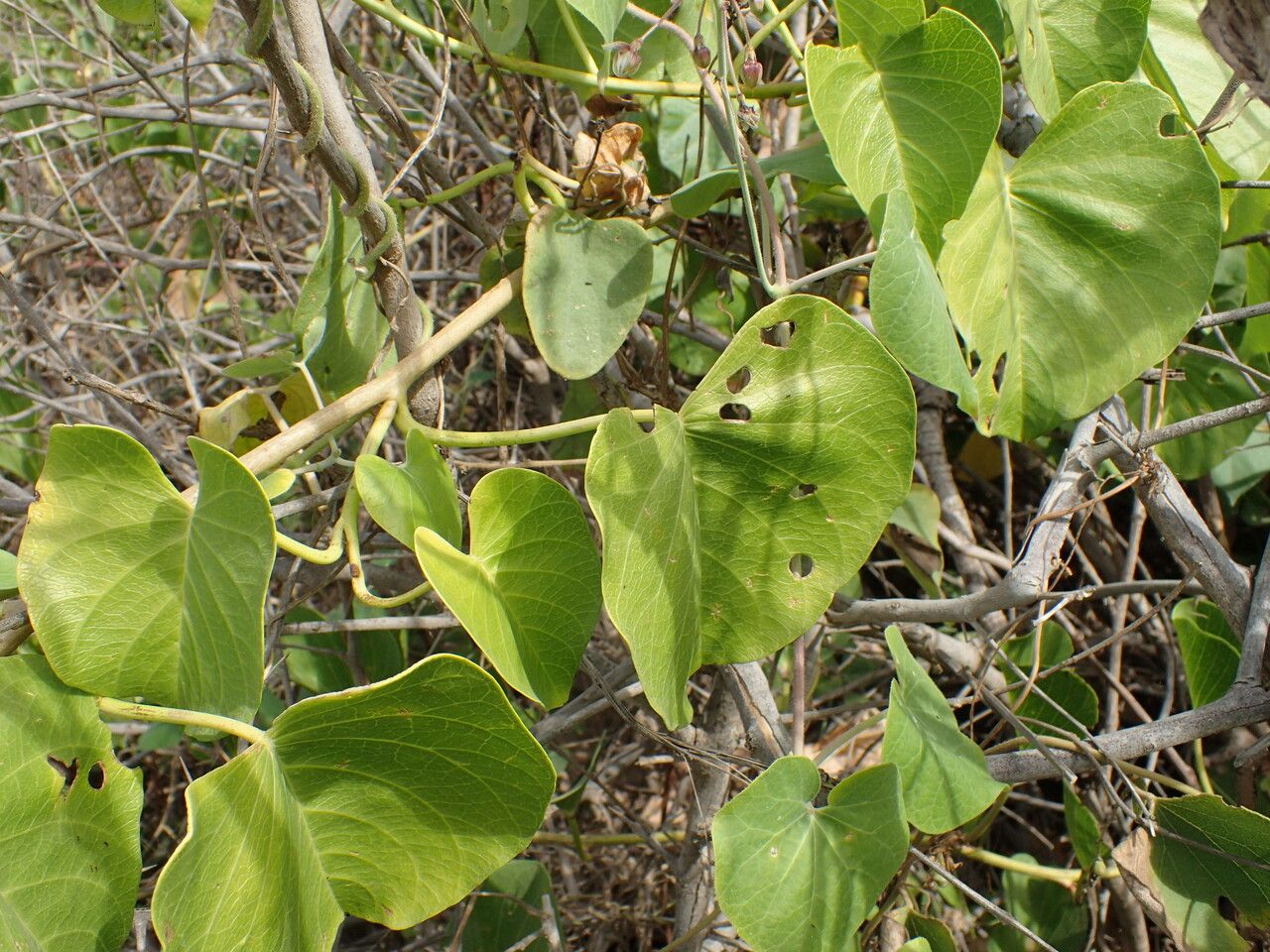
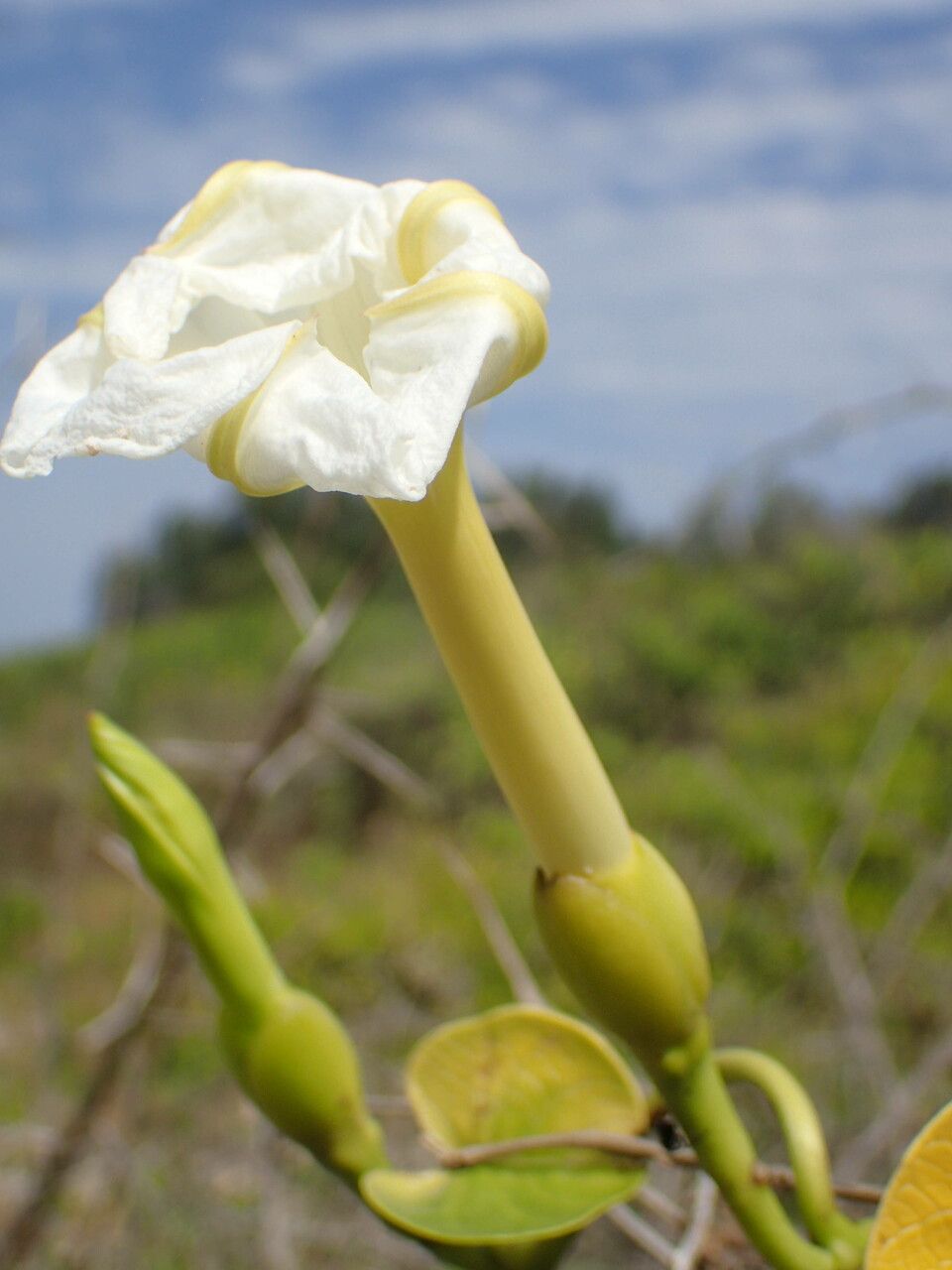
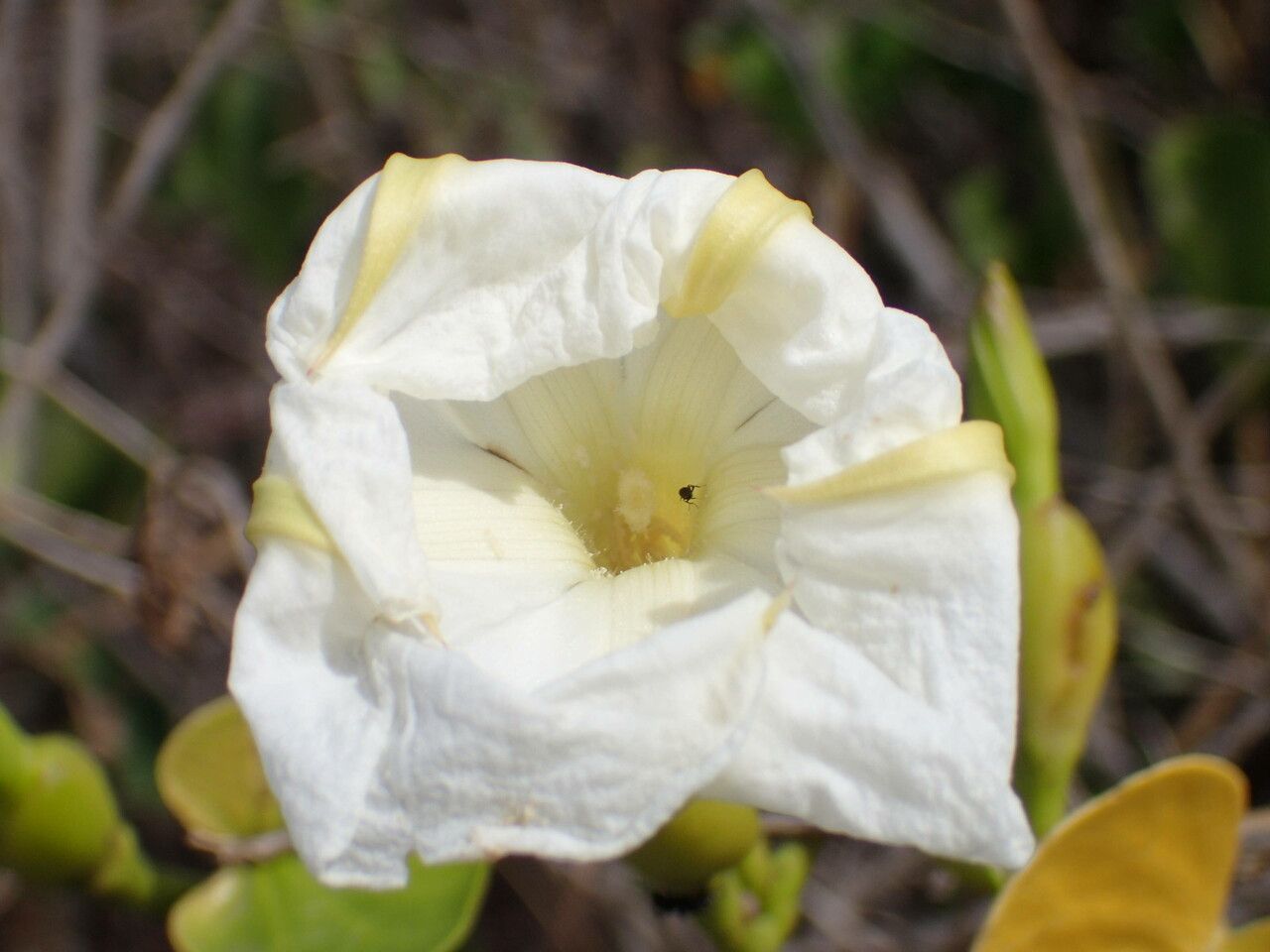
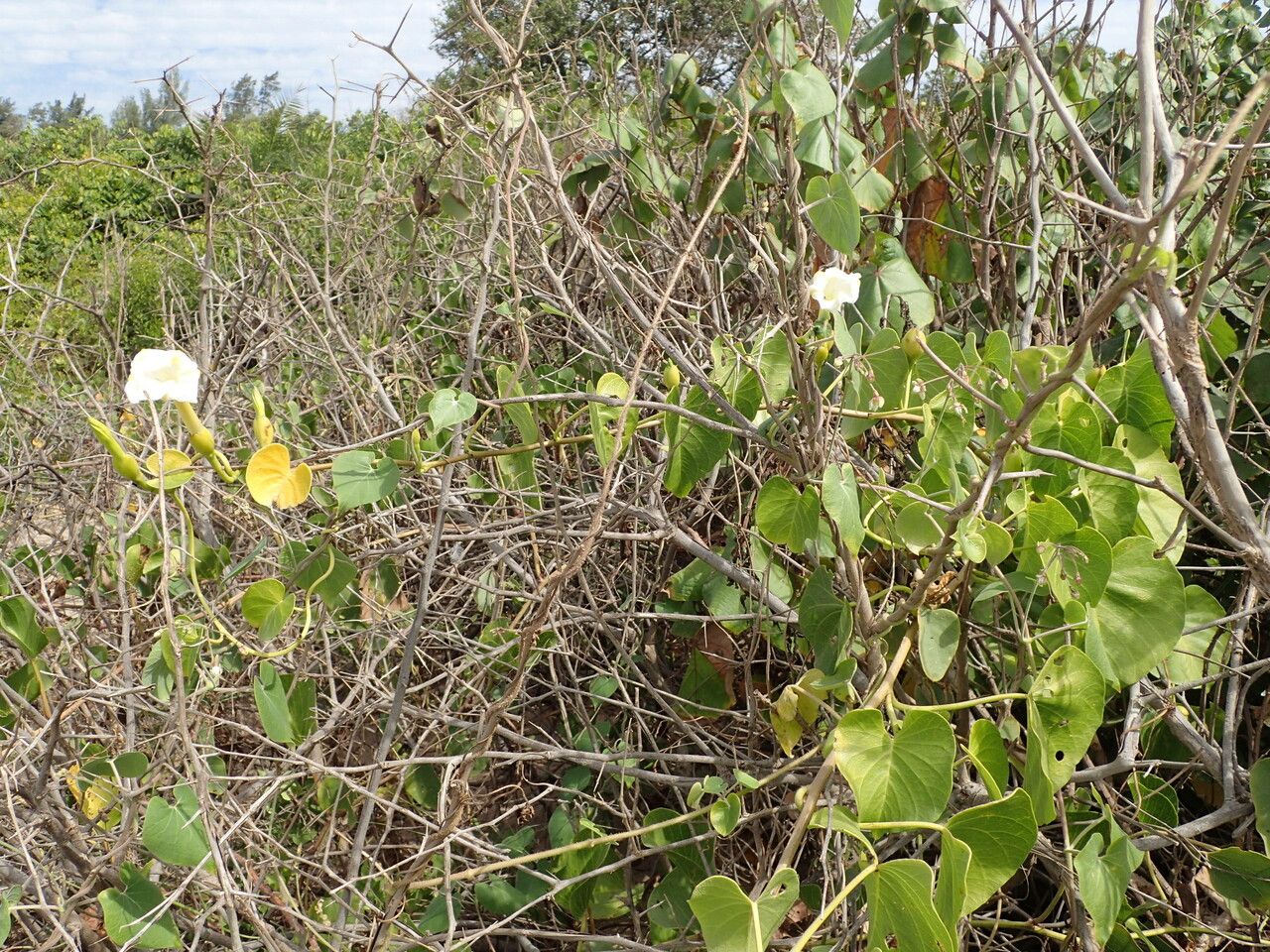
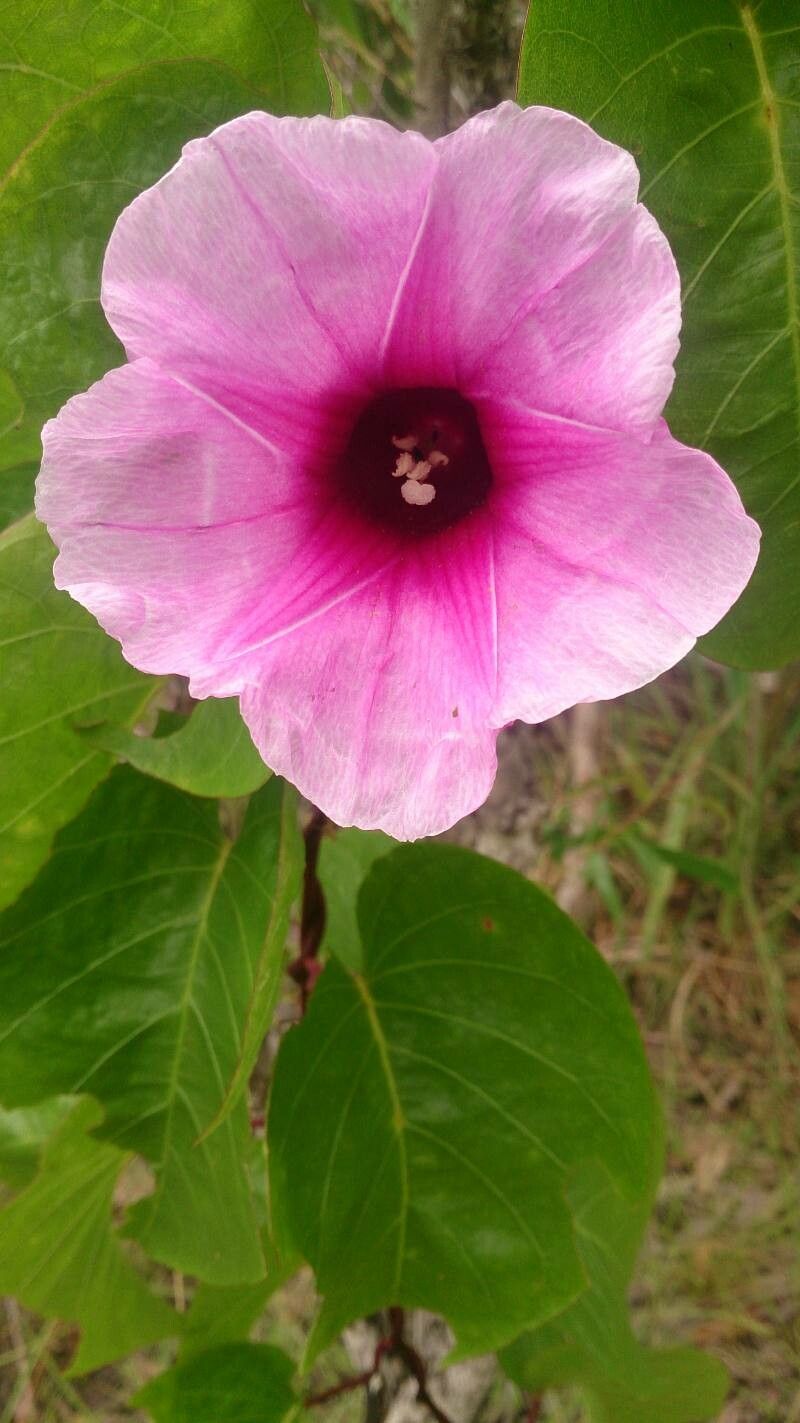
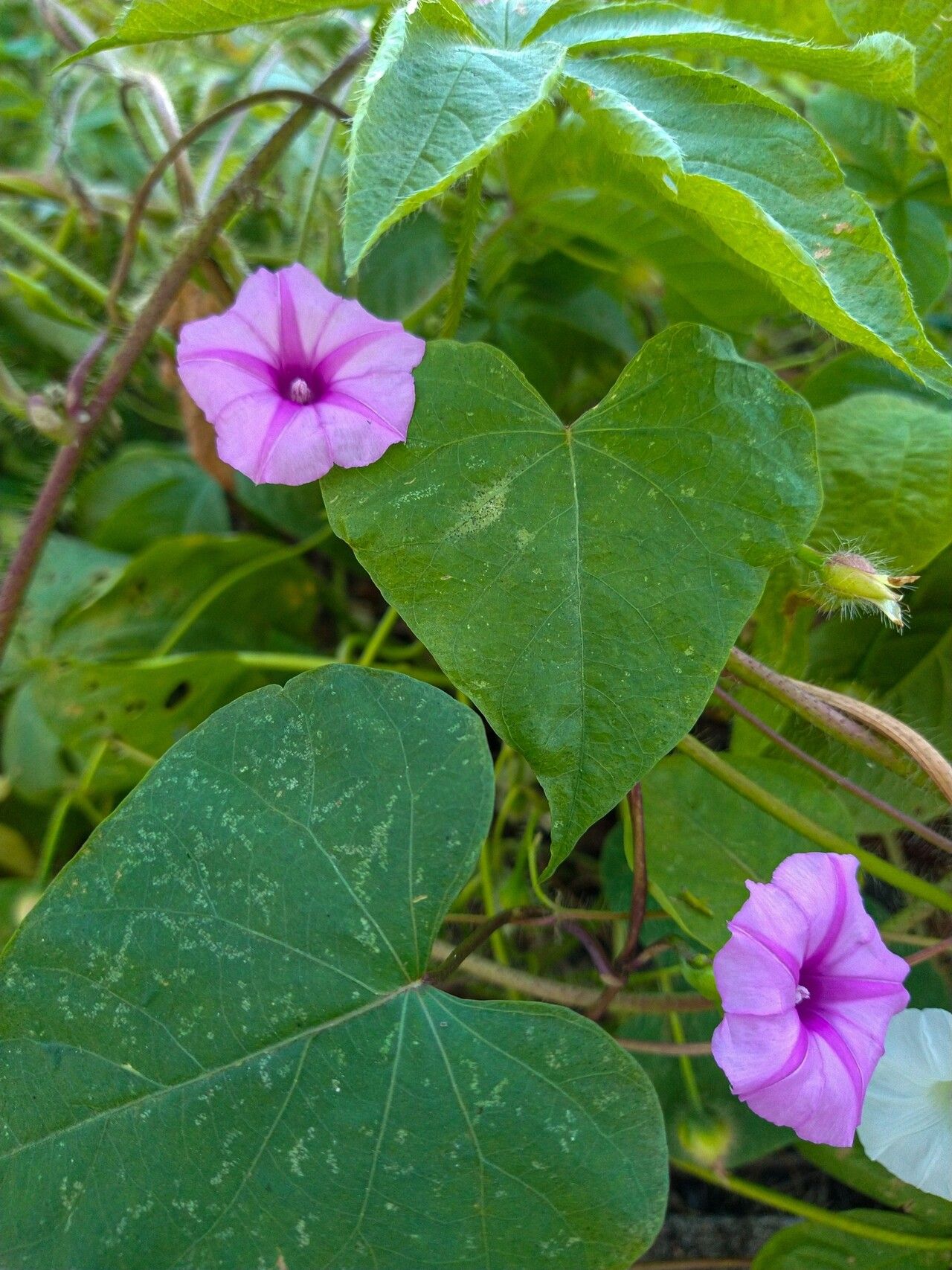
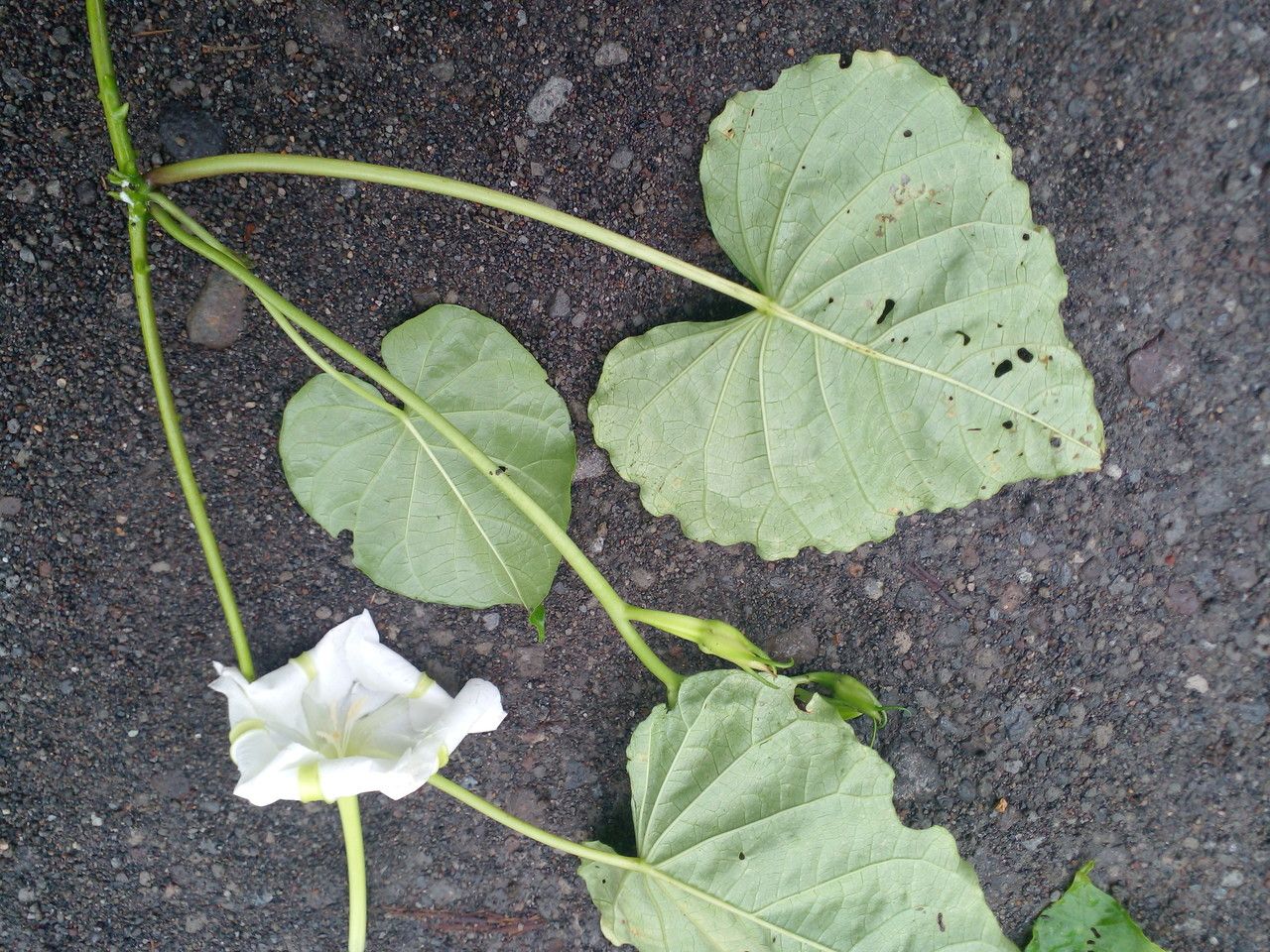
Ipomoea violacea is a perennial species of Ipomoea that occurs throughout the world with the exception of the European continent. It is most commonly called beach moonflower or sea moonflower as the flowers open at night.
Coast moon vine has strong resistance to disease and is generally not prone to illness. However, it can be vulnerable to pests and diseases present in its surroundings; such infections are usually mild. Regarding care, this plant needs a moderate amount of maintenance. It should be pruned regularly to preserve a neat appearance and encourage healthy growth. Fertilizing can also help stimulate flowering. Coast moon vine is well suited for anyone with outdoor space, like a garden or patio, and does not require much gardening experience. It may need more attention when grown indoors.
How to keep Ipomoea Violacea.
Light
The coast moon vine thrives in conditions of ample daily light exposure, essential to mimic its native coastal environment. It can also tolerate medium light exposure for thriving growth. Substandard growth and poor flowering might be the result if there is insufficient light or too much exposure.
Water
The coast moon vine flourishes in tropical coastal environments, where it prefers consistently moist soil and high humidity. To stay well-hydrated, it needs to be watered weekly. When grown outdoors, this plant adapts well to coastal rainfall and has a strong root system that is ideal for sandy soils.
Temperature
The coast moon vine is native to the tropics, which are generally hot and moist. Consequently, it thrives best in high heat and humidity. This plant is not fond of abrupt shifts in temperature and favors a consistent thermal condition, which is why it's crucial to prevent indoor temperature swings. It typically doesn't withstand cold climates and needs elevated temperatures for optimal growth. If the surrounding temperature plunges excessively, the plant might stop growing or possibly perish.
Fertilizer
For the health and aesthetics of the Coast moon vine, appropriate fertilization is imperative. During summer, nourish the Coast moon vine and continue this regimen every month throughout the season. Nutrients stimulate its growth and upkeep of its components. Through fertilization, the floral showcase of the Coast moon vine is improved, guaranteeing the most impressive blooms.
Pruning
Coast moon vine benefits greatly from annual pruning, which should be done in early to late spring before new growth begins. To promote better airflow and tidy appearance, remove any dead stems and trim back unruly vines. This not only enhances the plant's overall health but also boosts flower production. Regular maintenance significantly improves both the plant's aesthetics and vitality.
Botanical profile.
- Plant Type
- Herb, Vine
- Life Cycle
- Perennial
- Genus
- Ipomoea
- Family
- Convolvulaceae
- Hardiness Zone
- 10-12
- Mature Height
- 6.1 m
- Mature Spread
- 0.91 m to 2.13 m
- Leaf Color
- Green, Dark Green
- Leaf Type
- Semi-evergreen
- Flower Color
- Purple, Lavender, White
- Flower Size
- 10.16 cm
- Bloom Time
- Summer, Fall
- Planting Time
- Spring, Summer
- Harvest Time
- Late summer, Fall, Early winter
- Native Area
- Sri Lanka, Belize, India, Malaysia, Honduras, Mexico, Philippines, Madagascar, Bangladesh, Kenya, Guinea-Bissau, Jamaica, Tanzania, Fiji, Panama, China, Colombia, Bahamas, Cuba, Indonesia, Vietnam, Mozambique, Venezuela, Guyana, Ghana, Singapore, Thailand
Other names.
Reader questions.
What are the sunlight requirements for Coast moon vine?
Coast moon vine, or Ipomoea violacea, requires specific sunlight conditions to thrive optimally. For robust growth and flowering, it needs full sun, which is defined as more than 6 hours of sunlight daily. It can also tolerate partial sun, meaning about 3-6 hours of sunlight. It's vital to observe how sunlight moves through your garden to ensure you pick a spot that offers a perfect balance of light and shade, guaranteeing the plant's happiness. Inadequate sunlight or overexposure may lead to sub-optimal growth and poor flowering, making it essential to understand the light dynamics of your garden space.
How does artificial lighting support Coast moon vine growth?
Artificial lighting can be an essential aid in growing Coast moon vine, especially when natural sunlight is not sufficient, such as during winter or in less sunny indoor spaces. Adequate lighting ensures optimal growth, with options like LED lights being popular due to their capability to mimic specific wavelengths needed by plants. Depending on the plant's sunlight requirements, the intensity of artificial light should be adjusted accordingly, with full sun plants needing 30-50W per square foot, partial sun plants requiring 20-30W per square foot, and full shade plants necessitating 10-20W per square foot. Proper placement and duration of artificial light exposure, mimicking natural sunlight conditions, are key to promoting healthy plant growth.
What are common symptoms of inappropriate light exposure in Coast moon vine?
Coast moon vine displays distinct symptoms when exposed to inappropriate light levels. Inadequate light can lead to small leaves, leggy or sparse growth, faster leaf drop, and slower or halted new growth, indicating the plant is under stress and conserving resources. Light deficiency can also cause leaves to appear lighter-colored or pale due to a lack of chlorophyll and essential nutrients. Conversely, excessive sunlight may lead to chlorosis (yellowing of leaves), sunscald, leaf curling, wilting, or leaf scorching, reflecting damage or stress caused by intense light exposure. These symptoms highlight the importance of providing balanced light conditions to maintain plant health.
How can you address light-related issues for Coast moon vine?
To address light-related issues in Coast moon vine, consider the following strategies based on the plant's location. Indoors, you can gradually move the plant to a sunnier spot, aiming for at least 6 hours of direct sunlight daily, or use artificial lighting such as desk lamps or professional grow lights for at least 8 hours daily. Outdoors, ensure a gradual adaptation to sunnier spots by moving the plant weekly, avoiding sudden exposure changes that can cause sunburn. Reducing obstructions to sunlight, such as pruning trees or relocating plants to sunnier areas with good drainage, can also help, especially for plants grown on the ground. Remember, parts of the plant already affected by insufficient light may not recover, but new growth will be healthy once proper light conditions are reestablished.