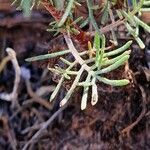
Ipomopsis aggregata
Scarlet gilia · Skyrocket
Description
Source: leafsnapIpomopsis aggregata is a species of biennial flowering plant in the phlox family (Polemoniaceae), commonly known as scarlet trumpet, scarlet gilia, or skyrocket because of its scarlet red flowers with lobes curving back as if blown back by rocketing through the air.
🌳 The bright red flowers of scarlet gilia are more than mere ornamentation. These striking blooms act as an important food source for hummingbirds during their long migration. A unique coevolution occurs between scarlet gilia and these tiny avian travelers: the tubular form of the flowers has evolved to fit the hummingbirds' long beaks and tongues, making the plant an essential stop for nourishment on their arduous journey.
Care Guide
💧 Water
Scarlet gilia flourishes in temperate climates with moderate rainfall, preferring consistent moisture without becoming waterlogged. To ensure optimal blooms and maintain plant health, it is best to water it weekly during its active growing season. This plant is typically grown outdoors because of its size and attractive ornamental flowers.
How should I water my Scarlet gilia plant?
To properly water the Scarlet gilia, it is best to use filtered water at room temperature. Tap water may contain harmful particles, so filtered water is a safer choice. The reason for using room temperature water is because this plant is accustomed to warm environments, and cold water can shock its system. It is also important to avoid overhead watering, as it can cause problems with the foliage. Instead, simply apply filtered room temperature water directly to the soil until it is completely soaked. This helps to moisturize the roots and encourages them to spread and collect nutrients from the soil.
What should I do if I give too much water or too little water to my Scarlet gilia?
Taking care of your Scarlet gilia requires paying attention to the amount of water it receives. Both overwatering and underwatering can harm the plant, but overwatering is a more common issue. If your Scarlet gilia gets too much water, its stems and leaves may wilt and turn yellow. Overwatering for a long time can also lead to diseases like root rot, mold, and mildew, which can be fatal for the plant. While underwatering is less likely to occur since this plant can endure drought conditions, it is still a possibility. If your Scarlet gilia is underwatered, its leaves will become brittle and brown. When caring for your Scarlet gilia, it is important to detect signs of overwatering early on. Some diseases resulting from overwatering, like root rot, may not be fixable if you wait too long. If you observe initial signs of overwatering, reduce your watering schedule right away. Additionally, consider the quality of the soil your Scarlet gilia is growing in. If the soil drains poorly, replace it with a loose, well-draining potting mix. On the other hand, if you notice signs of underwatering, simply water the plant more regularly until the signs dissipate.
How many times per week should I give water to my Scarlet gilia plant?
To determine when your Scarlet gilia plant needs water, follow these guidelines. If your plant is in a pot, simply check the moisture level by sticking your finger in the soil. If the top two to three inches of soil are dry, it's time to water. For outdoor plants in the ground, use the same method of testing the soil. If the top few inches of soil are dry, it's time to water. During spring and early fall, watering once a week is usually sufficient. However, during extremely hot weather, you may need to water two or more times per week. Keep in mind that mature Scarlet gilia plants have a good ability to tolerate drought.
How much water does my Scarlet gilia plant need?
To properly water your Scarlet gilia, make sure the top two to three inches of soil are dry before watering. When you do water, give the plant a good soak until the soil is saturated. You should add enough water to cause excess water to drain through the pot's drainage holes. If you don't see any excess water draining, you may not have watered enough. Be careful not to let water accumulate in the soil, as this can harm the plant. On the other hand, if water is not draining at all, it could mean that the soil is not draining well, which is bad for the plant's health. If the plant is outside, one inch of rain per week should be enough.
How do I water my Scarlet gilia at different times as it grows?
The water needs of the Scarlet gilia depend on its growth stages. In the first few years or after transplanting, more water is needed as the plant focuses on developing new roots for future growth. These new roots require additional moisture to perform well. As the plant matures, less water is needed. Additionally, during the bloom period, extra water may be necessary as flower development requires a significant amount of moisture.
☀️ Light Full sun
Scarlet gilia prefers places where sunlight can thoroughly light its foliage. While it can tolerate some reduction in light, growing in full sun is important for producing vigorous growth. However, extended exposure to very intense sunlight can potentially stress the plant.
How many hours of sunlight does Scarlet gilia need every day to grow well?
To ensure the proper growth and survival of the plants, it is essential to expose them to at least 6 to 8 hours of sunlight each day. In particular, they thrive when they receive more morning light, especially during the summer season. The Scarlet gilia species, in particular, requires ample sunlight to thrive and produce stunning blooms. The more light they receive, the better their ability to create food, bloom beautifully, and ultimately survive.
What kind of sunlight does Scarlet gilia require?
The Scarlet gilia thrives in full sunlight. For optimal growth, avoid overcrowding them and allow each plant to receive even sun exposure. Make sure the leaves are not deprived of sunlight. If planting in pots, place the herbaceous flowers in windows that receive direct sun and ensure they always receive full sunlight, regardless of the season. Avoid partial or filtered light as these conditions may result in weak stems and unhealthy flowers. It is best to keep the Scarlet gilia always exposed to the sun.
Does sunlight harm plants? How can I keep Scarlet gilia safe from damage caused by sun and heat?
When the temperature exceeds 90℉(32℃), the Scarlet gilia plant is susceptible to damage from extreme heat, especially if it is exposed to prolonged hours of sun. It is recommended to provide some shade in the afternoon during the summer to protect the plant. It is important to note that sunlight during the summer is stronger and lasts 50% longer than in the winter. If the Scarlet gilia plant is under significant stress from sunlight, ensuring it remains well-hydrated is crucial. Water the plant when the top of the soil is approximately 2 inches dry, and if it becomes excessively hot outside, consider moving potted plants indoors. During the day, it is normal for the plant's leaves to wilt, as they typically recover overnight. However, if the Scarlet gilia remains droopy, it means the plant is losing water rapidly and requires immediate watering.
Should I keep Scarlet gilia out of the sun to protect it?
The Scarlet gilia thrives in sunny conditions and enjoys the sun's exposure. Planting them in south-facing gardens is preferred, allowing them to be in the sun from morning to afternoon. However, it's important to note that too much sun can cause sunburn in some plants, so providing shade in the afternoon and midday can be beneficial. Growing the Scarlet gilia in shady areas is not feasible as it requires ample sunlight for the flowers to grow and produce. Therefore, always ensure they are placed in a location with full sun to achieve the best results.
What happens if Scarlet gilia doesn't get enough sunlight?
When the Scarlet gilia is not given enough sunlight, it has trouble with its photosynthesis process. This lack of sunlight causes the stems to become thin and long as they stretch towards the sunlight. As a result, they will not bloom or produce seeds when in the shade. The lack of sunlight also leads to the older leaves dying off, while the color of the new leaves is lighter and the new growth is smaller. While the Scarlet gilia loves the sun, it can wilt when exposed to excessive heat and UV light in the summer. To protect them, you can cover them with a net that provides shade, especially during the summer months. When indoors, you can use a fan to help reduce the heat.
🌡️ Temperature 10–35°C
Scarlet gilia is native to regions with moderate temperatures. Preferred growing conditions are 68 to 95°F (20 to 35 ℃). During cooler seasons, keep temperatures within this range to encourage healthy growth.
What temperature is best for Scarlet gilia?
The best temperature for Scarlet gilia depends on the time of year. Let's divide it into the growing season and the dormancy season. During the growing season, when Scarlet gilia starts to grow, the ideal temperature range should be between 65~80℉(18~27℃). If it gets colder than 15℉(-10℃), the plant will suffer, and its leaves may turn brown and wilt. However, if it's only a short cold snap, Scarlet gilia may survive with a little help. On the other hand, during the warmer parts of the year, it's important to protect Scarlet gilia from temperatures that are too high. Anything between 95-105℉ (35-40℃) is the highest temperature this plant can handle. Anything above that can damage the foliage and blooms, causing wilting, drooping, and even sunburn on the leaves. Fortunately, there are simple ways to combat this issue!
What temperature does a new Scarlet gilia plant need in its first year or when it is just a seedling?
If your Scarlet gilia is in its first year outside as a new plant, it may require extra care during the coldest months. Frost can cause significant damage and prevent healthy growth in the spring. To protect the plant, it should be kept at a temperature of 40℉(5℃) or higher. This can be achieved by bringing the Scarlet gilia indoors for a month or two or using mulch or fabric barriers for frost protection. Additionally, during the first year or two, it is advisable to plant Scarlet gilia in a shadier location. Smaller and weaker plants have a harder time regulating their temperature in hot weather. Limiting direct sunlight to no more than five hours per day, especially when temperatures exceed 80℉(27℃), is beneficial. To control summer heat, use shadecloth and provide frequent watering or misting.
How can I keep Scarlet gilia safe from very hot or very cold weather?
If the growing season experiences cold temperatures below 15℉(-10℃), there are steps you can take to protect Scarlet gilia from frost or cold damage. If you are growing Scarlet gilia in a container, you can bring it inside under bright, indirect light until the temperatures rise above the lower threshold again. For Scarlet gilia planted in the ground, using mulch or horticultural fabric to create a barrier around the plant can insulate it from frost and cold wind. When temperatures exceed 80℉(27℃) in the shade during the day, it is important to limit Scarlet gilia's exposure to sunlight to six hours or less per day, preferably in the morning. Installing shade cloth or fine plastic mesh can help reduce direct sunlight during the hottest parts of the day. Additionally, a misting system can be set up to release cooling mist around the base of the plant, effectively lowering ground temperatures throughout the day.
Recommended temperature during the dormant season for Scarlet gilia.
Scarlet gilia goes dormant in the cold winter months, but it needs a certain amount of cold in order to stay dormant until it's time to sprout. It's important not to sprout too early, before the danger of frost has passed, because that could be fatal for Scarlet gilia, especially if it has already started growing before the frost hits. Ideally, winter temperatures should stay below 32℉(0℃), but if they reach 40℉(5℃), that's okay. However, in more temperate climates like woodland rainforests, there can sometimes be unexpected warm spells during the cold months, which could trigger premature sprouting in Scarlet gilia. If there's still a risk of frost, it's best to cover the sprout with clear plastic on stakes to protect it from the cold. This cover can be removed when the danger of frost has passed. Sometimes Scarlet gilia will be able to sprout at the correct time without any help, but using this method increases the chances of a successful second sprouting.
💨 Humidity
🪴 Soil 6-7
🌱 Fertilizer
Scarlet gilia requires consistent fertilization to encourage flowering but does not tolerate heavy feeding. Give light, frequent doses of fertilizer throughout its whole life cycle, especially during periods of vigorous growth and while it is flowering. You will feed your Scarlet gilia until it stops blooming.
🪴 Pot & Repot
✂️ Pruning
Scarlet gilia benefits from regular pruning to maintain its shape and promote flowering. Prune from early to late spring, removing dead stems and spent flowers to encourage new growth. Be careful not to prune too heavily, as this can stunt growth. Proper pruning enhances air circulation and reduces the risk of disease.
🌿 Propagating
🐛 Diseases & pets
☠️ Toxicity
Characteristics
- Plant Type
- Herb
- Life Cycle
- Biennial, Perennial
- Genus
- Ipomopsis
- Family
- Polemoniaceae
- Hardiness Zone
- 6-9
- Mature Height
- 0.3 m to 1.22 m
- Mature Spread
- 15 cm
- Leaf Color
- Green, Gray
- Leaf Type
- Semi-evergreen
- Flower Color
- Red
- Flower Size
- 2.03 cm to 3.05 cm
- Bloom Time
- Late spring, Early summer, Mid summer
- Planting Time
- Spring, Summer
- Harvest Time
- Mid summer
- Native Area
- Mexico