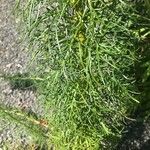
Ipomopsis rubra
Skyrocket · Standing-cypress · Red standing-cypress · Spanish larkspur · Texas plume
Description
Source: leafsnapIpomopsis rubra is a flowering plant of the phlox family native to North America from the state of Texas to the province of Ontario, commonly known as standing cypress, scarlet gilia, Texas plume, flame flower, and indian spur. This classification is synonymous with Gilia rubra. This flower is noteworthy for its bright, upturned flowers.
🎭 Endurance, Restoration, Ease
Care Guide
💧 Water
Standing cypress grows best in open woodlands and prairies where there is moderate moisture. For optimal growth, water it weekly, although it can handle short periods of dryness. Consistent watering is essential for its vibrant blooms, which are closely tied to natural rainfall patterns.
How should I water my Standing cypress plant?
To properly care for the Standing cypress, it is recommended to use filtered water that is at room temperature. Tap water may contain harmful particles, so filtering it is preferable. The plant prefers warm water because it originates from a warm environment, and cold water can be a shock to its system. Avoid watering the plant from above as it can cause leaf issues. Instead, water the soil thoroughly using the filtered, room temperature water until it is completely saturated. This helps to moisten the roots and facilitate their spread in the soil, enabling them to gather necessary nutrients.
What should I do if I give too much or too little water to my Standing cypress plant?
Overwatering is a more common problem for Standing cypress plants than underwatering. When overwatered, the stems and leaves may wilt and turn yellow, and prolonged overwatering can lead to root rot, mold, and mildew which can be fatal for the plant. While underwatering is less likely, it can still happen, and in these cases, the leaves become brittle and brown. It's important to recognize the signs of overwatering early on to prevent irreversible damage. If you notice these signs, reduce your watering immediately and consider the soil's drainage. If the soil is poor at draining, replace it with a loose, well-draining potting mix. If signs of underwatering are present, simply water more regularly until the symptoms improve.
How frequently should I water my Standing cypress plant?
If your Standing cypress is in a pot, the most precise way to determine if it needs water is to stick your finger into the soil. If the top couple of inches are dry, then it's time to water. The same method can be used if you have it planted outdoors in the ground. When the top few inches of soil have dried out, it's time to add water. Typically, in the spring and early fall, watering once a week is sufficient. However, during extremely hot weather, you may need to water twice a week or even more. It's worth noting that mature, well-established Standing cypress plants have an impressive ability to withstand drought.
How often should I water my Standing cypress plant?
To properly water your Standing cypress, don't hold back on the amount of water you give it. Wait until the top few inches of soil are dry, and then thoroughly water the plant, making sure the soil is completely soaked. Add enough water so that it drains through the holes at the bottom of the pot. If there is no excess water draining, you may have not given it enough water. However, be careful not to let the water accumulate in the soil, as this can harm the plant. On the other hand, if water is not draining properly, this could mean that the soil doesn't drain well, which is not good for the plant's health. If the plant is outside, it should receive about 1 inch of rain per week.
How do I water my Standing cypress as it grows?
The water needs of the Standing cypress can vary depending on its growth stages. In the first few years and when it has just been transplanted, it requires more water. During these stages, the plant focuses on developing new roots for future growth, which need extra moisture. As the plant matures, it will require less water. Another stage that may require more water is during the bloom period when the flower development requires a significant amount of moisture.
☀️ Light Full sun
Standing cypress requires plenty of sunlight to develop healthily. Native to environments rich in sunlight, it depends on that light at every stage of its growth. Too little sunlight can diminish its vigor, while too much can stunt its development.
What are the sunlight requirements for Standing Cypress?
Standing Cypress, scientifically known as Ipomopsis rubra, thrives in full sunlight, requiring more than 6 hours of sunlight a day for healthy growth. Originating from ecosystems abundant in sunlight, it's crucial at different growth stages. The right balance of light and shade is important for the plant's happiness. In conditions where natural sunlight is insufficient, especially during winter or in less sunny spaces, artificial lighting can be a vital solution. For indoor plants, LED lights are recommended, providing specific wavelengths needed for optimal growth. Full sun plants need 30-50W/sq ft of artificial light, partial sun plants need 20-30W/sq ft, and full shade plants need 10-20W/sq ft. The artificial light source should be placed 12-36 inches above the plant, mimicking natural sunlight as closely as possible for about 8-12 hours per day.
What are the common symptoms of incorrect sunlight exposure in Standing Cypress?
Standing Cypress shows several symptoms when exposed to incorrect sunlight conditions. Insufficient light can lead to smaller new leaves, leggy or sparse growth, faster leaf drop, slower or no new growth, and lighter-colored new leaves, which signals a lack of chlorophyll and essential nutrients. Excessive sunlight exposure can cause chlorosis (leaves turning yellow), sunscald (pale or necrotic areas on plant tissue), leaf curling or twisting as a defense mechanism, wilting due to loss of turgor pressure, and leaf scorching characterized by brown, dry, and crispy edges on leaves. These symptoms highlight the plant's struggle with photosynthesis and maintaining health under less than ideal lighting conditions.
How can I manage Standing Cypress with insufficient or excessive sunlight?
To manage Standing Cypress in conditions of insufficient or excessive sunlight, gradual adaptation is key. For indoor plants not receiving enough light, gradually move them to a sunnier location each week until they achieve at least 6 hours of direct sunlight daily, using a south-facing window if possible. Artificial lighting, such as desk lamps or professional grow lights, should be used for at least 8 hours daily if the plant is large or immovable. For outdoor plants, incrementally adjust their exposure to sunlight to prevent sunburn. Removing obstructions like branches from trees can help increase sunlight exposure. When dealing with smaller plants, consider transplanting during the dormant period, usually late winter or early spring, to a location with better sunlight and drainage. Remember, parts of the plant affected by improper sunlight might not recover, but new growth should be healthy after adjusting light exposure.
🌡️ Temperature 5–35°C
Standing cypress shows good temperature adaptability, able to withstand higher heat and larger swings in temperature. In hot weather, one should watch watering and provide some shade to avoid sunburn. On the other hand, Standing cypress is fairly sensitive to low temperatures; it can endure a certain amount of cold, but excessively cold conditions may cause frost damage.
💨 Humidity
🪴 Soil 6-7
🌱 Fertilizer
Standing cypress requires regular fertilization to encourage flowering but doesn't like too much. It needs small, frequent doses of fertilizer throughout its entire life cycle, especially during the peak period of active growth and while it's flowering. You will feed your Standing cypress until it stops blooming.
Why should I put fertilizer on my Standing cypress plant?
Properly fertilizing flowering plants like Standing cypress can help them grow stronger and produce beautiful blooms. These plants are known for blooming a lot, so they need a lot of fertilizer to provide the nutrients necessary for growth. Nitrogen is important for promoting early season growth and keeping the leaves green through photosynthesis. Phosphorus is key for improving flower formation and stem strength, as well as converting sunlight into energy for growth. Potassium plays a role in transporting water, nutrients, and sugars from the roots to the shoots, while also promoting root growth and making the plants more resistant to dry conditions in the summer.
When should I fertilize my Standing cypress?
Standing cypress has a moderate appetite for fertilizer, but it doesn't like to be overwhelmed. It benefits from regular, light doses of fertilizer throughout its life cycle, particularly during its peak growth period and while flowering. You should continue to feed your Standing cypress until it stops blooming. Container-grown plants require more frequent fertilization compared to those in the ground because their root zone is smaller and they have limited access to nutrients.
When is the best time to not fertilize my Standing cypress?
Fertilizer can sometimes do more harm than good for Standing cypress, especially if the plant is already stressed. It's best to avoid fertilizing if the plant is dealing with diseases or insects like downy mildew, powdery mildew, gray mold, leaf spot, aphids, spider mites, or whiteflies. Adding fertilizer can actually weaken the plant's defenses, making it more susceptible to other pest problems or disease infections. It's also important to avoid fertilizing when the soil is dry or hardened, as this can cause root burn. Instead, water the soil until it's slightly moist before applying fertilizer. Additionally, during the hottest part of summer when the plant may go dormant, it's best to wait to fertilize until growth resumes.
What kind of fertilizer should I use for my Standing cypress plant?
Flowering bedding plants like Standing cypress thrive when given water-soluble or liquid fertilizers, particularly slow-release types. It's more challenging to use granular products on container-grown plants, as they tend to quickly wash out of the container. When selecting a fertilizer, you have the option of a balanced or all-purpose formula, or a bloom booster that is specifically designed for bedding plants. During the blooming phase, these plants require more phosphorus. Fertilizers that promote flowering typically have lower levels of nitrogen and higher levels of phosphorus to encourage bud development and blossoms rather than excessive vegetative growth. For synthetic fertilizers, a recommended N-P-K ratio is approximately 10-30-10, while organic fertilizers are advised to have a ratio of around 2-8-4.
How should I add fertilizer to my Standing cypress plant?
If your potting soil for container plants already contains slow-release fertilizer, there is no need to fertilize the seeds when you plant them. The initial fertilizer, along with the nutrient reserves in the seed's endosperm, will provide enough nutrients for the first couple of weeks. However, if your potting soil does not have fertilizer, you should mix a small amount of slow-release starter fertilizer into the potting mix before filling the containers. Once your plants are six to eight weeks old and you start seeing flower buds developing, you should begin fertilizing the Standing cypress every two weeks. Use one-third to one-half of the recommended rate stated on the product label. Keep fertilizing on this schedule until the Standing cypress stops blooming for the season.
🪴 Pot & Repot
✂️ Pruning
Standing cypress is a tall, slender plant with vibrant red tubular flowers. To maintain its shape and health, prune it in early to mid-spring. This will allow you to remove any dead stems, improving air circulation and reducing the risk of disease. Be sure to use sterilized tools to prevent infections and promote vigorous blooming.
🌿 Propagating
🐛 Diseases & pets
☠️ Toxicity
Characteristics
- Plant Type
- Herb
- Life Cycle
- Biennial, Perennial, Annual
- Genus
- Ipomopsis
- Family
- Polemoniaceae
- Hardiness Zone
- 6-9
- Mature Height
- 0.91 m to 1.83 m
- Mature Spread
- 46 cm to 61 cm
- Leaf Color
- Green
- Leaf Type
- Semi-evergreen
- Flower Color
- Red
- Flower Size
- 2.54 cm
- Bloom Time
- Summer
- Planting Time
- Autumn
- Harvest Time
- Late summer, Early fall, Mid fall
- Native Area
- Georgia