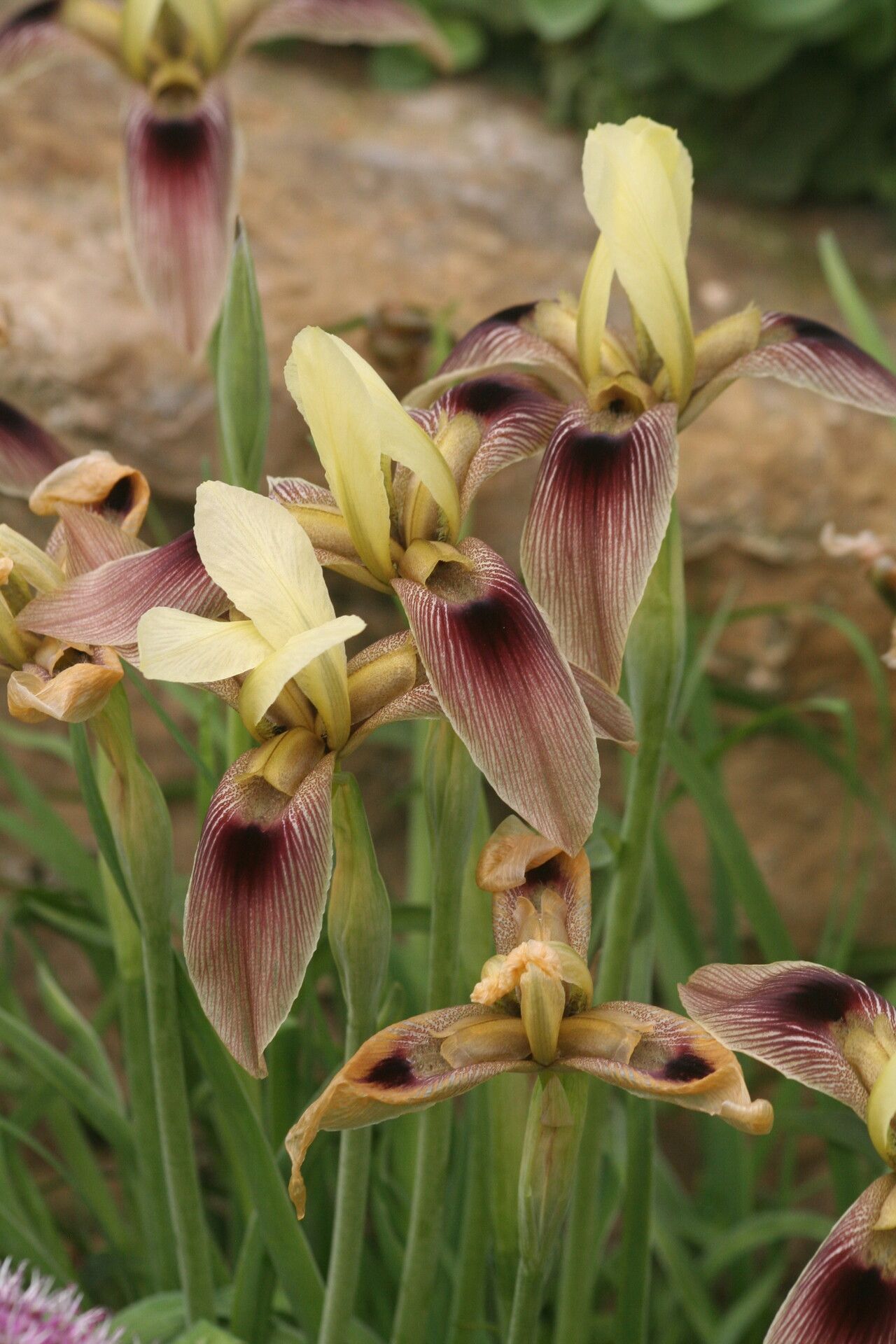
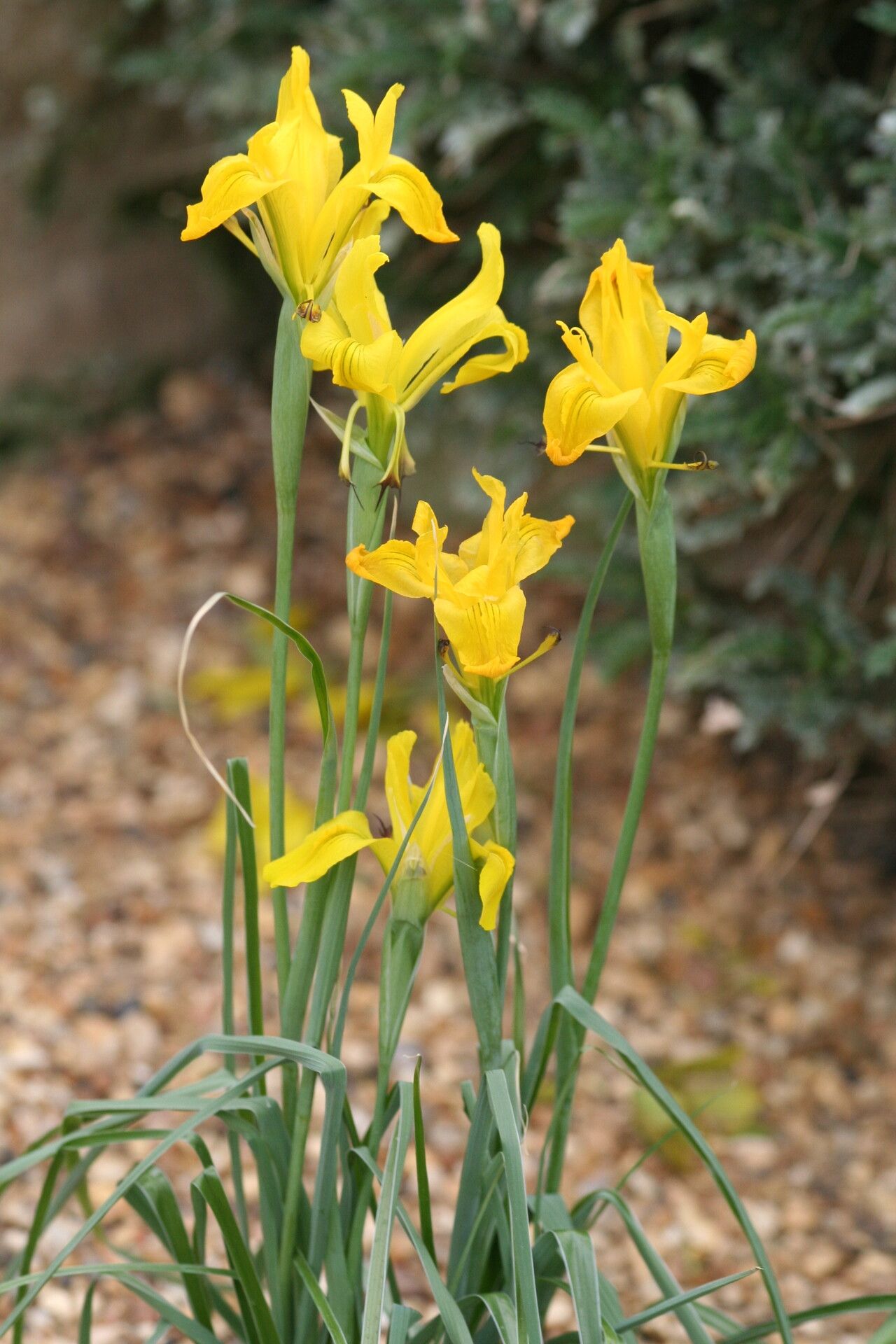
Iris albicans, commonly known as the white iris or Spanish iris, is a perennial flowering plant in the Iridaceae family. Native to North Africa and the Middle East, it has been cultivated for centuries for its striking white blooms.
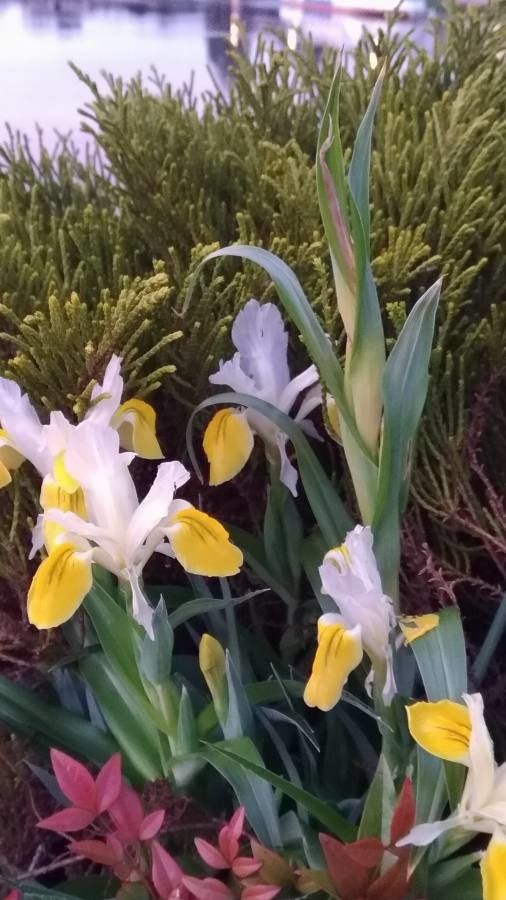
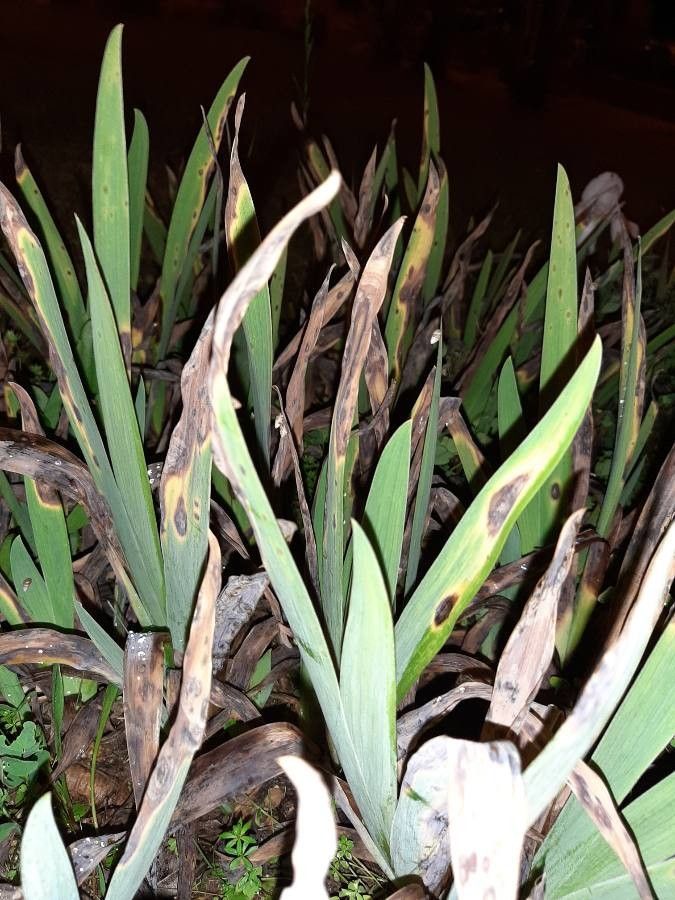
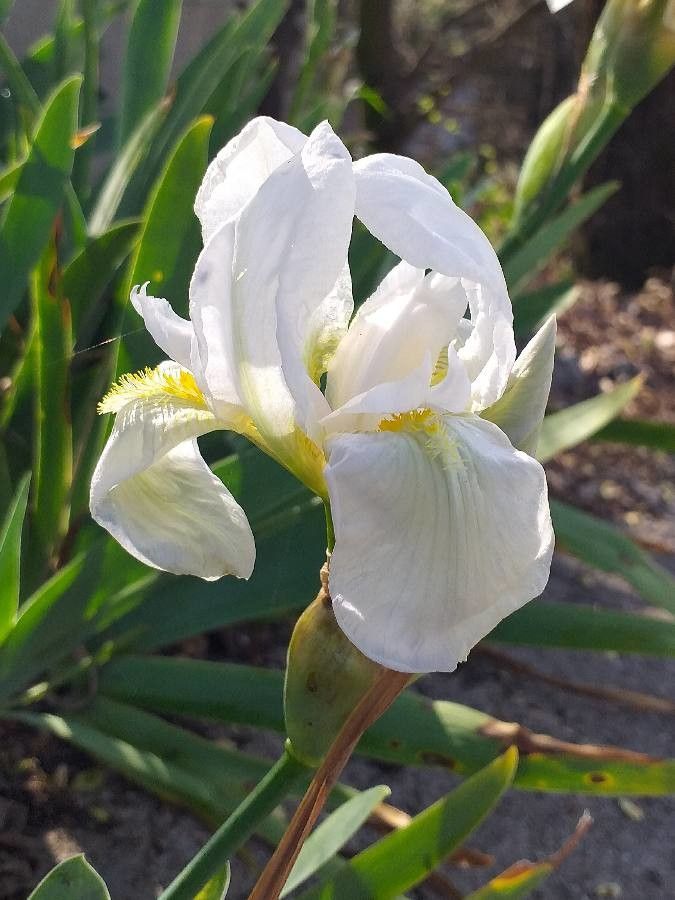
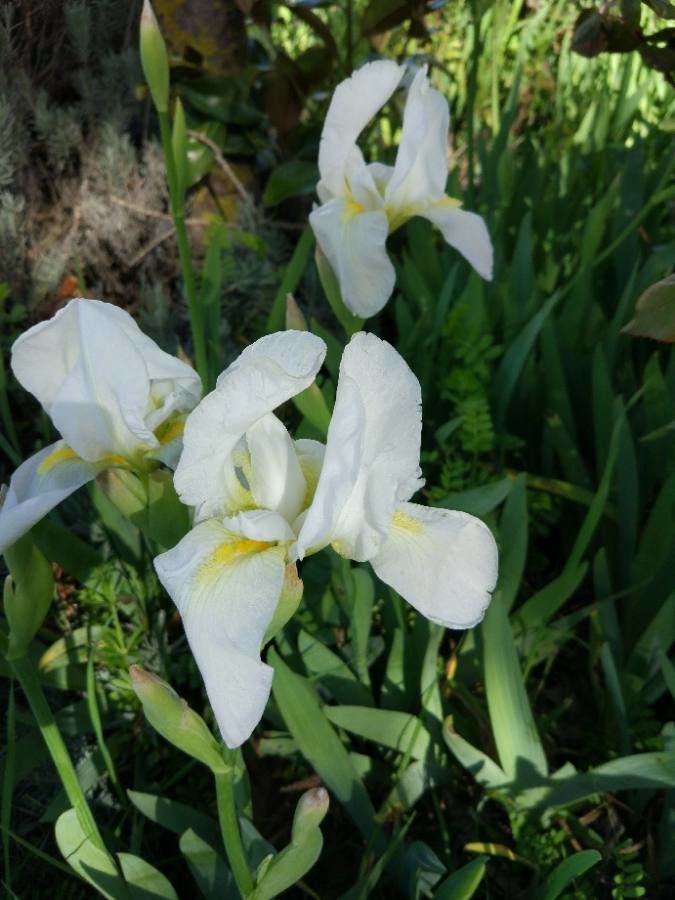
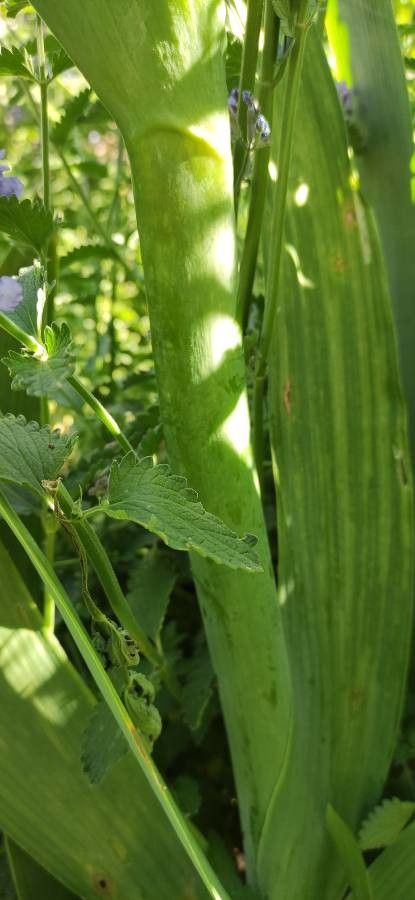
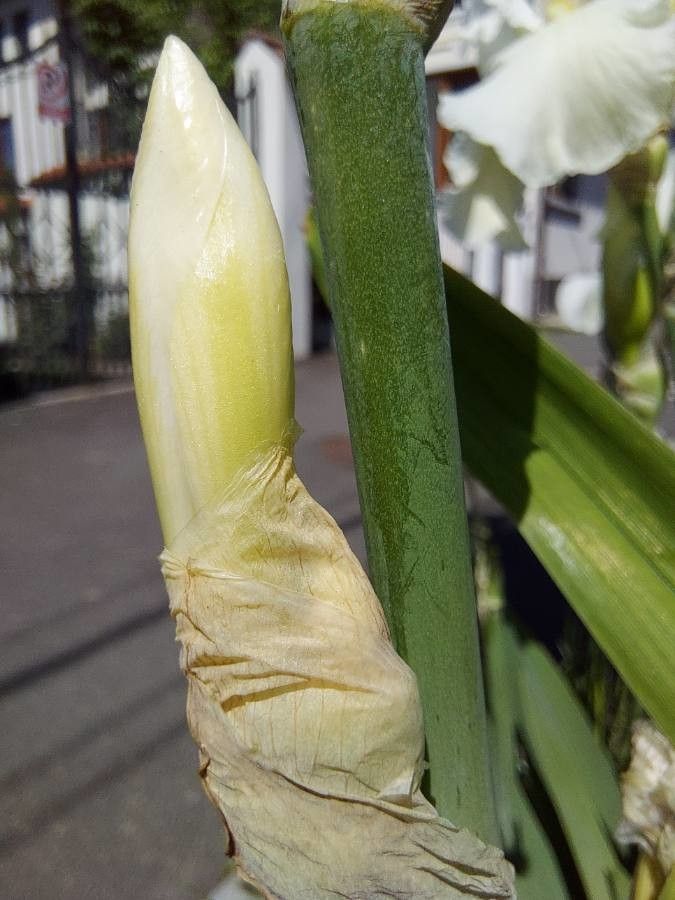
The plant reaches up to 60 cm in height and features long, narrow, grey-green leaves. Its large, showy flowers have six pure white petals, accented with yellow markings at their bases. These blossoms appear in late winter or early spring, emerging on tall stems that rise above the foliage.
Iris albicans thrives in well-drained soil and full sun but can also adapt to partial shade. Once established, it is drought-tolerant, although it needs regular watering during its growing season.
Propagation of this plant is straightforward, typically achieved by dividing its rhizomes in autumn or early spring, making it a manageable addition to any garden.
Beyond its ornamental appeal, Iris albicans has historical significance for its medicinal uses in ancient civilizations, valued for its anti-inflammatory properties. Its rhizomes, rich in tannins, have also served as a natural dye source.
In summary, Iris albicans is an attractive and historically significant perennial that enhances any garden with its beauty and rich heritage as a medicinal herb and natural dye.
Botanical profile.
- Plant Type
- Herb
- Life Cycle
- Perennial
- Genus
- Iris
- Family
- Iridaceae
- Hardiness Zone
- 4-10
- Mature Height
- 30 cm to 61 cm
- Mature Spread
- 46 cm to 61 cm
- Leaf Color
- Light Green
- Leaf Type
- Deciduous
- Flower Color
- White, Lavender
- Flower Size
- 5.08 cm to 7.62 cm
- Bloom Time
- Mid spring, Late spring
- Planting Time
- Autumn, Summer
- Harvest Time
- Early summer, Mid summer
Other names.