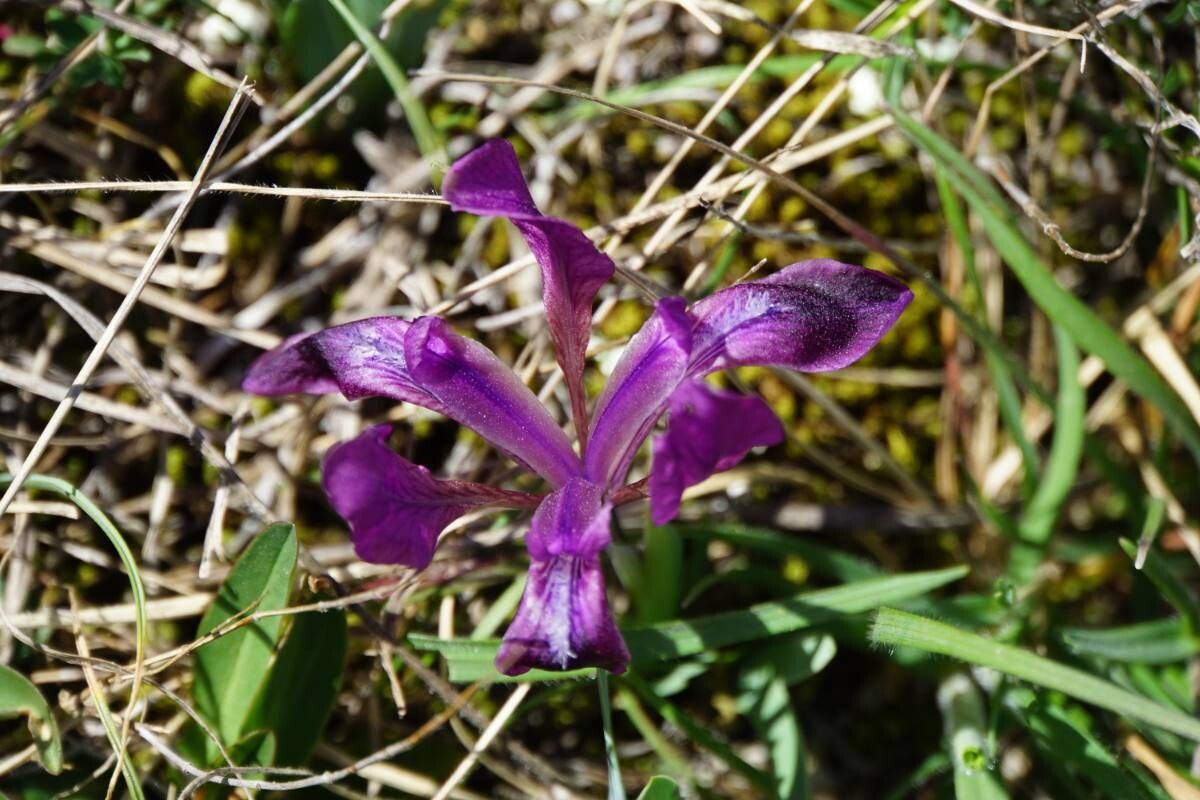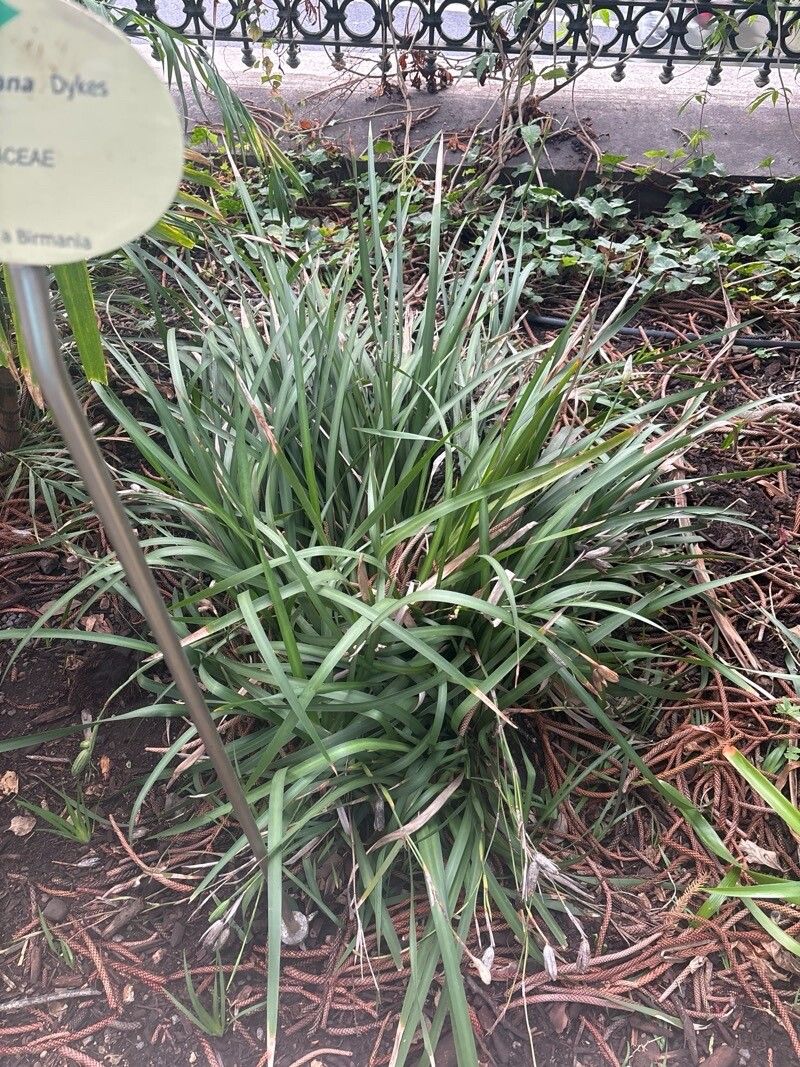
Iris bulleyana is a species in the genus Iris, also the subgenus Limniris and in the series Sibiricae. It is a rhizomatous herbaceous perennial, from South west China, including Myanmar and Tibet. It has long thin green leaves,
Bulley's iris has strong disease resistance and is generally unlikely to suffer from illnesses. However, it can be vulnerable to pests and diseases present in its environment. These problems are usually minor. Regarding care, the plant needs a moderate level of attention. It should be pruned regularly to keep a neat appearance and healthy growth. Fertilizing can also help encourage flowering. Bulley's iris is well suited to anyone with outdoor space, such as a garden or patio, and does not demand extensive care experience. It may require more attention when grown indoors.
How to keep Iris Bulleyana.
Water
Bulley's iris flourishes in moist meadows, needing a steady supply of water, though it can endure short periods of dryness. Watering it once a week helps ensure its healthy growth. This plant is usually cultivated outdoors, where it takes advantage of natural rainfall and the temperature changes that come with different seasons, which match its water needs.
Fertilizer
Typically, a one-time application of fertilizer in spring is enough for Bulley's iris, yet several feedings can boost its growth. Fertilize once every 30 to 45 days. The benefit of fertilization is that it improves the look and the functionality of the leaves, contributing to regular coloration and good leaf texture. Moreover, it encourages the development of roots and the absorption of nutrients, augmenting the plant's health over time.
Pruning
To care for Bulley's iris, minimal pruning is needed. Focus mainly on removing spent blooms and dead foliage. Prune the plant between early and late spring to encourage growth and conserve energy. Regularly check the iris for any signs of pests or diseases. Effective pruning enhances airflow and sunlight, leading to healthier blooms.