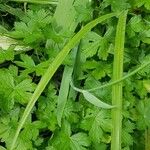
Iris domestica
Blackberry lily · Leopard Flower · Shenan · Belamcanda · Leopard Lily
Description
Source: leafsnapIris domestica, commonly known as leopard lily, blackberry lily, and leopard flower, is an ornamental plant in the family Iridaceae. In 2005, based on molecular DNA sequence evidence, Belamcanda chinensis, the sole species in the genus Belamcanda, was transferred to the genus Iris and renamed Iris domestica.
🌳 Blackberry lily has the unexpected ability to signal the presence of heavy metals in soil. As a result, it is employed in phytoremediation research to assess soil health. Its rhizomes are examined for their ability to absorb and store toxic metals, which can assist in environmental cleanup efforts.
🎭 Wisdom, hope and trust, royalty, depictions of victory and power
Care Guide
💧 Water Every 1-2 weeks
The Blackberry lily flourishes with moderate moisture and typically needs watering every 1-2 weeks. Although it prefers consistent hydration, it can tolerate brief periods of dryness. This plant is versatile enough to thrive both indoors and outdoors, and it demonstrates resilience to varying levels of rainfall. As a result, it is well-suited for a range of climate zones.
How should I water my Blackberry lily plant?
To ensure the health of your Blackberry lily, follow these watering tips. It is recommended to use filtered water at room temperature. Tap water can contain harmful particles that can affect the plant. The Blackberry lily prefers warmer temperatures, so avoid using cold water as it can shock the plant. Instead of overhead watering, apply filtered room temperature water directly to the soil. Make sure the soil is thoroughly soaked. This helps the roots absorb moisture and spread through the soil, collecting nutrients.
What should I do if I give my Blackberry lily too much water or too little water?
Overwatering your Blackberry lily is a common issue that can harm its health. When this happens, the stems and leaves may wilt and turn yellow. Overwatering over time can also lead to diseases like root rot, mold, and mildew, which can be fatal for the plant. On the other hand, underwatering is less common since the Blackberry lily can withstand drought. However, if underwatering occurs, the leaves may become brittle and brown. It's important to quickly recognize signs of overwatering to prevent irreversible damage. Diseases like root rot may not be fixable if you wait too long. If you notice early signs, reduce your watering schedule right away. Also, check the soil quality. If it doesn't drain well, replace it with a loose and well-draining potting mix. If you see signs of underwatering, simply water the plant more frequently until the signs disappear.
How frequently do I need to water my Blackberry lily?
To determine if your Blackberry lily needs watering, you can use a simple method whether it is potted or in the ground. For potted plants, stick your finger into the soil and check if the top two to three inches are dry. If so, it's time to water. The same goes for plants grown outdoors; check the first few inches of soil and if it's dry, water the plant. Generally, during spring and early fall, watering once a week is sufficient. However, during hot weather, watering may need to be increased to twice a week or more. It's worth noting that mature Blackberry lilies have a high tolerance for drought.
How much water does my Blackberry lily plant need?
To properly water your Blackberry lily, don't be afraid to give it a generous amount of water. Wait until the top two to three inches of soil have dried out, then thoroughly saturate the soil. Make sure the water completely soaks the soil by adding enough water to see excess water flowing out of the drainage holes at the bottom of the pot. If no excess water drains out, you have likely not given enough water. However, be cautious not to let water accumulate and sit inside the soil, as this can harm the plant. If there is no water draining through the pot, it may be a sign of poorly draining soil, which should be avoided for the plant's health. For outdoor plants, receiving about 1 inch of rain per week is sufficient.
How do I water my Blackberry lily as it grows?
The water needs of the Blackberry lily can vary depending on its growth stages. In the first few years or after being transplanted, it requires more water because it focuses on developing new roots. These roots need extra moisture to support future growth. However, as the plant matures, it requires less water. Another stage that requires additional watering is during the bloom period when flower development demands a significant amount of moisture.
☀️ Light Full sun
The Blackberry lily flourishes when exposed to lots of light, which is reflective of its natural habitat. For optimal growth, it generally requires a substantial amount of daily sunlight. It can also cope with moderately lit conditions, although a severe lack of light might result in poor blooming and wilting. On the other hand, overexposure could potentially harm the leaves.
What are the sunlight requirements for a Blackberry Lily?
The Blackberry Lily requires abundant sunlight exposure to thrive, ideally mirroring its natural growth conditions. It needs to be placed in full sun, which means it should receive more than 6 hours of sunlight daily, or partial sun, about 3-6 hours of sunlight. However, observing the movement of sunlight through your garden and picking spots that offer a balanced mix of light and shade is crucial for the optimal growth of your plants. This ensures they receive the right amount of sunlight without the risk of overexposure.
What essentials should be considered for growing a Blackberry Lily?
Growing a Blackberry Lily successfully requires ensuring it receives enough light, similar to its native environments. This plant prefers full sun exposure for robust growth but can adapt to moderate light conditions. A lack of sufficient light may result in poor flowering and overall plant health, while too much direct light might damage its foliage. For indoor plants, artificial lighting can be a great solution during less sunny seasons or in darker spaces. It's important to select the right type of artificial light, such as LED lights, and to adjust the light's intensity and duration to mimic natural sunlight as closely as possible.
What are the signs of inadequate light for a Blackberry Lily?
Blackberry Lilies show several symptoms when they don't get enough light. These include smaller new leaves, leggy or sparse growth, faster leaf drop, delayed growth, and paler new leaves. Conversely, too much light can cause chlorosis (leaves turning yellow), sunscald, leaf curling, wilting, and leaf scorching. These symptoms indicate either a deficiency or excess of sunlight, affecting the plant's ability to photosynthesize and maintain overall health.
How can I address light-related issues in Blackberry Lilies?
To remedy light-related issues in Blackberry Lilies, gradually increase their sunlight exposure if they've been underlit by moving them closer to a light source each week until they receive the appropriate amount of sunlight. For outdoor plants, avoid sudden changes in light exposure to prevent sunburn. If indoor plants are large or hard to move, consider using artificial lighting to supplement their light intake. Additionally, if sunlight is blocked by obstacles like trees, try pruning to let more light through or transplant smaller plants to a sunnier location, ensuring they receive ample sunlight and good drainage.
🌡️ Temperature 5–35°C
The preferred temperature of the blackberry lily changes throughout the various seasons. In spring and fall, it tends to favour a temperature scale of 50 to 65 ℉ (10 to 18 ℃). In contrast, during the sweltering summer period, it necessitates a temperature scale of 68 to 86 ℉ (20 to 30 ℃) to flourish. During winter, it can adapt to temperatures plummeting to as low as 23 ℉ (-5 ℃), albeit safeguarding the roots and retaining soil moisture is crucial.
What are the temperature preferences of a Blackberry lily throughout the year?
The Blackberry lily, also known by its botanical name Iris domestica, displays varied temperature preferences across different seasons. In the spring and fall, it prefers a cooler temperature range between 50 to 65°F (10 to 18°C). As the seasons transition into the hotter summer months, the plant thrives best in temperatures ranging from 68 to 86°F (20 to 30°C). Winter presents a different challenge, with the Blackberry lily able to adjust to temperatures as low as 23°F (-5°C). Despite its strong cold resistance, it's crucial to protect the plant's roots and soil moisture during winter, especially in exceptionally cold climates where temperatures can drop below -25°C, by using soil or straw coverings. Additionally, watering the plant abundantly before the first freeze of autumn is recommended to ensure the soil remains moist and enters a frozen state, aiding in drought prevention.
How should the Blackberry lily be cared for in low temperature conditions?
In conditions of low temperature, the Blackberry lily shows a significant level of cold tolerance, best thriving when temperatures are kept above 5°C. Despite being robust during winter, it is advisable to maintain conditions that prevent the temperature from falling below -20°C. If temperatures dip below -25°C, the plant might not exhibit immediate damage, but a decrease in sprouting or a complete absence of it during spring could be observed. To mitigate these effects, any parts of the plant that have failed to sprout by spring should be removed. This helps in maintaining the health and aesthetics of the Blackberry lily.
What steps should be taken if the Blackberry lily experiences high temperatures?
During the summer, it's crucial to ensure that the Blackberry lily is not subjected to temperatures exceeding 35°C. Exposure to temperatures beyond 41°C can lead to the leaves lightening in color, curling, becoming prone to sunburn, and in severe cases, results in the wilting and drying out of the plant. To combat these issues, it's advisable to trim away sunburned and dried parts of the plant. Moreover, relocating the plant to a shaded area or employing a shade cloth to protect it from the midday and afternoon sun is beneficial. Ensuring the plant is watered in the morning and evening will help keep the soil moist and support healthy growth despite the challenges posed by high temperatures.
💨 Humidity high (>60%)
This plant needs special care because it loves high humidity levels of 60-80% or more. The best way to achieve this is by placing a humidifier near the plant. Daily misting is also essential! Make sure the room has good ventilation.
🪴 Soil 6-7
🌱 Fertilizer
Typically, a one-time fertilization in spring is enough for Blackberry lily. However, for optimal growth, feeding the plant multiple times can be beneficial. This should be done every one to one and a half months. Through fertilization, the look and function of the leaves are improved, encouraging a steady color and a healthy texture. It also boosts the growth of roots and the plant's ability to absorb nutrients, contributing to its overall health in the long run.
Why is it necessary to put fertilizer on my Blackberry lily?
The main structure of the Blackberry lily is made up of its leaves. By fertilizing properly, you can ensure that these leaves not only look great, but also serve their function effectively. Fertilization has a positive impact above and below the soil's surface. It helps the Blackberry lily maintain consistent leaf color and a healthy texture, while also promoting the growth of new roots and maintaining existing ones. This not only keeps the plant healthy in the present, but also enhances its ability to absorb nutrients from the soil in the future.
When should I put fertilizer on my Blackberry lily?
If you grow your Blackberry lily outdoors, it will send new growth in early spring, indicating it's time to start fertilizing. Typically, a single application of fertilizer in spring is enough. However, if you want maximum growth, you can fertilize multiple times throughout spring and early summer, about once every month to a month and a half.
When is it not a good time to add fertilizer to my Blackberry lily?
During the late fall and winter, your Blackberry lily will go into a dormant phase and stop producing new growth. It is important to avoid fertilizing your Blackberry lily during this time. In the spring and summer, if you choose to fertilize, start decreasing the amount of fertilizer as summer approaches since the growth rate of your Blackberry lily will also slow down. In general, it is not recommended to fertilize your Blackberry lily during extremely hot weather or when the soil is very dry. Fertilizing in these conditions can stress your Blackberry lily and cause it to die prematurely.
What kind of fertilizer does my Blackberry lily plant need?
Choosing the best fertilizer for a Blackberry lily is straightforward. These plants will thrive on a general-purpose garden fertilizer with equal amounts of nitrogen, phosphorus, and potassium, such as a 10-10-10 ratio. Avoid fertilizers with high nitrogen content. Granular fertilizers are recommended, especially slow-release ones, as they are easy to apply to the soil. Additionally, feeding the Blackberry lily with organic soil amendments like compost can be beneficial.
How can I make my Blackberry lily grow better?
To ensure your Blackberry lily grows well, wait until early spring when you see the first leaves poking through the soil. Then, apply a granular slow-release fertilizer with a balanced formula to the soil around the base of the plant. If desired, you can repeat this process later in the season. Remember to apply the fertilizer to the soil, not directly onto the plant. You may need to move some leaves to access the soil above the roots. Additionally, it is advisable to water your Blackberry lily before and after fertilizing.
🪴 Pot & Repot 2-3 years
When repotting Blackberry lily, pick a pot 1-2 inches (2.5–5.1 cm) larger with good drainage. Use a well-draining potting mix. Repot in spring or fall, making sure the root ball sits slightly lower than the rim of the flower pot. Water thoroughly after repotting and place it in a warm spot with indirect sunlight.
✂️ Pruning
The Blackberry Lily showcases vibrant orange flowers and distinctive black seed pods. For optimal growth and health, prune the plant from early to late spring. Remove spent stalks, dead foliage, and any damaged sections to improve air circulation and reduce the risk of pests. These practices enhance its aesthetic appeal and increase its flowering potential.
🌿 Propagating
🐛 Diseases & pets
☠️ Toxicity
Characteristics
- Plant Type
- Herb
- Life Cycle
- Perennial
- Genus
- Iris
- Family
- Iridaceae
- Hardiness Zone
- 5-10
- Mature Height
- 61 cm to 91 cm
- Mature Spread
- 25 cm to 61 cm
- Leaf Color
- Green
- Leaf Type
- Deciduous, Evergreen
- Flower Color
- Orange, Yellow
- Flower Size
- 4.06 cm to 5.08 cm
- Bloom Time
- Early summer, Mid summer
- Planting Time
- Spring
- Harvest Time
- Mid summer
- Native Area
- Russia, South Korea, China