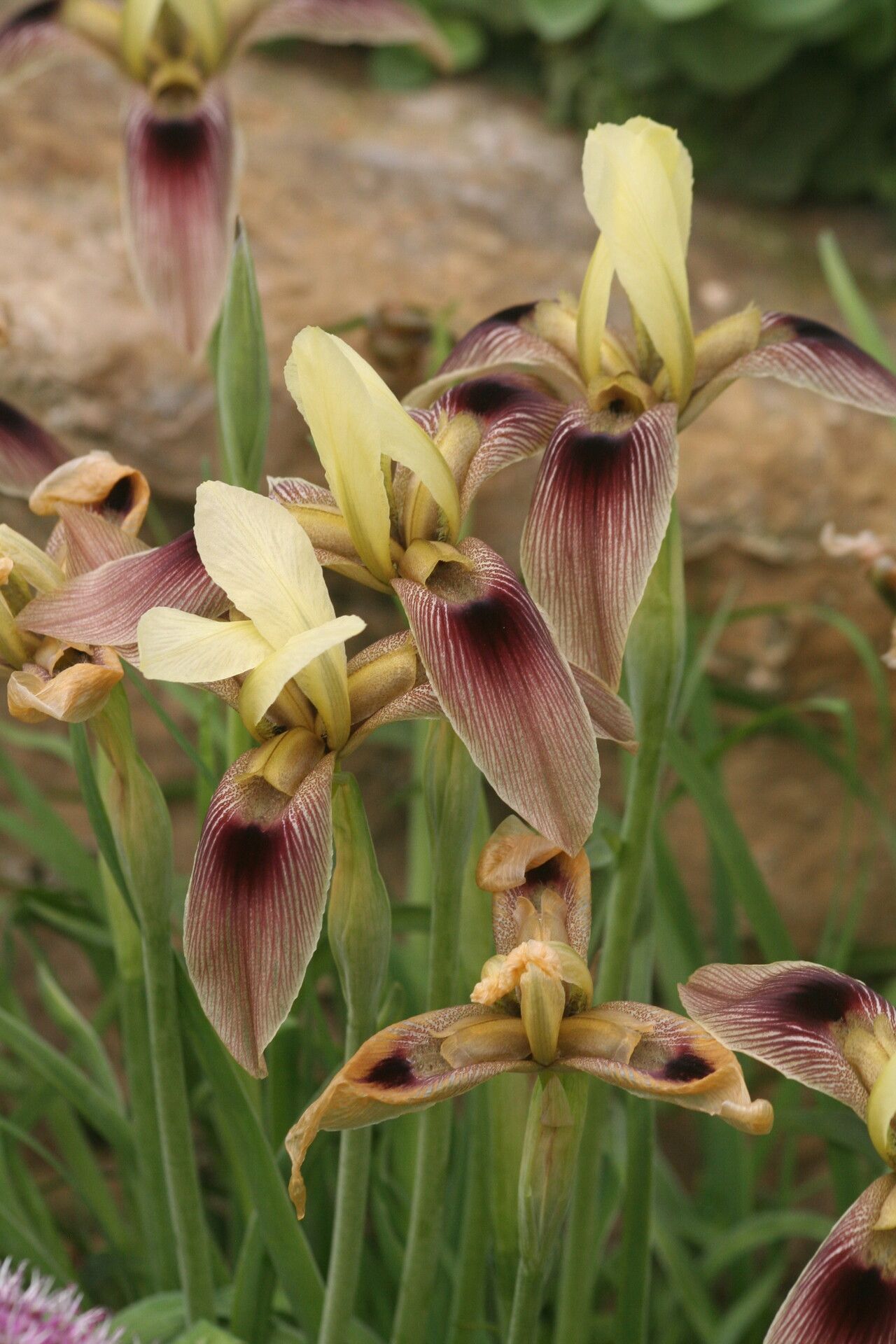
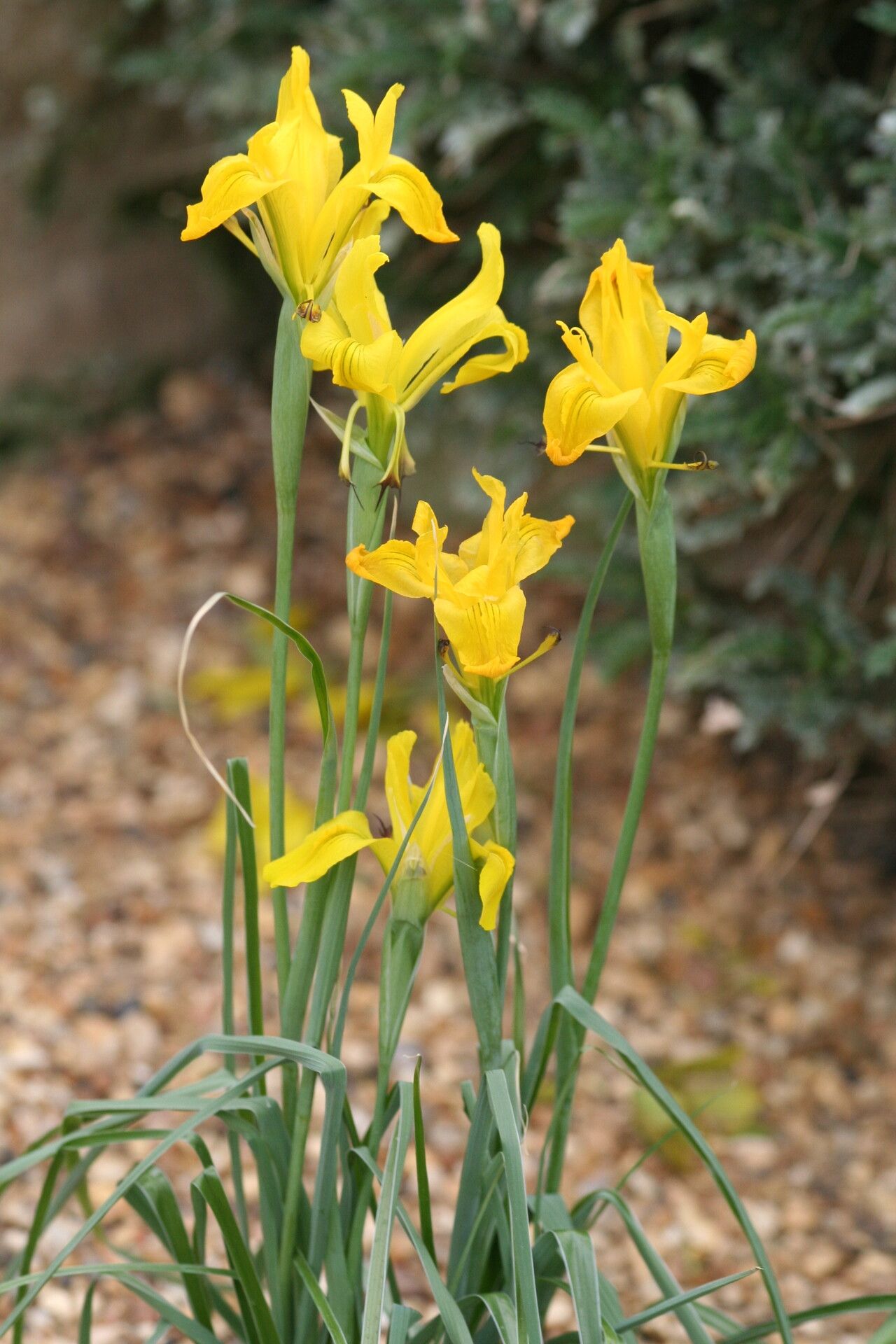
Iris forrestii is a species of flowering plant in the genus Iris, also the subgenus Limniris and in the series Sibiricae. It is a rhizomatous herbaceous perennial, from China and Burma. It has linear grassy-like leaves, long thin stem and fragrant yellow or lemon-yellow flowers. It is cultivated as an ornamental plant in temperate regions.
Sino-siberian iris has strong disease resistance and is generally not prone to illnesses. However, it can be vulnerable to pests and diseases present in its environment. Such infections are usually mild. For care, this plant needs moderate maintenance. It should be pruned regularly to preserve a neat appearance and encourage healthy growth. Fertilizing can also help stimulate flowering. Sino-siberian iris is suitable for anyone with outdoor space like a garden or patio and does not demand extensive care experience. It may need more attention if kept indoors.
How to keep Iris Forrestii.
Light
The Sino-siberian iris originates from habitats like forest understories and rocky areas, where it grows in natural shade. It favors partial sun but can adapt to full sun or full shade, showing its hardy and adaptable nature.
Water
The Sino-Siberian iris flourishes in moist meadows and prefers soil that remains consistently moist. It is important to avoid letting the soil become waterlogged or too dry. For best results, water the plant weekly to encourage lush foliage and vibrant flowers. This plant is well-suited for cooler, mountainous climates and is resilient in rainy conditions. However, it is crucial to ensure the soil drains well to prevent root rot.
Temperature
Sino-siberian iris can tolerate a broad range of temperatures, though its distribution may still be limited by particular combinations of moisture and heat. It does best in warm summer climates with adequate rainfall or watering. Extended periods of cloudy, rainy weather and sustained high temperatures both raise the likelihood of the Sino-siberian iris dying. In winter, proper protection from cold can boost the plant's survival rate.
Fertilizer
The main time to fertilize Sino-siberian iris is in early spring when the flowers are forming. The proper fertilizer promotes better blooms and helps Sino-siberian iris produce attractive flowers. Fertilizing in early spring ensures strong flowering during the season and supplies energy for dormant growth stages.
Pruning
The Sino-Siberian iris is known for its elegant, slender leaves and vibrant yellow blooms. To encourage growth and prevent disease, prune away dead foliage and spent flower stalks in the spring. Be careful not to cut too close to the base. For more effective pruning techniques, refer to horticultural guides.
Botanical profile.
- Plant Type
- Herb
- Life Cycle
- Perennial
- Genus
- Iris
- Family
- Iridaceae
- Hardiness Zone
- 5-9
- Mature Height
- 46 cm
- Mature Spread
- 20 cm
- Leaf Color
- Green
- Leaf Type
- Semi-evergreen
- Flower Color
- Yellow, Gold
- Flower Size
- 5.08 cm to 7.62 cm
- Bloom Time
- Late spring, Early summer
- Planting Time
- Spring, Autumn
- Harvest Time
- Mid summer, Late summer
- Native Area
- Myanmar, China
Other names.