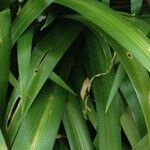
Iris japonica
Butterfly-flower · Fringed iris · Japanese crested iris
Description
Source: leafsnapIris japonica, commonly known as fringed iris, shaga and butterfly flower, is a native of China and Japan. It is a species in the genus Iris, in the subgenus Limniris and within the Lophiris section. It is a rhizomatous perennial plant, with pale blue, lavender or white flowers with an orange or yellow crest. It is cultivated as an ornamental plant in temperate regions.
💡 In Japan, the steep paths leading up to castles were planted with irises. The slippery leaves of these plants slowed down advancing enemies, giving the Japanese more time to defend themselves.
🌳 Butterfly-flower is an attractive subject for botanical photographers because of its complex markings and fragile form, but its role in supporting pollinators is often neglected. Its nectar-rich flowers feed a variety of insects, and by aiding pollination it fulfills a modest yet significant ecological role. Butterfly-flower is not noted for practical uses like fibers or essential oils, but it is content in the ecological niche it occupies.
🎭 Belief, Bravery, Understanding
Care Guide
💧 Water Every week
The Butterfly Flower flourishes in the understories of East Asian forests, where it requires moderate moisture and good drainage. Watering it once a week is sufficient to meet its hydration needs, although watering should be reduced during its dormancy in the colder months. This plant adapts well to temperate climates, making it a popular choice as an ornamental outdoor plant.
How should I water my Butterfly-flower to make it happy?
To properly water the Butterfly-flower, use filtered water at room temperature. This plant benefits from filtered water because tap water could have harmful particles. Since the Butterfly-flower originates from warm environments, it is best to avoid using cold water, which could be a shock to its system. Overhead watering should also be avoided as it can cause issues with the foliage. Instead, gently water the soil with your filtered room temperature water until it is fully soaked. This helps moisturize the roots and allows them to spread and absorb the necessary nutrients.
What should I do if I give my Butterfly-flower too much or too little water?
Overwatering is a common issue for Butterfly-flowers and can cause wilting, yellowing leaves, and diseases like root rot, mold, and mildew. Underwatering is less common but can result in brittle, brown leaves. It's crucial to spot signs of overwatering early and reduce watering if needed. Check the soil's drainage and replace it if necessary. If the plant is not getting enough water, increase watering until the signs improve.
How many times should I water my Butterfly-flower?
If your Butterfly-flower is potted, you can check if it needs water by sticking your finger in the soil. If the top two to three inches of soil are dry, then it's time to water it. If your Butterfly-flower is planted outside, you can also use this method to test the soil. When the top few inches of soil have dried out, it's time to add water. Generally, during spring and early fall, watering once a week is sufficient. However, in hot weather, you may need to water it two or more times a week. It's worth noting that mature Butterfly-flowers can tolerate drought well.
How much water does my Butterfly-flower require?
When watering your Butterfly-flower, make sure to give it a generous amount of water. Check if the top two to three inches of soil are dry, and if so, give the plant a thorough watering. The goal is to completely saturate the soil, so add enough water that it starts to drain out of the bottom of the pot. If you don't see any excess water draining, it means you haven't watered enough. However, be careful not to let water accumulate in the soil, as it can harm the plant. If the water doesn't drain properly, it may indicate that the soil is not draining well, which is not good for the plant's health. If the plant is outside, it generally needs about 1 inch of rainfall per week.
How do I water my Butterfly-flower when it is growing at different stages?
The water requirements of the Butterfly-flower can vary depending on its growth stages. When it is young or recently transplanted, the Butterfly-flower will need more water due to the energy it puts into developing new roots. These roots require extra moisture to support future growth. As the plant matures, it will require less water. Another stage that may require increased watering is during the bloom period, as flower development utilizes a significant amount of moisture.
☀️ Light Partial sun
The butterfly-flower prefers moderate sunlight and can tolerate a considerable amount of light when it is present. In its native habitat, sunlight is strong but scattered, promoting vigorous growth. Excessive continuous exposure causes scorching, while insufficient light may hinder growth and flowering.
What are the sun requirements for plants?
Plants have varying needs for sunlight, typically categorized as partial sun or full sun. Partial sun means a plant should receive about 3-6 hours of sunlight daily, while full sun refers to more than 6 hours of sunlight daily. It's crucial to observe the movement of sunlight through your garden to identify spots that offer the right balance of light and shade, ensuring your plants thrive by getting just the amount of light they need.
What are the essentials for growing a butterfly-flower?
Butterfly-flower, known botanically as Iris japonica, flourishes under moderate to ample sunlight, mirroring its natural habitat where sunlight is significant but scattered. This sun exposure encourages strong growth. However, excessive direct sunlight can cause scorching, whereas insufficient light might slow down growth and reduce flowering. In environments where natural sunlight is limited, especially during winter or in less sunny areas, artificial lighting can provide a beneficial alternative. It's advisable to use LED lights, tailored to the plant's needs, with proper wattage, distance, and duration to simulate natural light conditions effectively.
What symptoms indicate insufficient or excessive sunlight in butterfly-flowers?
Symptoms of improper sunlight exposure in butterfly-flowers vary. Insufficient light may lead to smaller new leaves, leggy growth, early leaf drop, halted growth, pale-colored leaves, and chlorosis. Excessive sunlight can cause sunscald, leaf curling, wilting, leaf scorching, and the breakdown of chlorophyll. These symptoms underscore the plant's struggle to adapt to its lighting conditions, either struggling to perform photosynthesis under low light or sustaining damage from too much direct sunlight. Adjustments in the plant's location or lighting conditions are crucial to remedy these issues.
How can you adjust the lighting for an indoor butterfly-flower experiencing symptoms of improper sunlight?
For indoor butterfly-flowers not receiving optimal sunlight, gradual adaptation is key. Start by moving the plant to slightly sunnier spots each week until it gets 3-6 hours of direct sunlight daily. If moving the plant isn't feasible due to its size, consider supplemental lighting. Keeping a desk or ceiling lamp on for at least 8 hours a day can help, or you might invest in professional grow lights to ensure the plant receives ample light. Note that while portions of the plant that have endured light deprivation may not recover, new growth should be healthy following these adjustments.
What steps should be taken for outdoor butterfly-flowers to receive adequate sunlight?
For outdoor butterfly-flowers, gradual adaptation to sunlight is also advisable to prevent sunburn. Incrementally moving your plants to sunnier locations each week helps them adjust without experiencing shock from sudden changes. If your plants are in the ground and not getting enough sun due to obstructions like trees, consider pruning to allow more light through. For small plants that can be moved, transplanting them during their dormant period, usually late winter or early spring, to a sunnier spot with good drainage can significantly improve their sunlight exposure and overall health.
🌡️ Temperature 15–35°C
Butterfly-flower is adapted to various climates and requires temperatures from 59 to 95 °F (15 to 35 °C). Originating from temperate regions, it favors moderate warmth during its growth stages. Seasonal adjustments include controlling temperature during colder periods.
What are the temperature requirements for growing Butterfly-flower?
Butterfly-flower, known botanically as Iris japonica, is adaptable to a wide range of climates, thriving in temperatures from 59 to 95 °F (15 to 35 °C). Originating from temperate regions, it flourishes under moderate warmth during its growth phases. The plant has a robust cold resistance, enabling it to usually forego special frost protection measures in winter. Nonetheless, if temperatures are anticipated to plunge below -15°C, protective actions should be taken, such as covering the plant with soil or straw to safeguard it against extreme cold. Prior to the initial freeze of autumn, it's advisable to water the plant thoroughly, ensuring the soil is moist and enters a frozen state, which helps in preventing drought and water scarcity during the colder months and into early spring.
How does the Butterfly-flower react to low temperatures?
The Butterfly-flower is notably cold-tolerant, performing optimally when temperatures remain above 15°C. During the winter, it's crucial to keep the environment above -10°C to ensure the plant's well-being. In cases where the temperature dips below -15°C, the plant may not exhibit immediate distress, but you might observe a decrease in sprouting or a complete lack of sprouting come spring. To mitigate this, it is recommended to remove any parts of the plant that have failed to sprout in the spring, aiding in its recovery and continued growth.
How should Butterfly-flower be cared for in high temperatures?
In the summer, keeping the Butterfly-flower's surrounding temperature below 35°C is essential for its health. Exposing the plant to temperatures above 41°C can lead to the leaves becoming lighter, curling, and being prone to sunburn. In severe instances, the plant might wilt and dry out completely. To counteract such issues, trim away sunburned and dried portions of the plant. Relocating the plant to shaded areas, or providing shade with a cloth during peak sunlight hours, can prevent further damage. Additionally, watering the plant during cooler times of the day, like the morning and evening, helps keep the soil moist and supports the plant's well-being.
💨 Humidity
🪴 Soil 5-6
🌱 Fertilizer
The best time to fertilize a Butterfly-flower is in early spring, when it is coming out of dormancy and starting active growth. Fertilizing supplies essential nutrients for healthy development. Although Butterfly-flower has relatively low fertilizer needs, feeding it annually can improve its survival and encourage better, longer-lasting flowers.
Why do I have to add fertilizer to my Butterfly-flower?
Fertilization is important for the Butterfly-flower and other plants as it provides essential nutrients for growth above and below ground. Although the Butterfly-flower has relatively low fertilization needs, it can still benefit from annual fertilization. This can help keep the plant alive and promote the production of longer-lasting flowers. Therefore, those who want their Butterfly-flower to thrive should ensure regular fertilization.
What is the ideal time to fertilize my Butterfly-flower?
The best time to fertilize a Butterfly-flower is in late winter to early spring when it is transitioning from dormancy to active growth. Fertilizing during this time promotes healthy growth and helps the plant start the season off well. It is also possible to fertilize in the fall, but it is not recommended during summer and winter.
When should I not put fertilizer on my Butterfly-flower?
To avoid overfertilization and potential complications, it is best to fertilize your Butterfly-flower only in late winter and early spring. This plant has low fertilization needs and a single annual feeding is sufficient. It is important not to continue fertilizing throughout spring, summer, and fall. However, if you missed fertilizing in spring, it is acceptable to feed the plant in fall. Additionally, there is no need to fertilize during winter as the Butterfly-flower is in a dormant growth phase and does not produce new growth during this time.
What kind of fertilizer does my Butterfly-flower need?
To help your Butterfly-flower thrive, you can use any general-purpose fertilizer with balanced nutrients. However, some nutrient blends can be even better. One popular belief is that higher phosphorus levels result in stronger roots and better flowers. Since Butterfly-flower is a flowering plant, it may benefit from a phosphorus-rich fertilizer. Whether it's granular or liquid, make sure the fertilizer has sufficient nutrients. Alternatively, you can improve the soil with organic methods like compost and manure, which will create a healthy growing medium for your Butterfly-flower.
How do I make my Butterfly-flower grow better?
To fertilize a Butterfly-flower, the most common method is to use granular or pellet fertilizer applied to the soil surrounding the plant. It's important to fertilize when the plant is transitioning from its dormant phase to active growth, usually in early spring when shoots start to emerge. If preferred, a liquid fertilizer can be used, but it should be diluted with water before application. Regardless of the type of fertilizer chosen, it's advisable to moisten the soil before, during, and after fertilizing.
🪴 Pot & Repot 2-3 years
To promote optimal growth, repot butterfly flowers every 2 to 3 years in early spring. Choose a pot that is one size larger and ensure it has good drainage. After repotting, give the plant a light watering and place it in partial shade. This will help the butterfly flower recover and thrive in its new environment.
✂️ Pruning
To help butterfly flowers thrive, it's important to regularly prune them in early spring or late winter. This involves removing dead foliage to stimulate new growth. Additionally, trim away spent flower stalks and thin out crowded areas to improve air circulation. This reduces the risk of disease and is essential for enhancing the plant's health and flowering potential.
🌿 Propagating
🐛 Diseases & pets
☠️ Toxicity
Characteristics
- Plant Type
- Herb
- Life Cycle
- Perennial
- Genus
- Iris
- Family
- Iridaceae
- Hardiness Zone
- 7-10
- Mature Height
- 25 cm to 76 cm
- Mature Spread
- 30 cm to 91 cm
- Leaf Color
- Green
- Leaf Type
- Evergreen
- Flower Color
- Lavender, White
- Flower Size
- 4.06 cm to 6.35 cm
- Bloom Time
- Mid spring, Late spring, Early summer
- Planting Time
- Spring
- Harvest Time
- Early summer, Mid summer
- Native Area
- Myanmar, Laos, Japan, China