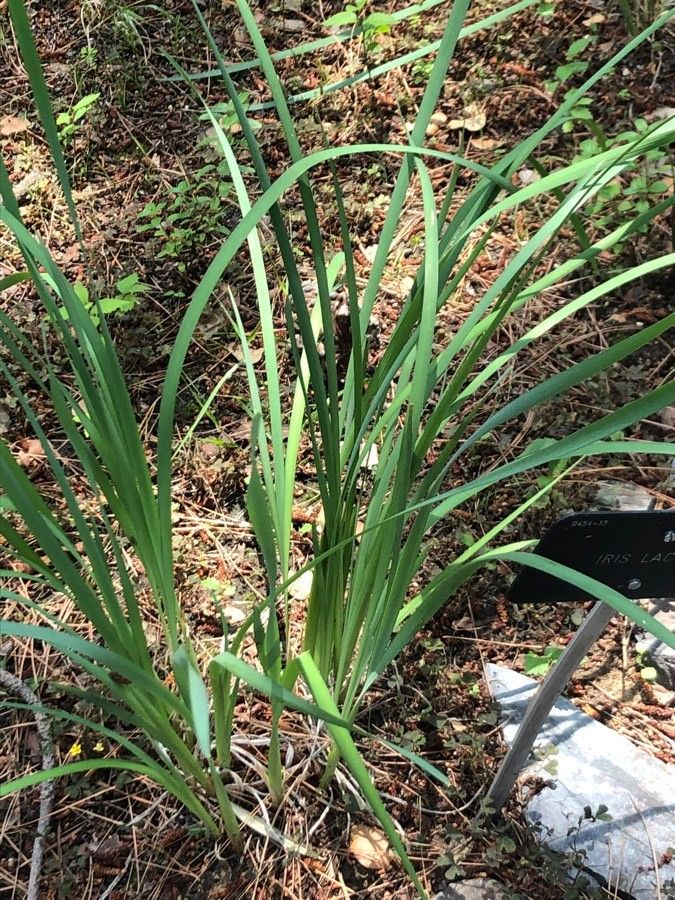
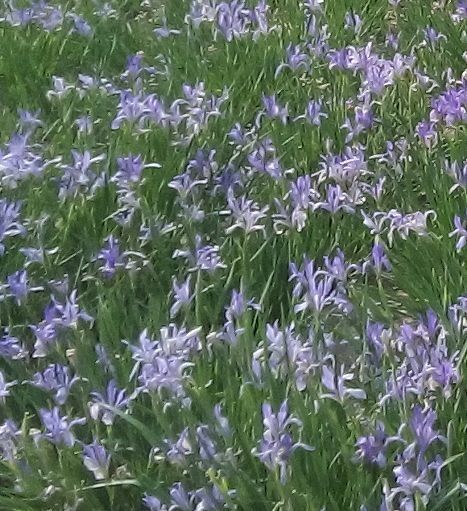
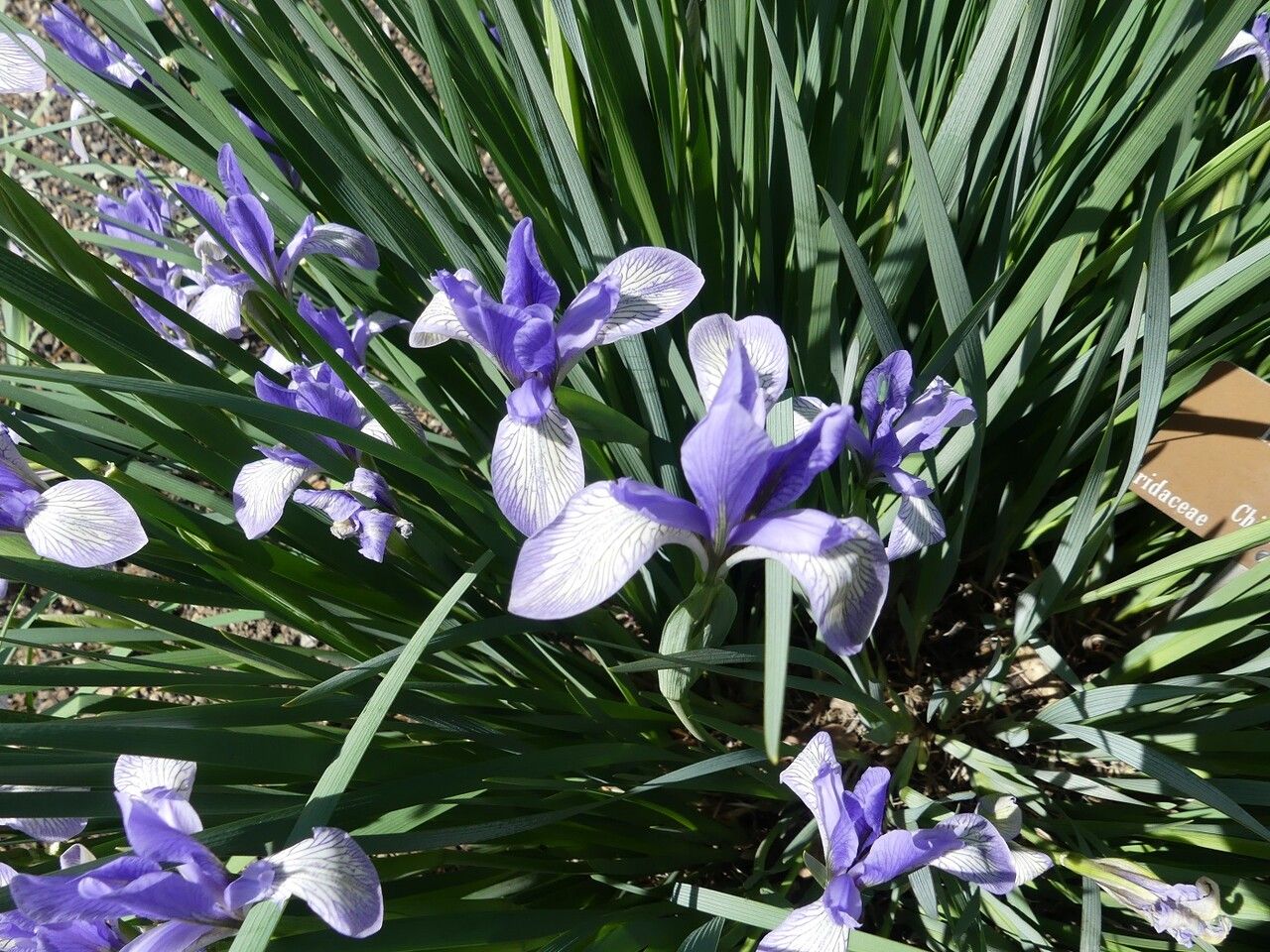
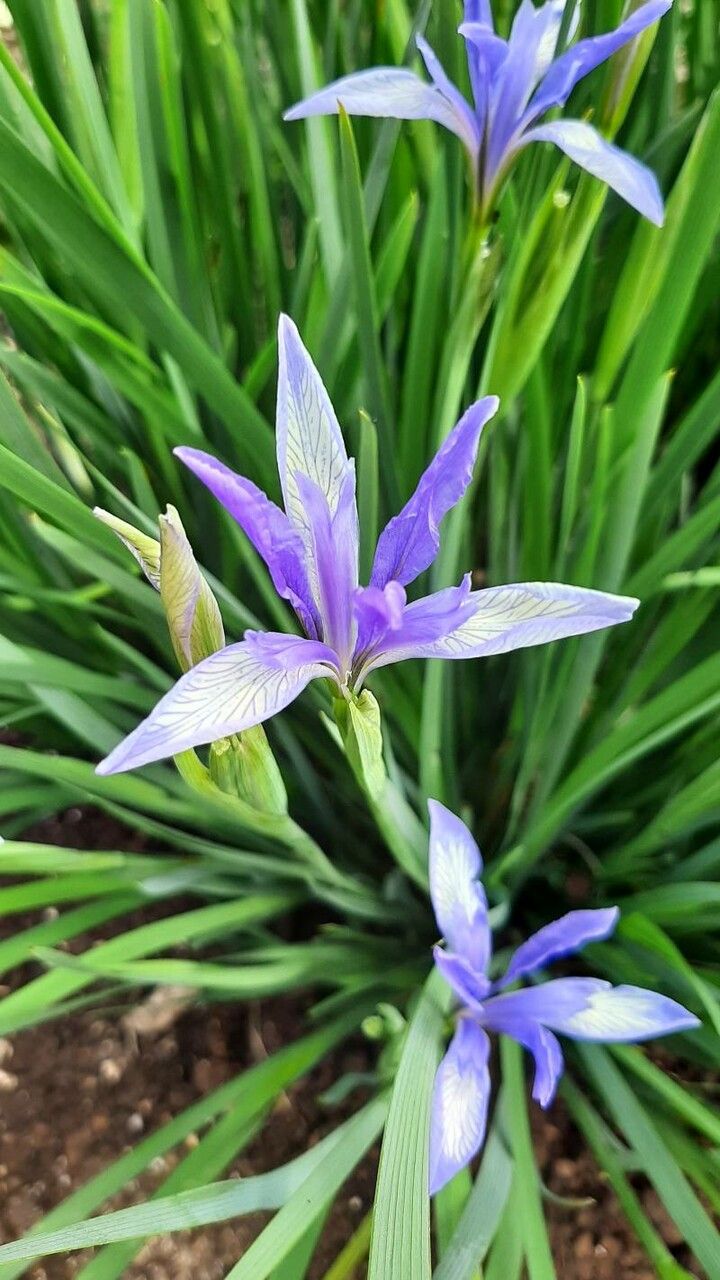
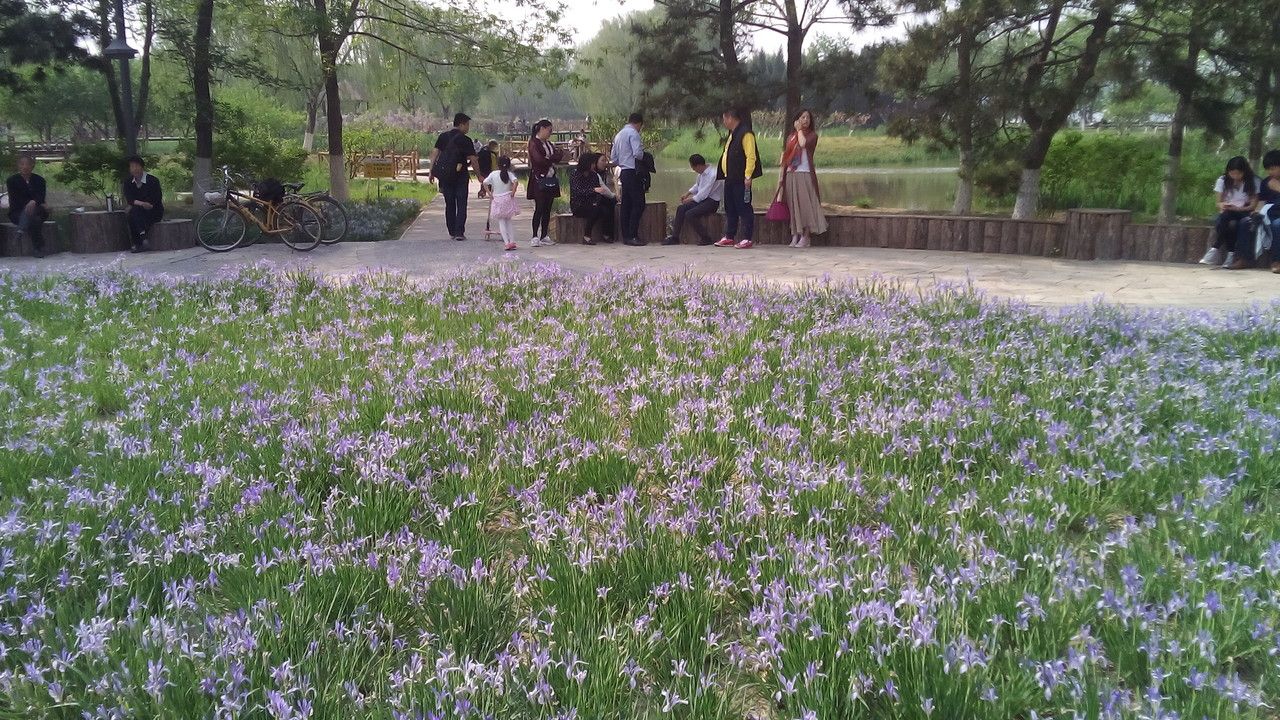
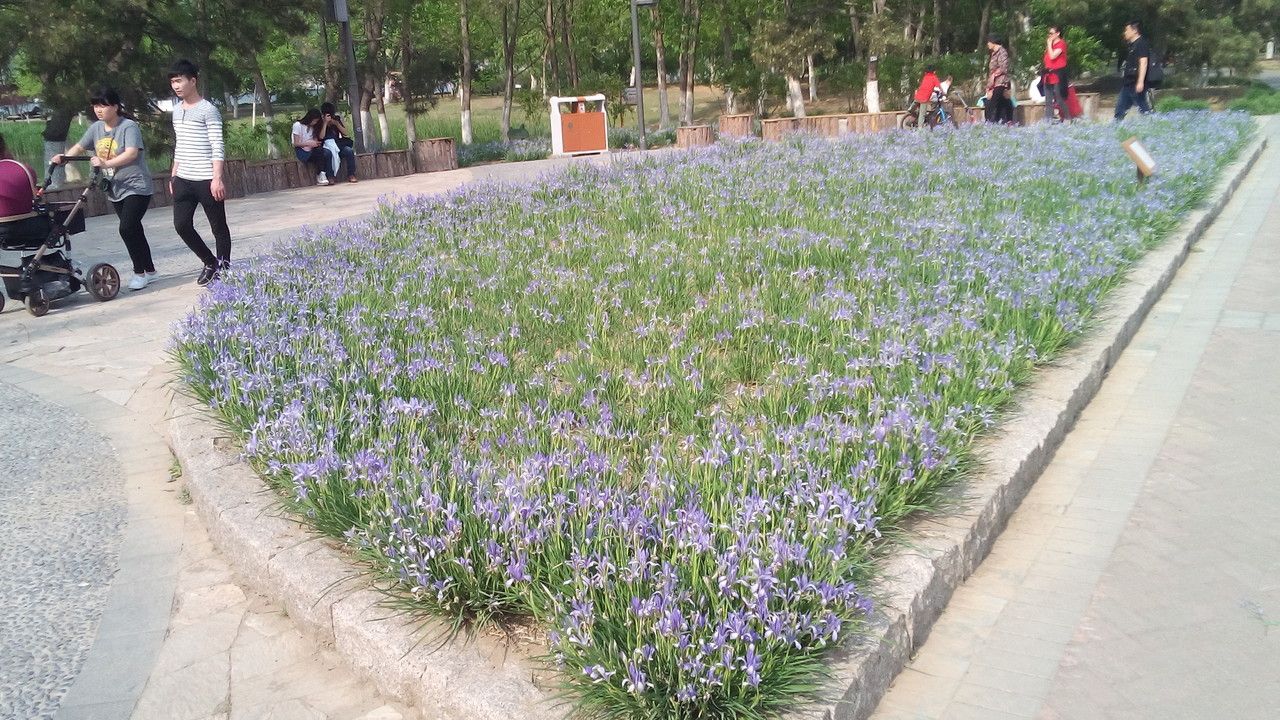
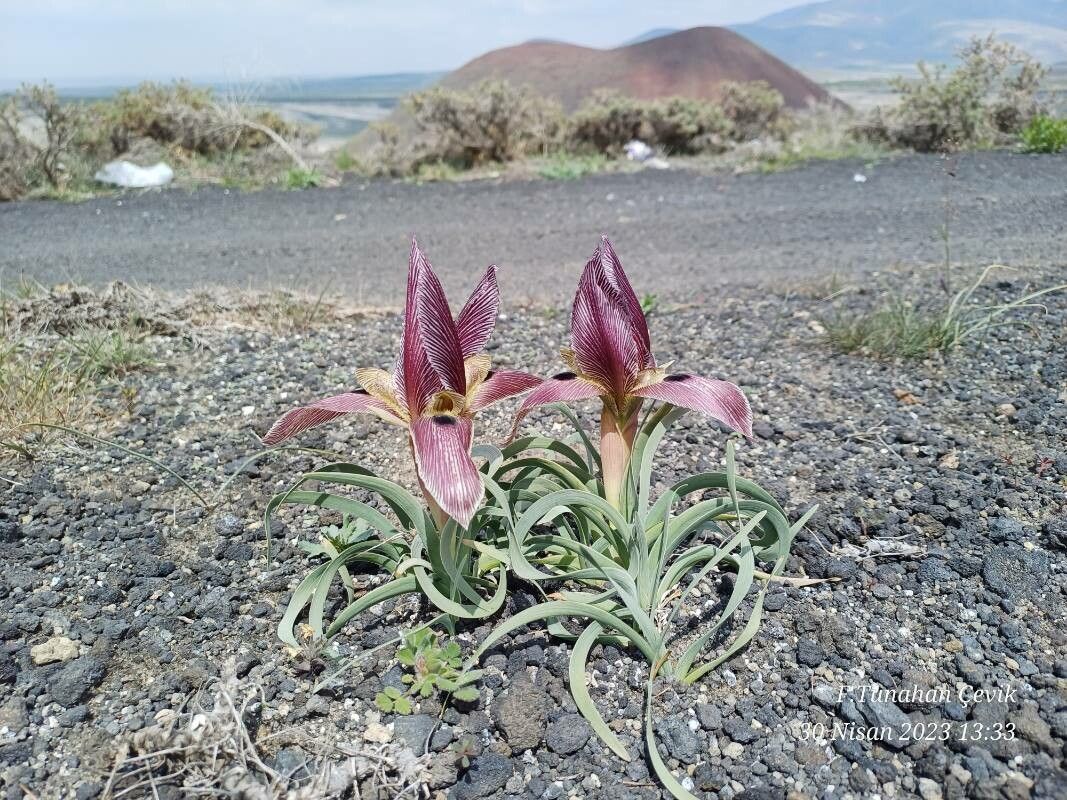
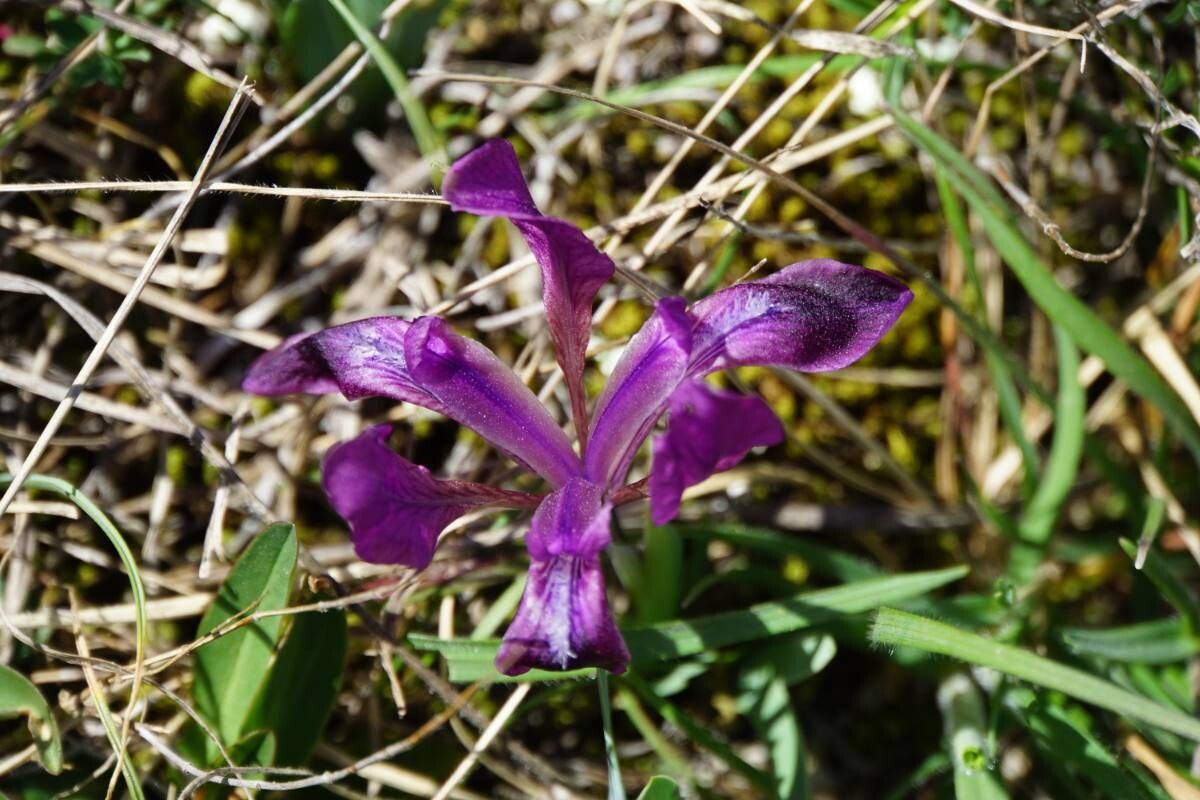
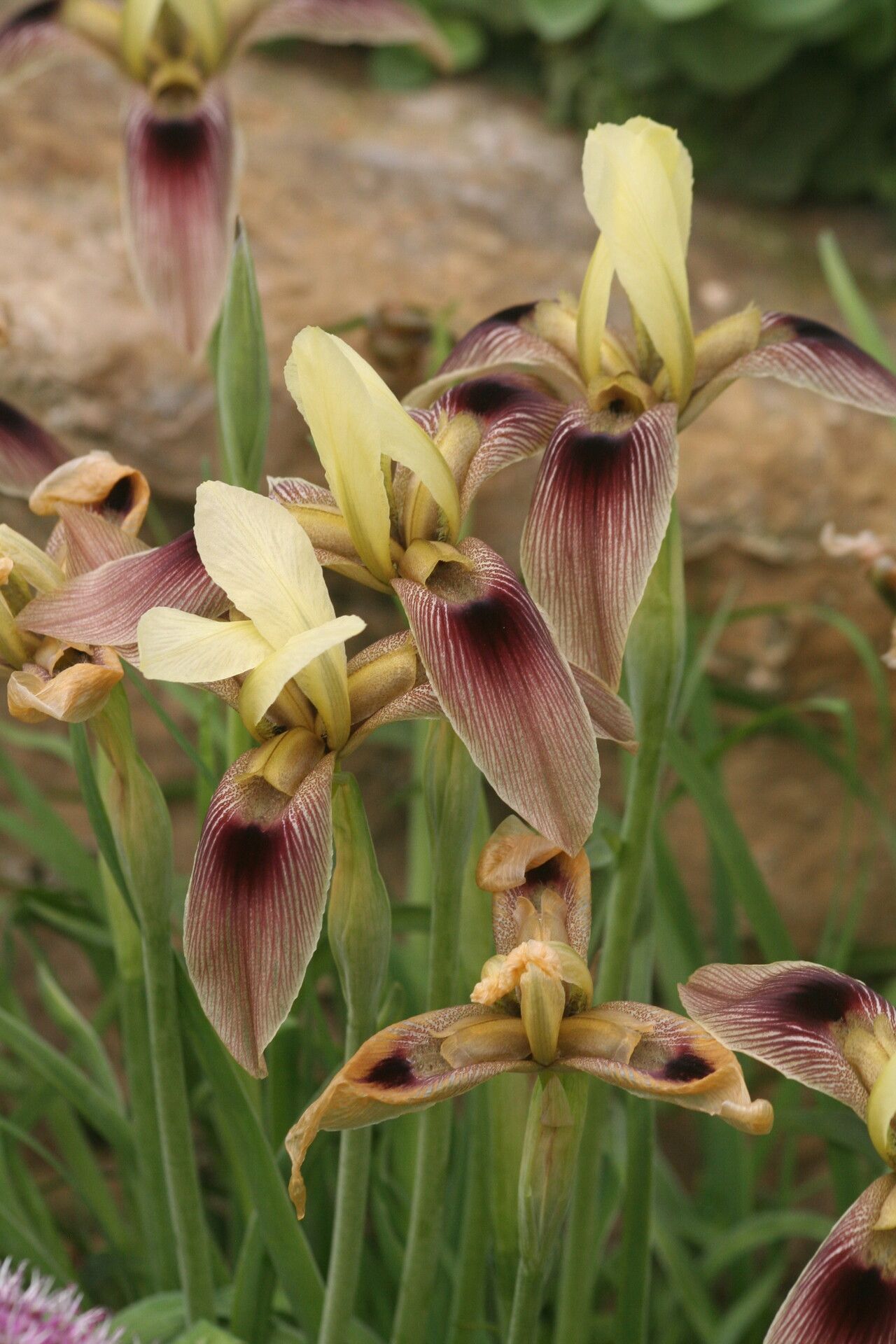
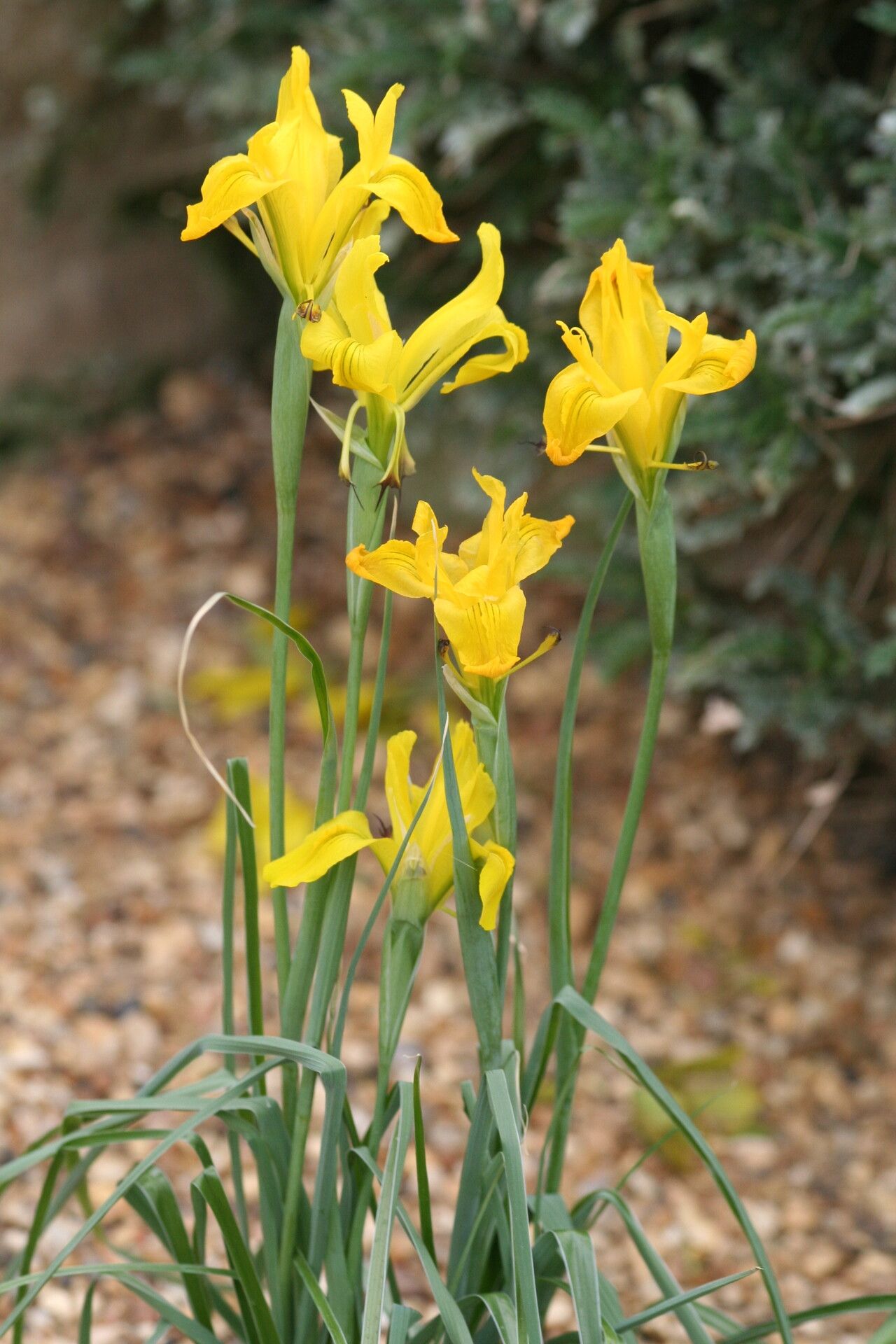
Iris lactea is a species in the genus Iris, it is also in the subgenus Limniris. and the series Ensatae, it is the only species in the series. The Japanese water iris, Iris ensata, is actually in series Laevigatae. It is a rhizomatous perennial, from central Asia, with pale blue or violet flowers. It is cultivated as an ornamental plant in temperate regions.
The white-flowered iris has strong disease resistance and is generally not prone to illnesses. However, it can be affected by pests and diseases present in its surroundings. These infections are usually mild. In terms of care, this plant requires a moderate level of maintenance. Regular pruning is needed to preserve a good appearance and support healthy growth. Fertilizing can also help encourage flowering. The white-flowered iris is suitable for anyone with outdoor space, such as a garden or patio, and does not demand extensive gardening experience. It may need more attention when grown indoors.
How to keep Iris Lactea.
Light
The iris with white flowers is a sun-loving, perennial herbaceous species native to open habitats and commonly found in meadows and grasslands. It prefers full sun but can also tolerate partial sun.
Water
The white-flowered iris is well-suited to environments with moderate moisture levels. To prevent waterlogging, it should receive consistent weekly watering. Though it benefits from natural rainfall when planted outside, additional irrigation is needed during extended dry periods or in dry climates.
Temperature
The white-flowered iris can tolerate a wide range of temperatures, but its distribution may still be restricted by different combinations of moisture and heat. It does best in warm summer conditions with sufficient rainfall or watering. Extended periods of cloudy, rainy weather, as well as prolonged high temperatures, can increase the risk of the white-flowered iris dying. In winter, adequate protection from cold can raise the plant's survival rate.
Fertilizer
The best time to fertilize a White-flowered iris is in early spring, as it comes out of dormancy and begins active growth. Fertilization supplies essential nutrients necessary for healthy development. Although White-flowered iris has relatively low fertilizer requirements, applying fertilizer annually can boost its survival and encourage better, longer-lasting flowers.
Pruning
In early to late spring, prune white-flowered irises to remove dead foliage and spent stalks. This promotes healthy growth and helps prevent disease. Regular pruning improves air circulation and enhances their appearance. For the best results, use clean, sharp tools to make precise cuts.
Botanical profile.
- Plant Type
- Herb
- Life Cycle
- Perennial
- Genus
- Iris
- Family
- Iridaceae
- Hardiness Zone
- 4-9
- Mature Height
- 49 cm
- Mature Spread
- 40 cm
- Leaf Color
- Light Green
- Leaf Type
- Semi-evergreen
- Flower Color
- Lavender
- Flower Size
- 5.08 cm to 7.62 cm
- Bloom Time
- Mid spring, Late spring
- Planting Time
- Spring, Summer
- Harvest Time
- Early summer, Mid summer
- Native Area
- Uzbekistan, Russia, Tajikistan, India, Kyrgyzstan, Kazakhstan, Mongolia, Koppen, Pakistan, South Korea, China
Other names.
Reader questions.
How should I water my White-flowered iris?
To properly water the White-flowered iris, it's best to use room temperature filtered water. Tap water may contain harmful particles, so filtered water is safer. The plant originates from a warm environment, so it's important to avoid using cold water, as it can be a shock. Additionally, it's recommended to avoid overhead watering, as it can cause problems with the foliage. Instead, thoroughly water the soil with filtered, room temperature water until it's completely soaked. This is beneficial because it helps moisten the roots and allows them to spread and absorb necessary nutrients from the soil.
What are the sunlight requirements for White-flowered iris?
White-flowered iris thrives in full sun conditions, requiring more than 6 hours of direct sunlight daily. However, it can also tolerate partial sun, which means about 3-6 hours of sunlight per day. When choosing a location for your White-flowered iris, observe how sunlight moves through your garden to find a spot that offers a good balance of light and shade, ensuring optimal growth and health of the plant.
What is the botanic name of the White-flowered iris?
The botanic name of the White-flowered iris is Iris lactea. This information helps in accurately identifying the plant and differentiating it from other species of irises.
What should I do if I give too much or too little water to my White-flowered iris?
Overwatering is a common issue for White-flowered iris and can cause wilting and yellowing of the stems and leaves. It can also lead to diseases like root rot, mold, and mildew which can kill the plant. Underwatering is less common but can still happen, causing brittle and brown leaves. It's important to notice signs of overwatering early, as some diseases may not be fixable if left too long. Reduce watering if signs of overwatering are seen, and consider replacing poorly draining soil. If signs of underwatering are present, water more regularly until signs improve.
What are the essentials for growing White-flowered iris?
The White-flowered iris, a sun-loving perennial herbaceous plant, originiates from open habitats like meadows and grasslands. It flourishes in full sun but can withstand partial sun conditions as well. If natural sunlight is not sufficient, especially during winter or in less sunny spaces, artificial lighting can be employed to promote healthier growth. Indoor plants benefit from LED lights which can be customized to provide the specific light wavelengths needed. For plants requiring full sun, 30-50W/sq ft of artificial light is recommended, 20-30W/sq ft for partial sun plants, and 10-20W/sq ft for full shade plants.
How frequently should I give water to my White-flowered iris?
If your White-flowered iris is in a pot, the most precise way to determine if it needs water is by checking the soil moisture. Stick your finger into the soil and if the top two to three inches are dry, it's time to water it. For White-flowered irises grown outdoors in the ground, you can use a similar method to test the soil moisture. Once the top few inches are dry, it's a sign to water the plant. During spring and early fall, you will typically need to water this plant about once a week using this method. However, during extremely hot weather, you may need to water it twice a week or more. It's important to note that mature and well-established White-flowered irises can tolerate drought conditions well.
What are the symptoms of insufficient light for White-flowered iris?
White-flowered iris exhibits various symptoms under inadequate lighting, including small leaves, leggy or sparse growth, faster leaf drop, slower or no new growth, lighter-colored new leaves, chlorosis, sunscald, leaf curling, wilting, and leaf scorching. These symptoms indicate the plant's struggle with light deficiency, affecting its ability to photosynthesize, grow, and maintain overall health.
How much water does my White-flowered iris require?
To properly water your White-flowered iris, don't be afraid to give it a generous amount of water. When the top two to three inches of soil are dry, it's time for a thorough watering. Make sure to water enough to saturate the soil completely. You should see excess water draining out through the bottom of the pot; if not, you may have not watered enough. However, be careful not to let water accumulate in the soil, as this can harm the plant. On the other hand, if water doesn't drain well from the pot, it could indicate that the soil doesn't drain properly, which is not good for the plant's health. If your iris is outside, about 1 inch of rain per week will be adequate.
What solutions can help White-flowered iris with insufficient sunlight?
For indoor White-flowered iris plants, gradually moving them to sunnier locations each week until achieving at least 6 hours of direct sunlight daily is advisable. Utilizing a south-facing window and keeping curtains open maximizes sunlight exposure. If needed, supplement with artificial light for at least 8 hours daily. For outdoor plants, transition them gradually to avoid shock and sunburn. Removing obstructions that block sunlight or transplanting smaller plants during their dormant phase to sunnier spots helps improve sunlight access. Note, however, parts of the plant that have been severely affected by insufficient sunlight may not recover, but new growth should be healthy with increased light exposure.
How do I water my White-flowered iris when it's growing at different stages?
The water needs of the White-flowered iris can vary based on growth stages. When the iris is young or recently transplanted, it requires more water than usual to support root growth. As the iris matures, its water needs decrease. Additionally, during the bloom period, the iris may require extra water due to increased flower development.
How do I water my White-flowered iris during different seasons?
The White-flowered iris has its highest water needs during the hottest months of the year, such as the height of summer. Depending on how quickly the soil dries out, you may need to water this plant more than once a week. However, during the winter, the plant enters a dormant phase and requires much less water. In fact, you may not need to water it at all during the winter months. If you do choose to water it during this time, make sure to do so no more than once a month to reduce the risk of disease.
How is watering my White-flowered iris different when it's inside compared to outside?
The White-flowered iris is commonly grown indoors by gardeners who do not live in temperate or tropical regions. When growing it in a container, you should be aware that the soil may dry out faster compared to ground soil. If you have air conditioning units or other drying elements, the White-flowered iris may need more frequent watering compared to if it were planted outside. In outdoor settings, you may not need to water the plant much if you receive regular rainfall, as that could be enough to keep it alive. However, if you are growing this plant indoors, you will need to water it more often since you cannot rely on rainwater to soak the soil.