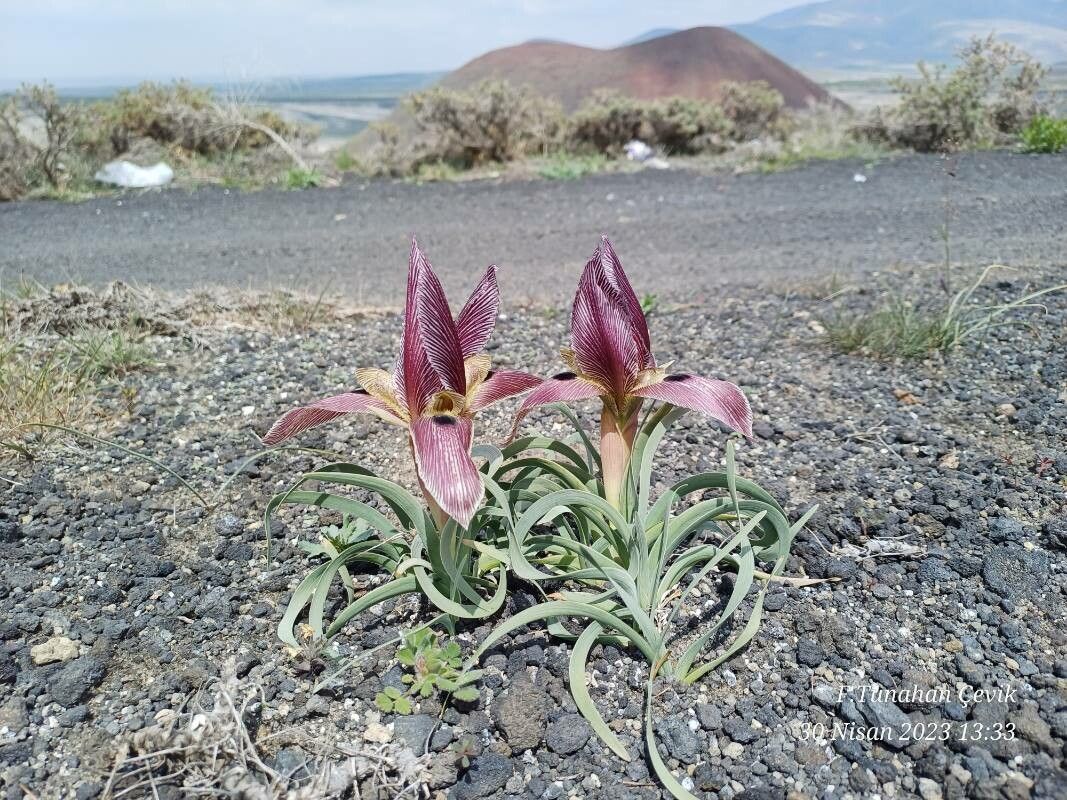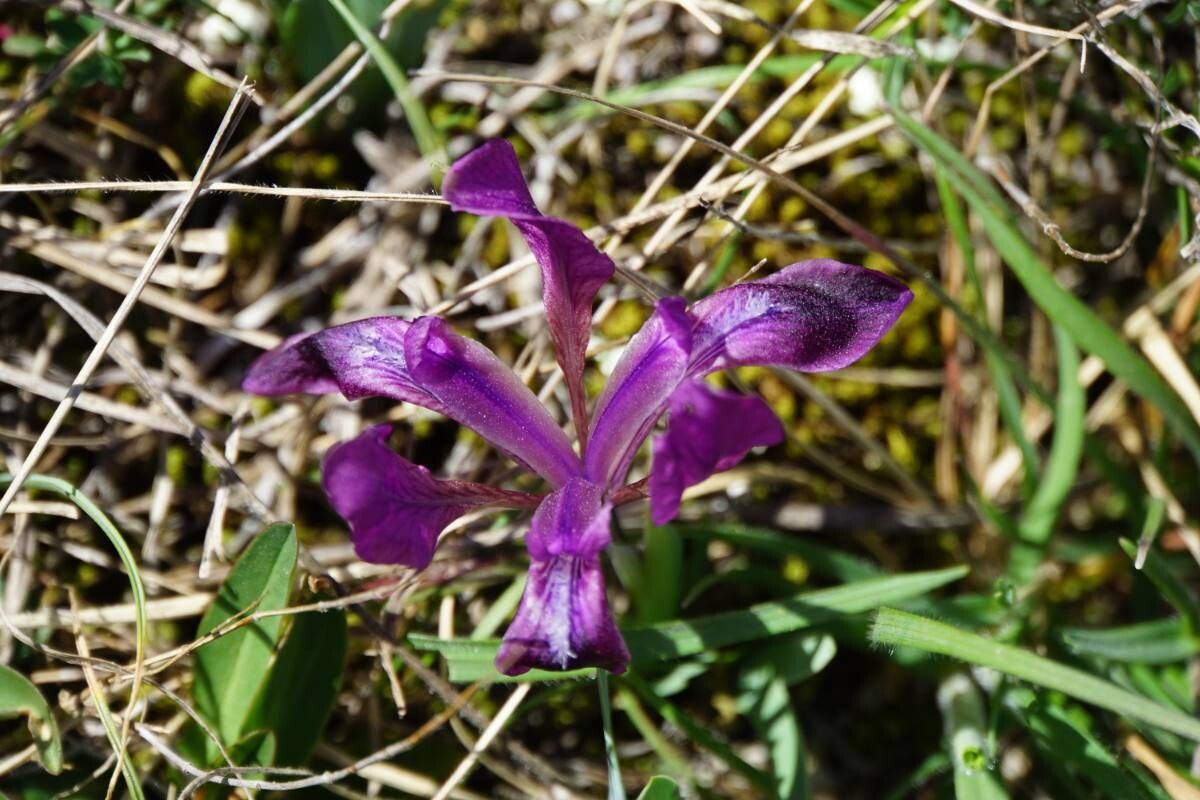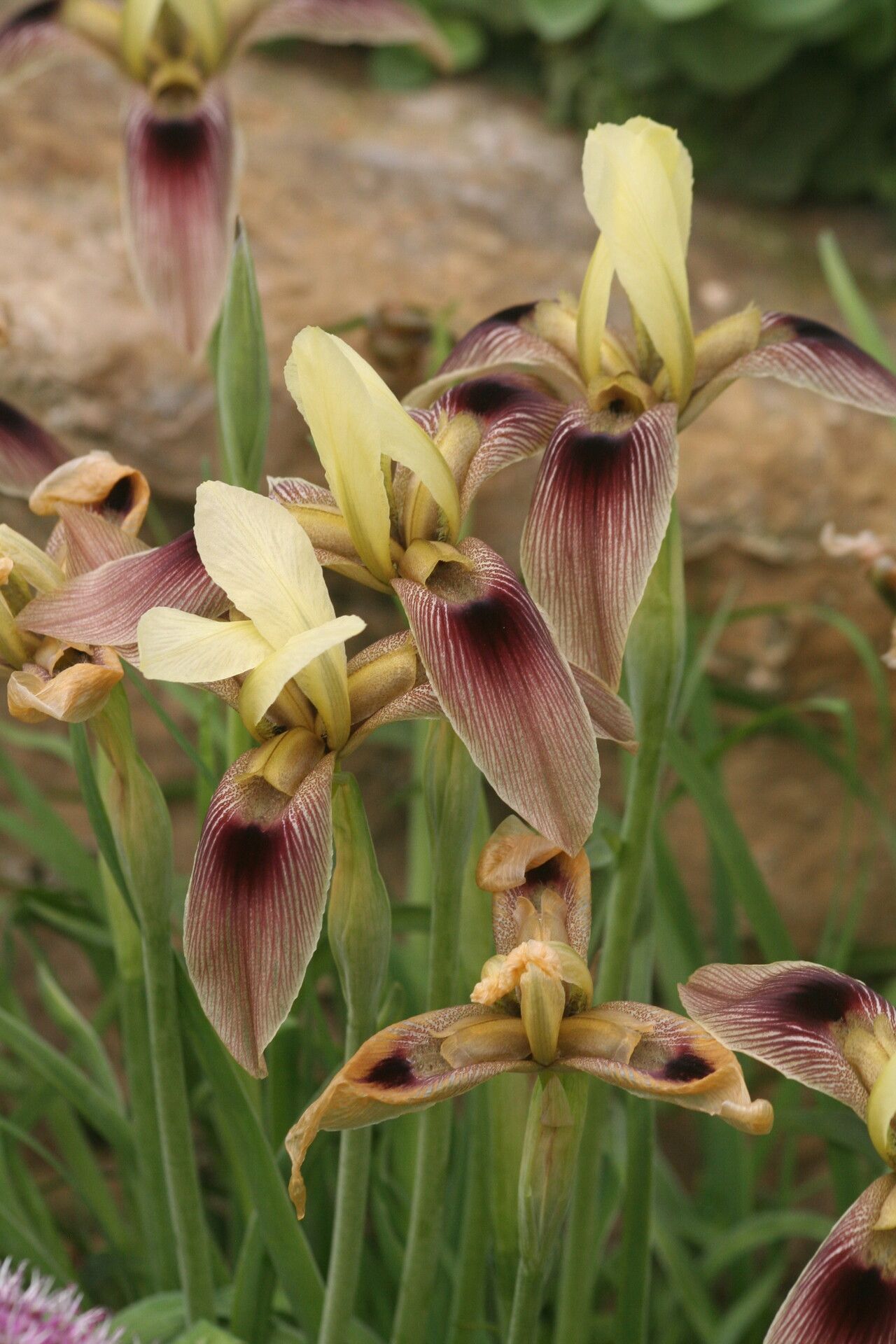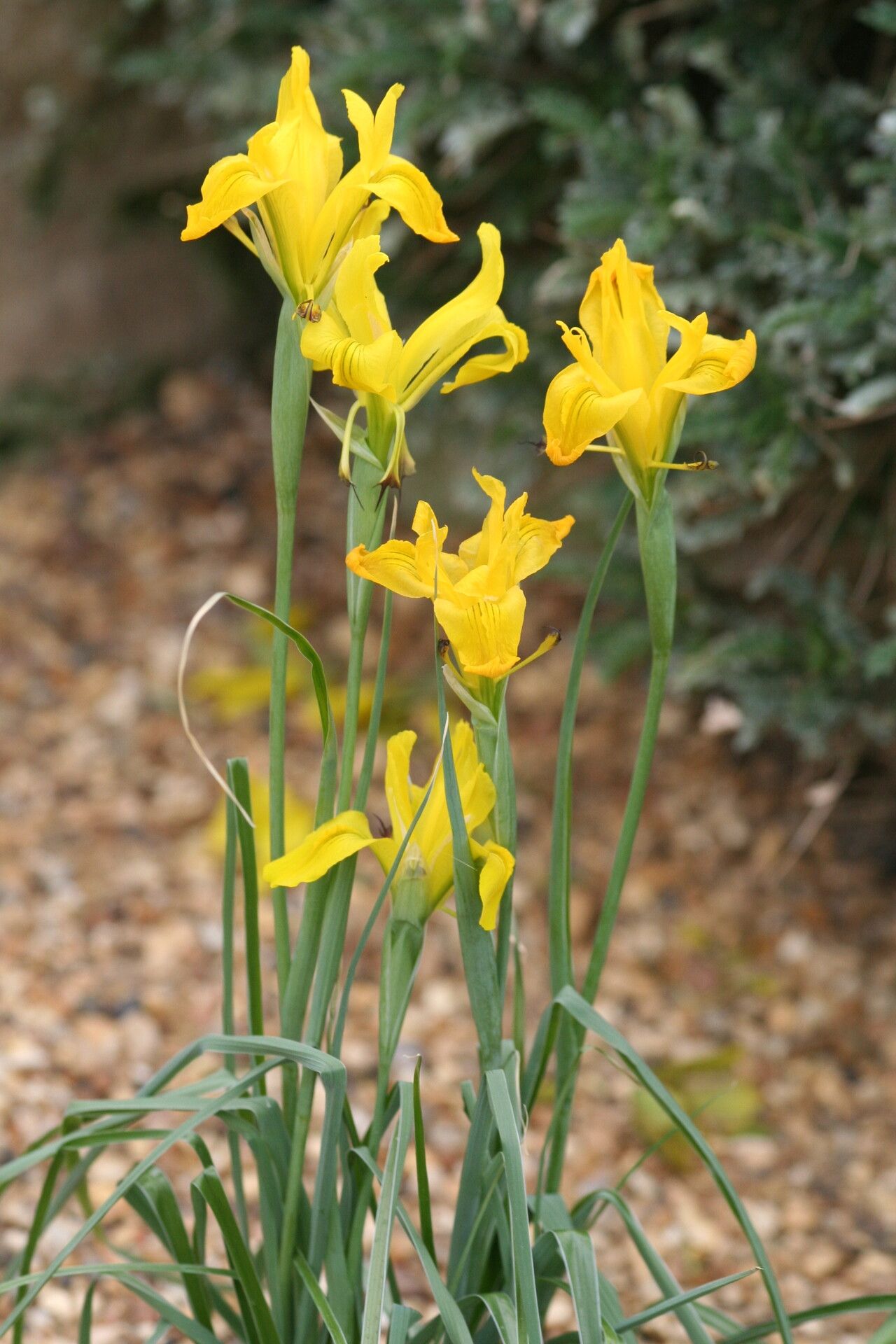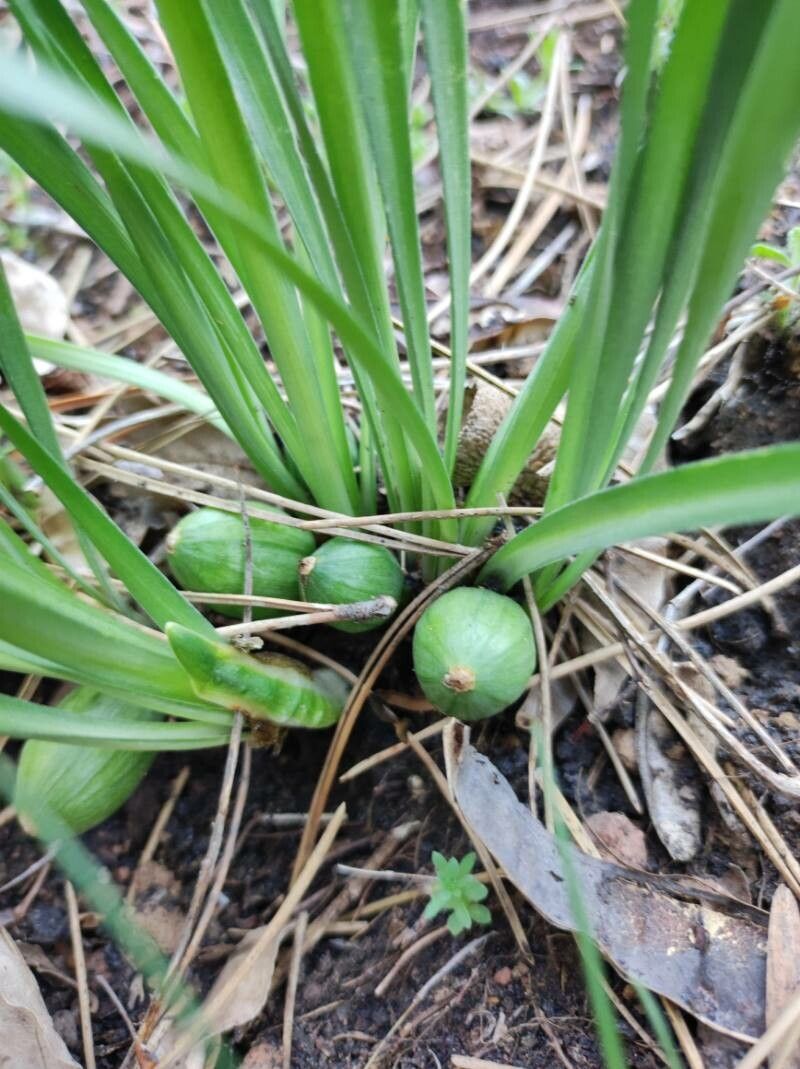
Iris ruthenica, sometimes called ever blooming iris (in the UK), Russian iris, pilgrim iris and Hungarian iris (in Europe), is a species in the genus Iris- subgenus Limniris. It is a rhizomatous perennial, with a wide distribution, ranging from eastern Europe to Central Asia. It has grass-like leaves, thick stem and violet or bluish lavender flowers which are marked with violet veining.
Pilgrim iris has good disease resistance and is generally not prone to illnesses. However, it can be vulnerable to pests and diseases present in its environment. Such infections are typically not severe. Care-wise, this plant requires medium maintenance. It needs regular pruning to preserve a neat appearance and support healthy growth. Fertilizing can also help encourage flowering. Pilgrim iris is appropriate for anyone with outdoor space, like a garden or patio, and does not demand much prior experience in plant care. It may need more attention when grown indoors.
How to keep Iris Ruthenica.
Light
Preferably, pilgrim iris is situated where it receives abundant sunlight for vigorous growth. It can, however, tolerate lower light conditions, though it may not flourish as well. Its native habitat typically provides considerable hours of sun. Excessive exposure can reduce its vigor, while insufficient light may prevent optimal growth.
Water
The Pilgrim iris, a plant native to temperate regions, thrives best with moderate moisture and can tolerate short periods of dryness. To keep it healthy, water the plant weekly, ensuring it is neither kept too damp nor allowed to dry out completely. For optimal growth, try to align its watering schedule with the natural rainfall patterns of its native climate zone.
Temperature
Pilgrim iris originates from temperate regions and does best in temperatures between 32 and 77°F (0 to 25℃). It tolerates seasonal temperature changes but prefers cooler conditions. During hotter weather, it should be given some shade.
Fertilizer
The primary time to fertilize Pilgrim iris is in early spring while the flowers are forming. The appropriate fertilizer promotes better blooms and helps Pilgrim iris produce attractive flowers. Fertilizing at that time supports strong flowering during the season and supplies energy for dormant growth phases.
Pruning
Pilgrim iris is a vibrant perennial known for its blue-violet flowers and thrives when properly pruned. The best time for pruning is from early to late spring. During this period, remove any damaged parts and deadhead the flowers to extend blooming. In the fall, trim the foliage to prepare the plant for dormancy, which also improves airflow and enhances the overall vigor of the plant.
Botanical profile.
- Plant Type
- Herb
- Life Cycle
- Perennial
- Genus
- Iris
- Family
- Iridaceae
- Hardiness Zone
- 2-3
- Mature Height
- 15 cm to 20 cm
- Mature Spread
- 10 cm to 15 cm
- Leaf Color
- Green
- Leaf Type
- Semi-evergreen
- Flower Color
- Purple, Lavender
- Flower Size
- 3.05 cm to 5.08 cm
- Bloom Time
- Early spring, Mid spring
- Planting Time
- Spring, Summer
- Harvest Time
- Late spring, Early summer
- Native Area
- Russia, Kyrgyzstan, Kazakhstan, Mongolia, Koppen, South Korea, Romania, China
Other names.
Reader questions.
How should I water my Pilgrim iris plant?
When watering the Pilgrim iris, it is important to use filtered water at room temperature. Tap water may contain harmful particles, so filtered water is preferred. The Pilgrim iris comes from a warm environment, so it is best to avoid using cold water as it can be a shock to the plant. Additionally, overhead watering should be avoided to prevent foliage complications. Instead, it is recommended to apply filtered room temperature water directly to the soil until it is completely soaked. This helps moisten the roots and allows them to spread through the soil and gather the necessary nutrients.
Why should I put fertilizer on my Pilgrim iris?
Fertilizing your Pilgrim iris is key to maintaining its beautiful leaves and ensuring they are functioning properly. Proper fertilization will result in consistent color and a healthy texture of the leaves. It also aids in root development and maintenance, both above and below the soil. By fertilizing, you not only keep your plant healthy in the present, but also improve its ability to absorb nutrients in the long run.
What kind of sunlight does the Pilgrim iris require?
Pilgrim irises require full sun every day - at least six hours of sunlight is necessary to keep their leaves, roots, and blooms healthy. While most perennials also need six hours of sunlight, certain plants like the Orange Daylily or Giant Coreopsis can survive on as little as three hours of sunlight. However, it's important to note that while these flowering plants can survive with just three hours of direct sunlight, they won't thrive as well as they would in sunnier conditions.
What temperature is best for Pilgrim iris?
To maximize the growth of Pilgrim iris, it is ideal to keep them within a specific temperature range of 65~75℉ (18~25℃). While they can tolerate higher and lower temperatures, it is best to keep the growing area within a few degrees of this range. Deviating from this range does not mean they will stop growing, as Pilgrim iris can handle a wider range before suffering damage or reduced growth. On the higher end, temperatures between 75~85℉ (25~30℃) are manageable. On the lower end, they can tolerate temperatures as low as 5℉ (-15℃). However, it is important to note that maintaining a cooler environment is crucial for Pilgrim iris. Allowing temperatures to exceed the upper range may slow down growth, and temperatures above 85℉ (30℃) could be fatal to the plant.
What should I do if I give my Pilgrim iris plant too much or too little water?
Overwatering is a common problem for Pilgrim iris plants and can lead to wilting, yellowing leaves, and diseases like root rot, mold, and mildew. Underwatering is less common but can cause brittle, brown leaves. It's important to recognize the signs of overwatering early to prevent irreversible damage. Reduce watering if you notice early signs and consider replacing poorly draining soil. If your Pilgrim iris shows signs of underwatering, increase watering until the signs disappear.
When should I fertilize my Pilgrim iris?
If you grow your Pilgrim iris outdoors each year, you will see new growth in early spring. This is a sign that it's time to fertilize for the year. Usually, one application of fertilizer is enough for the iris. But, if you want to maximize its growth, you can feed it multiple times throughout the spring and early summer. In that case, you can fertilize it about once every month to a month and a half.
Can Pilgrim iris get damaged by sunlight? How can I protect Pilgrim iris from the sun and heat damage?
In warm climates, some Perennial Flowering Plants may struggle with excessive heat and suffer from sun damage. They can wilt, dry out, or even experience growth problems if they are consistently exposed to the intense afternoon sun. However, not all plants require protection from the light afternoon sun. For those that are harmed by intense afternoon exposure, it is recommended to provide them with some shade in warmer climates. Gardeners can achieve this by planting these plants in areas that do not receive direct heat during the afternoon, such as under trees or behind bushes.
Does the Pilgrim iris need different temperatures at different stages of growth?
To ensure the health of Pilgrim iris during its early growing stages, it is crucial to maintain a temperature range of 65~75℉ (18~25℃). It is recommended to stay towards the cooler end of this range, but be careful not to go below -5℉ (-20℃). While extremely cold temperatures can impede growth at any stage, they are not as harmful as excessively hot temperatures. If temperatures are too high during the budding stage, Pilgrim iris may fail to flower altogether.
How often should I give water to my Pilgrim iris?
If your Pilgrim iris is in a pot, you can check if it needs water by sticking your finger into the soil. If the top two to three inches of soil feel dry, it's time to water it. For Pilgrim irises planted outdoors, you can use the same method to test the soil. When the top few inches of soil have dried out, it's time to add water. Usually, during spring and early fall, you'll need to water this plant about once a week. But in extremely hot weather, you may need to water it twice a week or more. However, mature and well-established Pilgrim irises have a remarkable ability to withstand drought.
When should I not put fertilizer on my Pilgrim iris?
During the late fall and winter, your Pilgrim iris goes into a dormant phase and stops producing new growth. It's important to avoid fertilizing your Pilgrim iris during this time. In the spring and summer, if you choose to fertilize multiple times, start reducing the amount of fertilizer as summer approaches because the growth rate of your Pilgrim iris slows down too. It's never a good idea to fertilize your Pilgrim iris when the weather is unusually hot or the soil is extremely dry. Fertilizing in those conditions can stress your Pilgrim iris and cause it to die prematurely.
Should I keep Pilgrim iris from getting too much sun?
Certain perennial plants require ample sunlight to reach their maximum bloom. However, in warmer climates, some of these plants actually benefit from less sun. For instance, individuals residing in hotter regions might find it beneficial to shade their flowering perennials during the intense afternoon sun, especially during summer months. Although many perennial flowering plants prefer partial shade in the hottest climates, there are exceptions. Take the Giant Coreopsis, for example, as it is not bothered by excessive sun exposure. These plants can flourish even when placed in the full sun during scorching weather.
Three ways to make sure the temperature of Pilgrim iris stays in check
Here are some tips for growing Pilgrim iris indoors: 1. Choose the coldest room in your home for growing Pilgrim iris. This room should be on the side of the house that doesn't get too hot from the sun's harsh heat. However, the room should still receive a healthy amount of sunlight for the iris to grow properly. 2. If your Pilgrim iris is not flowering properly, it may be because it's too hot. During the spring and early summer growing season, high temperatures can negatively affect the iris, causing buds to turn into non-flowering buds. To prevent this, keep the temperature around 65~75℉ (18~25℃). 3. Avoid frost damage by protecting your Pilgrim iris. Although it can tolerate lower temperatures as low as -5℉(-20℃), significant frost can harm the plant. Watch out for wilted and discolored sections, which will turn brown or black as they die. If you see these signs, prune the affected parts to keep the plant alive.