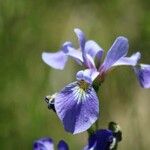
Iris setosa
Arctic blue flag · Arctic iris · Beach-head iris · Mountain iris · Alaska iris
Description
Source: leafsnapIris setosa, commonly known as the beachhead iris or wild flag, is a flowering plant species within the Iridaceae family. Native to North America, it thrives in wetlands, marshes, and along shorelines. The plant typically reaches heights of up to 60 cm and features long, narrow, sword-shaped leaves. The flowers of Iris setosa are particularly striking, presenting a unique beauty with three blue-violet petals adorned with white or yellow markings. These blossoms appear from May to July and attract pollinators such as bees and butterflies. This hardy plant can withstand temperatures well below freezing, making it suitable for colder regions like Alaska and Canada. While Iris setosa prefers moist soil conditions, it can also thrive in drier soils if adequately watered. Historically, Native Americans used Iris setosa for medicinal purposes, treating ailments like headaches, stomach issues, and skin irritations. In summary, Iris setosa is a visually appealing flowering plant that enhances wetland areas and provides ecological benefits by attracting pollinators, thus helping maintain biodiversity within its ecosystems.
Care Guide
💧 Water Every 2 days
The beach-head iris flourishes in moist environments, needing consistent watering and well-hydrated soil. While it can tolerate short dry spells, it benefits from weekly watering to mimic its native habitat. Typically grown outdoors, this plant depends on seasonal rainfall for optimal growth, without becoming waterlogged.
How should I water my Beach-head iris plants?
To properly water the Beach-head iris, it is recommended to use filtered water at room temperature. Tap water may contain harmful particles, making filtered water a better choice. Since the Beach-head iris is native to warm environments, it is important to use water that is at room temperature or slightly warmer to prevent shocking the plant. Avoid watering the plant from above, as this can cause problems with the foliage. Instead, generously water the soil with filtered room temperature water until it is thoroughly soaked. This method is beneficial as it provides moisture to the roots and supports their growth and nutrient absorption in the soil.
What should I do if I give too much or too little water to my Beach-head iris?
Overwatering is a common issue that can harm your Beach-head iris. It causes wilting, yellowing of stems and leaves, and can lead to diseases like root rot, mold, and mildew that can kill the plant. Underwatering is less common, but still possible, causing brittle, brown leaves. It's important to notice signs of overwatering early, as some diseases may not be fixable if left too long. Reduce watering and replace poorly draining soil if you see signs of overwatering. If underwatering is the issue, simply water more regularly until the signs improve.
How frequently should I water my Beach-head iris?
If your Beach-head iris is in a pot, you can easily determine if it needs water by sticking your finger into the soil. If the first two to three inches of soil have become dry, it is time to water it. For those growing Beach-head iris outdoors in the ground, you can use a similar method to test the soil. Once the top few inches of soil have dried out, it is time to water the plant. Typically, during the spring and early fall, watering once a week is sufficient. However, during extremely hot weather, you may need to water the plant twice or more per week. It's important to note that mature, well-established Beach-head iris plants have a remarkable ability to tolerate drought.
How much water does my Beach-head iris require?
When watering your Beach-head iris, don't hold back on the amount of water you give. Make sure the first two to three inches of soil are dry before watering, and then water the plant thoroughly. Add enough water to completely saturate the soil, allowing excess water to drain through the pot's drainage holes. If you don't see excess water draining, you may have underwatered your plant. However, be cautious not to let water accumulate in the soil as this can harm the plant. On the other hand, if water does not drain properly, it could indicate poorly draining soil, which is not good for the plant's health. If the plant is outside, about 1 inch of rain per week should be enough.
How should I water my Beach-head iris as it grows?
The water requirements of the Beach-head iris can vary depending on its growth stages. In the initial years of its life, or when it has recently been transplanted, it will require more water. During these stages, the iris focuses on developing new roots to support future growth, and these roots perform better with increased moisture. As the iris matures, it will require less water. Additionally, during the blooming period, the iris will need more water as the development of flowers requires a significant amount of moisture.
☀️ Light Full sun
Beach-head iris prefers maximum sun exposure throughout the day and can tolerate reduced sunlight only to a limited degree. Its origins in exposed environments reflect this tendency. A proper balance of light supports healthy development, while too much or too little light can cause poor growth.
What kind of sunlight does Beach-head iris require?
The Beach-head iris is a plant that requires abundant sunlight every day, at least six hours, in order for its leaves, roots, and blooms to stay healthy. While most perennials also need six hours of sunlight each day, some plants like the Orange Daylily or Giant Coreopsis can survive with as little as three hours of direct sunlight. However, it's important to note that although these perennial flowering plants can survive with just three hours of sunlight, they may not flourish as they would in sunnier conditions.
Can the sun harm Beach-head iris? How can Beach-head iris be safeguarded from sun and heat damage?
In warm climates, some Perennial Flowering Plants may struggle with excessive heat and suffer from sun damage. They can wilt, dry out, or even experience growth problems if they are consistently exposed to the intense afternoon sun. However, not all plants require protection from the light afternoon sun. For those that are harmed by intense afternoon exposure, it is recommended to provide them with some shade in warmer climates. Gardeners can achieve this by planting these plants in areas that do not receive direct heat during the afternoon, such as under trees or behind bushes.
Should I make sure Beach-head iris doesn't get too much sun?
Certain perennial plants require ample sunlight to reach their maximum bloom. However, in warmer climates, some of these plants actually benefit from less sun. For instance, individuals residing in hotter regions might find it beneficial to shade their flowering perennials during the intense afternoon sun, especially during summer months. Although many perennial flowering plants prefer partial shade in the hottest climates, there are exceptions. Take the Giant Coreopsis, for example, as it is not bothered by excessive sun exposure. These plants can flourish even when placed in the full sun during scorching weather.
What will happen if Beach-head iris doesn't get enough sunlight?
If you're growing Beach-head iris and they're not getting enough sunlight, you'll see signs of their needs not being met. Most plants won't have as many blooms as they would with full sun exposure. Some plants may have dry spots on their leaves, but they will still bloom to some extent. However, the flowers will be smaller and less full.
Does the Beach-head iris require any specific sunlight-related care as it goes through different stages of growth?
Beach-head iris is a wonderful flower to have in your garden. It thrives best when it receives at least six hours of sunlight every day. However, to keep the flowers fresh for a longer period, it can be beneficial to provide some shade during the hottest parts of the day. For young Beach-head iris plants, it's important to make sure they receive enough sunlight but are protected from intense afternoon heat. On the other hand, if you have a fully mature plant, providing it with plenty of sun will help promote healthy growth.
🌡️ Temperature 0–32.2°C
Beach-head iris occurs naturally in climates with temperatures between 32 and 90°F (0 to 32°C). Its preferred temperatures are within that range. When growing beach-head iris in different seasons, adjust its temperature conditions accordingly to imitate its natural habitat for optimal growth.
What temperature is best for Beach-head iris?
The best temperature for Beach-head iris depends on the time of year and can be divided into two seasons: the growing season and the dormancy season. During the growing season, which is when the plant starts to sprout, the ideal temperature range is between 65-80℉ (18-27℃). If the temperature drops below 15℉ (-10℃), the plant may suffer, with its leaves browning and wilting. However, if it's a short cold snap, the Beach-head iris might survive with some assistance. On the other hand, during the warmer parts of the year, the plant should also be protected from excessively high temperatures. The upper limit of this plant's temperature range is 95-105℉ (35-40℃), as anything above that can damage the foliage and blooms. Hotter temperatures can lead to wilting, drooping, and sunburn on the leaves, making it difficult for the Beach-head iris to recover. Fortunately, there are several quick and easy ways to address this issue.
The temperature needs for young or new Beach-head iris plants.
If you have recently planted a new Beach-head iris outside for the first time, it is important to give it extra care during the coldest months. Frost can cause severe damage and prevent the plant from growing back healthy in the spring. To protect the plant, make sure it stays at a temperature of 40℉(5℃) or above. This can be achieved by either bringing the Beach-head iris inside for a month or two or using mulch or fabric barriers to shield it from frost. During the first year or two, it is advisable to plant the Beach-head iris in a shadier area. This helps smaller and weaker plants regulate their temperature in hot weather. Direct sunlight should be limited to no more than five hours per day for first-year Beach-head iris, particularly when the daytime temperature rises above 80℉(27℃). To control heat during the summer, use shadecloth and water or mist the plant frequently.
How can I keep Beach-head iris safe from very hot or very cold weather?
To protect Beach-head iris from cold temperatures during the growing season, there are a few options you can consider. If you're growing Beach-head iris in a container, you can bring the container inside where there is bright, indirect light until the temperatures rise above -10℃ (15℉) again. For ground-planted Beach-head iris, you can use mulch or horticultural fabric to create a barrier around the plant. This barrier will insulate the plant and protect it from frost and cold wind. On the other hand, if the temperatures exceed 27℃ (80℉) and the plant is exposed to prolonged sunlight, it's important to limit the exposure to no more than six hours per day, preferably in the morning hours. Setting up shade cloth or a fine plastic mesh can help reduce direct sunlight during the hottest parts of the day. Additionally, installing a misting system around the base of the plant can release a slow, cooling mist to lower ground temperatures.
Recommended temperature guidelines for Beach-head iris during the dormant season.
Beach-head iris requires a certain amount of cold during the winter to remain dormant until it's ready to emerge. It's important for the iris not to sprout too early, before the last frost has occurred, as this can be fatal. Ideally, winter temperatures should stay below freezing, but temperatures up to 40℉ (5℃) are acceptable. In more temperate climates, like woodland rainforests, there may be unexpected warm spells that cause the iris to sprout prematurely. In such cases, if there is still a risk of frost, you can protect the new sprout by covering it with clear plastic on stakes. This cover can be removed once the danger of frost has passed. While the iris may naturally resprout at the right time, using this method increases the likelihood of a successful second sprouting.
💨 Humidity
🪴 Soil 6-7
🌱 Fertilizer
The ideal time to fertilize a Beach-head iris is in early spring, as it comes out of dormancy and begins active growth. Fertilizing supplies essential nutrients needed for healthy development. Although Beach-head iris has relatively low fertilizer requirements, an annual application can improve its survival and encourage better, longer-lasting blooms.
Why should I put fertilizer on my Beach-head iris plant?
The Beach-head iris relies on its leaves for structure, so fertilization is crucial for both appearance and function. Proper fertilization ensures consistent color and a healthy texture in the leaves. Fertilizing also benefits the plant below the surface, helping it develop new roots and maintain existing ones. By fertilizing, you not only keep your plant healthy in the present but also improve its ability to absorb nutrients from the soil in the long run.
When should I fertilize my Beach-head iris?
If you grow your Beach-head iris outdoors each year, it will send out new growth in early spring. This signals that it's time to start fertilizing for the year. Typically, a single application of fertilizer will suffice for a Beach-head iris in the spring. However, if you want to boost its growth, you can fertilize it multiple times during the spring and early summer. If you choose this option, you can feed your Beach-head iris approximately once every month to a month and a half.
When is it best to not fertilize my Beach-head iris?
During the late fall and winter, your Beach-head iris goes into a dormant phase where it stops growing. It's important not to fertilize during this time. In the spring and summer, if you choose to fertilize, start reducing the amount as summer approaches because the growth rate of your Beach-head iris will slow down. To ensure the health of your iris, it's best not to fertilize when the weather is unusually hot or when the soil is overly dry. Fertilizing in these conditions can stress your iris and lead to its premature death.
What kind of fertilizer should I use for my Beach-head iris plant?
Choosing the best fertilizer for a Beach-head iris is actually very simple. These plants do well with a general-purpose garden fertilizer that has equal amounts of nitrogen, phosphorus, and potassium. Look for a fertilizer with a ratio of 10-10-10 or something similar. Avoid fertilizers with high levels of nitrogen if you're unsure. Most of the top fertilizers for Beach-head iris come in a granular form. These fertilizers should be slow-release and easy to apply to the soil. Additionally, consider using an organic soil amendment like compost to feed your Beach-head iris, as it can be very beneficial.
How can I make my Beach-head iris plants grow better?
To ensure optimal growth of your Beach-head iris, wait until early spring when you see the first leaves poking through the soil's surface. At this stage, apply a granular slow-release fertilizer with a balanced formula to the soil surrounding the base of the plant. If desired, you can repeat this process later in the season. Remember to apply the fertilizer to the soil at the base of the plant rather than directly onto the plant itself, which may require gently moving some leaves to access the soil above the roots. It is also recommended to water your Beach-head iris before and after fertilizing.
🪴 Pot & Repot
✂️ Pruning
Beach-head iris is known for its striking sword-shaped leaves and vibrant flowers. To keep these plants healthy, regular pruning from early to late spring is essential. Be sure to remove any dead foliage and spent flowers, as this promotes growth and helps prevent disease. However, avoid heavy pruning, as it can stress the plant. Instead, focus on light pruning to enhance air circulation and improve the plant's overall appearance.
🌿 Propagating
🐛 Diseases & pets
☠️ Toxicity
Characteristics
- Plant Type
- Herb
- Life Cycle
- Perennial
- Genus
- Iris
- Family
- Iridaceae
- Hardiness Zone
- 3-8
- Mature Height
- 30 cm
- Mature Spread
- 30 cm
- Leaf Color
- Green
- Leaf Type
- Deciduous
- Flower Color
- Lavender, Purple, Blue
- Flower Size
- 5.08 cm to 7.62 cm
- Bloom Time
- Late spring, Early summer
- Planting Time
- Spring, Summer, Autumn
- Harvest Time
- Mid summer, Late summer
- Native Area
- Russia, Japan, Koppen, South Korea, China