Iris unguicularis
Algerian iris · Winter-flowering iris · Stylosa Iris · Winter Iris · Süsen
Description
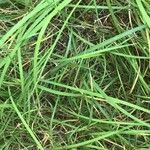
Source: leafsnapIris unguicularis, commonly known as the Algerian iris or winter iris, is a perennial flowering plant belonging to the Iridaceae family. Native to North Africa and the eastern Mediterranean region, it is often cultivated in gardens for its striking flowers. This plant typically reaches up to 30 cm in height and features long, narrow leaves that have a green-grey hue. The flowers are large and showy, consisting of six petals that range in color from pale blue-violet to deep purple, with distinctive yellow markings on the lower petals (commonly referred to as the falls). These blooms appear from late autumn through winter and into early spring, a period when most other plants are dormant. Iris unguicularis thrives in well-drained soil and can be grown in full sun or partial shade. While it is drought-tolerant once established, it benefits from occasional watering during dry spells. The plant can be propagated through the division of rhizomes or by seed. Beyond its ornamental appeal, Iris unguicularis has been traditionally used by healers in North Africa for its medicinal properties as a diuretic and laxative. Overall, Iris unguicularis makes a stunning addition to any garden, especially with its vibrant blooms brightening up the colder months.
Care Guide
💧 Water
☀️ Light Full sun
🌡️ Temperature 15–35°C
💨 Humidity
🪴 Soil 6-7
🌱 Fertilizer
🪴 Pot & Repot
✂️ Pruning
🌿 Propagating
🐛 Diseases & pets
☠️ Toxicity
Characteristics
- Plant Type
- Herb
- Life Cycle
- Perennial
- Genus
- Iris
- Family
- Iridaceae
- Hardiness Zone
- 7-9
- Mature Height
- 30 cm
- Mature Spread
- 10 cm to 49 cm
- Leaf Color
- Green
- Leaf Type
- Evergreen
- Flower Color
- Lavender, Purple
- Flower Size
- 5.08 cm to 7.62 cm
- Bloom Time
- Winter, Early spring
- Planting Time
- Summer, Autumn
- Harvest Time
- Spring