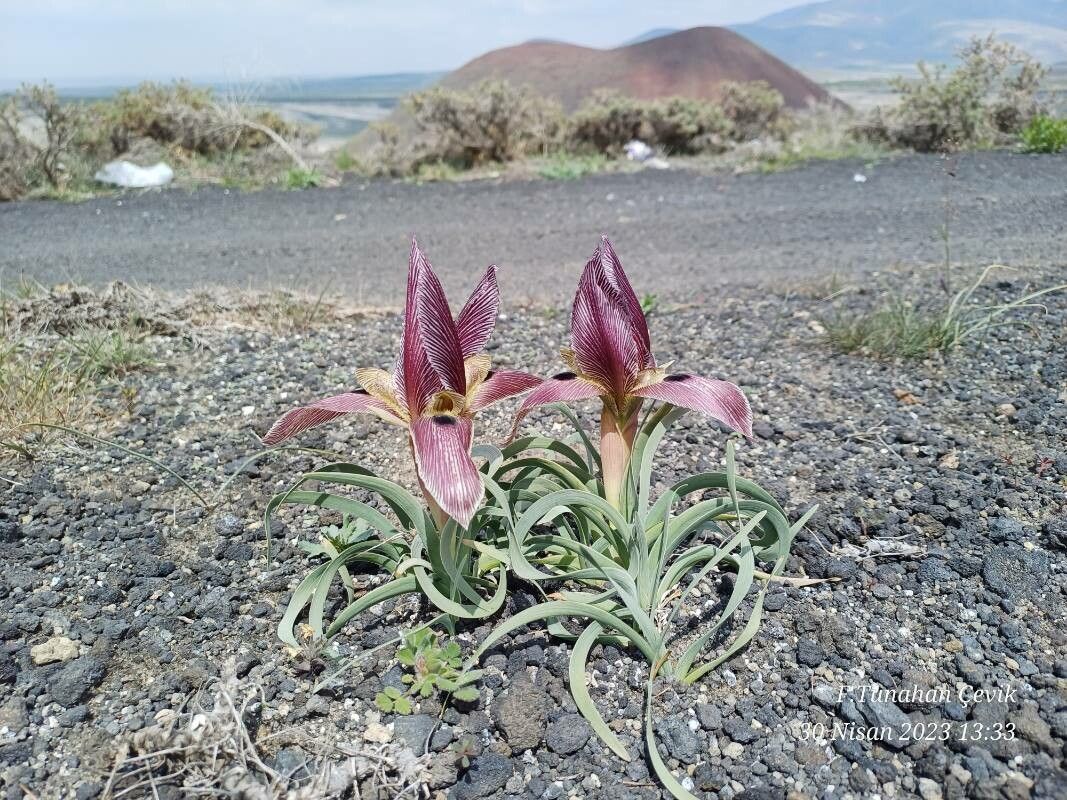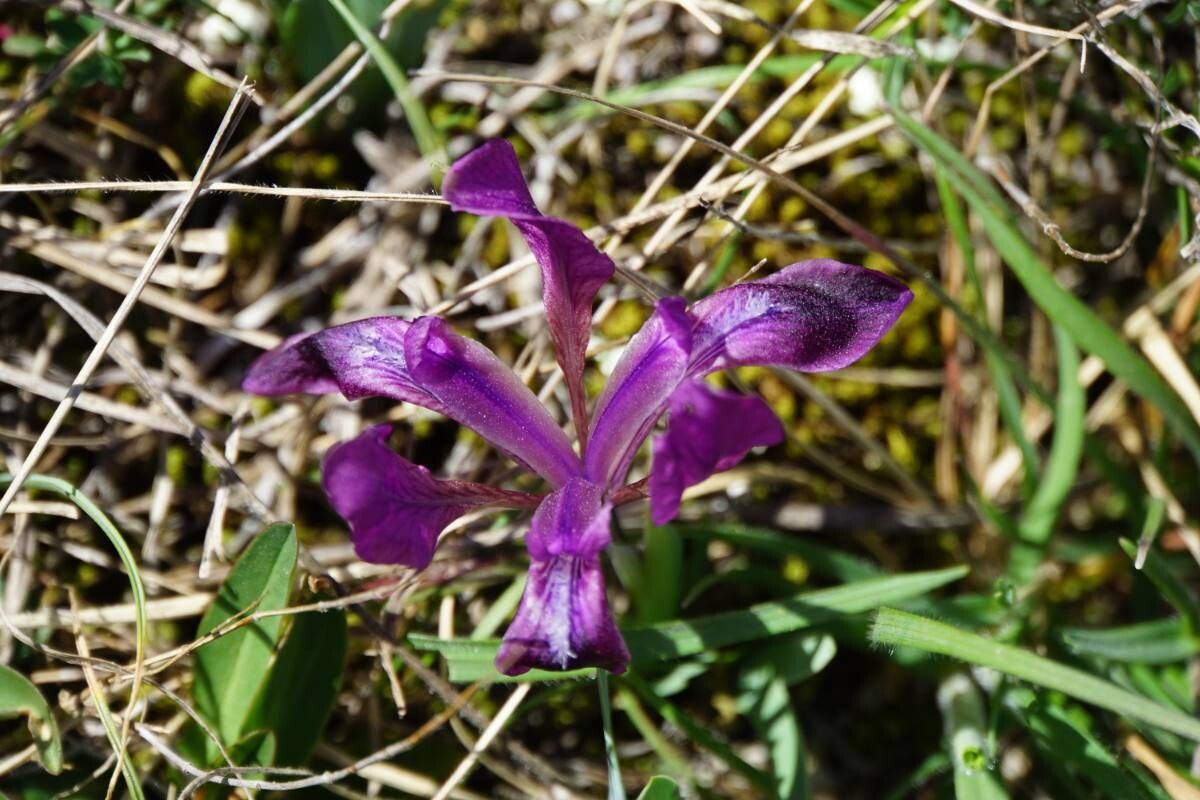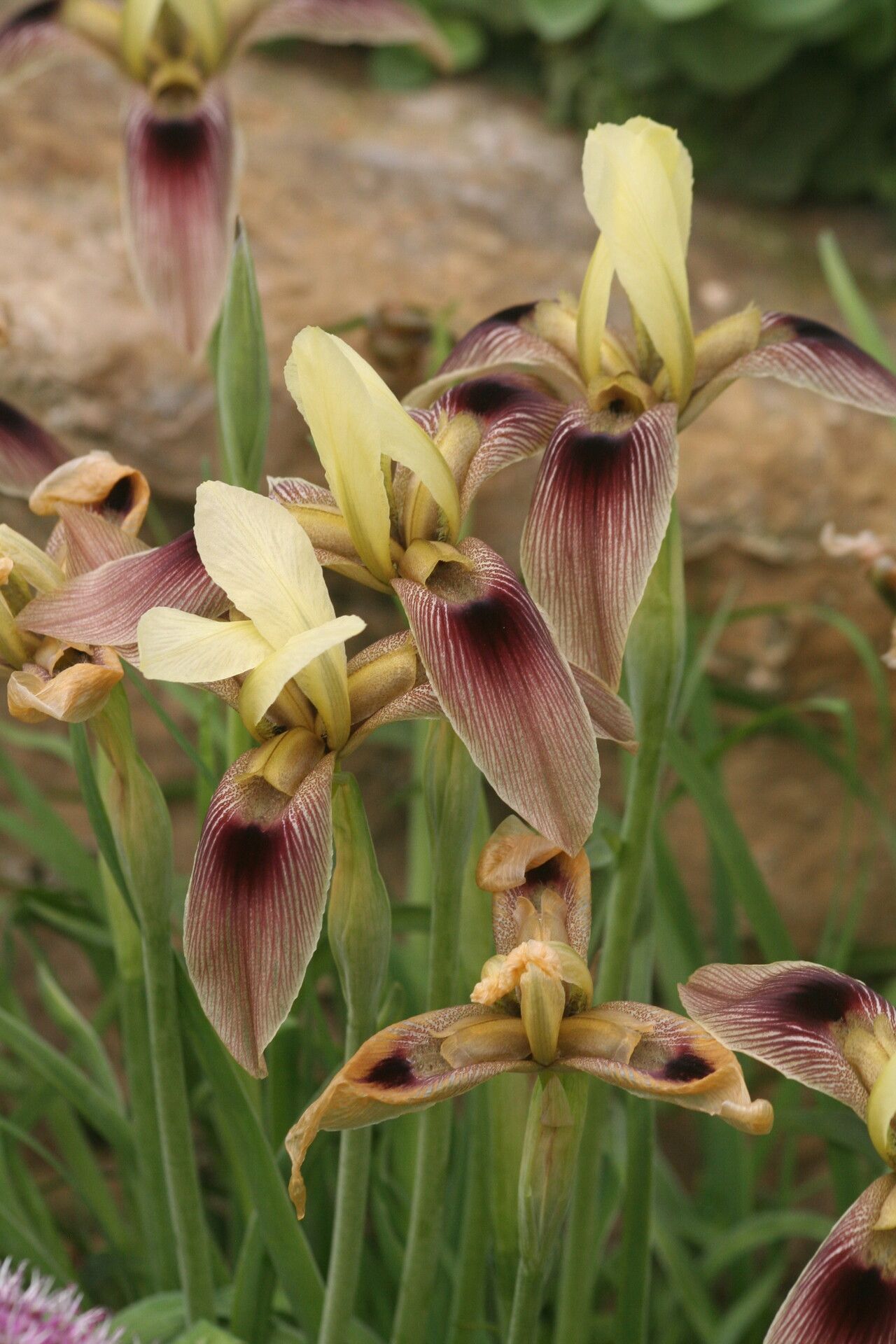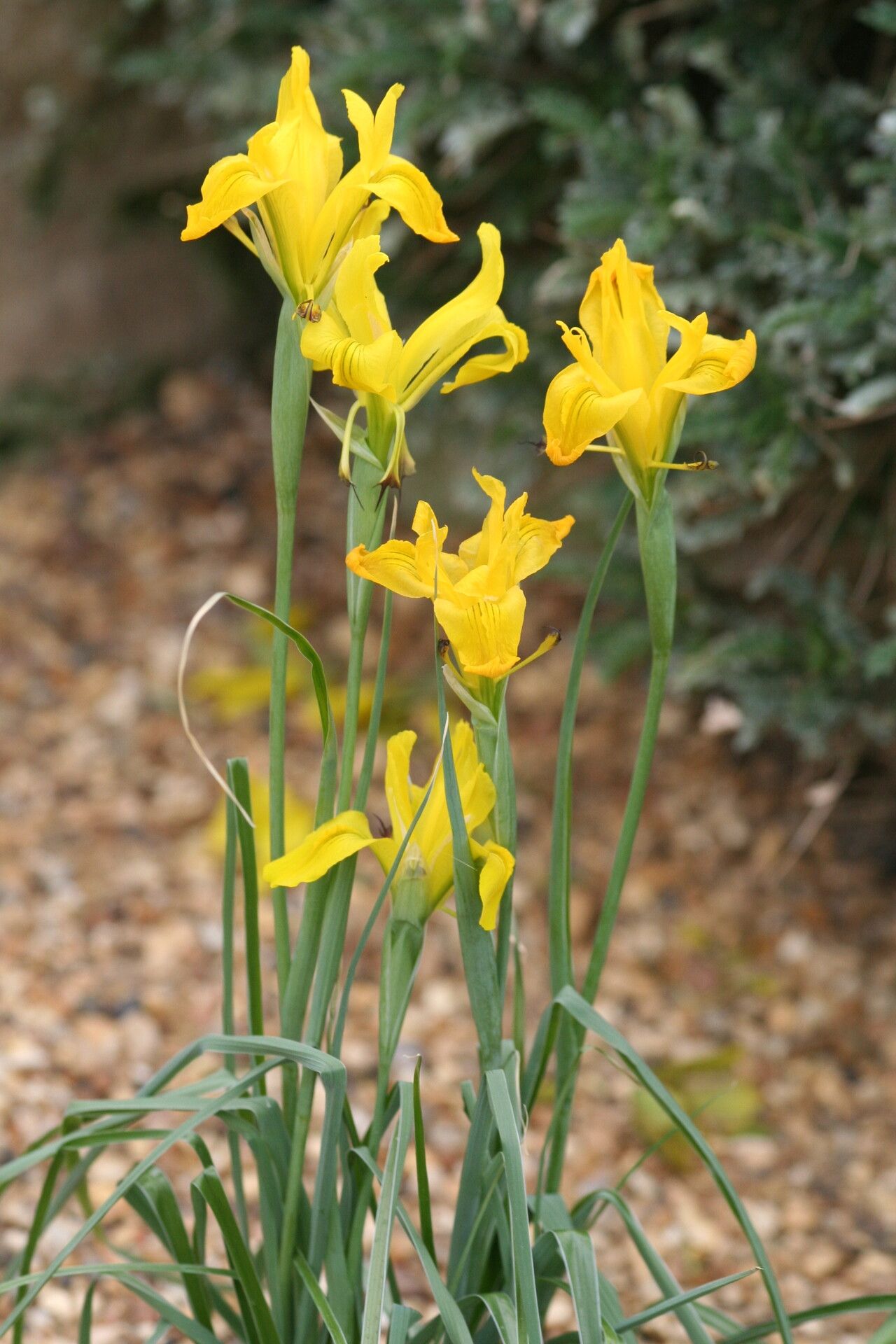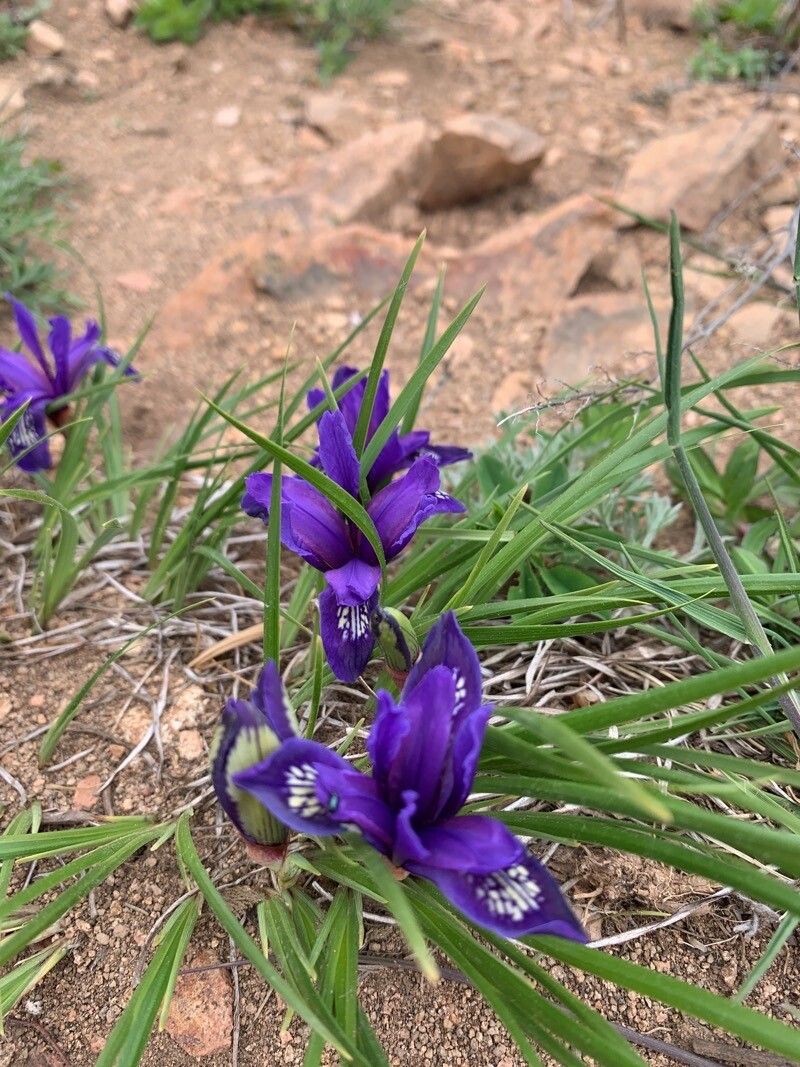
Iris uniflora is a species in the genus Iris and in the subgenus Limniris. It is a rhizomatous perennial, from Russia, Mongolia, China and Korea. It has thin grass-like leaves and stems, and purple, blue-purple or violet flowers. It is cultivated as an ornamental plant in temperate regions.
The iris species has good resistance to disease and is generally not prone to illnesses. However, it can be vulnerable to pests and diseases present in its environment. When infections occur, they are generally not severe. In terms of care, this plant needs moderate maintenance. It should be pruned regularly to maintain an attractive appearance and healthy growth. Fertilizing can also help encourage flowering. The iris species is suitable for anyone with outdoor space, such as a garden or patio, and does not require extensive care experience. It may need more attention when grown indoors.
How to keep Iris Uniflora.
Light
The iris species is typically found in habitats like forest understories or rocky regions where natural shade is prevalent. It thrives best in partially sunny conditions, although it can also cope with complete sunshine or full shade, showing its flexibility and robustness.
Water
Species iris grows best in moist meadows, as it needs consistently moist soil but can tolerate moderate drought once established. To mimic its natural habitat, it's ideal to water it weekly. When grown outdoors, species iris benefits from natural rainfall, which encourages lush growth and vibrant flowering during the growing season.
Temperature
The Iris species possesses the capacity to adjust to an extensive array of temperature conditions, but the dual factors of heat and water conditions might still constrain its dispersion. Its growth is optimal in summer's warm climates given sufficient rain or irrigation. When cloud cover and rain persist, or when temperatures stay high for long periods, the chance of the Iris species perishing skyrockets. During winter, safeguarding against the cold can enhance the plant's chances of survival.
Fertilizer
The optimal time to apply fertilizer to Species Iris is in the beginning of spring when blooms are developing. Proper fertilization supports enhanced blossoming and enables Species Iris to generate beautiful flowers. Administering fertilizer in the initial part of spring guarantees impressive flowers throughout the season and supplies necessary energy for stagnant growth stages.
Pruning
To improve the beauty and health of iris plants, it's best to prune them from early to late spring. Begin by removing any dead or damaged leaves and spent flowers to encourage new growth and blooms. Be cautious not to over-prune, as this can stress the plants. Proper pruning will result in vibrant foliage and a more appealing appearance.
Botanical profile.
- Plant Type
- Herb
- Life Cycle
- Perennial
- Genus
- Iris
- Family
- Iridaceae
- Hardiness Zone
- 5-9
- Mature Height
- 20 cm to 40 cm
- Mature Spread
- 15 cm to 30 cm
- Leaf Color
- Green
- Leaf Type
- Deciduous
- Flower Size
- 5.08 cm to 6.35 cm
- Bloom Time
- Mid spring, Late spring
- Planting Time
- Spring, Autumn
- Harvest Time
- Early summer, Mid summer
- Native Area
- Russia, Koppen, Mongolia, China