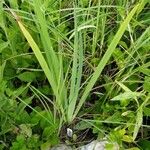
Iris virginica
Blue flag · Southern blue flag · Virginia iris · Virginia Blue Flag · Great blue flag
Description
Source: leafsnapIris virginica, with the common name Virginia iris, is a perennial species of flowering plant, native to eastern North America. It is common along the coastal plain from Florida to Georgia in the Southeastern United States.It was identified as a separate species by Edgar Anderson, and is one of the three Iris species in Anderson's Iris flower data set, used by Ronald Fisher in his 1936 paper "The use of multiple measurements in taxonomic problems" as an example of linear discriminant analysis.
🎭 Hope and belief
Care Guide
💧 Water Every week
The Southern blue flag flourishes in moist environments and requires weekly watering. Although it can adapt to brief dry periods, it thrives best in consistently damp soil. Usually grown outdoors, this plant benefits from the natural rainfall, which supports its lush foliage throughout the growing season.
How should I water my Southern blue flag plant in the best way?
To properly water the Southern blue flag plant, follow these guidelines for optimal health. Firstly, it is recommended to use filtered water at room temperature. Tap water may contain harmful particles that can negatively affect the plant. Secondly, consider the environment the Southern blue flag plant originates from, which is warm. As a result, it is important to avoid using cold water as it can shock the plant. Thirdly, it is best to avoid overhead watering to prevent any issues with the foliage. Instead, focus on applying the filtered room temperature water directly to the soil until it is completely soaked. This method provides numerous benefits, such as moisturizing the roots and assisting them in spreading through the soil to collect essential nutrients.
What should I do if I give my Southern blue flag plant too much or too little water?
Overwatering is a more common issue for the health of your Southern blue flag. It can cause wilting, yellowing of the leaves, and may lead to diseases like root rot, mold, and mildew, which can be fatal for your plant. Underwatering is less common but still possible. Signs of underwatering include brittle and brown leaves. It's important to recognize the signs of overwatering early on, as some of the associated diseases may not be fixable if left too long. Reduce watering if you notice early signs and check the soil's drainage. Replace poorly draining soil with a loose, well-draining potting mix. If you suspect underwatering, increase your watering frequency until the signs improve.
How frequently should I give water to my Southern blue flag?
If your plant is in a pot, the most precise way to determine if your Southern blue flag needs water is to check the soil by sticking your finger into it. If the top two to three inches of soil feel dry, it's time to water. If you have your Southern blue flag planted outdoors in the ground, you can use a similar method to check the soil. Once the top few inches feel dry, it's time to water. Typically, during spring and early fall, watering once a week using this method should be sufficient. However, during extremely hot weather, you may need to water twice a week or more. It's worth mentioning that mature and well-established Southern blue flag plants have the ability to tolerate drought well.
How much water does my Southern blue flag plant need?
When watering your Southern blue flag, don't be afraid to give it plenty of water. Make sure the top two to three inches of soil are dry before watering, and then water the plant thoroughly and deeply. The goal is to completely soak the soil. You should water enough that excess water drains out of the pot through the drainage holes. If you don't see any excess water draining, it means you haven't watered enough. However, be careful not to let water accumulate in the soil as this can harm the plant. On the other hand, if water doesn't drain well from the pot, it may indicate that the soil is not draining properly and this is not good for the plant's health. If the plant is located outdoors, receiving 1 inch of rain per week should be enough.
How should I water my Southern blue flag plant at different stages of growth?
The Southern blue flag's water needs vary based on its growth stages. In the early years or after being transplanted, you should provide more water than usual. During these stages, the plant focuses on developing new roots for future growth, requiring increased moisture. As the plant matures, it will require less water. Another stage requiring additional water is the blooming period, as the plant needs moisture to support flower development.
☀️ Light Full sun
Southern blue flag performs best with full sun throughout the day, though it can tolerate situations where sunlight is present but partly blocked. Adequate sunlight is crucial for its healthy growth and the vivid display of its flowers. In contrast, too little light or excessive exposure can adversely affect the plant's health and flowering.
What are the sunlight requirements for Southern blue flag?
Southern blue flag requires full sun exposure, thriving best with more than 6 hours of sunlight a day, but it can also withstand partial sun conditions, about 3-6 hours of sunlight. The plant benefits significantly from generous sunlight for healthy growth and vibrant flower display. However, the right balance of light is crucial, as insufficient or excessive sunlight can negatively impact the plant's health and blooming abilities. Remember to watch how sunlight moves through your garden to choose the best spots that provide the right mix of light and shade.
How does artificial lighting benefit indoor Southern blue flag plants?
For indoor Southern blue flag plants or when natural sunlight is inadequate, artificial lighting becomes essential for optimal growth. LED lights are recommended for indoor plants as they can be customized to provide specific wavelengths of light needed for plant growth. Full sun plants, including the Southern blue flag, require 30-50W/sq ft of artificial light. The light source should be placed 12-36 inches above the plant to mimic natural sunlight conditions. Additionally, to ensure the plant's health and growth, mimic natural daylight hours by keeping the artificial lights on for 8-12 hours per day.
What are the symptoms of inadequate sunlight exposure in Southern blue flag plants?
Southern blue flag plants show various symptoms when they suffer from inadequate sunlight exposure, including smaller new leaves, leggy or sparse growth, faster leaf drop, slower or halted new growth, paler new leaves, and chlorosis (leaf yellowing). Excessive sunlight can also harm, leading to symptoms like sunscald, leaf curling, wilting, and leaf scorching. These symptoms indicate the plant's struggles with either too much or too little sunlight, significantly affecting its health and appearance.
What solutions can be applied to manage sunlight exposure for Southern blue flag plants?
To manage sunlight exposure for Southern blue flag plants, gradually increase sunlight exposure by moving them closer to sunlight each week, aiming for at least 6 hours of direct sunlight daily for outdoor and indoor plants. Utilize south-facing windows and keep curtains open for indoors, or use artificial lighting for at least 8 hours daily if needed. For outdoor plants, avoid sudden changes in light to prevent sunburn. Reducing obstructions like pruning obstructive tree branches, or transplanting to sunnier locations, can also help. It's noted that parts of the plant affected by insufficient sunlight may not recover, but new growth should be healthy with proper light adjustments.
🌡️ Temperature 5–35°C
Southern blue flag performs best in temperatures from 41 to 95 °F (5 to 35 ℃), reflecting its native growth environment. Seasonal temperature adjustments may be necessary to meet its ideal conditions.
What is the ideal temperature range for the Southern blue flag?
The ideal temperature range for the Southern blue flag, also known as Iris virginica, is between 41 to 95 °F (5 to 35 °C). This range represents the native growth environment of the plant, suggesting it thrives best within these temperatures. Adjustments to its growing conditions might be necessary with the changing seasons to maintain this optimal temperature range.
Does the Southern blue flag require frost protection during winter?
The Southern blue flag has strong cold resistance, usually negating the need for special frost protection measures during winter. However, if temperatures are expected to drop below -25°C, it's crucial to provide cold protection to prevent damage. This protection can be done by covering the plant with soil or straw. Additionally, watering the plant abundantly before the first freeze in autumn helps keep the soil moist and prevents water scarcity during the cold months.
How does low temperature affect the Southern blue flag and what are the solutions?
The Southern blue flag is cold-tolerant and generally thrives when temperatures are kept above 5°C. Nonetheless, when temperatures fall below -25°C, the plant may not show immediate damage during winter, but there could be a noticeable decrease in sprouting or even a complete lack of sprouting in spring. Should this occur, the recommended solution is to remove any parts of the plant that have failed to sprout in spring.
What impact does high temperature have on the Southern blue flag and how can it be mitigated?
High temperatures, specifically above 35°C and especially exceeding 38°C, can cause the leaves of the Southern blue flag to lighten in color, curl, become prone to sunburn, and in extreme cases, result in the plant wilting and drying up. To mitigate these issues, it's advisable to trim away the sunburned and dried parts of the plant, relocate it to a shaded area away from the harsh midday and afternoon sun, or use a shade cloth. Additionally, watering the plant in the morning and evening can help keep the soil adequately moist.
💨 Humidity
🪴 Soil 5-7
🌱 Fertilizer
The best time to fertilize a Southern blue flag is in early spring, as it comes out of dormancy and begins active growth. Fertilizing supplies essential nutrients for healthy development. Although the Southern blue flag has relatively low fertilizer requirements, a yearly application can improve its survival and encourage better, longer-lasting flowers.
Why should I put fertilizer on my Southern blue flag plant?
Fertilization is important for the Southern blue flag because it provides essential nutrients for the plant's growth, both above and below ground. Although the fertilization needs of the Southern blue flag are generally low, annual fertilization can greatly benefit the plant. It can help keep the plant healthy and may even improve the quality and longevity of its flowers. Therefore, those wanting their Southern blue flag to flourish should prioritize annual fertilization.
When should I put fertilizer on my Southern blue flag?
The best time to fertilize a Southern blue flag is in late winter or early spring when the plant is coming out of its dormant phase and beginning to grow. Fertilizing at this time helps promote healthy growth and sets the plant up for a successful season. While it is generally recommended to fertilize in the early spring, it is also possible to fertilize in the fall. However, it is not advisable to feed the plant during summer or winter.
When should I not put fertilizer on my Southern blue flag plant?
To avoid overfertilizing and its complications, it is best to only fertilize your Southern blue flag during late winter and early spring. This plant has low fertilization needs, so one annual feeding is enough. Fertilizing during spring, summer, and fall can easily lead to overfertilization, except if you skipped fertilizing in spring, then it is okay to feed the plant in fall. Additionally, there is no need to fertilize the plant during winter when it is in a dormant growth phase and does not put forth new growth. Therefore, it is not advisable to fertilize the plant for most of the winter.
What kind of fertilizer does my Southern blue flag plant require?
For Southern blue flag plants, any general-purpose fertilizer with balanced amounts of the three main plant nutrients will work well. However, using nutrient blends with higher phosphorus levels is believed to benefit the roots and flowers even more. As a flowering plant, applying a phosphorus-rich fertilizer may be the best approach. Whether in granular or liquid form, it's important to ensure that the fertilizer contains plenty of nutrients. Organic methods such as compost and manure can also greatly improve the soil for Southern blue flag plants, creating a healthy growing environment.
How should I put plant food on my Southern blue flag?
To fertilize a Southern blue flag, the most common method is to use granular or pellet fertilizer. The best time to fertilize is when the plant is transitioning from winter dormancy to active growth. In early spring, wait for shoots to emerge from the soil before applying the fertilizer. Alternatively, you can use liquid fertilizer, but make sure to dilute it with water first. It's important to moisten the soil before, during, and after applying fertilizer, regardless of which type you use.
🪴 Pot & Repot
✂️ Pruning
The Southern blue flag is known for its vibrant flowers and sword-like leaves. To encourage better growth, prune the plant in early to late spring by removing dead foliage and spent stems. To promote vigorous growth and prolific blooming, divide the plant every 3 to 5 years. This helps improve air circulation and prevents overcrowding.
🌿 Propagating
🐛 Diseases & pets
☠️ Toxicity
Characteristics
- Plant Type
- Herb
- Life Cycle
- Perennial
- Genus
- Iris
- Family
- Iridaceae
- Hardiness Zone
- 5-9
- Mature Height
- 30 cm to 76 cm
- Mature Spread
- 30 cm to 91 cm
- Leaf Color
- Green
- Leaf Type
- Deciduous
- Flower Color
- Purple, Violet, Blue
- Flower Size
- 2.54 cm to 7.62 cm
- Bloom Time
- Late spring, Early summer
- Planting Time
- Spring
- Harvest Time
- Mid summer