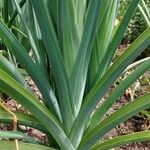
Iris xiphium
Spanish iris · Bulbous Iris · Stânjenel
Description
Source: leafsnapIris xiphium, commonly known as the Spanish iris, is a perennial flowering plant that belongs to the Iridaceae family. It is native to Spain and Portugal but has been widely cultivated in other parts of Europe and North America. The plant can grow up to 60 cm tall and features green, sword-shaped leaves. The Spanish iris blooms in late spring or early summer, producing showy flowers that are typically blue or purple, but can also be white, yellow, or pink. The flowers have six petals arranged in a star shape, with three petals standing upright and three drooping. Iris xiphium prefers well-drained soil and full sun exposure but can also tolerate partial shade. It is relatively easy to grow and requires minimal maintenance once established. Historically, the plant has been used for medicinal purposes due to its anti-inflammatory properties. Its roots have served as a natural remedy for coughs, colds, sore throats, and other respiratory ailments. Overall, Iris xiphium is an attractive ornamental plant that adds color and beauty to gardens while also offering some health benefits through its medicinal properties.
🌳 Most people do not know that the spanish iris can serve as a natural indicator of soil moisture. Interestingly, the plant's lush bloom tends to do best when water levels are ideal. For that reason, attentive gardeners and farmers watch the flowers' condition and how open they are to tell whether the soil is too dry or sufficiently moist, and they change watering practices based on those observations. This lesser-known ability to signal soil moisture makes the spanish iris both useful and attractive.
Care Guide
💧 Water Every 7 days
The Spanish iris flourishes in Mediterranean climates, where it prefers consistent moisture levels. To prevent waterlogging or drought, it requires watering about once a week. As an outdoor herbaceous perennial, it benefits from rainwater during its growing season, which helps minimize the need for additional irrigation.
How should I water my Spanish iris to keep it healthy?
To properly water the Spanish iris, it is recommended to use filtered water that is at room temperature. Tap water may contain harmful particles, so filtering it protects the plant's health. The aim is to match the warm environment the Spanish iris is accustomed to, so room temperature or slightly warmer water is ideal. Avoid overhead watering as it can lead to issues with the foliage. Instead, focus on thoroughly saturating the soil with filtered room temperature water. This method is beneficial as it moisturizes the roots and facilitates their spread in the soil, ensuring they can access the necessary nutrients.
If I either give my Spanish iris too much water or too little, what should I do?
Overwatering and underwatering can harm your Spanish iris, but overwatering is more common. When the plant gets too much water, its stems and leaves may wilt and turn yellow. Overwatering for a long time can also cause diseases like root rot, mold, and mildew, which can kill the plant. Underwatering is less likely since Spanish irises can handle drought well. However, it is still possible, and when it happens, the leaves may become brittle and brown. It's important to notice signs of overwatering quickly. Some of the diseases caused by overwatering, such as root rot, may be difficult to fix if left too long. If you see early signs, reduce your watering schedule and check the soil quality. If the soil drains poorly, replace it with a loose, well-draining potting mix. If the plant is not getting enough water, increase watering until the signs improve.
How much water does my Spanish iris need?
If your Spanish iris is in a pot, the easiest way to determine if it needs water is to stick your finger in the soil. If the top two or three inches of soil are dry, it's time to water it. If you have your Spanish iris planted outdoors in the ground, you can use the same method to check the soil. When the top few inches of soil have dried out, it's time to water. Typically, during spring and early fall, you'll need to water it about once a week using this method. However, when it's extremely hot, you may need to water it twice a week or more. Nevertheless, mature and well-established Spanish iris plants can tolerate drought well.
How much water does my Spanish iris require?
To water your Spanish iris effectively, don't hold back on the amount of water you give. Wait until the top few inches of soil are dry and then provide a thorough watering, making sure that the entire soil is soaked. Add enough water so that it drains out of the bottom of the pot. If you don't see any excess water draining, it means you haven't watered enough. Avoid letting water accumulate in the soil, as this can harm the plant. Poor drainage can also be a problem, so make sure the soil drains well. If the plant is outside, 1 inch of rain per week should be enough.
How should I give water to my Spanish iris as it grows?
The water requirements of the Spanish iris can vary depending on its growth stages. In the first few years or after transplanting to a new location, it's important to provide more water than usual. During these stages, the plant focuses on developing new roots, which require additional moisture for optimal growth. As the Spanish iris matures, its water needs decrease. However, another growth stage that may require increased watering is during the bloom period. The development of flowers utilizes a considerable amount of moisture, so it's important to give the plant extra water during this time.
☀️ Light Full sun
The Spanish iris does best with plentiful sunshine, which substantially enhances its growth and vigor. Its native habitat is typically in areas where sunlight predominates. Too little exposure can harm its growth, while excessive sun is of little concern for the plant.
What are the sunlight requirements for Spanish Iris?
Spanish Iris thrives best with ample sunlight, greatly benefiting its growth and vigor. Ideally, it requires full sun exposure of above 6 hours of sunlight daily, but it can also grow in partial sun, receiving about 3-6 hours of sunlight. Observing how sunlight moves through your garden is essential to choose spots that offer a perfect balance of light and shade, ensuring the plants' well-being. Insufficient sunlight exposure could hinder its growth, though it is quite resilient to excessive sun.
What should I know about artificial lighting for Spanish Iris?
In situations where natural sunlight is inadequate, especially during winter or in less sunny locations, artificial lighting becomes crucial for the growth of Spanish Iris indoors. LED lights are recommended due to their ability to provide specific wavelengths needed by the plant. Full sun plants require 30-50W/sq ft, partial sun plants 20-30W/sq ft, and full shade plants 10-20W/sq ft of artificial light. Place the light source 12-36 inches above the plant and ensure it receives 8-12 hours of light per day to mimic natural sunlight conditions effectively.
What are the symptoms of light deficiency in Spanish Iris?
When Spanish Iris does not receive adequate light, several symptoms can emerge, including smaller new leaves, leggy or sparse growth, faster leaf drop, slower or halted growth, lighter-colored new leaves, and conditions like chlorosis and sunscald. These symptoms indicate a struggle in the plant due to insufficient lighting, signaling the need for corrective measures to improve light exposure.
How can I address insufficient sunlight for my Spanish Iris?
To address insufficient sunlight for Spanish Iris, gradually relocate the plant to a sunnier location, ideally ensuring at least 6 hours of direct sunlight daily. For indoor plants, consider using south-facing windows or artificial plant grow lights for ample light exposure. Outdoor plants should be moved gradually to adapt without risks of sunburn. If natural sunlight is blocked, pruning obstructive branches or transplanting the plant to a location with better sunlight and drainage might be necessary. Note that affected parts of the plant may not recover, but new growth should be healthy with improved light exposure.
🌡️ Temperature 5–35°C
The Spanish iris originates from habitats with temperatures between 41 and 95 °F (5 to 35 ℃). It does well across different seasons with minor adjustments. In cases of extreme cold or heat, it is advisable to regulate its surroundings to keep conditions moderate.
What temperatures can the Spanish Iris tolerate, and how should I care for it in different seasons?
The Spanish Iris is native to environments with temperatures ranging from 41 to 95 °F (5 to 35 °C), making it adaptable to various seasonal conditions. It demonstrates strong cold resistance, generally eliminating the need for special frost protection measures during winter. However, in extreme cold where temperatures are expected to fall below -25°C, it's crucial to provide additional protection, such as covering the plant with soil or straw, and ensuring the soil remains moist by watering abundantly before the first freeze. This preparation helps prevent the plant from experiencing drought and water scarcity during winter and early spring.
How does low temperature affect the Spanish iris and what are the recommended solutions?
Spanish iris is cold-tolerant, flourishing best when temperatures stay above 5°C and should be kept from dropping below -20°C. If temperatures fall below -25°C, there may not be noticeable changes during the winter, but there could be a decrease in sprouting or even no sprouting during spring. In the event of decreased springtime sprouting due to extreme cold, you should remove any parts of the plant that have failed to sprout as a part of your spring care routine.
What happens if a Spanish iris is exposed to high temperatures and what should I do?
During the summer, it's best to keep the Spanish iris below 35°C. Exposure to temperatures above 38°C can lead to lighter leaf colors, curling, susceptibility to sunburn, and in severe cases, the plant may wilt and dry out. To address these issues caused by high temperatures, trim away sunburned and dried-up parts of the plant. Additionally, consider moving the plant to a spot with shade during the midday and afternoon sun or use a shade cloth for protection. Ensuring the soil stays moist by watering in the morning and evening is also vital.
💨 Humidity normal (40-60%)
This plant will thrive in moderate humidity, which is probably the level in your home. However, misting it a few times a week can be very beneficial. Make sure the room has good ventilation.
🪴 Soil 6-6
🌱 Fertilizer
For Spanish iris, the best time to apply fertilizer is in early spring while the flowers are forming. The appropriate fertilizer promotes improved blooms and helps Spanish iris produce attractive flowers. Fertilizing in early spring ensures strong flowers throughout the season and supplies energy for dormant growth phases.
Why should I add fertilizer to my Spanish iris?
Fertilization is important for the Spanish iris because it provides vital nutrients for both above-ground and below-ground growth. Although the Spanish iris generally requires low levels of fertilization, annual fertilization can greatly benefit the plant's overall health and promote the development of longer-lasting flowers. To ensure that your Spanish iris looks its best, it is recommended to maintain an annual fertilization routine.
When should I fertilize my Spanish iris?
The best time to fertilize a Spanish iris is in late winter or early spring when it is transitioning from dormant to active growth. Fertilizing at this time promotes healthy growth and sets the plant up for a successful season. Although it's generally recommended to fertilize during early spring, it's also acceptable to fertilize in the fall. However, it's not recommended to fertilize in the summer or winter.
When is the best time to not use fertilizer on my Spanish iris?
To properly care for your Spanish iris, it is best to limit fertilization to late winter and early spring. This plant has low fertilization needs, so a single annual feeding is sufficient. Fertilizing during spring, summer, and fall can result in overfertilization and its associated problems. However, if you missed fertilizing in spring, it is acceptable to feed the plant in fall. During the winter, when the Spanish iris is in a dormant growth phase and not producing new growth, fertilization is unnecessary and not recommended.
What kind of plant food does my Spanish iris need?
Spanish iris can benefit from a general-purpose fertilizer that contains balanced amounts of the three main plant nutrients. However, there are specific nutrient blends that can be even more beneficial. Many gardeners recommend using a fertilizer with higher levels of phosphorus, as this can promote stronger roots and better flowers. You can choose between granular or liquid form fertilizers, as long as they contain ample nutrients. In addition to manufactured fertilizers, organic methods can also be used to improve the soil for Spanish iris. Compost, manure, and similar materials are great options for creating a healthy growing medium.
How should I fertilize my Spanish iris?
To fertilize a Spanish iris, the most common method is to use granular or pellet fertilizer. It's important to fertilize during the transition from winter dormancy to active growth. In early spring, wait for the plant to start sending shoots through the soil before applying the fertilizer. Alternatively, some people prefer using liquid fertilizer, which should be diluted with water before application. Regardless of the type of fertilizer used, it is recommended to moisten the soil before, during, and after the application process.
🪴 Pot & Repot
✂️ Pruning
The Spanish iris is known for its vibrant foliage and stunning blooms. To encourage growth, prune the spent flower stalks and dead leaves in early spring. Later in the spring, remove any weak leaves to improve air circulation. Make sure to use clean tools to prevent infections, keeping your Spanish iris healthy and visually appealing throughout the season.
🌿 Propagating
🐛 Diseases & pets
☠️ Toxicity
Characteristics
- Plant Type
- Herb
- Life Cycle
- Perennial
- Genus
- Iris
- Family
- Iridaceae
- Hardiness Zone
- 5-9
- Mature Height
- 76 cm
- Mature Spread
- 10 cm
- Leaf Color
- Green, Gray
- Leaf Type
- Deciduous
- Flower Color
- Blue, Purple, White, Yellow
- Flower Size
- 6.35 cm
- Bloom Time
- Late spring, Early summer
- Planting Time
- Spring
- Harvest Time
- Early summer, Mid summer
- Native Area
- Tunisia, Italy, Spain, France, Algeria, Morocco, Portugal