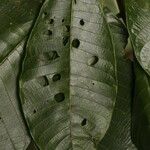
Isertia coccinea
Care Guide
💧 Water
☀️ Light Full sun
Isertia coccinea comes from open habitats, such as sunny meadows and forest edges, that provide plenty of light. It performs best in Full Sun but can also tolerate Partial Sun, adapting well to a range of sunlight conditions.
What are the sunlight requirements for Isertia coccinea?
Isertia coccinea needs a significant amount of sunlight to thrive. It requires full sun, which is above 6 hours of direct sunlight daily, but can also adapt to partial sun, defined as about 3 to 6 hours of sunlight. The plant originates from open environments, like sunny meadows and forest edges, making it well-suited to various sunlight conditions. Remember, monitoring how sunlight moves through your garden will help you select spots that offer the right balance of light and shade, ensuring your plants remain healthy and happy.
How do I use artificial lighting for indoor Isertia coccinea plants?
For Isertia coccinea plants indoors, adequate lighting is crucial, especially when natural sunlight is insufficient. Artificial lights are beneficial, promoting faster, healthier growth. LED lights, which can be customized to provide specific wavelengths, are a popular choice. Full sun plants need 30-50W/sq ft of artificial light, partial sun plants require 20-30W/sq ft, and full shade plants need 10-20W/sq ft. The artificial light source should be placed 12-36 inches above the plant to mimic natural sunlight and left on for 8-12 hours per day, depending on the plant species needs.
What symptoms indicate Isertia coccinea isn't getting enough light?
Isertia coccinea shows several symptoms when it's not getting enough light, including smaller new leaves, leggy or sparse growth, faster leaf drop, slower or no new growth, and lighter-colored or irregularly colored new leaves. These symptoms are signs the plant is struggling due to insufficient light, emphasizing the need for proper light exposure to prevent issues such as chlorosis (leaves turning yellow due to the breakdown of chlorophyll), sunscald, leaf curling, wilting, and leaf scorching.
How can I address insufficient sunlight exposure for Isertia coccinea?
To combat insufficient sunlight exposure for Isertia coccinea, consider gradually moving your plants to sunnier spots, allowing at least 6 hours of direct sunlight daily. For indoor plants or those not easily movable, using artificial light like desk, ceiling lamps, or professional plant grow lights for a minimum of 8 hours a day can help. If sunlight obstruction is an issue outdoors or for ground plants, removing obstacles such as pruning trees, or transplanting the plant to a sunnier location during its dormant period, usually late winter or early spring, might be necessary. It's important to note that while parts of the plant that have suffered from insufficient light may not recover, new growth will be healthy once proper light conditions are established.
🌡️ Temperature 20–37.8°C
Isertia coccinea comes from tropical areas where the climate is normally warm and humid. Consequently, it is adapted to high heat and moisture. It is sensitive to abrupt temperature changes and prefers a steady temperature, so avoiding indoor temperature fluctuations is important. It generally does not tolerate cold and needs warmer conditions to grow. If the surrounding temperature falls too low, the plant may stop growing or even die.
💨 Humidity
🪴 Soil 6-7
🌱 Fertilizer
The best time to fertilize an Isertia coccinea is in early spring, when it emerges from dormancy. This encourages overall growth and flower development. Fertilization improves foliage, stems, and branches, and promotes large, vibrant, long-lasting flowers. It also helps move nutrients from the roots to the flowers and enhances the plant's health and resistance to disease.
🪴 Pot & Repot
✂️ Pruning
Isertia coccinea features vibrant flowers and lush foliage. To promote growth and flowering, prune Isertia coccinea from early to late winter. This involves removing dead branches, trimming overgrown areas, and thinning interior branches to improve air circulation. Proper seasonal pruning supports recovery and helps maintain a healthy, attractive plant.
🌿 Propagating
🐛 Diseases & pets
☠️ Toxicity
Characteristics
- Plant Type
- Tree
- Life Cycle
- Perennial
- Genus
- Isertia
- Family
- Rubiaceae
- Hardiness Zone
- 10-12
- Mature Height
- 3.05 m to 4.88 m
- Mature Spread
- 2.13 m to 3.05 m
- Leaf Color
- Dark Green
- Leaf Type
- Evergreen
- Flower Color
- Red
- Flower Size
- 3.05 cm to 4.06 cm
- Bloom Time
- All year round
- Planting Time
- Spring, Summer
- Harvest Time
- All year round
- Native Area
- Guyana, Colombia