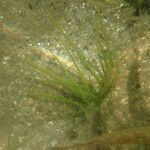
Isoetes lacustris
Western Lake Quillwort · Lake quillwort · Isoète Lacustre · Quillwort · Common Quillwort
Description
Source: leafsnapIsoetes lacustris, commonly known as the lake quillwort, is a species of aquatic plant in the family Isoetaceae. This small, perennial plant thrives in shallow freshwater habitats such as lakes, ponds, and slow-moving streams. The plant’s distinctive appearance features long, narrow leaves arranged in rosettes at the base of the stem. These leaves are dark green with a glossy texture. The lake quillwort is vital for aquatic ecosystems, providing habitat for various aquatic animals, including fish and insects. It also contributes to nutrient cycling by absorbing nutrients from the water through its roots. Isoetes lacustris is distributed widely across North America, Europe, and Asia. However, habitat loss due to human activities, such as damming rivers or draining wetlands for agriculture and urban development, has led to this species becoming threatened or endangered in some areas. In summary, Isoetes lacustris is crucial for maintaining the health and balance of freshwater ecosystems. Its unique appearance adds aesthetic value, making it an essential component of our natural world. Conservation efforts are necessary to ensure the survival of this species for future generations.
Care Guide
💧 Water Every 7 days
☀️ Light
How many hours of sunlight does Lake quillwort need each day to grow well?
Lake quillwort needs about 6 hours of direct and continuous sunlight each day. This is important for their healthy growth and to speed up their growth process. During the winter, it might be necessary to use lamps to provide these plants with additional light. To ensure vibrant foliage, it is recommended to place them in the brightest spots in your garden or indoor nursery, where they can enjoy unobstructed sunlight for several hours.
What kind of sunlight does Lake quillwort require?
These plants thrive in full sun and struggle to tolerate shady areas. If you're planting a large number of them, it's recommended to provide at least 8 inches of space for each plant, ensuring they receive ample sunlight. The Lake quillwort specifically requires direct, full, and abundant sunlight, so it's beneficial to place them outside in the morning sun during the summer months for optimal growth. They do not thrive in partial sunlight or in filtered or partially shaded areas. Additionally, planting them in areas without obstruction from large trees that consistently provide shade will promote better growth.
Should I shield Lake quillwort from the sun?
The Lake quillwort is a plant that thrives in bright light and actually seeks out sun exposure. Regardless of the climate, it requires a minimum of 6 hours of sunlight. In some areas, particularly during the fall and spring, protection is not necessary as they need full sunlight. However, if you are located in a tropical climate or the summer sun is too intense, you can always bring the potted plant indoors until the temperature cools down. It is important to note that these plants should not be planted near buildings, tall trees, or other structures, as they require full sun exposure for at least 6 hours.
What will happen if Lake quillwort doesn't get enough sunlight?
Insufficient light can hinder the growth of Lake quillwort. In shady areas, fungi and bacteria can feed on the plants' tissues, which is a common occurrence. When these plants don't get enough sunlight, they become spindly and have weaker stems as they try to find light. This can lead to wilting or brown leaves. If you notice insects or rhizome rot in Lake quillwort, it may be another indicator of insufficient sunlight. To address this, try relocating them to an area with bright and direct light to see if it improves their condition.
Does Lake quillwort require specific sunlight care at different stages of growth?
To ensure healthy growth, it's important to provide sunlight to plants during their growing phase. This prevents them from having to stretch and grow excessively upwards, which can weaken the stems. Lack of sunlight or being in a partially shaded area when young can lead to a process called etiolation. Once the plants have matured, continuous exposure to full sun is necessary for photosynthesis and further growth. If you are moving them from a greenhouse or nursery to a garden, it's important to gradually introduce them to bright lights and avoid sudden exposure to direct heat, especially in the mid-afternoon. Give them some time to adapt and acclimate to the sunlight intensity in your specific area.
🌡️ Temperature
Lake quillwort comes from temperate regions and does well in temperatures between 32 and 69.8 °F (0 to 21 ℃). It favors cooler conditions and adapts to the changes of each season. Recreate these temperatures to ensure optimal growth.
What temperature is best for Lake quillwort?
Lake quillwort thrives in cooler weather and has an optimal temperature range for growth. To ensure its maximum health, it is recommended to maintain a temperature between 65~75℉(18~25℃). While Lake quillwort can tolerate higher or lower temperatures, it is advisable to keep the growing area within a few degrees of the ideal range whenever possible. Deviating from this range does not mean that the plant will cease growing, but it may lead to damage or reduced growth. On the higher end, temperatures between 75~85℉(25~30℃) are acceptable, but exceeding 85℉(30℃) may cause the plant to die. Similarly, Lake quillwort can withstand temperatures as low as 5℉(-15℃), but cooler environments are generally preferred. Monitoring the upper temperature range is especially crucial to prevent growth slowdown.
Does Lake quillwort need different temperatures at different stages of growth?
To ensure that Lake quillwort grows healthily, it is crucial to maintain a temperature range of 65~75℉(18~25℃) in your growing space. It is recommended to stay on the colder side of this range, but be careful not to let the temperature drop below -5℉(-20℃). Extremely cold temperatures can impede growth at any stage for Lake quillwort, although they are not as harmful as overheating. If the temperature remains high during the budding stage, Lake quillwort may not produce any flowers.
Here are three tips to help you control the temperature of Lake quillwort.
Here are some tips to help you successfully grow Lake quillwort indoors: Tip #1: Choose the coldest room with sunlight: Find the coolest room in your home that receives a good amount of sunlight. This room should be on the side of your house that doesn't get too hot from the sun during the day. While you should protect the plants from the hottest part of the day, they still need some sunlight to grow. Tip #2: Avoid high temperatures for proper flowering: Lake quillwort grows during spring and early summer, which can sometimes have high temperatures. These fluctuations can negatively affect the flowers, causing them to become non-flowering buds or open partially. To ensure proper flowering, keep the temperature between 65-75℉ (18-25℃). Tip #3: Protect from frost: Although Lake quillwort can tolerate low temperatures as low as -5℉ (-20℃), it cannot handle significant frost. If exposed to freezing temperatures in late fall or winter, the plant will show signs of frost damage. Look for wilting and discoloration, which will eventually turn brown or black as the plant dies. If any parts turn these colors, they cannot be saved and should be pruned to keep the plant alive.
Does Lake quillwort require varying temperatures depending on the season?
To ensure optimal growth conditions for Lake quillwort, it is important to maintain a steady temperature in your growing area regardless of the season. If you reside in an area with harsh winters or hot summers, it is advisable to bring your plants indoors. By keeping them in a cool room, you can provide the ideal environment for Lake quillwort to flourish. If you choose to keep your plants outside, it is crucial to closely monitor the temperature. During exceptionally hot summers, make sure the temperature does not exceed 85℉ (30℃) to prevent dehydration and damage to the Lake quillwort. Failure to do so may result in the plants dying.
How can we keep Lake quillwort at the correct temperature?
If you plan to keep Lake quillwort outdoors, it's important to protect it from the intense midday sun. While Lake quillwort needs plenty of sunlight to grow well, direct exposure to the sun can lead to high temperatures that can harm the plant. Choose a spot with shade from structures or tall trees that can shield the plant during the hottest parts of the day. Alternatively, if your climate isn't suitable for Lake quillwort or if you don't have enough space in your garden, you can plant it indoors. Controlling the temperature is easier indoors, and using fans, ventilation, or an air conditioning unit can help maintain the ideal temperature range of 65-75℉ (18-25℃).
💨 Humidity
🪴 Soil
🌱 Fertilizer
🪴 Pot & Repot
✂️ Pruning
Lake quillwort is an aquatic fern that has leaves resembling grass. To enhance its health, prune mainly dead or yellowing foliage in early spring, making sure to disturb its habitat as little as possible. According to verified horticultural sources, this practice improves light and water flow, which supports the plant's overall vitality.
🌿 Propagating
🐛 Diseases & pets
☠️ Toxicity
Characteristics
- Plant Type
- Grass
- Life Cycle
- Perennial
- Genus
- Isoetes
- Family
- Isoëtaceae
- Hardiness Zone
- 1
- Mature Height
- 15 cm
- Mature Spread
- 15 cm to 40 cm
- Leaf Color
- Dark Green
- Leaf Type
- Semi-evergreen
- Planting Time
- Spring
- Native Area
- Sweden, Austria, Czech Republic, Bulgaria, Poland, Belarus, Russia, Lithuania, Norway, Germany, Spain, Switzerland, Denmark, Netherlands, Estonia, Finland, Ireland, United Kingdom, Latvia, Belgium, France