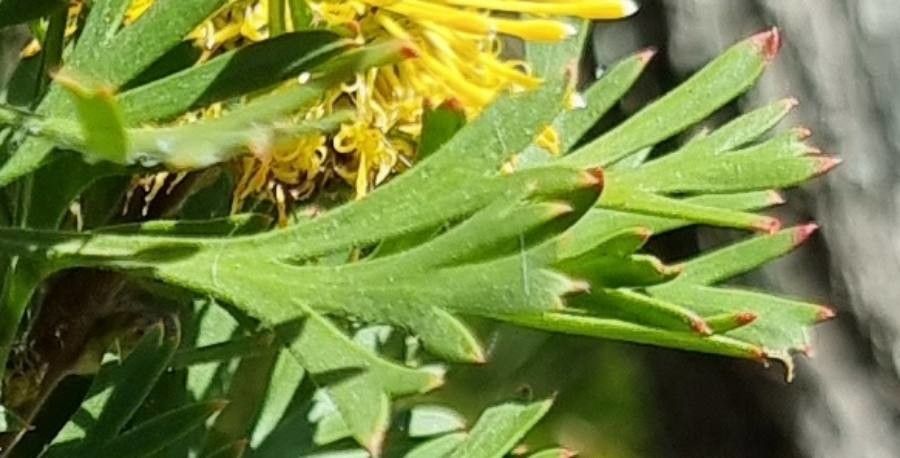
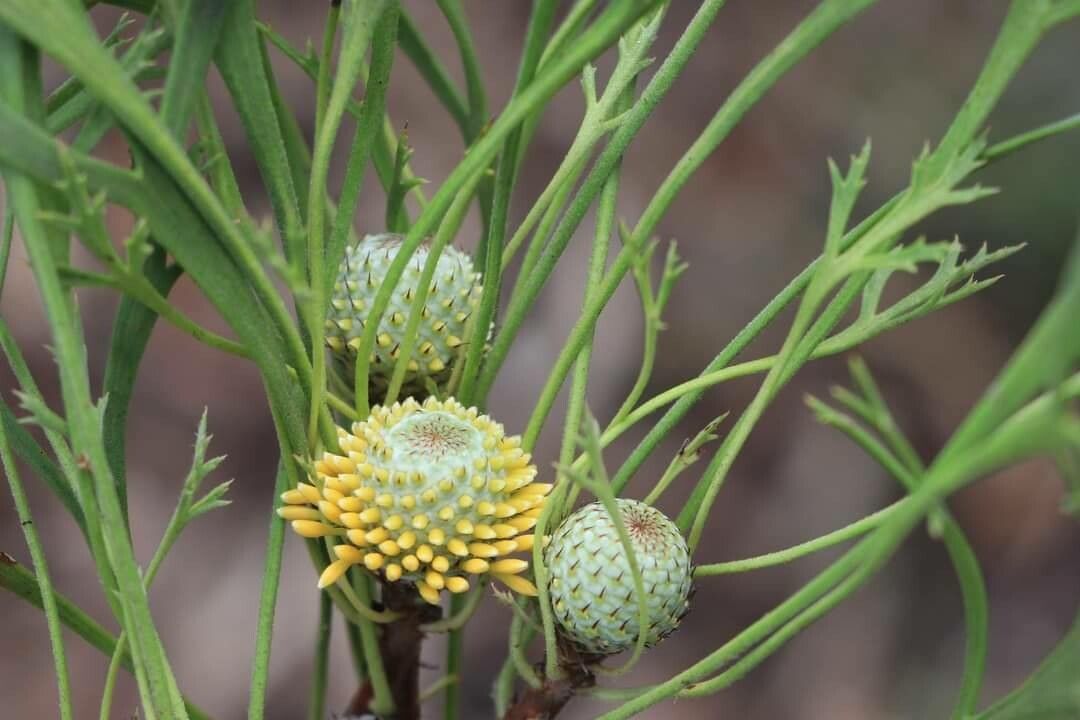
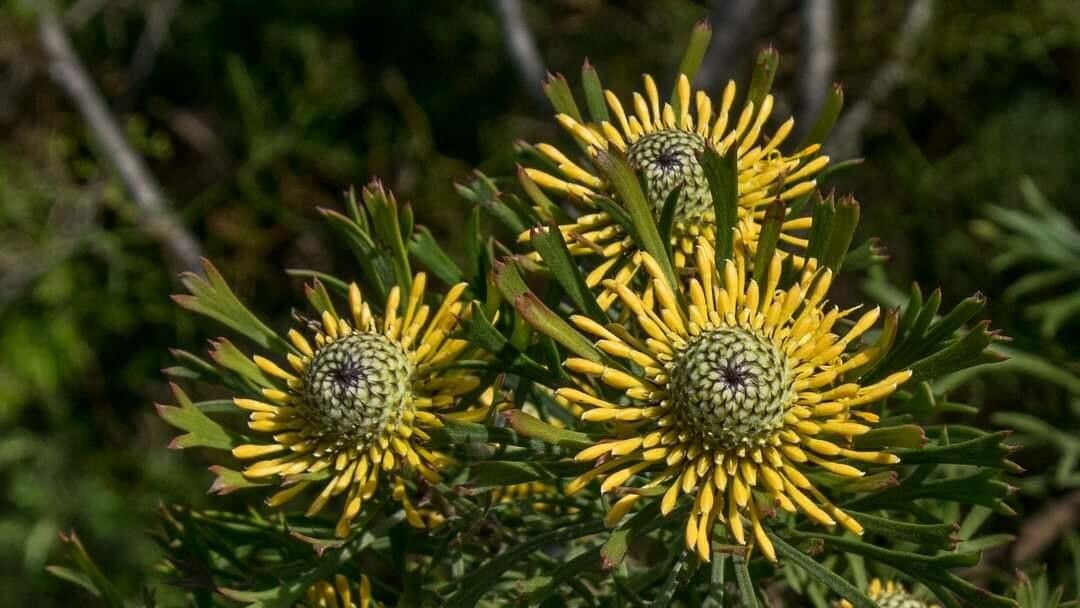
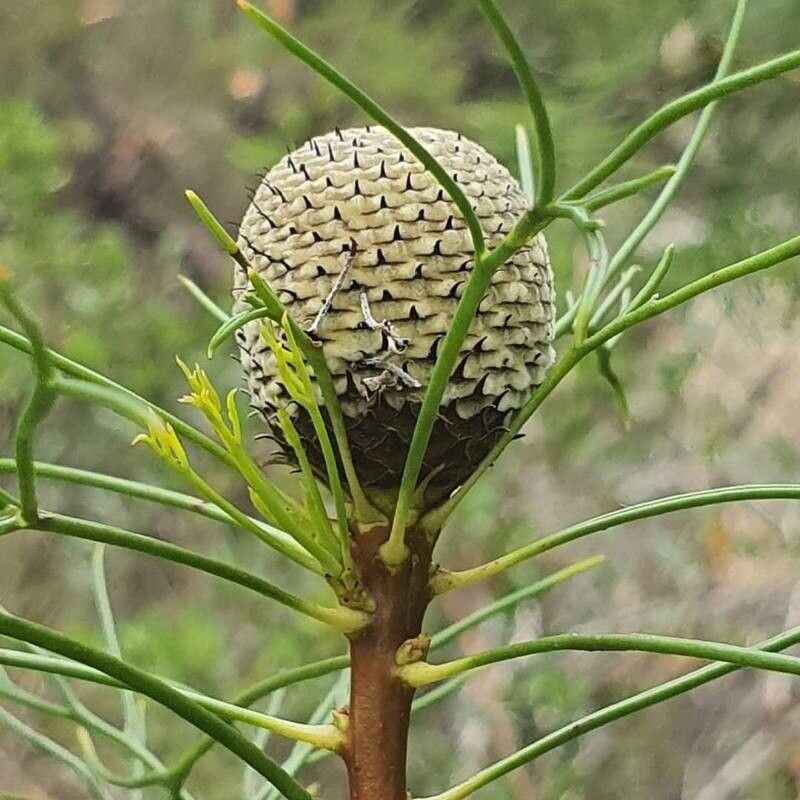
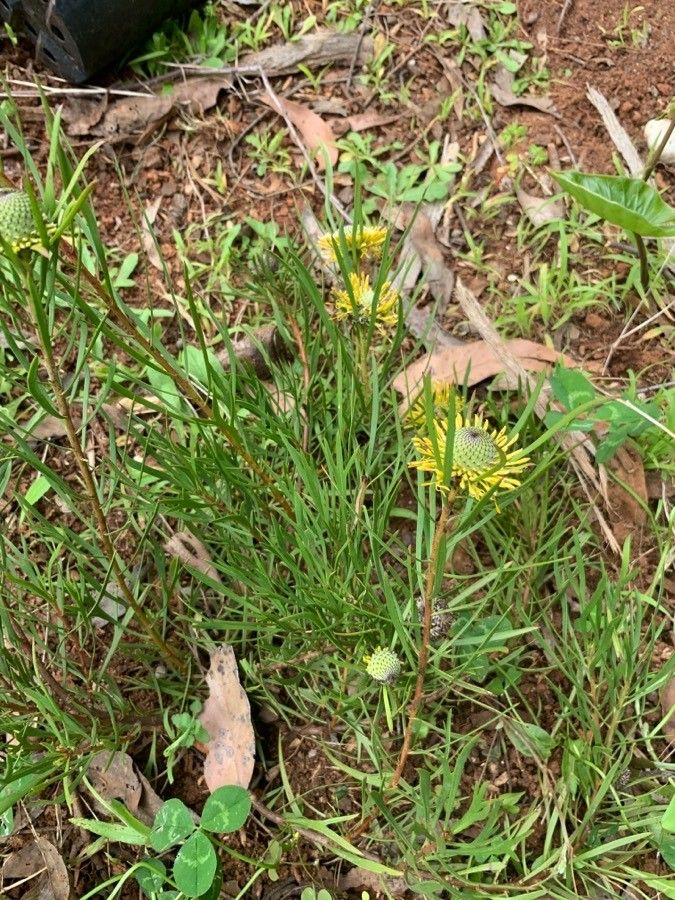
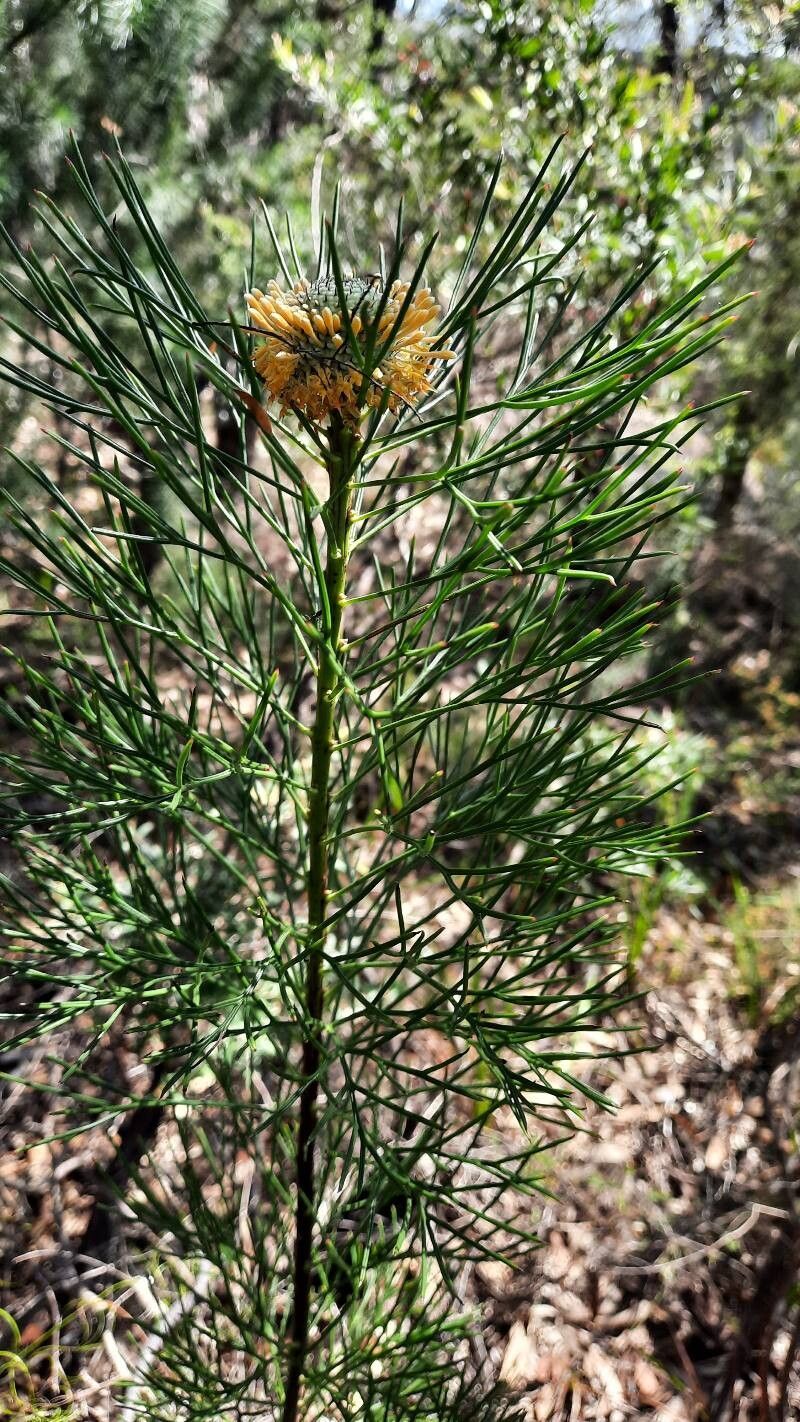
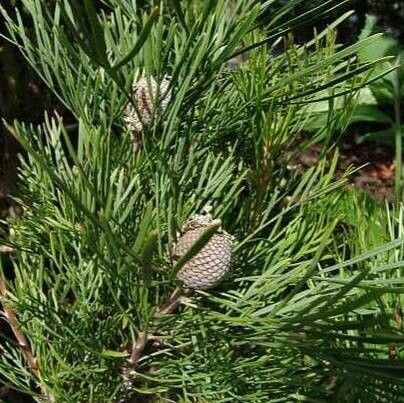
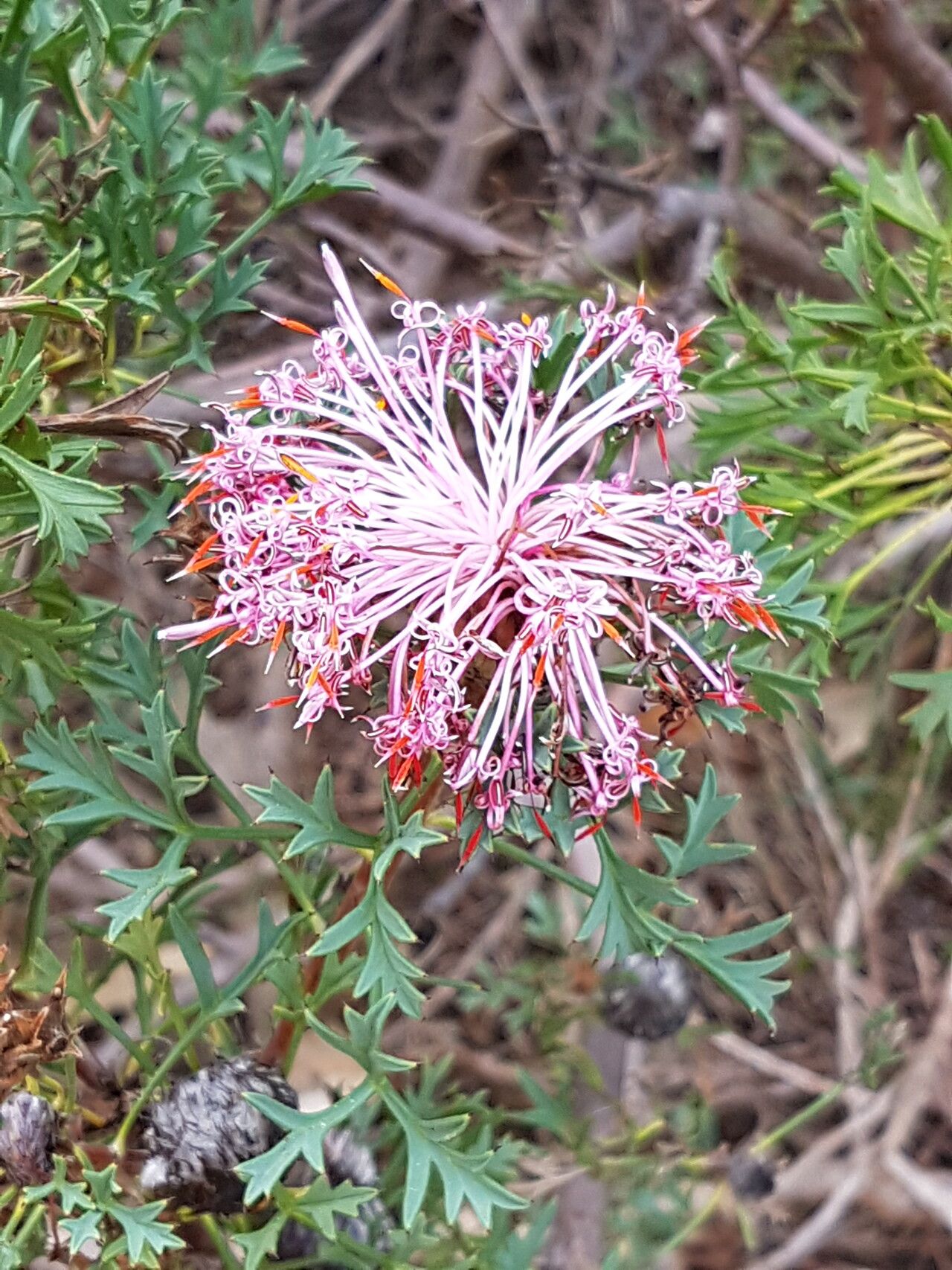
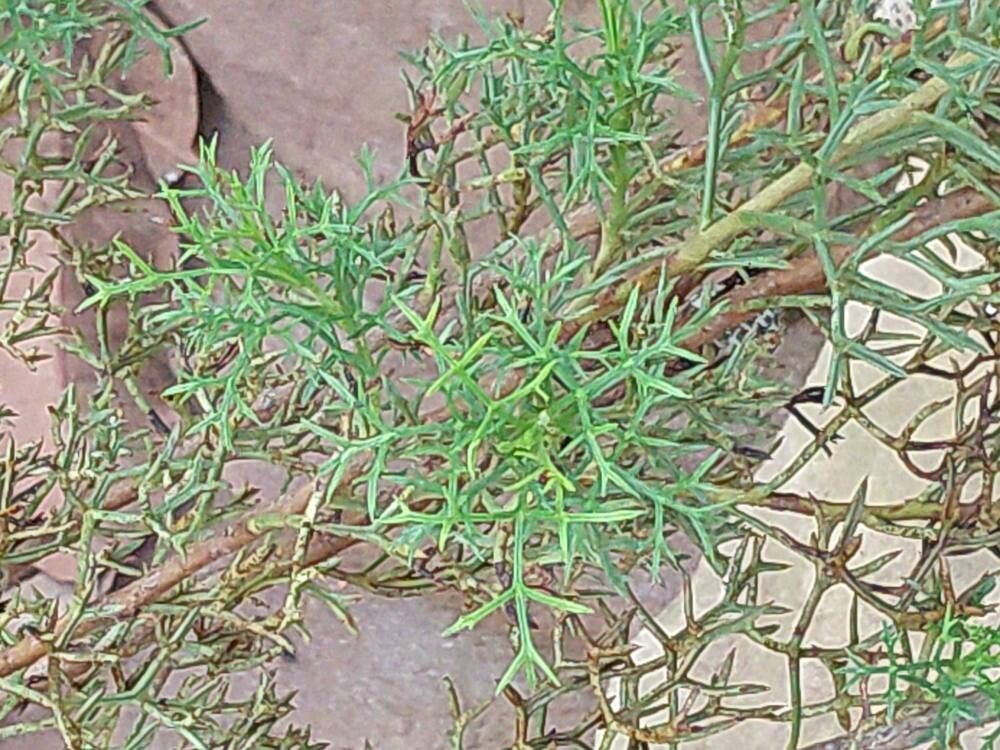
Isopogon anemonifolius, commonly known as broad-leaved drumsticks, is a shrub of the family Proteaceae that is native only to eastern New South Wales in Australia. It occurs naturally in woodland, open forest, and heathland on sandstone soils. I. anemonifolius usually ranges between one and two metres in height, and is generally smaller in exposed heathland. Its leaves are divided and narrow, though broader than those of the related Isopogon anethifolius, and have a purplish tinge during the cooler months. The yellow flowers appear during late spring or early summer and are displayed prominently. They are followed by round grey cones, which give the plant its common name drumsticks. The small hairy seeds are found in the old flower parts.A long-lived plant reaching an age of up to 60 years, I. anemonifolius resprouts from its woody base, known as a lignotuber, after bushfire. Seedlings appear in the year following a fire. Although I. anemonifolius was collected by Daniel Solander in 1770, it was not described until 1796 by Richard Salisbury. Several varieties have been named, though none are now recognised as distinct. It was first cultivated in the United Kingdom in 1791. I. anemonifolius grows readily in the garden if located in a sunny or part-shaded spot with sandy soil and good drainage.
Broad-leaf drumsticks are well resistant to disease and generally not susceptible to illnesses. As for maintenance, this plant is fairly low-maintenance. When grown outdoors it needs only light watering, and larger specimens typically do not require pruning. Smaller plants, however, should be trimmed after they finish blooming. Broad-leaf drumsticks are appropriate for anyone with an outdoor area, like a garden or deck, and do not demand extensive care experience.
How to keep Isopogon Anemonifolius.
Light
Broad-leaf drumsticks originate in open environments, such as sunny meadows and forest edges, where light is plentiful. They thrive in Full Sun but can also tolerate Partial Sun, adapting well to a range of sunlight conditions.
Water
Broad-leaf drumsticks, native to Australia's sandy soils, thrive in dry conditions with infrequent rainfall. They prefer limited watering, ideally twice weekly, and flourish best outdoors where they can benefit from natural rain during their active growth period, which promotes vibrant flowering.
Temperature
Broad-leaf drumsticks show strong adaptability to a range of climate conditions, from scorching summers to chilly winters. However, they do have an optimal temperature range for growth. When temperatures climb too high, the plants are prone to heat and humidity stress, which can lead to their death. In areas where temperatures near the lower limit of their cold tolerance, it is important to apply insulation measures to protect the plants.
Fertilizer
Timing matters for fertilizing Broad-leaf drumsticks. Fertilize in early spring and continue monthly until early summer. Fertilizer encourages attractive blooms and supplies energy during both dormant periods and active growth.
Pruning
Broad-leaf drumsticks benefit from pruning in early spring, right after the last frost. This encourages better flowering. Be sure to remove dead branches and lightly shape new growth to maintain a compact form. Regular pruning also enhances air circulation, which reduces the risk of diseases. Always use sterilized tools to ensure clean cuts and prevent infections.
Botanical profile.
- Plant Type
- Shrub
- Life Cycle
- Perennial
- Genus
- Isopogon
- Family
- Proteaceae
- Hardiness Zone
- 9-11
- Mature Height
- 0.49 m to 1.52 m
- Mature Spread
- 49 cm to 91 cm
- Leaf Color
- Dark Green
- Leaf Type
- Semi-evergreen
- Flower Size
- 2.03 cm to 3.05 cm
- Bloom Time
- Fall
- Planting Time
- Spring, Summer, Autumn
- Harvest Time
- Winter
Other names.