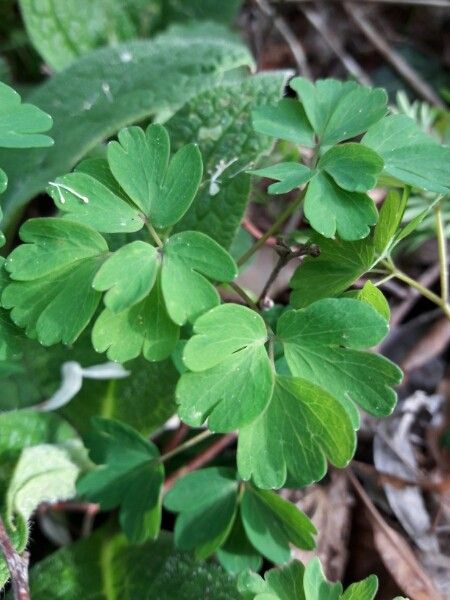
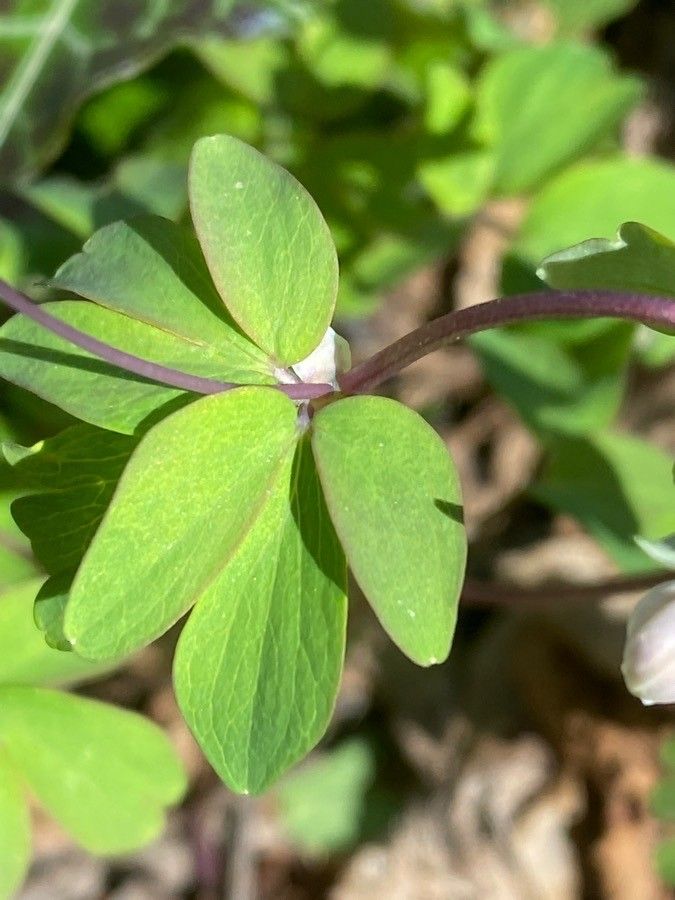
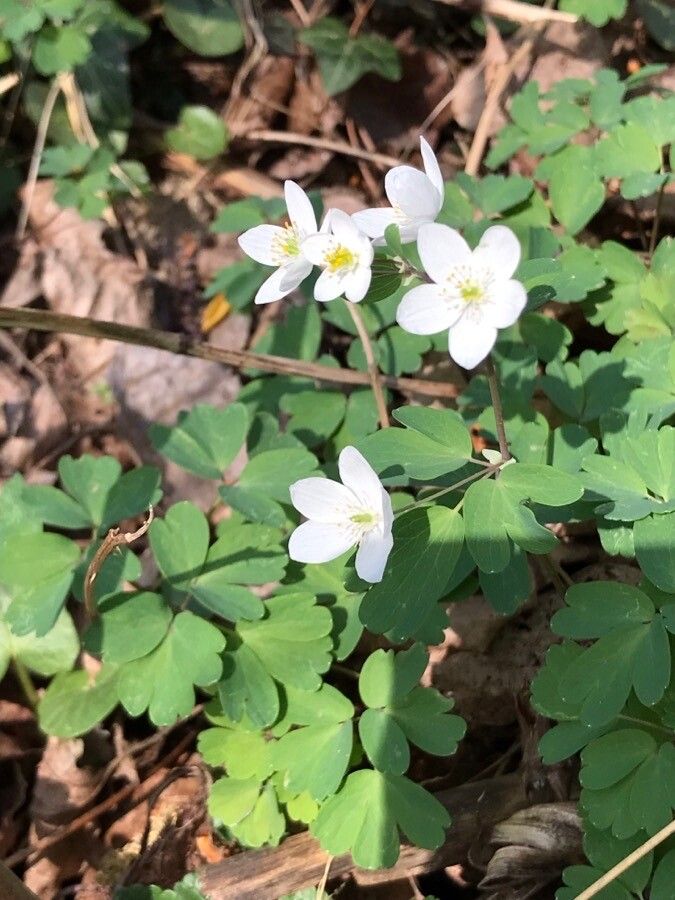
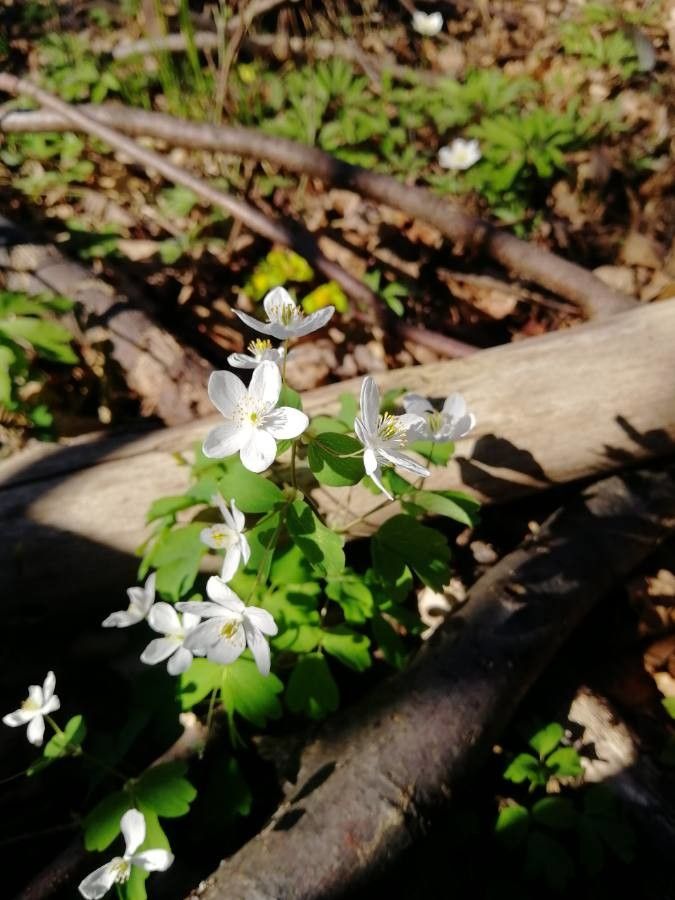
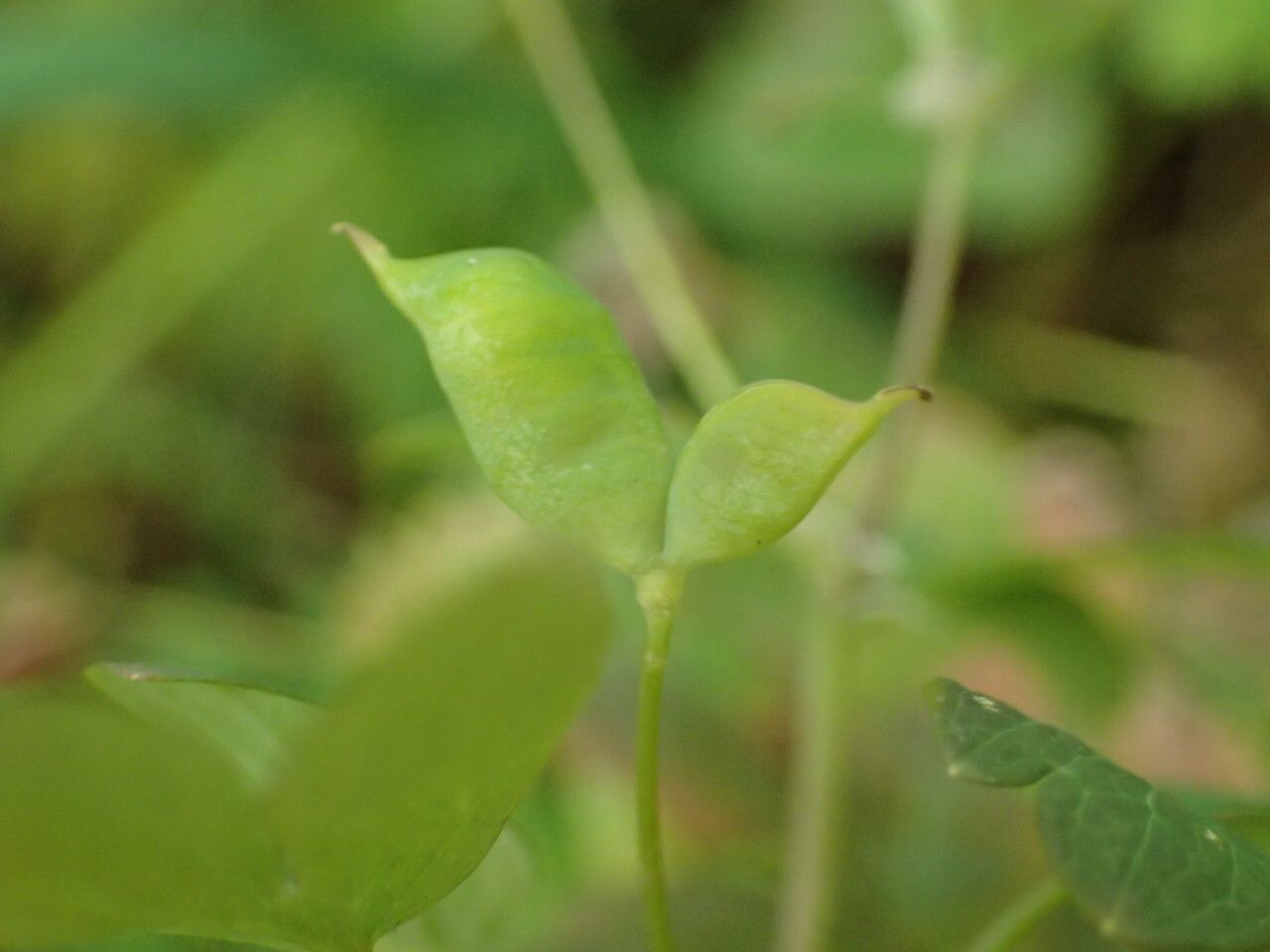
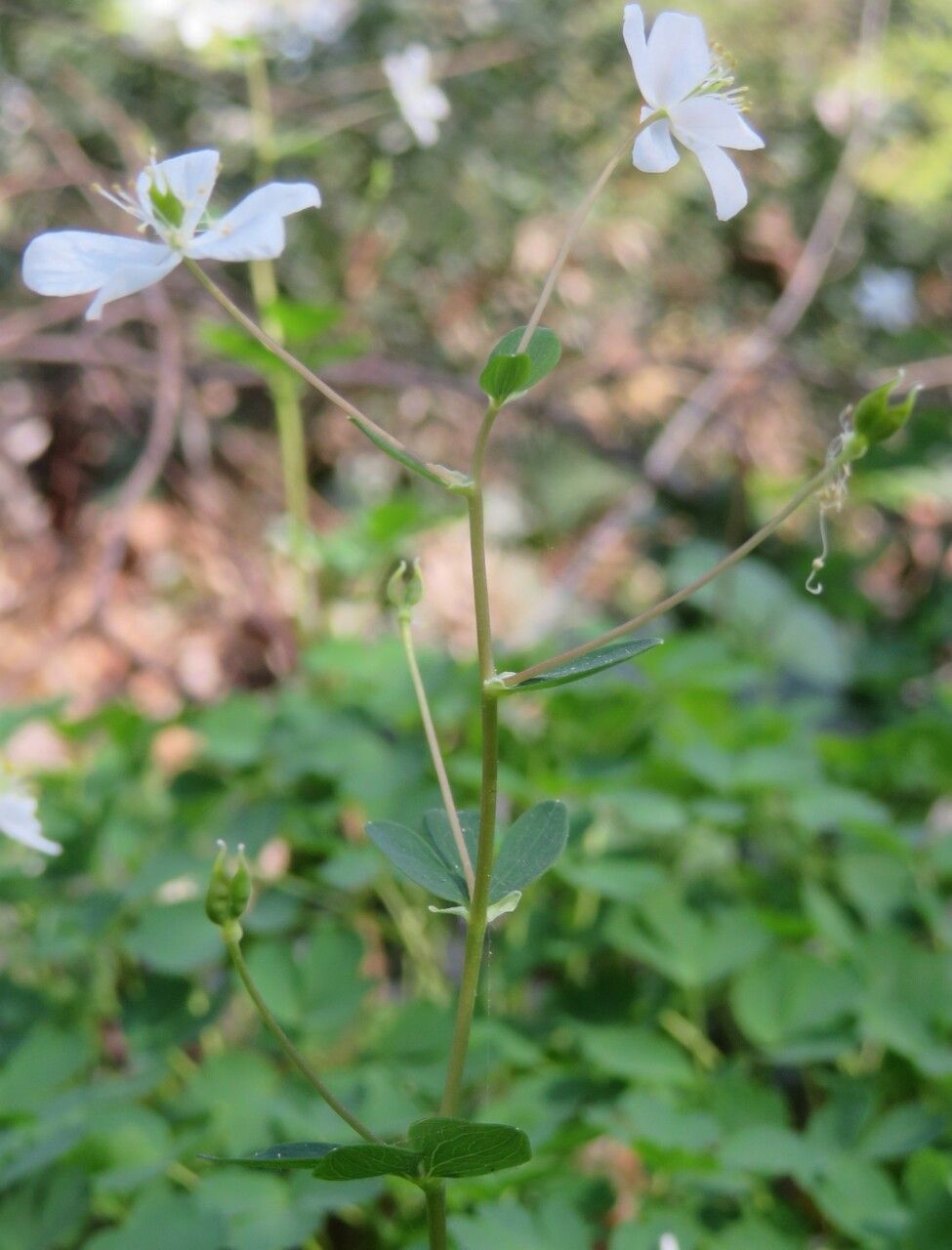
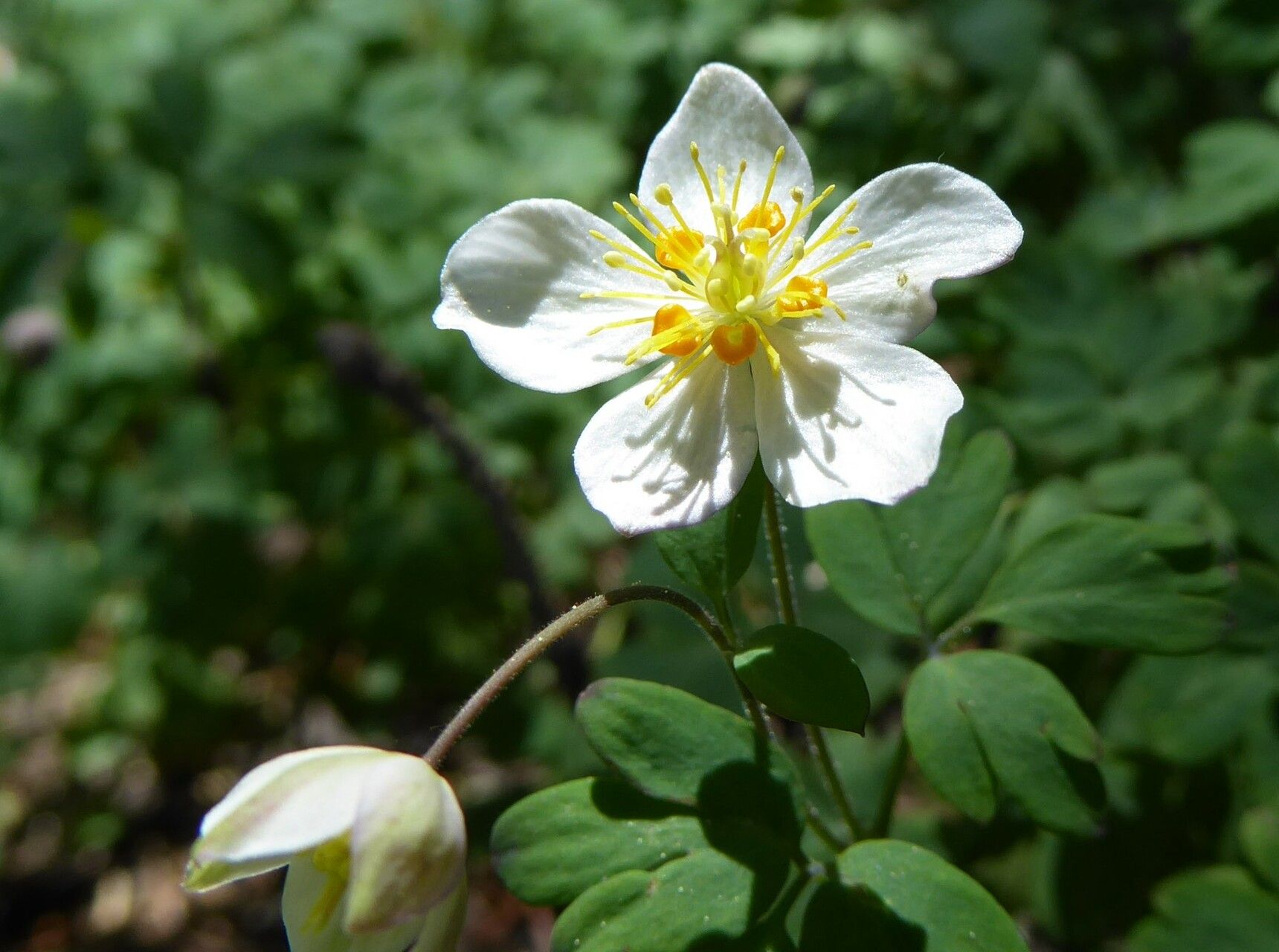
Isopyrum thalictroides, commonly known as false rue anemone, is a delicate perennial plant in the buttercup family. Native to North America, it thrives in woodlands and meadows across the eastern United States. This charming plant reaches up to 12 inches in height and features finely divided leaves that resemble fern fronds. Its small, star-shaped flowers, typically white or pinkish, bloom from early spring through early summer.
False rue anemone prefers moist, well-drained soil and partial shade, although it can tolerate full sun if the soil remains consistently moist. It is often used as ground cover or in woodland gardens due to its delicate beauty.
Although false rue anemone has no known medicinal uses, it holds ceremonial significance for Native Americans, symbolizing purity and innocence. However, it is important to note that all parts of the plant are toxic if ingested.
Overall, Isopyrum thalictroides is a charming addition to any garden or natural area, appreciated for its delicate beauty and adaptability to various growing conditions.
Botanical profile.
- Plant Type
- Herb
- Life Cycle
- Perennial
- Genus
- Isopyrum
- Family
- Ranunculaceae
- Hardiness Zone
- 4-8
- Mature Height
- 10 cm to 34 cm
- Mature Spread
- 20 cm to 30 cm
- Leaf Color
- Green, Blue
- Leaf Type
- Deciduous
- Flower Color
- White
- Flower Size
- 1.02 cm to 2.03 cm
- Bloom Time
- Early spring, Mid spring
- Planting Time
- Spring, Summer
- Harvest Time
- Late spring, Early summer
- Native Area
- Austria, Czech Republic, Slovakia, Montenegro, Bulgaria, Poland, Croatia, Slovenia, Belarus, Ukraine, Serbia, Russia, Lithuania, Hungary, Italy, Spain, Switzerland, Romania, France
Other names.