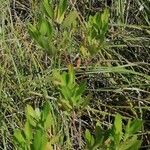
Iva frutescens
Marsh-elder · Bigleaf Marsh-elder · Jesuit's-Bark · Big-leaved Marsh-elder · Maritime Marsh-elder
Description
Source: leafsnapIva frutescens, commonly known as marsh elder or high-tide bush, is a perennial shrub from the Asteraceae family. Native to the southeastern United States, it thrives in wetlands, marshes, and along riverbanks. The plant can grow up to 6 feet tall and features a woody stem with green, toothed or lobed leaves. The flowers of Iva frutescens are small and greenish-yellow, blooming from July to September. These blooms are followed by small fruits, each containing a single seed. The plant is renowned for its ability to tolerate flooding and saltwater intrusion. For centuries, Native Americans have utilized Iva frutescens for its medicinal properties, using it to treat ailments such as fever, coughs, colds, headaches, and stomachaches. Beyond its medicinal uses, Iva frutescens plays a crucial ecological role in wetland ecosystems by providing habitat for various bird and insect species. Overall, Iva frutescens is a significant plant species, offering both ecological benefits and medicinal properties, making it an important part of the natural world around us.
Care Guide
💧 Water Every 7 days
Jesuit's bark grows well in coastal environments, as it thrives on consistent moisture and can tolerate brackish conditions. It requires weekly watering to remain healthy, ensuring it receives enough water without becoming oversaturated. This plant is robust and resistant to salt spray, making it ideal for outdoor cultivation. It adapts well to the fluctuating soil moisture levels typical of coastal climates.
How should I water my Jesuit's bark?
To properly water the Jesuit's bark plant, it is recommended to use filtered water at room temperature. Tap water may contain harmful particles that can affect the plant's health. It is important to use water that is at room temperature or slightly warmer because the Jesuit's bark is accustomed to a warm environment, and cold water can be stressful for the plant. It is advised to avoid overhead watering, as it can cause issues with the foliage. Instead, it is best to directly apply the filtered room temperature water to the soil until it is completely soaked. This method of watering is beneficial as it helps moisten the roots and allows them to spread and absorb the necessary nutrients from the soil.
What should I do if I give my Jesuit's bark too much or too little water?
Both overwatering and underwatering can harm your Jesuit's bark, but overwatering is more common. When this plant gets too much water, its stems and leaves may wilt and turn yellow. Overwatering for a long time can also lead to diseases like root rot, mold, and mildew, which can kill your plant. Underwatering is less likely, as the Jesuit's bark can handle drought well. However, it can still happen, and in that case, the leaves may become brittle and brown. It's important to spot signs of overwatering early when caring for your Jesuit's bark. Some diseases caused by overwatering, like root rot, may not be reversible if you wait too long. If you see early signs, reduce your watering immediately. Check the soil quality where your plant grows; if it drains poorly, replace it with a loose, well-draining potting mix. If you notice signs of underwatering, simply water more regularly until the symptoms improve.
How often should I water my Jesuit's bark? How often do I need to water my Jesuit's bark?
If your Jesuit's bark plant is in a pot, you can check if it needs water by sticking your finger into the soil. If the top two to three inches of soil are dry, it's time to water it. The same method can be used if your plant is grown outdoors in the ground. In spring and early fall, you'll likely need to water the plant once a week. During extremely hot weather, you may need to water it twice or more per week. However, mature and well-established Jesuit's bark plants are usually able to tolerate drought well.
How much water does my tree need?
To ensure your Jesuit's bark receives the right amount of water, don't hesitate to give it a generous amount. Wait until the top two to three inches of soil have dried out before watering. When you do water, make sure to thoroughly soak the soil. You should add enough water that it flows through the drainage holes at the bottom of the pot. If you don't see excess water draining, it's likely that you haven't watered enough. However, be careful not to let the water accumulate in the soil, as this can be harmful to the plant. On the other hand, if water doesn't drain well through the pot, it may indicate that the soil is not draining properly, which can harm the plant. If the plant is outside, about an inch of rain per week will suffice.
How should I water my Jesuit's bark when it's growing at different stages?
The water needs of the Jesuit's bark can vary depending on its growth stages. When the Jesuit's bark is young or recently transplanted, it requires more water than usual. During these stages, the plant focuses on growing new roots to support future growth, and these roots need extra moisture. However, as the Jesuit's bark matures, it will require less water. Another stage that may require increased watering is the bloom period, as flower development requires more moisture.
☀️ Light Full sun
Jesuit's bark prefers ample light, which is essential for its healthy growth and vitality. Strong exposure does not impede its development; rather, a lack of light can hamper its growth and development. Rooted in its origin in a brighter environment, it shows this preference for higher light levels.
What are the sunlight requirements for Jesuit's bark?
Jesuit's bark requires full sun, meaning it should receive above 6 hours of sunlight daily for optimal growth. It is inherent in its nature to favor abundant illumination, and this intensity of exposure is crucial for its health and vitality. The absence of sufficient light could impair its growth and development, highlighting the importance of ensuring it gets enough light. It's also recommended to watch how sunlight moves through your garden, selecting spots that provide a good balance of light and shade to ensure the happiness of your plants.
What should I do if my Jesuit's bark isn't getting enough natural sunlight?
If Jesuit's bark isn't getting enough natural sunlight, consider using artificial lighting to supplement its light needs, especially during winter or in less sunny spaces. Indoor plants can benefit greatly from adequate lighting for optimal growth. LED lights are popular for indoor plant lighting as they can be customized to provide specific wavelengths of light needed by your plants. For full sun plants like Jesuit's bark, 30-50W/sq ft of artificial light is recommended. Ensure the light source is placed 12-36 inches above the plant and mimic natural daylight hours, providing 8-12 hours of light per day.
What are the symptoms of light deficiency in Jesuit's bark?
Symptoms of light deficiency in Jesuit's bark include smaller new leaves, leggy or sparse growth, faster leaf drop, no new growth, lighter-colored new leaves, chlorosis, sunscald, leaf curling, wilting, and leaf scorching. These symptoms indicate that the plant is not receiving adequate sunlight, which is necessary for its healthy growth. For instance, new leaves may grow smaller, and the space between leaves or stems may increase, giving the plant a stretched-out appearance. To address light deficiency, gradually increase sunlight exposure or use artificial light to mimic natural conditions.
How can I ensure my Jesuit's bark receives enough sunlight?
To ensure your Jesuit's bark receives enough sunlight, gradually move it to a sunnier location each week until it gets at least 6 hours of direct sunlight daily. For indoor plants, use a south-facing window and keep curtains open during the day. If the plant is large or not easily movable, consider using artificial light, keeping a lamp on for at least 8 hours daily or investing in professional plant grow lights. When addressing outdoor plants, avoid sudden changes in light intensity to prevent sunburn. Removing obstructions and considering transplanting smaller plants during their dormant period can also help improve sunlight exposure.
🌡️ Temperature 15–35°C
Jesuit's bark performs best when grown in temperatures ranging from 59 to 95 °F (15 to 35 °C). Accustomed to temperate climates, it prefers milder conditions. Seasonal adjustments may be necessary to maintain the plant's health during extreme weather.
What is the optimal temperature range for growing Jesuit's bark?
Jesuit's bark, also known by its botanical name Iva frutescens, thrives best within a temperature range of 59 to 95 °F (15 to 35 °C). This plant is accustomed to temperate climates and prefers milder temperatures. It is important to make seasonal adjustments to ensure the plant's health during extreme weather conditions.
How does Jesuit's bark react to cold temperatures?
Jesuit's bark possesses some cold tolerance and usually does not require additional measures when the temperature remains above -5°C. However, if temperatures are expected to fall below -5°C, it is necessary to implement temporary cold protection measures. This could involve wrapping the plant in materials like plastic film, fabric, or other protective layers. Once temperatures rise, these protective measures should be promptly removed to avoid damaging the plant.
What should I do if my Jesuit's bark experiences low temperatures?
Jesuit's bark has a moderate tolerance to low temperatures but thrives best above 15°C. During winter, it's crucial to keep it above -5°C. If temperatures drop below -10°C, the leaves may droop and in severe cases, wilt and fall off. To manage frost damage, trim off the frost-damaged parts. Before exposure to low temperatures again, wrap the plant with non-woven fabric or cloth and create a wind barrier to protect it from cold winds.
How should I care for Jesuit's bark during high temperatures?
During the summer, it's important to keep Jesuit's bark below 35°C to prevent stress. Temperatures exceeding 41°C can cause the leaves to lighten in color, tips to dry and wither, leaves to curl, and increase susceptibility to sunburn. Address these issues by trimming away sunburned and dried-up parts. Move the plant to a location with shade from the midday and afternoon sun or use a shade cloth. Additionally, water the plant in the morning and evening to keep the soil moist and help reduce temperature stress.
💨 Humidity
🪴 Soil 6-7
🌱 Fertilizer
One fertilizer treatment in spring is generally enough for Jesuit's bark, though several feedings will maximize growth. Feed it every month to six weeks. Fertilizing improves the leaves' appearance and function, supporting even color and a healthy texture. It also promotes root development and nutrient uptake for long-term plant health.
🪴 Pot & Repot
✂️ Pruning
Jesuit's bark grows well in coastal areas and benefits from regular pruning, which helps remove dead branches and encourages bushier growth. The best time to prune is from early to late spring, as this supports healthier development. However, it's important to be careful not to over-prune, as this can stress the plant.
🌿 Propagating
🐛 Diseases & pets
☠️ Toxicity
Characteristics
- Plant Type
- Herb, Shrub
- Life Cycle
- Perennial
- Genus
- Iva
- Family
- Asteraceae
- Hardiness Zone
- 8-10
- Mature Height
- 3.35 m
- Mature Spread
- 1.22 m to 2.44 m
- Leaf Color
- Dark Green
- Leaf Type
- Deciduous
- Flower Color
- Yellow, Green, Brown
- Flower Size
- 10.16 cm
- Bloom Time
- Late summer, Early fall, Mid fall
- Planting Time
- Spring, Summer
- Harvest Time
- Mid fall, Late fall, Early winter