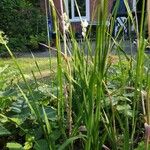
Ixia maculata
Yellow ixia · Spotted African cornlily
Description
Source: leafsnapIxia maculata, commonly known as the spotted ixia, is a perennial plant species in the Iridaceae family. Native to South Africa, it thrives in diverse habitats, including grasslands, rocky slopes, and sand dunes. The plant features slender stems that can grow up to 50 cm tall, adorned with clusters of striking flowers. Typically, these flowers are pink or white with dark spots at the base of each petal, lending them a distinctive appearance. Due to its attractive blooms and ease of cultivation, Ixia maculata is a popular ornamental plant. It prefers well-drained soils in full sun or partial shade and can be propagated through division or from seeds. In its native environment, the spotted ixia is an essential food source for pollinators, particularly bees. Although Ixia maculata is not currently considered threatened in its natural habitat, it may face challenges from habitat loss due to urbanization and agricultural practices. Conservation efforts might focus on protecting natural habitats where the species thrives or encouraging its cultivation as an alternative source for cut flowers, thereby reducing the need to harvest wild populations. In summary, Ixia maculata is an attractive perennial that adds color and interest to gardens and provides crucial ecological benefits within its native range.
Care Guide
💧 Water Every 7 days
The spotted African corn lily, a plant native to South Africa, thrives in semi-arid conditions and needs well-drained soil. To care for it, water the plant once a week and allow it to go through a dry dormancy period to initiate growth. This plant is primarily grown outdoors, where it benefits from seasonal temperature changes. It is important to note that the spotted African corn lily has a low tolerance for waterlogged conditions.
How should I water my Spotted African corn lily?
To properly water the Spotted African corn lily, it is important to use filtered water at room temperature or slightly warmer. Tap water may contain harmful particles, hence filtered water is preferable. The plant is accustomed to a warm environment, so cold water can be a shock to its system. It is best to avoid overhead watering, as it can cause problems with the foliage. Instead, simply water the plant by applying filtered room temperature water directly to the soil until it is completely soaked. This helps the roots stay moist and allows them to spread and gather essential nutrients.
What should I do if I give my Spotted African Corn Lily too much or too little water?
Overwatering is a much more common problem for Spotted african corn lilies than underwatering. When these plants get too much water, their stems and leaves may wilt and turn yellow. Overwatering can also lead to diseases like root rot, mold, and mildew, which can be fatal for your plant. Underwatering is less likely, as these plants can tolerate drought, but it can still happen and cause brittle, brown leaves. It's important to notice signs of overwatering early on, as some of the resulting diseases may be irreversible if not addressed promptly. If you see these signs, reduce your watering schedule and check the soil's drainage. If it drains poorly, replace it with well-draining potting mix. If your plant shows signs of underwatering, simply water more frequently until the signs improve.
How frequently should I give water to my Spotted African Corn Lily?
If your Spotted African Corn Lily is in a pot, the most precise way to determine if it needs water is by checking the soil. Simply stick your finger into the soil and if the top two to three inches are dry, it's time to water it. If you have your Spotted African Corn Lily planted outdoors, you can use a similar method. When the top few inches of soil have dried out, it's a sign that it needs watering. Typically, during spring and early fall, you'll need to water it once a week. However, in extremely hot weather, you may need to water it twice or more per week. It's worth noting that mature and well-established Spotted African Corn Lilies have a remarkable ability to tolerate drought.
How much water does my Spotted african corn lily require?
To properly water your Spotted African Corn Lily, don't be afraid to give it a generous amount of water. Wait until the top few inches of soil are dry, then water the plant thoroughly until the soil is completely soaked. It's important to provide enough water that it drains through the drainage holes at the bottom of the pot. If you don't see excess water draining, you may have not given enough water. On the other hand, be careful not to let water accumulate in the soil, as it can harm the plant. Similarly, if water is not draining properly, it could be a sign of poorly draining soil, which is not good for the plant's health. If the plant is outdoors, watering it with about 1 inch of rain per week should suffice.
How should I give water to my Spotted African corn lily when it's growing at different stages?
The water requirements of the Spotted African corn lily can vary depending on its growth stages. In the initial years or after transplanting, you will need to provide more water to facilitate root development for future growth. During this stage, the roots require additional moisture. As the plant matures, it will require less water. The bloom period is another stage that may require increased watering, as flower development utilizes a significant amount of moisture.
☀️ Light Full sun
The spotted African corn lily does best in environments with plentiful sunlight. Light has a major effect on its robust growth and flowering. Although it originates from areas with ample sun exposure, it does not favor situations that limit incoming sunlight. Both excessive exposure and insufficient light can harm the plant’s overall health.
What are the sunlight requirements for the spotted african corn lily (Ixia maculata)?
The spotted african corn lily requires full sun exposure, which means it should receive above 6 hours of sunlight daily. Sunlight significantly influences its growth and flowering, contributing to its overall health. Observing your garden to find a spot that offers a balance of light and shade can help in choosing the perfect location for this plant, ensuring it benefits from the ample sun exposure it thrives under.
What is the role of artificial lighting for spotted african corn lily when grown indoors?
When natural sunlight is insufficient, especially during winter or in less sunny spaces, artificial lighting becomes crucial for the growth of spotted african corn lily when grown indoors. Using the right type of artificial light, like LED lights, can provide the specific wavelengths needed by the plant. Full sun plants require 30-50W/sq ft of artificial light. The light source should be placed 12-36 inches above the plant, mimicking the natural sunlight's duration, with most plants needing 8-12 hours of light per day.
What are the common symptoms of improper sunlight exposure in spotted african corn lily?
Improper sunlight exposure in the spotted african corn lily can lead to various symptoms, including small leaves, leggy or sparse growth, faster leaf drop, slower or no new growth, lighter-colored new leaves, chlorosis, sunscald, leaf curling, wilting, and leaf scorching. These symptoms reflect the plant's response to either too little or too much sunlight, affecting its health and growth.
How can I address sunlight-related issues in indoor and outdoor spotted african corn lily plants?
To address sunlight-related issues, for indoor spotted african corn lily plants, gradually move them to a location with at least 6 hours of direct sunlight daily or use artificial lights if the plant is large. For outdoor plants, find the best sunlight spot and avoid sudden changes in light intensity to prevent sunburn. Reducing obstructions like pruning trees or transplanting to a sunnier location can also help. Remember, while parts of the plant that suffered from insufficient sunlight might not recover, new growth after increasing light exposure will be healthy.
🌡️ Temperature 15–35°C
Spotted african corn lily shows good adaptability to temperature, able to endure higher heat and wide temperature fluctuations. When it is hot, it's important to ensure proper watering and provide suitable shade to prevent sunburn. However, Spotted african corn lily is relatively intolerant of low temperatures; although it can tolerate some cold, extremely cold conditions can cause frost damage.
What is the botanical name of the Spotted African Corn Lily?
The botanical name of the Spotted African Corn Lily is Ixia maculata. This name helps in scientifically identifying and differentiating it from other species.
💨 Humidity
🪴 Soil 6-7
🌱 Fertilizer
For Spotted african corn lily, the main time to fertilize is in early spring when flowers are forming. The right fertilizer promotes better blooms and helps Spotted african corn lily produce attractive flowers. Fertilizing in early spring ensures excellent flowers during the season and supplies energy for dormant growth phases.
🪴 Pot & Repot
✂️ Pruning
To encourage growth and blooming, prune the spotted African corn lily from early to late spring. Trim away any spent flower spikes and remove dead leaves to improve air circulation and prevent disease. Be sure to use clean, sharp tools to avoid causing damage to the plant. Regular pruning not only enhances the plant's appearance but also promotes vigorous flowering.
🌿 Propagating
🐛 Diseases & pets
☠️ Toxicity
Characteristics
- Plant Type
- Herb
- Life Cycle
- Perennial
- Genus
- Ixia
- Family
- Iridaceae
- Hardiness Zone
- 9-12
- Mature Height
- 20 cm to 61 cm
- Mature Spread
- 10 cm
- Leaf Color
- Green
- Leaf Type
- Semi-evergreen
- Flower Color
- Yellow, Orange, Red
- Flower Size
- 3.05 cm to 5.08 cm
- Bloom Time
- Mid spring, Late spring
- Planting Time
- Spring, Summer
- Harvest Time
- Early summer, Mid summer
- Native Area
- South Africa