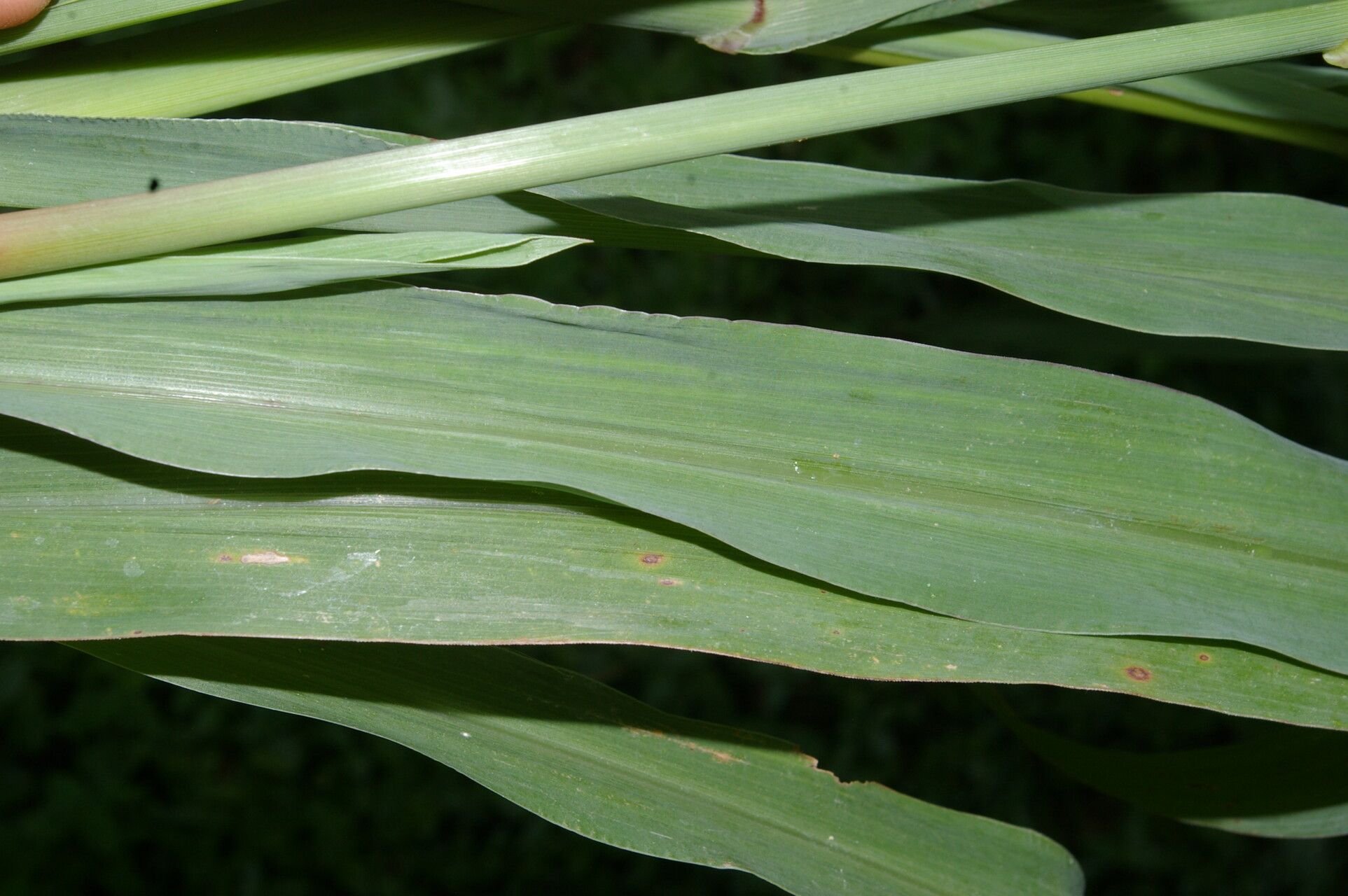
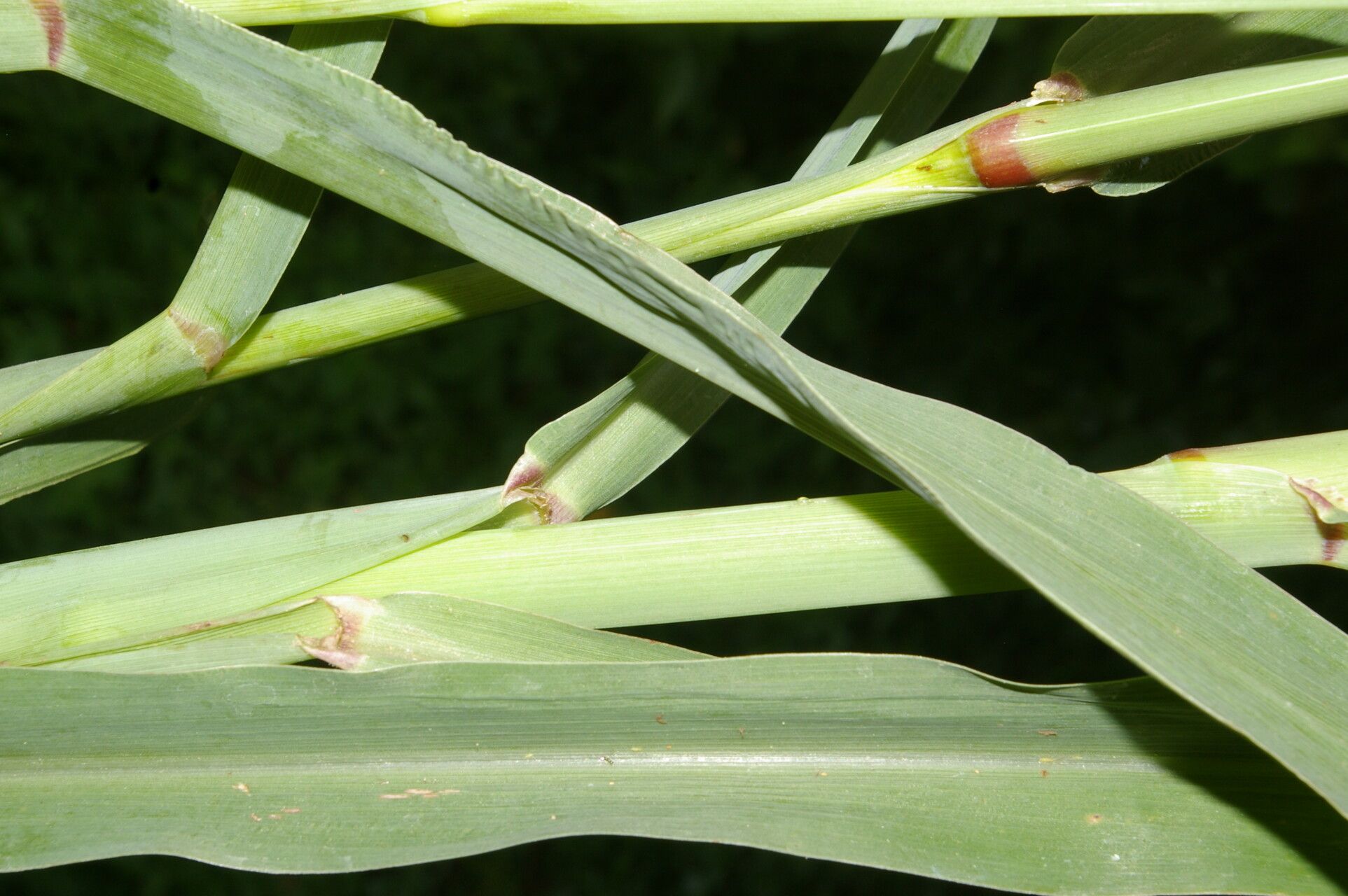
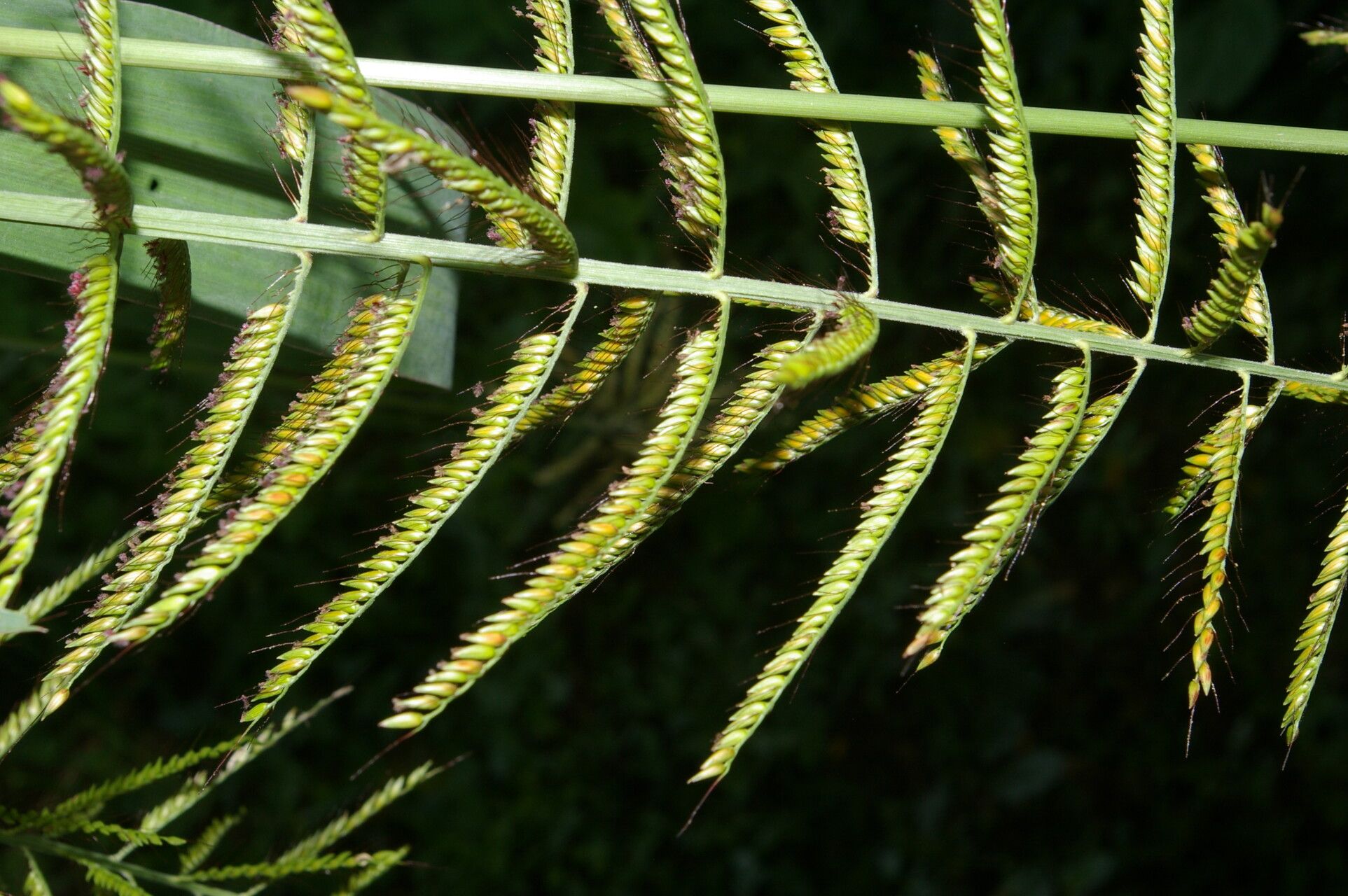
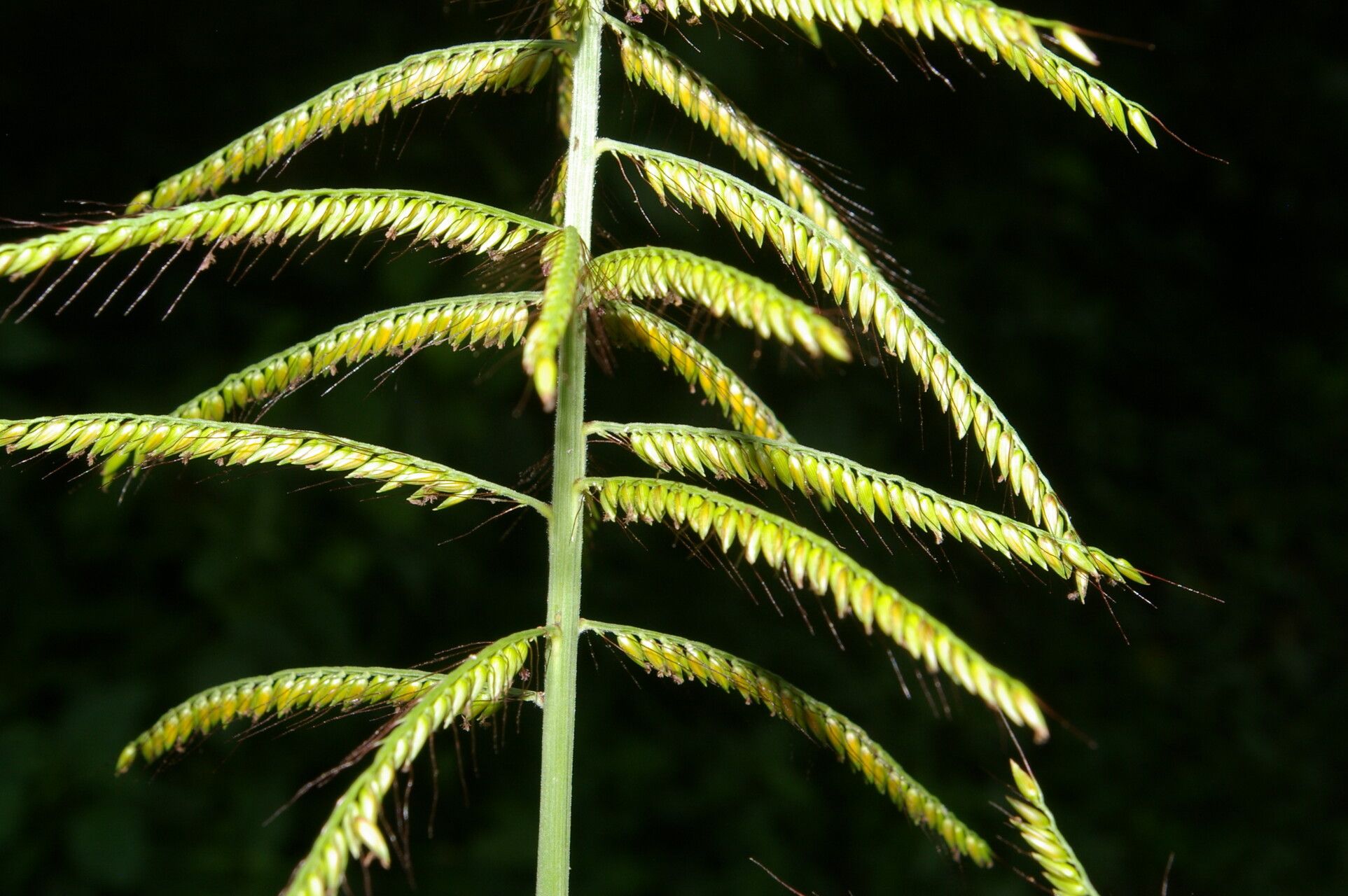
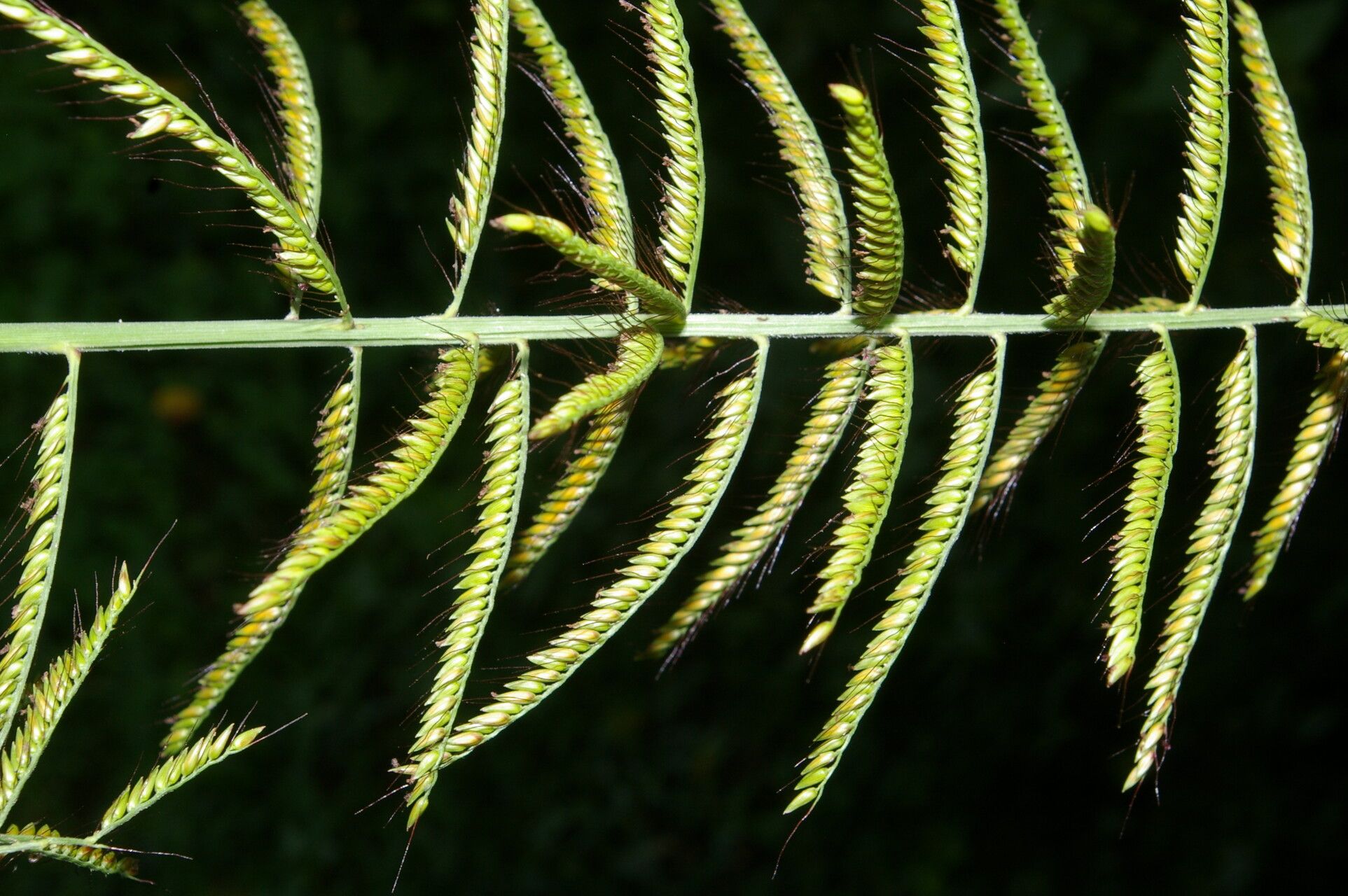
Ixophorus is a genus of Latin American plants in the grass family. The only recognized species is Ixophorus unisetus. Some authors have included one or two other species in the genus, such as I. pringlei, but these have more recently been reduced to synonymy. Common names for I. unisetus include crane grass, turkey grass, Honduras grass, Mexican grass, Central America grass, hático (Colombia), zacate blanco (El Salvador, Honduras, Mexico), and zacate chompipe (Nicaragua).This grass is native to Mexico, Central America, Cuba, Puerto Rico, and Colombia. It is an introduced species in Hawaii.The grass is variable. It can be annual or perennial, growing up to 1.5 meters tall or remaining much shorter. The stem can be up to a centimeter wide and dry to nearly succulent. The inflorescence is an open panicle with up to 50 branches.This grass is grown for grazing and hay in some places, such as Costa Rica. formerly includedseveral taxa once regarded as members of Ixophorus but now regarded as better suited to other genera: Pennisetum Setaria
Ixophorus glaucus – Pennisetum glaucum Ixophorus glaucus var. laevigatus – Setaria parviflora Ixophorus italicus – Setaria italica Ixophorus verticillatus – Setaria verticillata Ixophorus viridis – Setaria viridis
Mexican grass is highly resistant to disease and is usually not susceptible to illnesses. In terms of care, the plant is fairly low-maintenance. When grown outdoors it needs minimal watering, and larger plants typically do not require pruning. Smaller plants, however, should be pruned after they finish blooming. Mexican grass is appropriate for anyone with an outdoor area, such as a garden or deck, and does not demand much experience in plant care.
How to keep Ixophorus Unisetus.
Light
Mexican grass originates from sunny, open areas where it flourishes in direct sunlight. It can withstand partial sun, but optimum growth is achieved in full sun. Recognized for its love for the sun, this plant is an annual and biennial species.
Temperature
Mexican grass displays an impressive ability to adapt to varying temperatures, including those that are quite high, and substantial temperature fluctuations. In conditions of high heat, it's crucial to ensure the grass is adequately watered and protected with suitable shading to avoid sun damage. Despite this, it's worth noting that Mexican grass does not fare well in colder conditions. It can endure a bit of cold, but overly frosty surroundings can result in frost harm.
Botanical profile.
- Plant Type
- Grass
- Life Cycle
- Annual
- Genus
- Ixophorus
- Family
- Poaceae
- Hardiness Zone
- 8-11
- Mature Height
- 0.49 m to 1.52 m
- Mature Spread
- 30 cm to 61 cm
- Leaf Color
- Green, Dark Green
- Leaf Type
- Deciduous
- Flower Color
- Green
- Flower Size
- 0.20 cm to 0.51 cm
- Bloom Time
- Summer, Early fall, Mid fall
- Planting Time
- Spring, Autumn
- Harvest Time
- Late summer, Fall, Early winter
- Native Area
- Colombia, Belize, Cuba, Honduras, Mexico, Guatemala, Bolivia, Venezuela, Brazil, El Salvador, Nicaragua, Costa Rica
Other names.