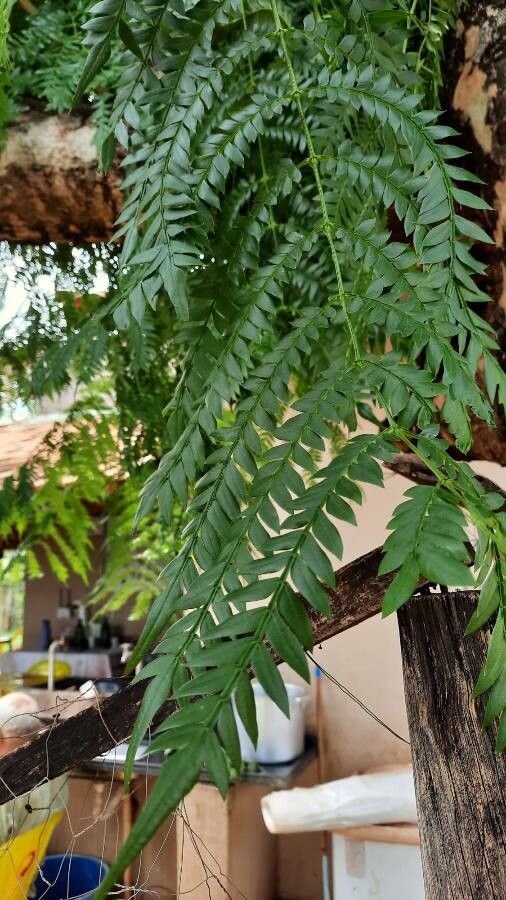
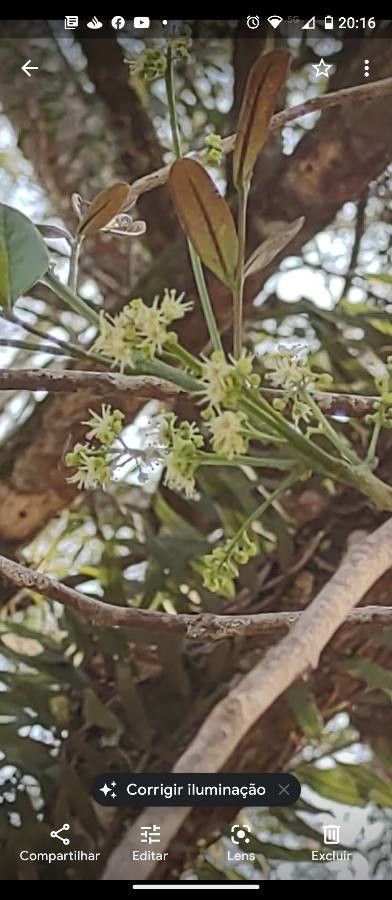
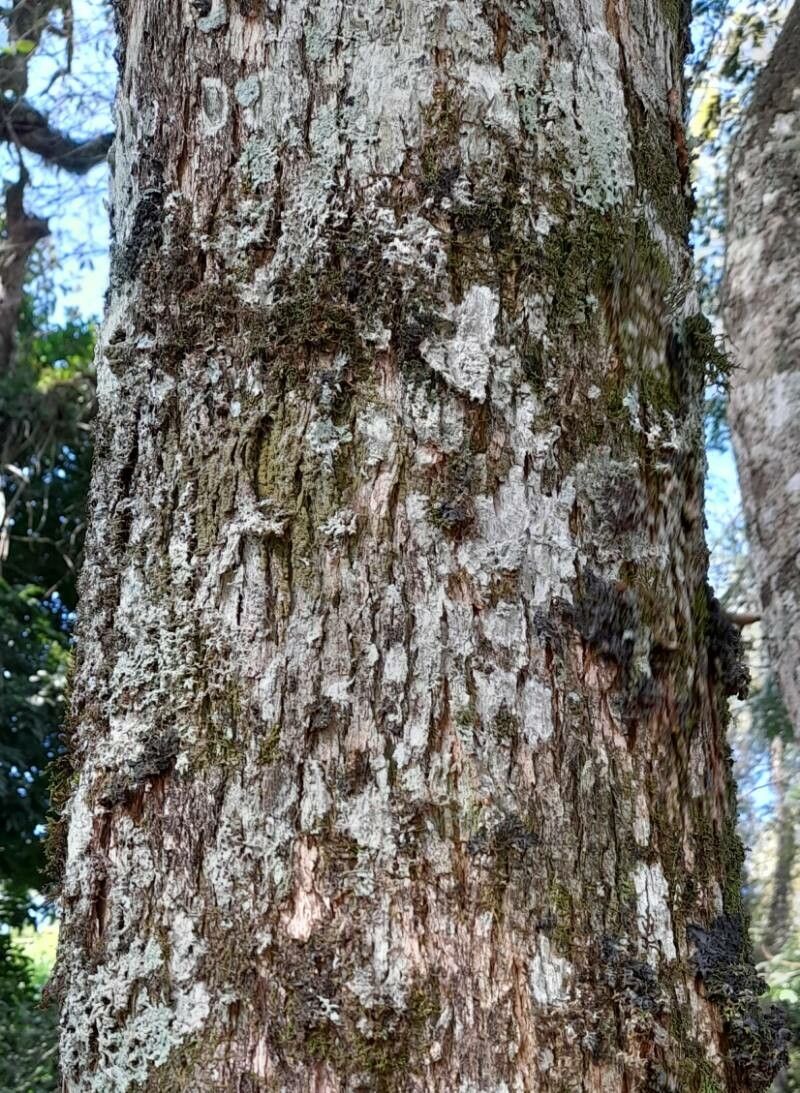
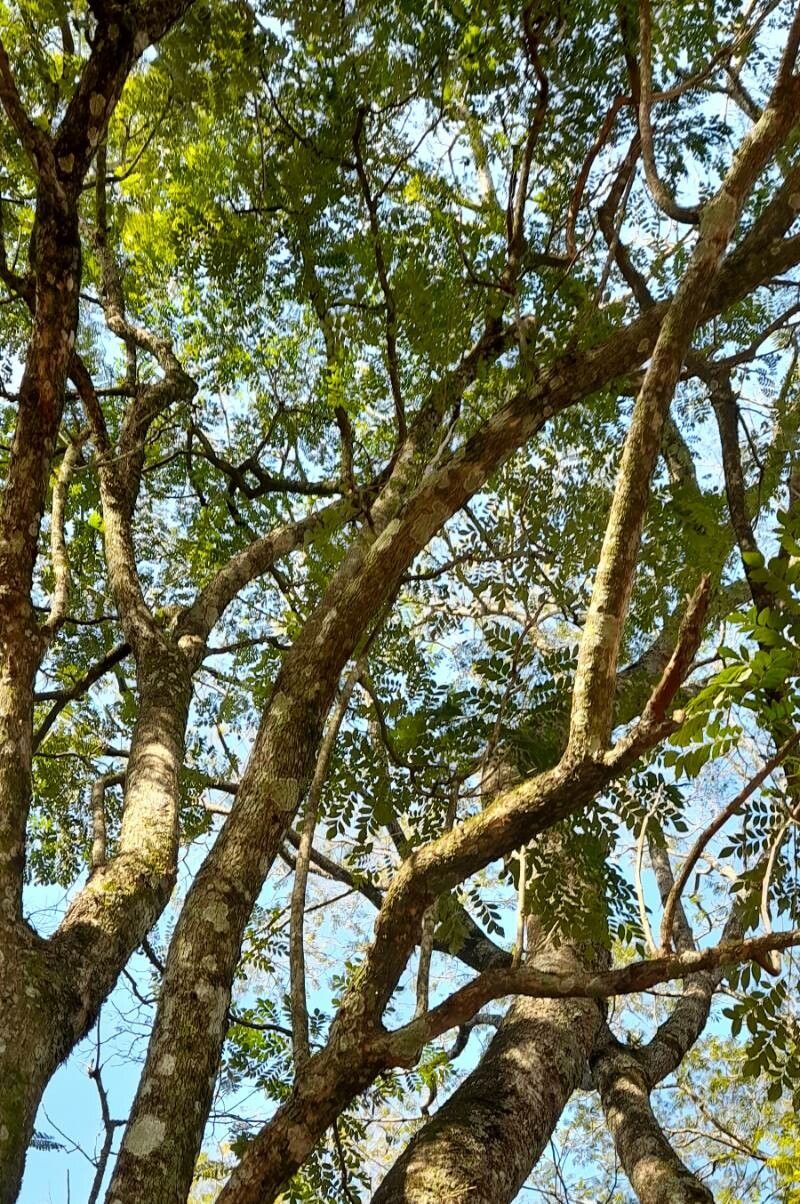
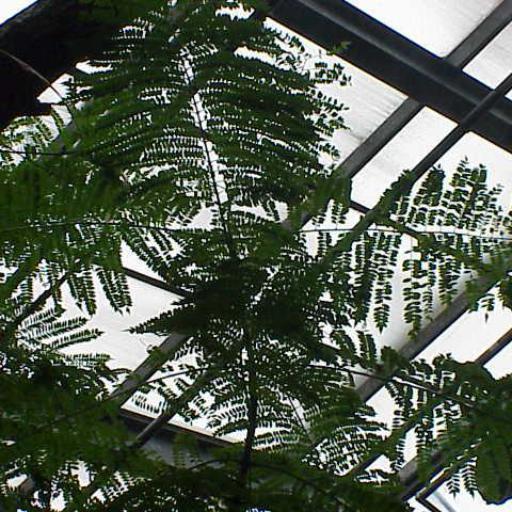
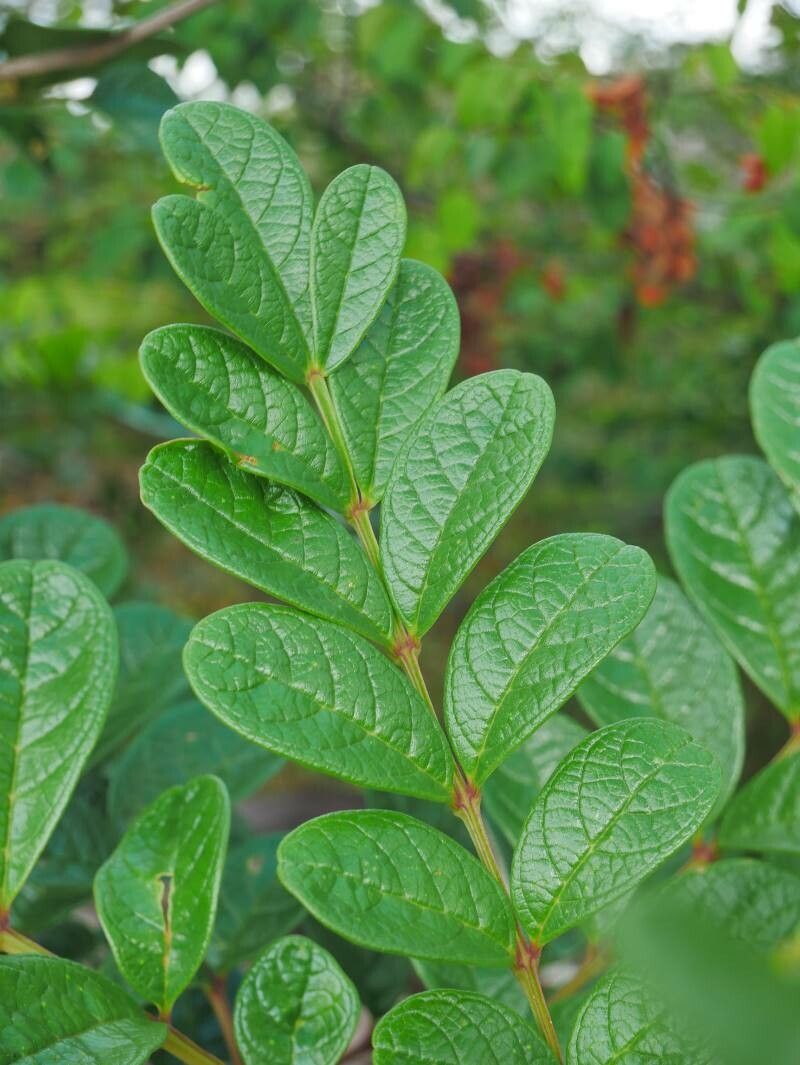
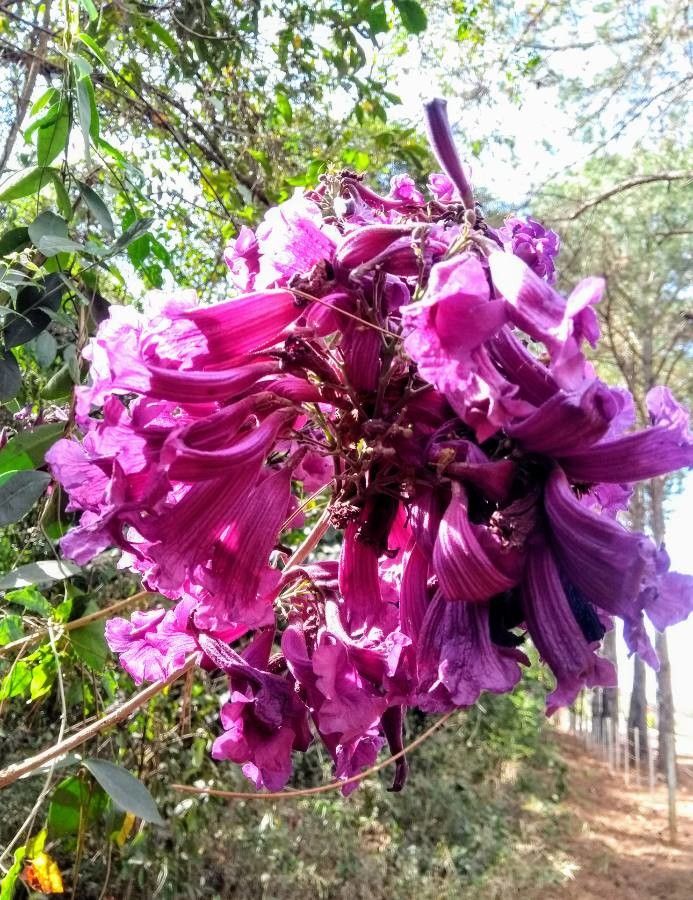
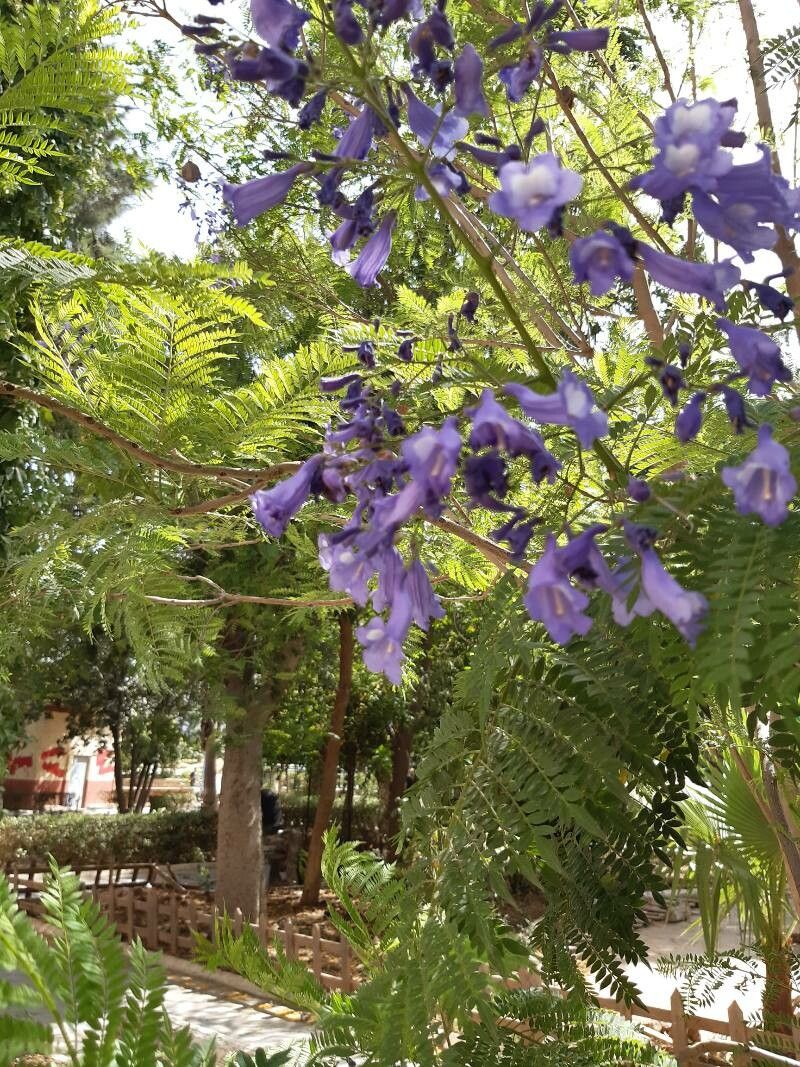
The purple fern tree is highly resistant to diseases and is generally unlikely to suffer from them. As for upkeep, this species is fairly low-maintenance. When grown outdoors it needs little water, and larger specimens typically do not require pruning. Smaller plants, however, should be trimmed after they finish blooming. The purple fern tree is well suited for anyone with outdoor space—such as a garden or a deck—and does not demand extensive gardening experience.
How to keep Jacaranda Cuspidifolia.
Light
The purple fern tree does best with plentiful sunlight, originating from a habitat of steady, clear skies. Neither a shortage nor an overabundance of sun noticeably affects this species. Every growth phase, regardless of its stage, requires that abundant sun exposure for healthy development.
Water
The purple fern tree thrives in conditions similar to its natural subtropical habitat, preferring moderate moisture. It's best to water it every two weeks, allowing the soil to dry out slightly between waterings. While it's often grown outdoors for its impressive size and beauty, it greatly benefits from seasonal rains during its active growth period in warmer climates.
Temperature
Purple fern tree originates from regions with moderate climates, where temperatures range from 68 to 100.4 °F (20 to 38 ℃). It favors warmer temperate conditions for optimal growth. In colder or hotter seasons, adjustments to the surrounding temperature may be necessary.
Fertilizer
The ideal time to fertilize a Purple fern tree is in early spring, as it breaks dormancy. This supports overall growth and flower formation. Fertilizing improves the foliage, stems, and branches, and encourages flowers that are larger, more vivid, and longer lasting. It assists in moving nutrients from the roots to the flowers and bolsters the plant’s health and resistance to disease.
Pruning
The Purple Fern Tree is known for its stunning purple blooms and fern-like foliage. To keep it healthy and beautiful, regular pruning is essential. The best time to prune is in early spring. During this time, concentrate on removing dead branches and thinning out crowded areas to improve airflow. This practice not only enhances flowering but also helps maintain the plant's natural shape, promoting its overall health.
Botanical profile.
- Plant Type
- Tree
- Life Cycle
- Perennial
- Genus
- Jacaranda
- Family
- Bignoniaceae
- Hardiness Zone
- 9-11
- Mature Height
- 4.57 m to 10.67 m
- Mature Spread
- 6.1 m to 10.36 m
- Leaf Color
- Green, Blue
- Leaf Type
- Deciduous
- Flower Color
- Lavender
- Flower Size
- 2.54 cm to 5.08 cm
- Bloom Time
- Mid spring, Late spring, Early summer
- Planting Time
- Spring, Summer, Autumn
- Harvest Time
- Mid summer, Late summer, Early fall
- Native Area
- Bolivia
Other names.
Reader questions.
How should I water my Purple fern tree in the best way?
To promote healthy root development for your plants, consider using a garden hose. However, avoid spraying the leaves directly and keep in mind that outdoor plants in direct sunlight will need more water. Another option is to use bubblers or soaker hoses to keep the roots moist. When adding or removing plants, use soaker hoses that cover the entire garden or bed to ensure deep root growth. Make sure to drain excess water and wait for the soil to dry before watering again. Watering at ground level will help prevent diseases. If it's a sunny day, you may choose to spray the entire bush with water. Whether your plants are in pots or in the ground, it's best to give them a deep watering rather than a light sprinkling.
Why is it necessary to add fertilizer to my Purple fern tree?
Ensuring the overall health and well-being of your Purple fern tree relies on fertilization. By supplying the proper energy and nutrients, you can encourage the growth of lush foliage, sturdy stems, and branches. Gardeners often value the flowers of this tree, and fertilization plays a crucial role in producing large, vibrant, and long-lasting blooms. This is because the right fertilizer facilitates the transfer of fuel from the roots to the flowers through the stems. Additionally, proper fertilization maintains the tree's overall health, making it more resilient against diseases.
How much sunlight does a Purple fern tree need to grow?
Tropical ornamental plants that thrive in full sun require at least 6 hours of direct sunlight each day. These plants are well-suited to areas with strong and direct sunlight, as they need this light to flourish. In their natural habitats, they tend to grow in open fields or along forest edges, where they can enjoy abundant sunlight all day long.
What temperature is best for a Purple fern tree?
To help your tropical plants thrive, it's best to maintain a temperature range of 75℉ to 90℉ (25-32℃). While different species can tolerate temperatures outside this range, sticking within a few degrees of these limits will ensure optimal growth. However, there are extreme temperature limits to be aware of. Anything below 50℉ (10℃) or above 95℉ (35℃) can hinder growth and cause issues with the leaves and stems. Low temperatures are particularly damaging, as even a light frost can lead to the death of your tropical plants. In fact, cellular death can occur rapidly, with some species dying within 12 to 24 hours.
What should I do if I give my Purple fern tree too much or too little water?
An overwatered Purple fern tree may exhibit several signs of distress. These include yellowing leaves that eventually fall off, drooping and wilting, and a generally unhealthy appearance. Mushy stems may also be present. When these signs begin to show, it is recommended to adjust your watering schedule accordingly. In some cases, wilting can also indicate under watering, which may cause leaves to become crispy and dry. Overwatered leaves, on the other hand, tend to be soft and wilted. If the soil is dry and simply watering is not sufficient, a thorough watering is necessary. While this will help the Purple fern tree recover, it may still appear dry with yellow leaves for a few days due to damage to the root system. Eventually, the yellowing will stop once the plant returns to normal. When growing a Purple fern tree indoors, it is important to regularly check the moisture levels in the pot. Avoid overwatering and be on the lookout for black spots, in which case you should allow the soil to dry out by refraining from watering for a few days. Overwatering can lead to root rot, which can be identified by discolored and slimy roots. To prevent root rot, it is crucial to avoid excessively soggy soil. When planting a Purple fern tree outdoors, make sure to dig a little deeper. If the soil feels too dry when checking with your fingers, it may indicate underwatering. Adequate watering is necessary to support the plant's recovery.
When should I fertilize my Purple fern tree?
To ensure the optimal growth and flower development of your Purple fern tree, fertilization is recommended during early spring as it transitions out of its dormant phase and begins to bud. This initial feeding provides the tree with ample energy for overall nourishment. However, it is also beneficial to give the tree a second feeding in the fall, although a smaller amount is sufficient. Additionally, while some gardeners choose to fertilize the Purple fern tree during planting, it is not always necessary.
What will happen if the Purple fern tree doesn't get enough sunlight?
Tropical ornamental plants that need full sun may face issues if they don't receive enough sunlight. They might become leggy and weak, and their leaves could turn yellow or pale. Furthermore, they may stop producing flowers. Ultimately, if these plants continue to lack the required amount of direct sunlight, there is a possibility that they may die.
Does the Purple fern tree need different temperatures at different stages of growth?
The Purple fern tree goes through different growing phases, but it doesn't need temperature changes to transition. However, it's important to avoid wild temperature fluctuations as they can slow down its growth at any phase. To prevent this, it's best to keep the tree in a controlled environment. Maintaining a consistent temperature within the optimal range of 75℉ to 90℉ (25-32℃) is crucial, with an emphasis on staying above the lower limit. While exceeding 90℉ (32℃) is not ideal, the tree can tolerate it to some extent due to its tropical nature. On the other hand, exposing the tree to temperatures below 50℉ (10℃), especially 40℉/5℃, will directly harm this heat-loving plant.
How often should I give water to my Purple fern tree?
The Purple fern tree prefers deep and infrequent watering, especially when planted in pots. It's best to soak them in a gallon of water each time, as the soil in pots dries out faster. In cold regions, watering is required every 3 to 5 days. Water the plant early in the morning when the soil is dry, whether it's indoors or outdoors. You can check if watering is needed by examining the soil. When the top 2-3 inches of soil are dry, it's time for a full watering. On hot days, check the moisture daily as the heat can quickly dry out the soil in the pot. If you have a garden, irrigation of the soil is also necessary. In a hot climate, watering once a week is sufficient. Only water when you notice approximately 2 to 3 inches of soil becoming too dry, both indoors and outdoors. Take the amount of rainfall into consideration and avoid adding more water to prevent root rot. If there is ample rainfall, additional watering may not be necessary. Purple fern trees mainly grow in spring and fall. Outdoors, adding 3 to 4 inches of mulch helps retain water. Sandy soil requires more frequent watering due to its faster drainage, while clay soil needs less frequent watering to avoid root rot. It's a good idea to mark the dates on a calendar each time you water and keep an eye out for drooping leaves, which may indicate that watering is overdue.
When is the best time to not fertilize my Purple fern tree?
During the winter, Purple fern trees do not require fertilizer as they are in a dormant phase and do not need much energy from the soil for growth. Fertilizing during this time can lead to negative effects from overfertilization. The ideal times to fertilize a Purple fern tree are in early spring and in the fall, meaning that for most of the spring and summer, fertilizer is unnecessary. It is also advisable to refrain from fertilizing if the plant is exposed to excessively hot or dry conditions.
What will happen if the Purple fern tree gets too much sunlight?
Tropical ornamental plants that thrive in full sun require ample direct sunlight, but excessive exposure to intense sunlight can harm them. Prolonged periods of direct sunlight can cause sunburned leaves or the development of unsightly brown spots. Additionally, if the soil dries out too rapidly in full sun, these plants may become dehydrated.
Does the Purple fern tree need different temperatures during different seasons?
The purple fern tree does not require different temperatures for different growing seasons. To properly care for this plant throughout the seasons, it is important to maintain the environment within the optimal temperature range. To achieve this, it is recommended to keep the plant indoors. By doing so, you will have control over the temperature regardless of the climate conditions outside. In terms of light, tropical species like the purple fern tree prefer partial side-level sun exposure. This means that any light they receive should be dappled or filtered. Bright but indirect light is the best option for indoor growth. Excessive direct sunlight can harm the plant's leaves and hinder its growth potential.