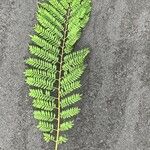
Jacaranda mimosifolia
جاکاراندا · Jacaranda · Fern-tree · Black Poui · Green ebony
Description
Source: leafsnapJacaranda mimosifolia, commonly known as the Jacaranda tree, is a stunning ornamental tree native to South America. It is widely cultivated for its beautiful lavender-blue flowers that bloom in the spring and summer. The tree has a spreading canopy with delicate, fern-like foliage that provides shade and adds to its visual appeal. Jacaranda trees can grow up to 50 feet tall with a trunk diameter of up to 6 feet. They prefer full sun exposure and well-drained soil but can tolerate some shade and moderate drought conditions once established. In addition to its beauty, the Jacaranda tree offers practical uses such as providing timber for furniture making or fuelwood. Some parts of the plant are also believed to have medicinal properties. Overall, Jacaranda mimosifolia is an impressive ornamental plant that enhances the beauty and value of any landscape where it grows.
🌳 Besides its decorative appeal, the blue jacaranda has a distinctive link to academic tradition in countries like South Africa and Australia. Students hold that if a blue jacaranda flower drops onto their head during exam season, it will bring them good luck in their exams. This highlights the cultural influence of the blue jacaranda beyond its ecological role, tying the plant to academic superstition and local student folklore.
🎭 Wisdom, renewal, prosperity and good fortune
Care Guide
💧 Water Every 7 days
The blue jacaranda flourishes in subtropical climates where there is moderate humidity and balanced moisture levels. To maintain optimal growing conditions, water the tree every 1-2 weeks, ensuring the soil stays evenly moist but not waterlogged. As a deciduous tree, its leaf shedding is influenced by water availability. This adaptation promotes efficient water use and supports a dense canopy during the growing season.
How should I water my Blue jacaranda tree?
To ensure excellent root development, place a garden hose at the base of your plant. Avoid spraying the leaves directly and keep in mind that outdoor plants in direct sunlight will need more watering for their leaves. To moisten the roots, you can use bubblers for each plant or use soaker hoses that cover the entire garden or bed. When adding or removing plants, make sure to push the roots deeply. After watering, drain any excess water and wait for the soil to dry before watering again. Watering at ground level is recommended to prevent diseases. On a sunny day, it might be beneficial to spray the entire bush with water. Whether your plant is potted or in the ground, remember that Blue jacaranda prefers deep watering rather than light sprinkling.
What should I do if I give the Blue jacaranda tree too much or too little water?
An overwatered Blue jacaranda may exhibit yellowing, drooping, and wilting leaves, as well as a dull and unhealthy appearance with mushy stems. To address these signs, it is recommended to adjust your watering schedule accordingly. Wilting can also indicate under watering, with leaves becoming dry and crispy instead of soft and wilted. If the soil is dry and regular watering is insufficient, give the plant a thorough watering. While enough water will help the Blue jacaranda recover, it may still appear dry with yellow leaves due to damage to the root system. Once it returns to normal, the yellowing of leaves will cease. When cultivating the Blue jacaranda indoors, always check the moisture levels in the pot and avoid overwatering. Look out for black spots on the leaves, and if present, allow the soil to dry out by refraining from watering for a few days. Overwatering can lead to root rot, so if you observe discolored and slimy roots, consider repotting the plant. It is crucial to prevent root rot by avoiding excessively soggy soil. When planting the Blue jacaranda outdoors, dig deeper and if the soil feels excessively dry, it indicates underwatering. Providing sufficient watering is essential to aid the plant's recovery.
How frequently should I water my Blue jacaranda?
The Blue jacaranda thrives on deep and infrequent watering. To ensure optimal moisture levels, soak the plant with a gallon of water, especially if it is in a pot. Potted plants have limited water storage capacity, causing the soil to dry out faster. In cold regions, water every 3 to 5 days, preferably in the morning when the soil is dry. Check the soil's moisture level by examining the top 2-3 inches. If dry, provide a thorough watering. In hot weather, monitor the soil daily as heat can quickly deplete its moisture. If you have a garden, irrigation is necessary. In hot climates, water once a week, ensuring the soil is not excessively dry. Avoid overwatering if there is enough rainfall. During spring and fall, when the Blue jacaranda is growing, add 3-4 inches of mulch to conserve moisture when it is outdoors. Sandy soil requires more frequent watering, while clay soil necessitates less frequent watering to prevent root rot. Keep track of watering dates on a calendar and be vigilant for drooping leaves, which indicate the need for timely watering.
How much water does my Blue jacaranda need?
The Blue jacaranda typically needs about a gallon of water on a regular schedule. For potted plants, water them deeply until water drips out of the bottom of the pot, and then wait for the soil to dry before watering again. Use a water calculator or moisture meter to track how much water you give the plant each week. During the flowering period, provide plenty of water but allow the moisture to evaporate to prevent root rot. If the Blue jacaranda is planted outdoors with sufficient rainfall, it may not need extra watering. When the Blue jacaranda is young or newly planted, make sure it receives 1-2 inches of rain per week. As it grows, it can rely on rainfall alone. Only water it fully during the cooler parts of the day if the weather is very hot or if there has been no rainfall for 2-3 weeks, to prevent heat damage. Additional watering will be needed during prolonged dry spells.
Do I need to change how often I water my Blue jacaranda tree based on the seasons or weather conditions?
The Blue jacaranda prefers to be outdoors and relies on rainwater for hydration. However, in dry weather, it may need to be watered. During spring and fall, the soil should be kept moist but not soggy, and alternating between dry and moist soil will promote growth. In the summer, hot weather causes water to evaporate quickly, so additional watering may be necessary if there is a lack of rainfall. Generally, less water is needed in the winter when the plant is dormant. A well-draining soil mixture like terracotta can help with water evaporation during this time. Once the plant begins to leaf out and go dormant, watering can be skipped, relying on fall and winter rains for survival. Cultivation and encouragement of growth and blooming can be done in the spring when temperatures rise. Good drainage is important year-round, especially in winter, to prevent ponding and drought. When in a pot, the Blue jacaranda's root growth is limited, so they should be well-watered, especially during summer. Shallow sprinkles of water should be avoided as they encourage fungi growth and do not reach the roots effectively. The plants should not be allowed to dry out completely during fall or winter, even in dormancy. However, overwatering should also be avoided as the plants do not like sitting in water for long periods, which can lead to death in winter. Mulching is recommended to reduce stress, conserve water, and promote healthy blooms.
☀️ Light Full sun
Blue jacaranda strongly prefers ample sunlight, which is essential for healthy development. Although it can tolerate moderate sun, abundant light is especially important during the early stages of growth. Excessive light can cause leaf scorch, while insufficient light can impede growth and flowering.
What are the sun requirements for Blue Jacaranda?
Blue Jacaranda thrives best with exhaustive exposure to sunlight, essential for its healthy growth. It requires full sun, meaning above 6 hours of sunlight, for optimal development, but can also grow under partial sun, about 3-6 hours of sunlight. It's important to observe how sunlight moves through your garden to find spots that offer a balance of light and shade, ensuring the plant's well-being. Insufficient sunlight can lead to growth and flowering issues, whereas excessive sunlight might cause leaf scorch.
How does artificial lighting benefit indoor Blue Jacaranda plants?
Indoor Blue Jacaranda plants require adequate lighting for optimal growth, especially when natural sunlight is insufficient, like in winter or in less sunny spaces. Artificial lights, such as LED lights which can be customized to provide specific wavelengths, offer a vital solution. For full sun plants, 30-50W/sq ft is recommended; partial sun plants need 20-30W/sq ft, and full shade plants require 10-20W/sq ft. Position the light source 12-36 inches above the plant to mimic natural sunlight effectively, ensuring plants get 8-12 hours of light per day.
What are common symptoms of light deficiency in Blue Jacaranda?
Common symptoms of light deficiency in Blue Jacaranda include smaller new leaves, leggy or sparse growth, faster leaf drop, slower or no new growth, lighter-colored new leaves, and symptoms of excessive sunlight such as chlorosis, sunscald, leaf curling, wilting, and leaf scorching. These symptoms indicate issues like inadequate light affecting chlorophyll and nutrient levels, or overexposure to sunlight leading to damage and dehydration.
What solutions can improve light conditions for Blue Jacaranda?
To improve light conditions for Blue Jacaranda, indoor plants can be gradually moved to sunnier locations to achieve at least 6 hours of direct sunlight, using south-facing windows and keeping curtains open. Artificial lighting, such as desk lamps or professional grow lights, can supplement light for at least 8 hours a day. Outdoors, plants should be moved to optimal sunlight spots gradually to avoid sunburn. Minimizing obstructions, like pruning trees, or transplanting smaller plants during their dormant period to sunnier locations with good drainage, can significantly benefit growth. Note that parts affected by poor light may not recover, but new growth will be healthy after adjusting light exposure.
🌡️ Temperature 20–37.8°C
The blue jacaranda originates from warm temperate areas and needs a suitable temperature range of 68 to 100 °F (20 to 38 °C) for optimal growth. The plant tolerates moderate temperature fluctuations, but extreme heat or cold can be harmful. In summer, it is important to provide sufficient shade and water. In cooler months, protecting it from frost or freezing temperatures is advised.
What are the essential care requirements for blue jacaranda?
The blue jacaranda (Jacaranda mimosifolia) thrives in warm temperate regions with optimal temperatures ranging from 68 to 100°F (20 to 38°C). It can manage moderate temperature fluctuations but suffers in extreme heat or cold. Summer care should include providing shade and sufficient water, while in colder months, protection from frost and freezing temperatures is crucial. It prefers heat and can be damaged by cold. During autumn, it's advisable to move outdoor plants indoors, positioning them near a bright window but away from heaters. Keeping the temperature above 20°C in winter promotes healthy growth, and temperatures near 5°C or below are harmful.
How does low temperature affect blue jacaranda and what are the solutions?
Blue jacaranda is sensitive to cold and thrives best in temperatures over 20°C. During winter, it's important to keep it above 5°C. Exposure to temperatures below 1°C may cause the leaves to lighten in color, and following frost damage, leaves can turn brown or black, exhibiting wilting and drooping. The solution involves trimming the frost-damaged parts and moving the plant to a warmer indoor environment. It's best placed near a south-facing window for ample sunlight while avoiding placing the plant near heaters or air conditioning vents to prevent air dryness.
What should be done when blue jacaranda is exposed to high temperatures?
In times of high heat, specifically above 38°C, the blue jacaranda requires special care. Exposure to temperatures surpassing 43°C can lighten the leaf color and increase susceptibility to sunburn. To mitigate this, trim away sunburned and dried parts of the plant and move it to a location where it can be shaded during the intense midday and afternoon sun. Watering the plant in the morning and evening helps maintain soil moisture, preventing overheating and further damage.
💨 Humidity normal (40-60%)
This plant will thrive in moderate humidity, which is probably the level in your home. However, misting it a few times a week can be very beneficial. Make sure the room has good ventilation.
🪴 Soil 6-7
🌱 Fertilizer
Early spring, when the Blue jacaranda comes out of dormancy, is the best time to fertilize. This supports overall growth and the development of flowers. Fertilization improves the foliage, stems, and branches, while encouraging flowers that are large, vibrant, and long-lasting. It also helps transfer nutrients from the roots to the flowers and enhances the plant’s health and resistance to disease.
Why is it necessary for me to add fertilizer to my Blue Jacaranda?
Fertilization plays a crucial role in ensuring the overall health and well-being of a Blue jacaranda. By providing the necessary energy and nutrients, this plant will develop lush foliage along with strong stems and branches. One of the most sought-after features of a Blue jacaranda is its flowers, which can greatly benefit from fertilization. With the help of the right fertilizer, these flowers will become larger, more vibrant, and longer-lasting. This is because the proper fertilization enables the smooth transfer of fuel from the plant's roots to its stems and ultimately to the flowers. Additionally, adequate fertilization helps maintain the plant's overall health, making it more resistant to diseases.
When should I fertilize my Blue jacaranda tree?
The best time to fertilize a Blue jacaranda is in early spring, when it is exiting its dormant phase and preparing to bloom. Feeding during this time provides the plant with energy for growth and flower development. However, it is also beneficial to fertilize the plant once again in the fall, although this feeding does not have to be as large. Some gardeners choose to fertilize the Blue jacaranda during planting, but it is not always necessary.
When is the best time to not use fertilizer on my Blue jacaranda?
During the winter, Blue jacaranda plants are in a dormant phase and do not require fertilization, similar to many other plants. Because they do not need to gain much energy from the soil for new growth, fertilizing them during this time is more likely to result in negative consequences from overfertilization. The optimal times to feed a Blue jacaranda are early spring and fall, so for most of the spring and summer, fertilizer is not necessary. It is also advisable to refrain from feeding the plant if it is experiencing extremely hot or dry conditions.
What kind of fertilizer does my Blue jacaranda tree need?
To optimize the growth of Blue jacaranda plants, it is generally recommended to use a specific type of fertilizer. Unlike general-purpose fertilizers with equal amounts of nitrogen, phosphorus, and potassium, Blue jacaranda plants require higher levels of nitrogen and phosphorus. A fertilizer with an N-P-K ratio of 10-10-8, or similar, is suitable for this purpose. Additionally, including organic materials like compost for one annual feeding can also be advantageous. When it comes to application method, granular fertilizer is the most commonly used for Blue jacaranda plants.
How should I feed my Blue jacaranda?
Applying fertilizer for your Blue jacaranda is simple and can be done by any gardener, even those with minimal experience. To feed your plant, sprinkle granular fertilizer onto the soil after moistening it with water. You can also improve the soil by adding organic materials like compost or manure. Simply place the material on top of the soil and gently work it into the top few inches using a hand rake, being careful not to disturb the roots.
🪴 Pot & Repot 2-3 years
When repotting Blue jacaranda, pick a pot 1–2 inches (2.5–5.1 cm) larger with good drainage. Use a well-draining potting mix. Repot in spring or fall, making sure the root ball sits slightly lower than the rim of the flower pot. Water thoroughly after repotting and place in a warm spot with indirect sunlight.
✂️ Pruning
The Blue Jacaranda is an ornamental tree known for its vibrant purple-blue flowers. To ensure its health and beauty, it's beneficial to prune the tree in early spring. This helps improve air circulation and shape the tree. Focus on trimming dead or crossing branches to encourage strong growth and extend the flowering season. Be sure to follow reputable horticultural guidelines for the best results in terms of health and aesthetics.
🌿 Propagating
🐛 Diseases & pets
☠️ Toxicity
All parts of the tree are poisonous, causing vomiting, diarrhoea, irregular heart beat, dilated pupils, coma and death.
Characteristics
- Plant Type
- Tree
- Life Cycle
- Perennial
- Genus
- Jacaranda
- Family
- Bignoniaceae
- Hardiness Zone
- 10-11
- Mature Height
- 4.88 m to 20.12 m
- Mature Spread
- 4.57 m to 9.14 m
- Leaf Color
- Green
- Leaf Type
- Deciduous
- Flower Color
- Lavender
- Flower Size
- 17.78 cm
- Bloom Time
- Late summer, Early fall
- Planting Time
- Spring, Autumn
- Harvest Time
- Mid fall, Late fall, Winter
- Native Area
- Uruguay, Paraguay, Italy, Argentina, Bolivia, Brazil