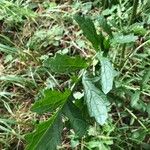
Jacobaea aquatica
Marsh Ragwort · Water ragwort
Description
Source: leafsnapJacobaea aquatica or Senecio aquaticus, the water ragwort or marsh ragwort, is a plant of the family Asteraceae. It is a perennial or biennial plant: young plants form a rosette near the ground, eventually producing a taller flowering shoot with many bright yellow flower heads, each with prominent ray florets. It grows in damp, grazed grassland, especially where there has been some disturbance.
Care Guide
💧 Water
Marsh ragwort flourishes in wetlands, as it requires consistent moisture and can tolerate short periods of flooding. To mimic its natural environment, it needs to be watered weekly and is best grown outdoors. Being an herbaceous perennial, it thrives on natural rainwater, making it ideal for regions with regular rainfall.
How should I water my Marsh ragwort for the best results?
To properly water the Marsh ragwort, it is recommended to use filtered water at room temperature. Tap water may contain harmful particles that can negatively affect the plant's health. The water should be slightly warmed because the Marsh ragwort thrives in warm environments and cold water may shock it. Moreover, it is best to avoid overhead watering as it may lead to problems with the foliage. Instead, gently apply the filtered room temperature water directly to the soil until it is completely saturated. This helps moisturize the roots and facilitate their growth and nutrient absorption.
What do I need to do if I give my Marsh ragwort too much or too little water?
Overwatering is a common issue that can harm Marsh ragwort plants. If they receive too much water, their stems and leaves can wilt and turn yellow. Prolonged overwatering can also lead to diseases like root rot, mold, and mildew, which can be fatal for the plant. Underwatering is less common, but still possible. When underwatering occurs, the leaves of the plant become brittle and brown. It's important to notice signs of overwatering early, as some of the resulting diseases may be irreversible if not addressed promptly. If you observe these signs, reduce your watering schedule and check the soil's drainage. Replace poorly draining soil with a loose, well-draining potting mix. Conversely, if you notice signs of underwatering, water the plant more regularly until the signs subside.
How frequently should I water my Marsh ragwort plant?
For plants in pots, the best way to check if your Marsh ragwort needs water is to stick your finger into the soil. If the top two to three inches are dry, it's time to water. The same method applies for outdoor plants growing in the ground. Typically, watering about once a week is sufficient during spring and early fall. However, during hot weather, you may need to increase watering to twice or more per week. It's important to note that mature Marsh ragwort plants have a good tolerance for drought.
How much water does my Marsh ragwort plant need?
To properly water your Marsh ragwort, don't hold back on the amount of water you give. Make sure to water thoroughly when the top two to three inches of soil is dry. The goal is to completely soak the soil, allowing excess water to drain through the bottom of the pot. If you don't see any excess water draining, you may not have given enough water. However, be careful not to let water accumulate in the soil, as this can harm the plant. On the other hand, if water is not draining properly, it could mean the soil doesn't have good drainage, which is bad for the plant's health. If the plant is outside, receiving about 1 inch of rain per week should be enough.
How should I water my Marsh ragwort at different times it is growing?
The water requirements of the Marsh ragwort can vary depending on its growth stages. When the Marsh ragwort is in its early years or if it has recently been transplanted to a new location, it will require more water than usual. During these stages, the Marsh ragwort prioritizes the development of new roots to support future growth, and these roots perform best with slightly more moisture. However, as the plant matures over a few seasons, it will require less water. Another growth stage that may require increased watering is the bloom period, as flower development utilizes a significant amount of moisture. Therefore, it may be necessary to provide the Marsh ragwort with additional water during this time.
☀️ Light Full sun
Marsh ragwort originates in bright, open habitats where it thrives in full sun. It can tolerate partial sun but favors direct sunlight for optimal growth. This plant, which can be annual or biennial, is noted for its sun-loving nature.
What are the sunlight requirements for Marsh ragwort?
Marsh ragwort requires full sun to thrive, meaning it needs more than 6 hours of direct sunlight daily. It can tolerate partial sun, which is about 3-6 hours of sunlight, but it grows best in full sun. Observing how sunlight moves through your garden helps in choosing spots that provide a perfect balance of light and shade, ensuring the plants' happiness.
What are the essentials for growing Marsh ragwort?
Marsh ragwort originates from bright, open environments and thrives in full sun. While it can tolerate partial sun, it prefers direct sunlight for optimal growth. This plant is known for its sun-loving nature. For indoor plants requiring artificial lighting, it's essential to ensure they receive adequate lighting for optimal growth, especially in conditions where natural sunlight is insufficient. LED lights are popular for indoor plant lighting as they can be tailored to provide specific wavelengths needed by the plants. Full sun plants require 30-50W/sq ft of artificial light, partial sun plants need 20-30W/sq ft, and full shade plants need 10-20W/sq ft.
What are the important symptoms of insufficient light on Marsh ragwort?
Marsh ragwort may exhibit symptoms of light deficiency when grown indoors or in inadequate light, including small leaves, leggy or sparse growth, faster leaf drop, slower or no new growth, lighter-colored new leaves, chlorosis (leaves turning yellow due to a breakdown of chlorophyll), sunscald (damage from intense light exposure), leaf curling (to minimize water loss), wilting (loss of turgor pressure causing droopiness), and leaf scorching (brown, dry, and crispy leaf edges due to excessive sunlight).
How can I address lighting issues for Marsh ragwort?
To ensure optimal growth for indoor Marsh ragwort, gradually move plants to sunnier locations each week until they receive at least 6 hours of direct sunlight daily. Using a south-facing window and keeping curtains open during the day helps maximize sunlight exposure. For plants that are large or not easily movable, consider using artificial lights, keeping them on for at least 8 hours daily. Outdoor plants should also be gradually moved to sunnier spots to avoid sunburn. Additionally, observe the environment for obstructions that block sunlight, such as trees, and consider pruning or transplanting smaller plants to sunnier locations.
🌡️ Temperature 0–25°C
Marsh ragwort naturally occurs in habitats with temperatures from 68 to 95 °F (20 to 35 ℃). It does well in these moderately warm conditions. Relocate the plant as seasons change to keep it within this preferred temperature range.
What are the ideal temperature conditions for Marsh Ragwort?
Marsh ragwort thrives in moderately warm conditions, with temperatures ranging between 68 to 95 °F (20 to 35 °C). To ensure the plant remains healthy, it's important to adjust its location seasonally to keep it within this preferred temperature range. Despite being highly cold-tolerant, marsh ragwort does not require extra frost protection measures during winter. It is, however, recommended to water the plant generously before the first freeze in autumn to ensure the soil stays moist and enters a frozen state, helping prevent drought and water scarcity during winter and early spring.
How does Marsh Ragwort respond to low temperatures?
Marsh ragwort exhibits extreme cold tolerance, with the capability to endure winter temperatures down to -35°C. Even though there might not be visible damage during the winter, temperatures dropping below this threshold might lead to a decrease in the plant's ability to sprout or possibly prevent sprouting in spring. To address this, it is advisable to remove any parts of the plant that have failed to sprout in spring.
What should be done if Marsh Ragwort experiences high temperatures?
Marsh ragwort is not tolerant of high temperatures. Growth may cease and the plant becomes more susceptible to rot when temperatures surpass 35°C. In such cases, it's beneficial to trim away any sunburned and dried-up parts of the plant. Moving the plant to a location that is shaded from the midday and afternoon sun or utilizing a shade cloth can protect it. Additionally, watering the plant in the morning and evening helps keep the soil moist, further aiding its health.
💨 Humidity
🪴 Soil 5-7
🌱 Fertilizer
Marsh ragwort are regarded as heavy feeders when it comes to nutrients. They need frequent, small applications of nitrogen and potassium fertilizers and occasional applications of phosphorus, micronutrients, sulfur, and magnesium to sustain good growth and bright color. Continuous fertilization during the growing season is needed to prevent deficiency symptoms and maintain optimal growth.
🪴 Pot & Repot
✂️ Pruning
Marsh ragwort thrives in wetland habitats and is known for its bright yellow flowers. To promote healthy growth and maintain its shape, you should prune marsh ragwort from early to late spring. Regular pruning helps encourage vigorous blooming, controls its spread, and reduces the risk of pests.
🌿 Propagating
🐛 Diseases & pets
☠️ Toxicity
Characteristics
- Plant Type
- Herb
- Life Cycle
- Biennial, Perennial
- Genus
- Jacobaea
- Family
- Asteraceae
- Hardiness Zone
- 3
- Mature Height
- 49 cm
- Mature Spread
- 20 cm to 40 cm
- Leaf Color
- Green, Dark Green
- Leaf Type
- Semi-evergreen
- Flower Color
- Yellow
- Flower Size
- 3.05 cm
- Bloom Time
- Summer
- Planting Time
- Spring, Summer, Autumn
- Harvest Time
- Late summer, Early fall, Mid fall