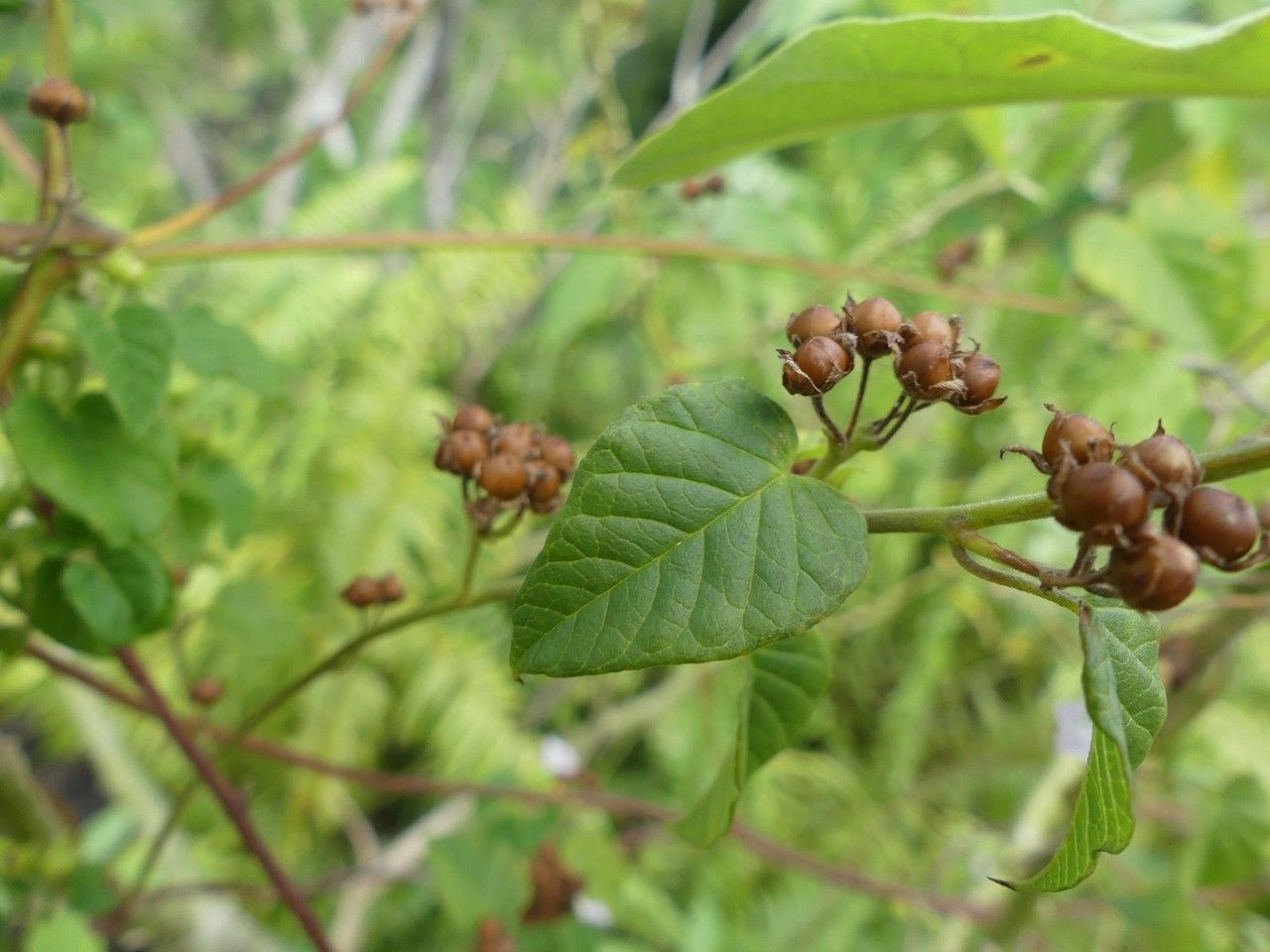
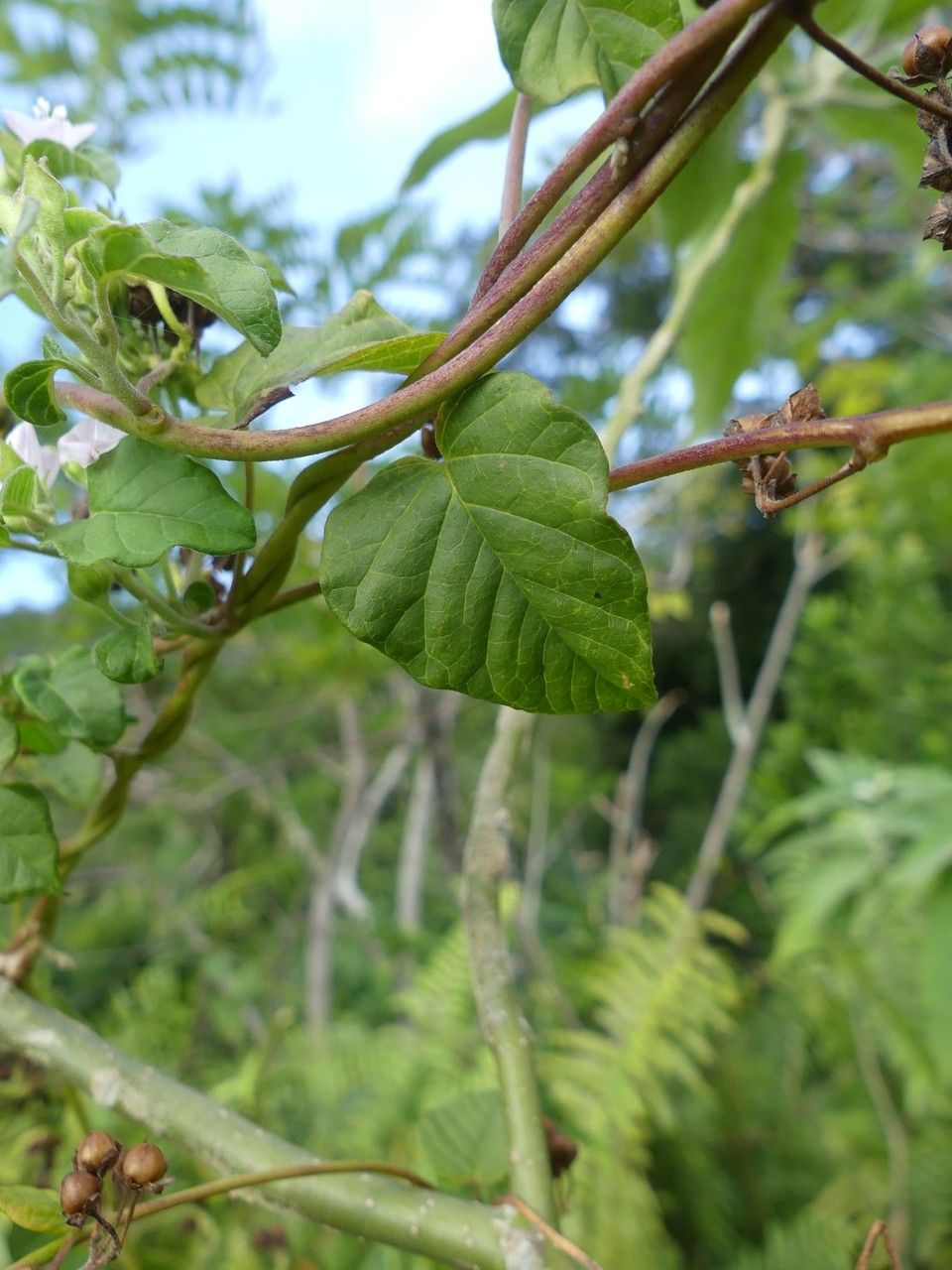
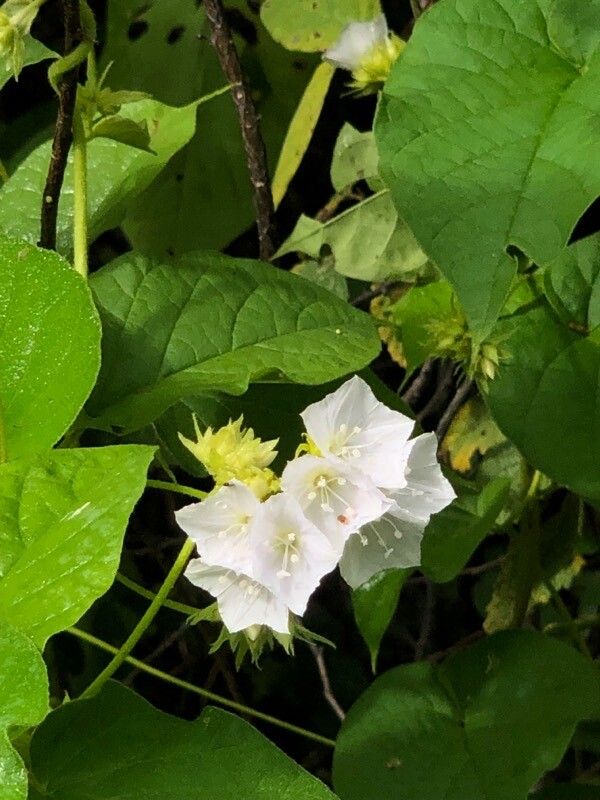
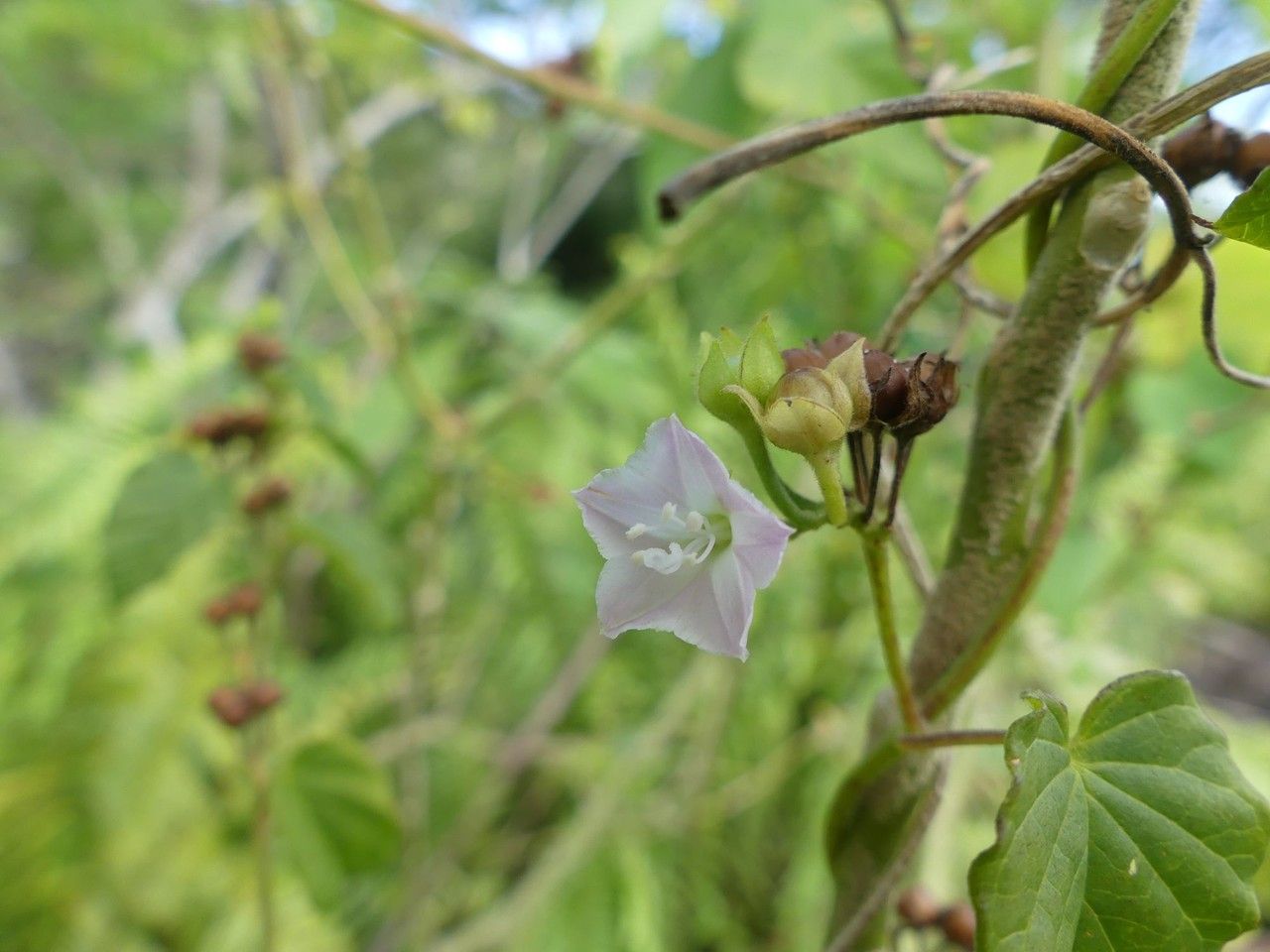
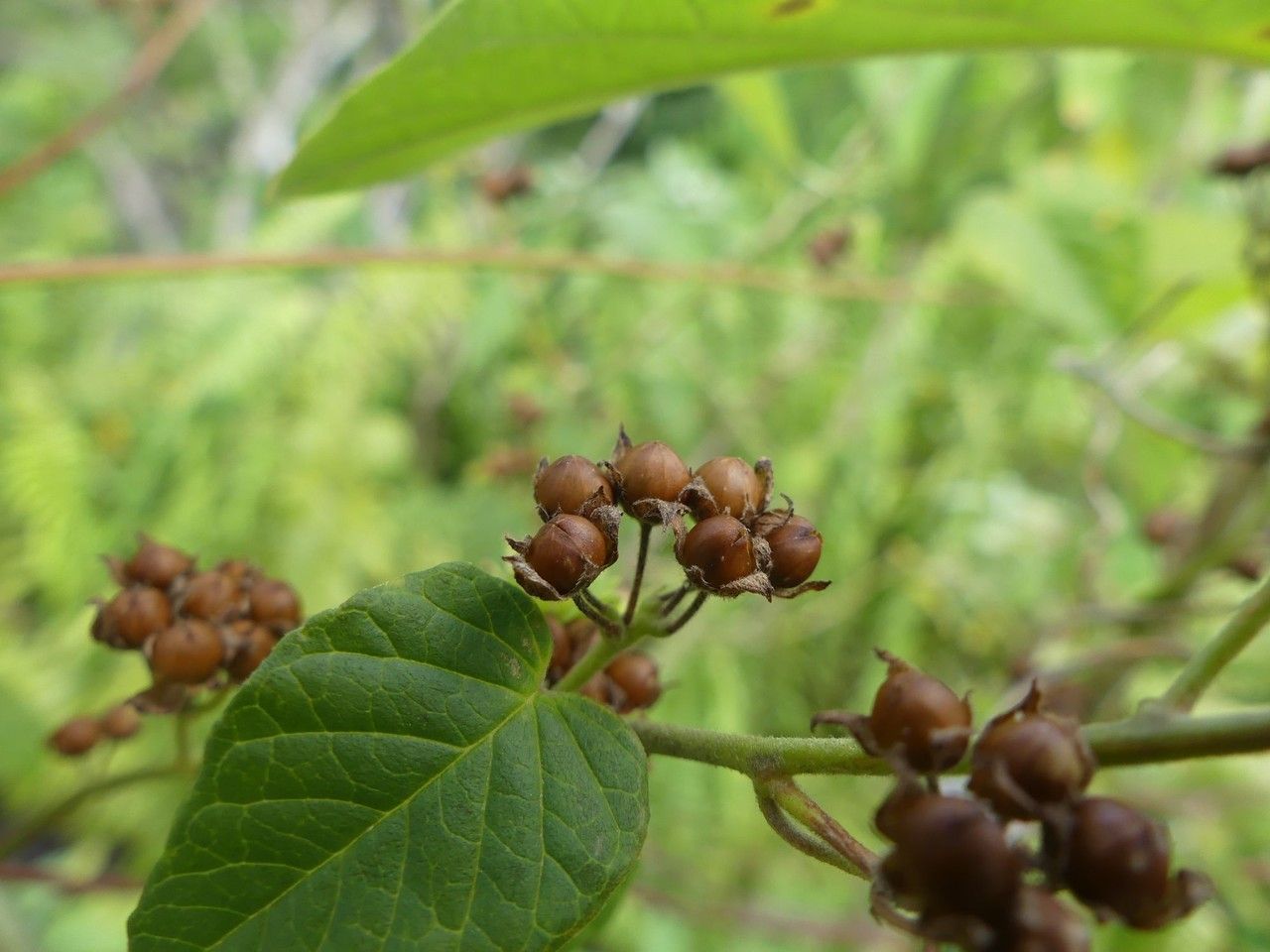
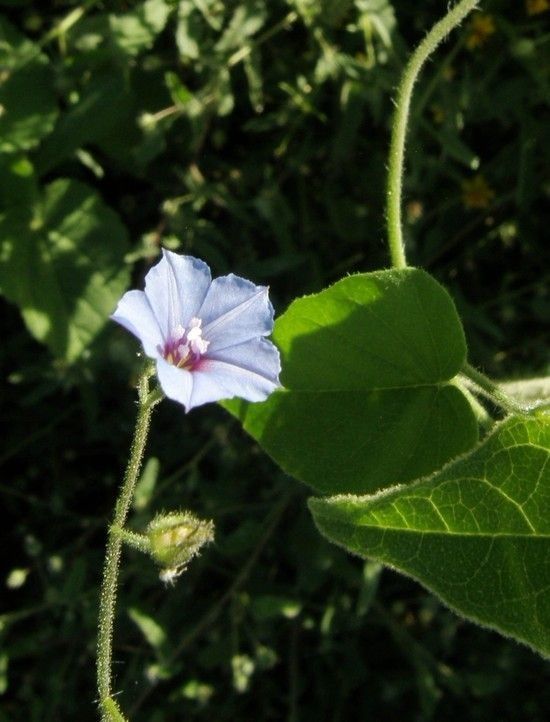
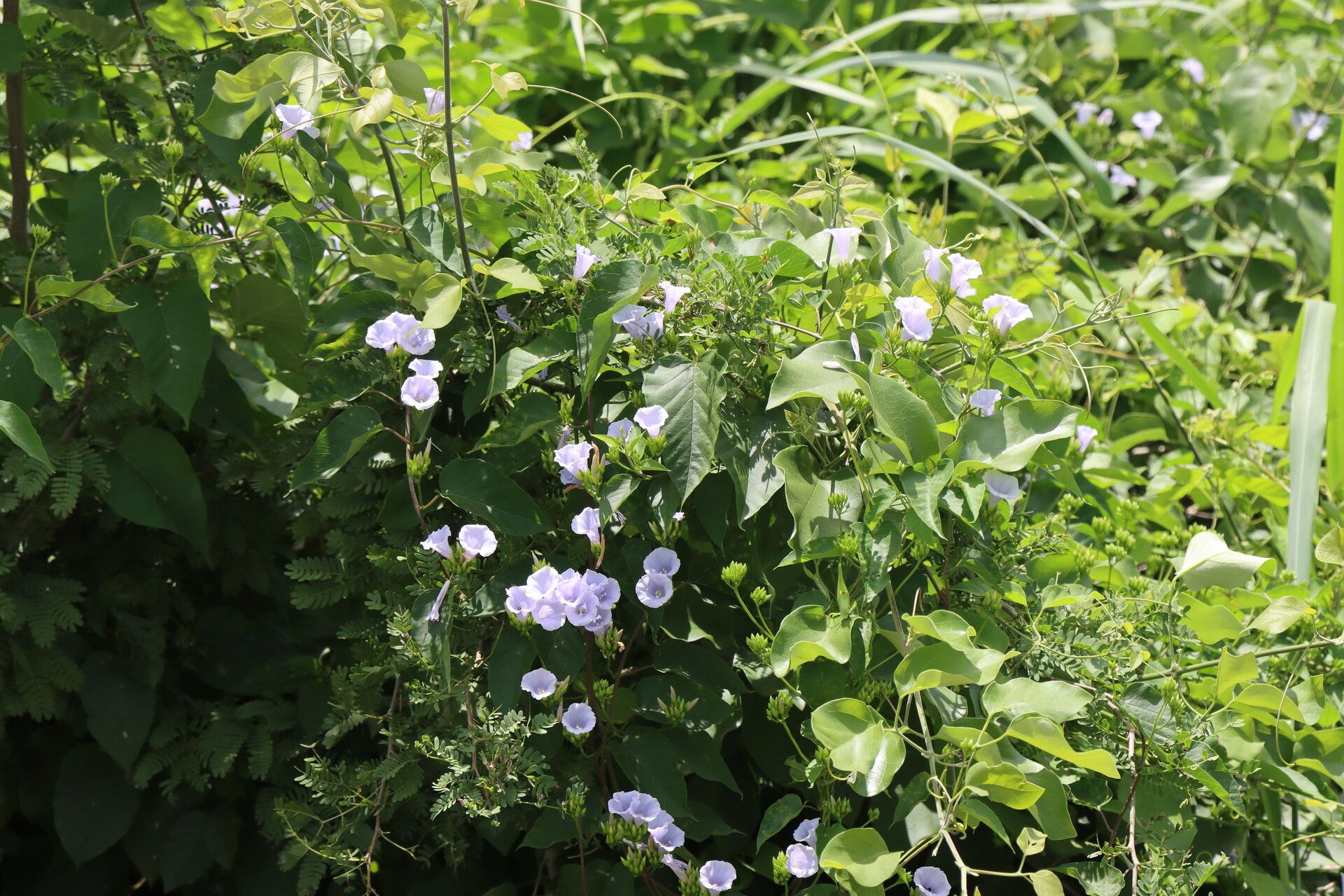
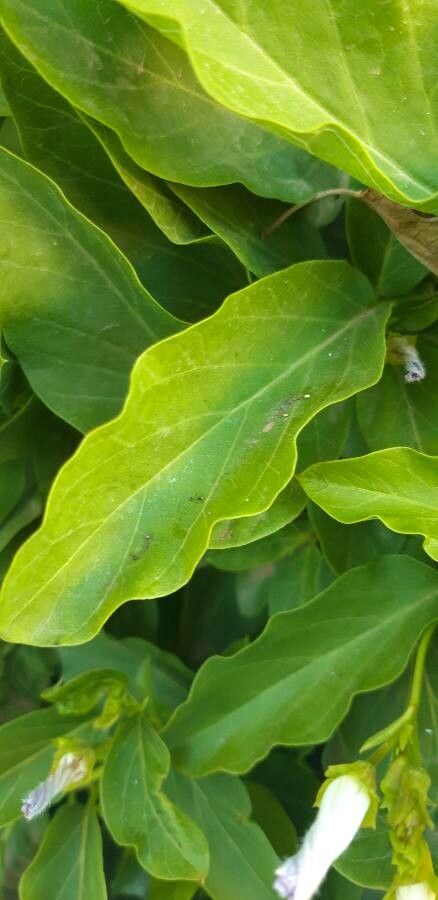
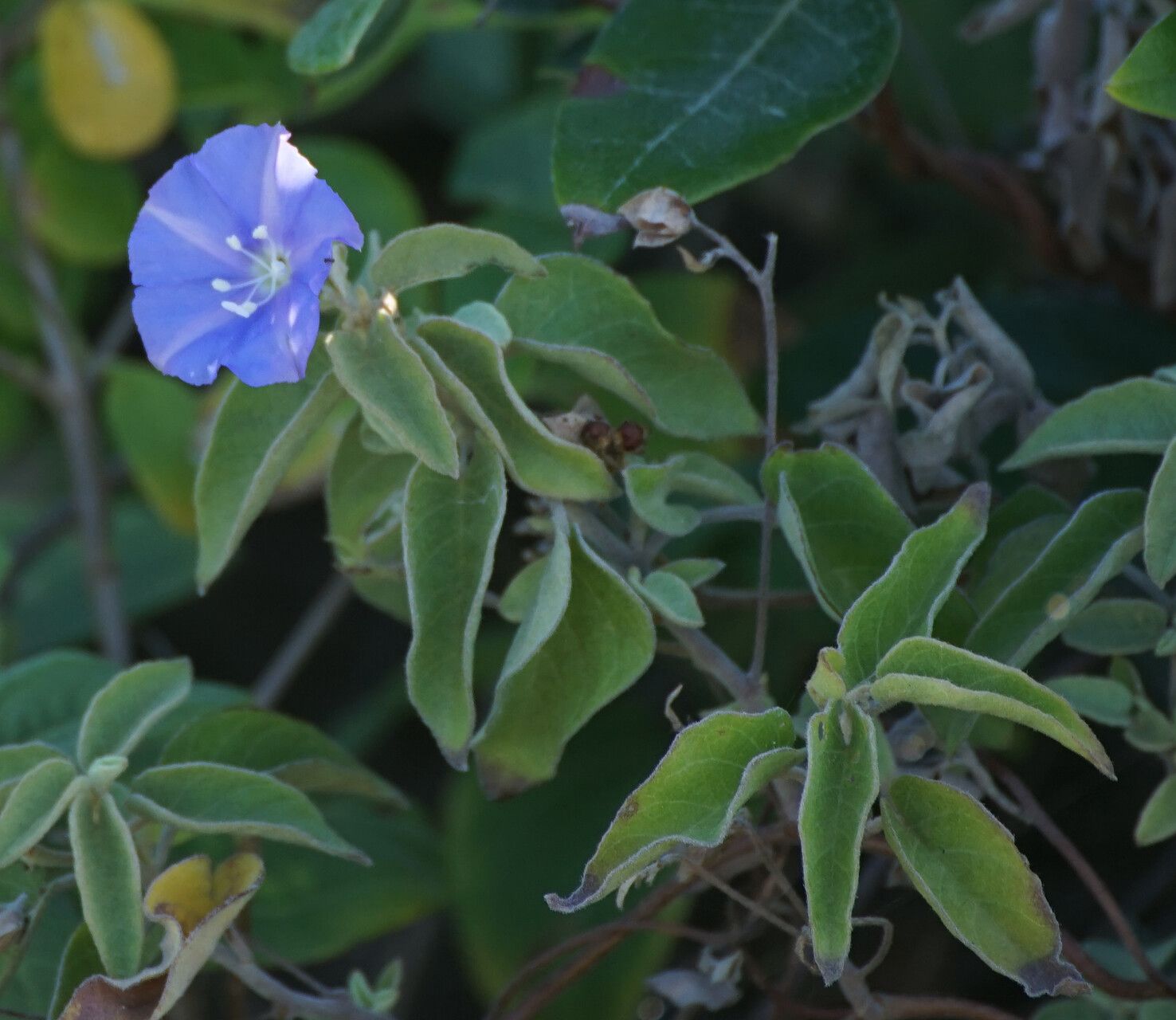
Mauve clustervine is fairly resistant to disease and usually not prone to illnesses. However, it can be affected by pests and diseases present in its environment. These issues are generally mild. For care, this plant requires moderate maintenance. It should be pruned regularly to maintain a neat appearance and support healthy growth. Fertilizing can also help encourage flowering. Mauve clustervine is well suited to anyone with outdoor space, such as a garden or patio, and does not need extensive care experience. It may demand more attention when grown indoors.
How to keep Jacquemontia Paniculata.
Light
Mauve clustervine comes from bright, open habitats and does best in full sun. It can tolerate partial sun but favors direct sunlight for optimal growth. This plant, which may be annual or biennial, is noted for its sun-loving nature.
Water
Mauve clustervine thrives in environments with moderate rainfall, as it is more tolerant of drought than humidity. For optimal health, it requires weekly watering. Being a deciduous plant, it sheds its leaves during dry seasons to conserve water, demonstrating its effective water management capabilities.
Temperature
Mauve clustervine comes from tropical areas where the climate is generally warm and humid. As a result, it is well suited to high temperatures and humidity. It does not tolerate sudden temperature changes and prefers a stable thermal environment, so avoiding temperature fluctuations indoors is important. It usually cannot withstand cold and needs higher temperatures to grow. If the surrounding temperature drops too low, the plant may stop growing or even perish.
Fertilizer
When most of the Mauve clustervine's flowers have fully opened, it's time to resume fertilizing. At the peak flowering period, start feeding again every three to four weeks, as weather allows. Then, once the Mauve clustervine begins to produce fewer new flowers, stop fertilizing; there's no need to feed the plant when it cannot set additional blooms.
Pruning
The Mauve Clustervine is a robust flowering vine known for its mauve-colored blooms. To keep it healthy and visually appealing, prune the vine from early to late spring by removing dead stems and thinning out crowded areas. Make sure to use clean cuts to prevent disease. Avoid heavy pruning during full bloom to preserve the plant's vigor and ensure continued flowering.
Botanical profile.
- Plant Type
- Herb
- Life Cycle
- Annual
- Genus
- Jacquemontia
- Family
- Convolvulaceae
- Hardiness Zone
- 9-11
- Mature Height
- 0.91 m to 3.05 m
- Mature Spread
- 0.91 m to 2.13 m
- Leaf Color
- Green
- Leaf Type
- Semi-evergreen
- Flower Color
- White
- Flower Size
- 1.52 cm to 2.03 cm
- Bloom Time
- Late spring, Summer, Early fall
- Planting Time
- Spring, Autumn
- Harvest Time
- Mid summer, Late summer, Fall
- Native Area
- Sri Lanka, India, Malaysia, Philippines, Madagascar, Bangladesh, Laos, Kenya, Tanzania, China, Indonesia, Cambodia, Vietnam, Mozambique, Myanmar, Thailand
Reader questions.
How should I water my Mauve clustervine?
To water Mauve clustervine, you have various options like using a garden hose, a watering can, or any common watering tool. Mauve clustervine is not very particular about the type of water it receives and can survive on rainwater, tap water, or filtered water. However, it is advisable to avoid watering this plant from above as it can harm the leaves and flowers and may even cause diseases. A drip irrigation system is often the best method for watering Mauve clustervine as it provides even and direct water to the soil. If you have a container-grown Mauve clustervine, you can follow a similar watering approach but using tools like a cup, watering can, or tap to apply water directly to the soil.
How many hours of sunlight does Mauve clustervine need each day to grow well?
To ensure the healthy growth and survival of the plants, it is necessary to provide them with a minimum of 6 to 8 hours of sunlight each day. Specifically in the summer, they thrive when given more exposure to morning light. The Mauve clustervine, in particular, requires full sun and benefits from as much sunlight as possible. The amount of light these plants receive directly impacts their ability to create food, produce stunning flowers, and maintain their overall well-being.
What do I need to do if I give too much or too little water to my Mauve clustervine?
To remedy underwatering for Mauve clustervine, simply increase watering frequency when you notice dryness. Overwatering, on the other hand, can lead to serious issues if not identified early. It can cause diseases and ultimately result in the plant's decline and death. The best prevention is to select a suitable growing spot with ample sunlight to dry the soil and proper drainage to prevent waterlogging. If you have overwatered a potted Mauve clustervine, consider changing to a new pot with better soil drainage and ample drainage holes. When repotting, use loose soil and ensure the pot drains efficiently.
What kind of sunlight does the Mauve clustervine require?
The Mauve clustervine thrives in full sunlight, so it's important to ensure they are not crowded together. Each plant needs proper exposure to the sun for healthy leaf growth. When planting them in pots, place them in windows with direct sun to guarantee full sunlight throughout the year. Partial or filtered light is not ideal as it can result in weak stems and unhealthy flowers. The Mauve clustervine should always be exposed to the sun for optimal growth.
How frequently do I need to water my Mauve clustervine?
To properly care for your Mauve clustervine, you'll need to water it regularly throughout the growing season. In the spring, watering once a week should suffice. However, as the weather gets hotter, you may need to water it two to three times a week. Going beyond this frequency can harm the plant. It's important to keep the soil moist but not overly wet, regardless of how often you need to water. Watering a Mauve clustervine in a pot requires more frequent watering because the soil in pots can dry out faster. Generally, plan on watering a potted Mauve clustervine a few times a week, compared to once a week for one planted in the ground.
Does sunlight harm plants? How do you shield Mauve clustervine from sun and heat harm?
The Mauve clustervine can be damaged by high temperatures, especially if exposed to long hours of sun. Providing shade in the afternoon during the summer is best. Remember that summer sunlight is stronger and lasts 50% longer than winter sunlight. If the plant is stressed by sunlight, make sure to water it when the top of the soil is about 2 inches dry and consider moving it indoors if it's too hot outside. If the plant leaves wilt during the day, they should recover at night. However, if the leaves continue to droop, it is a sign that the plant is losing water quickly and needs to be watered.
How much water does my Mauve clustervine require?
To determine how much water to give your Mauve clustervine, there are a few options. One method is to feel the soil for moisture and water until the top six inches feel moist. Another option is to use a specific measurement, like two gallons per week, depending on temperature and soil dryness. However, be cautious of overwatering if your plant needs less water. When growing in a container, moisten dry soil layers by either feeling for moisture or allowing excess water to drain.
Should I keep the Mauve clustervine away from the sun?
The Mauve clustervine is a sun-loving plant that does not need protection from the sun. However, some species are heliotropic and benefit from being exposed to the sun from morning to afternoon. While the sun is beneficial, some plants may experience sunburn, so it is helpful to offer protection from the afternoon and midday sun with the shade of a tree or a wall. Growing the Mauve clustervine in shady areas is not possible because the larger flowers require a lot of energy to grow and produce. To achieve the best results, always provide full sun lighting conditions for the Mauve clustervine.
How do I know if I am giving enough water to my Mauve clustervine?
To avoid overwatering your Mauve clustervine, you need to be cautious due to its vulnerability to root rot. Although this plant has deep roots and should be watered weekly, excessive watering can lead to root rot and browning leaves. It is less likely to be underwatered as Mauve clustervines can survive without extra watering for some time. However, if you neglect watering for too long, the plant may start wilting and its leaves may become dry.
What will happen if the Mauve clustervine doesn't get enough sunlight?
If the Mauve clustervine doesn't get enough sunlight or is not placed in a sunny location, its photosynthesis will slow down. Lack of sunlight causes the stems to become thin and long in their search for more light, resulting in leggy growth. These plants won't bloom or produce seeds in the shade. Inadequate sunlight can also lead to the death of older leaves, lighter-colored new foliage, and smaller new growth. While the Mauve clustervine loves the sun, it can wilt when exposed to excessive heat and ultraviolet light during extreme summer months. To protect them, consider covering the plants with a net that provides green shade, especially in the summer. Indoors, you can use a fan to reduce heat.
How do I water my Mauve clustervine throughout the year?
As the season progresses, the watering needs of your Mauve clustervine will increase. In spring, watering once per week is sufficient. However, during the summer when temperatures rise, you may need to water your Mauve clustervine up to three times per week. This is particularly important if your Mauve clustervine is planted in a container, as the soil in containers tends to dry out faster in warm weather. In autumn, when the temperature cools down and the sun is not as intense, your Mauve clustervine may require less water while still in bloom.
Does the Mauve clustervine plant need specific attention to sunlight at various stages of its growth?
The Mauve clustervine requires more light while growing compared to when it is mature. Younger clustervines should be given enough light, but they may not be ready for sudden exposure to full sunlight, especially if they were raised in a nursery. They tend to be more sensitive to the summer sun, so it's important to increase their lighting gradually and slowly.