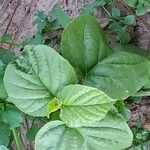
Jacquemontia tamnifolia
Hairy clustervine · Smallflower · Small-flower morning glory
Description
Source: wikipedia (CC BY-SA)Jacquemontia tamnifolia, the common jacquemontia, is a herbaceous, annual, twining vine found throughout the Americas.
Care Guide
💧 Water
Hairy clustervine flourishes in tropical climates, where it requires consistent moisture and moderate humidity. To keep its foliage lush throughout the year, it needs to be watered weekly. The health of this evergreen plant depends on maintaining the right balance of soil moisture, ensuring both drought resistance and adequate water supply for vibrant growth.
How should I water my Hairy clustervine?
To water Hairy clustervine, you have several options for watering tools, such as a garden hose with a spray nozzle or a watering can. Hairy clustervine isn't too particular about how it gets water, so rainwater, tap water, or filtered water will suffice. However, it's best to avoid watering this plant from above to prevent damage to the leaves and flowers, as well as the risk of disease. For optimal watering, consider using a drip irrigation system, which delivers water evenly and directly to the soil. If you have a container-grown Hairy clustervine, you can adapt the watering method by using a cup, watering can, or tap to water the soil directly.
What do I do if I give my Hairy clustervine too much or too little water?
To remedy underwatering for Hairy clustervine, start watering it more regularly when you notice it lacks moisture. Overwatering, on the other hand, can be more harmful, potentially leading to diseases and the plant's death. To prevent overwatering, choose a location with ample sunlight for soil drying and good drainage to prevent water from pooling. If you overwater a potted Hairy clustervine, consider transferring it to a new pot with better drainage and loose soils.
How many times should I give water to my Hairy clustervine?
To ensure the healthy growth of your Hairy clustervine, it's important to provide regular watering throughout the growing season. In spring, you should aim to water the plant once a week. As the season progresses and the weather gets warmer, you may need to increase the watering frequency to two or three times per week. However, be careful not to overwater, as this can harm the plant. Regardless of the watering schedule, it's important to keep the soil relatively moist, but not excessively wet. If you have a potted Hairy clustervine, keep in mind that the soil in pots tends to heat up and dry out faster than ground soil. Therefore, you will need to water a container-grown plant more frequently, typically a few times per week, compared to just once per week for a plant in the ground.
How much water does my Clustervine plant need?
Determining the right amount of water for your Hairy clustervine can be done in a few different ways. Some gardeners prefer to assess the moisture level of the soil by feeling it. This method suggests watering until the top six inches of soil feel moist. Alternatively, you can use a specific measurement as a guide. Usually, providing about two gallons of water per week, adjusting for temperature and soil dryness, is recommended. However, be cautious not to overwater if your plant requires less. When growing Hairy clustervine in a container, a different method is needed. In this case, water enough to moisten all dried layers of soil. You can test this by sticking your finger in the soil or allowing a slight trickle of excess water to drain from the pot's holes.
How do I know if I am giving enough water to my Hairy clustervine?
To avoid overwatering your Hairy clustervine, it's important to find the right balance. Although they have deep roots that require weekly moisture, these plants are highly vulnerable to root rot and may turn brown if overwatered. Underwatering is less of a concern as they can survive without additional watering for some time. However, if you wait too long to water, the plant will likely start to wilt and the leaves may become dry.
☀️ Light Full sun
Hairy clustervine does best when exposed to direct sunlight for the majority of the day, though it can tolerate partly shaded areas. Native to environments with plentiful sun, it may have reduced growth if it receives insufficient light. Excessive shade can result in health problems for the plant.
What are the sunlight requirements for Hairy clustervine?
Hairy clustervine, known botanically as Jacquemontia tamnifolia, thrives best under full sun exposure, which means it requires more than 6 hours of sunlight daily to flourish. However, it can also tolerate partial sun conditions, where it would receive about 3-6 hours of sunlight a day. It's essential to observe how sunlight moves through your garden to select the optimal location for your plant, balancing light and shade to ensure the plant's health and happiness.
What are the essential care tips for keeping a healthy Hairy clustervine?
For a healthy Hairy clustervine, positioning the plant in a location where it gets full exposure to sun rays for the majority of the day is crucial, although it can still grow in somewhat shaded areas. Originating from sunny habitats, the plant might not develop fully if deprived of adequate daylight. In overly shaded conditions, it might face health issues. When natural sunlight is not enough, especially indoors during winter or in less sunny spaces, utilizing artificial lighting such as LED lights, which can be adjusted to provide the specific wavelengths of light needed, is advisable. The artificial light should mimic natural sunlight in terms of intensity and duration, with full sun plants requiring 30-50W/sq ft, partial sun plants 20-30W/sq ft, and full shade plants 10-20W/sq ft.
How can you tell if a Hairy clustervine is not getting enough light?
If a Hairy clustervine does not receive enough light, it will manifest several symptoms indicating light deficiency. These symptoms include the development of smaller new leaves, leggy or sparse growth as gaps between leaves or stems lengthen, faster leaf drop, slower or halted growth, lighter-colored or pale new leaves, and potential cases of chlorosis where leaves lose their green color. Additionally, excessive sunlight can lead to sunscald, leaf curling, wilting, and leaf scorching. Therefore, balancing light exposure is essential for preventing both underexposure and overexposure symptoms.
What solutions are available for Hairy clustervine experiencing insufficient sunlight?
To address insufficient sunlight for Hairy clustervine, indoor plants can be gradually moved to a sunnier location until they receive at least 6 hours of direct sunlight daily, utilizing a south-facing window and keeping curtains open during the day for maximum exposure. For large or immovable plants, supplemental artificial light, kept on for at least 8 hours daily, could provide the necessary light. Outdoors, plants should be moved gradually to sunnier spots to prevent sunburn. Obstructions blocking sunlight, such as tree branches, may need to be pruned, and smaller plants might benefit from transplanting during their dormant period to a site with ample sunlight and good drainage. It's crucial to remember that parts of the plant already damaged by insufficient light may not recover, but new growth should be healthy with improved lighting.
🌡️ Temperature 20–35°C
Hairy clustervine comes from areas where average temperatures are between 68 to 95 °F (20 to 35 ℃). It prefers warmer climates, so it is essential to regulate its surroundings during colder seasons to replicate its native habitat.
What is the native climate for Hairy clustervine?
Hairy clustervine (Jacquemontia tamnifolia) originates from environments with average temperatures ranging between 68 to 95 °F (20 to 35 °C). It thrives in warmer climates, making it essential to regulate its surroundings in colder seasons to mimic its native habitat. The plant is extremely heat-loving, and exposure to cold temperatures can be harmful. During autumn, it is advisable to bring outdoor-grown Hairy clustervine indoors, placing it near a bright window while keeping it away from heaters to maintain optimum growth temperatures above 20°C. Temperatures nearing 5°C or lower are particularly detrimental to the plant's health.
How does low temperature affect Hairy clustervine, and what are the solutions?
Hairy clustervine prefers warm temperatures and does not tolerate low temperatures well. It thrives best when the temperature remains above 20°C and needs to be kept above 5°C during winter. Exposure to temperatures below 1°C can cause the leaves to lighten in color. After frost damage, the plant's color may turn brown or black, and it might exhibit symptoms such as wilting and drooping. To mitigate frost damage, trim off the frost-damaged parts and move the plant to a warm environment indoors. It's recommended to place the plant near a south-facing window for ample sunlight, ensuring it’s not near heaters or air conditioning vents, which could lead to excessive dryness in the air.
What should you do when Hairy clustervine is exposed to high temperatures?
During the summer, it is crucial to ensure that the temperature for Hairy clustervine remains below 35°C. Exposure to temperatures above 41°C can cause the leaves to become lighter in color and makes the plant more susceptible to sunburn. In such cases, it's advisable to trim away the sunburned and dried-up parts of the plant. Moving the plant to a location that provides shade, especially from the midday and afternoon sun, will help prevent further damage. Additionally, watering the plant in the morning and evening can help keep the soil moist and support the plant's health under high temperature conditions.
💨 Humidity
🪴 Soil 6-7
🌱 Fertilizer
When most of Hairy clustervine's blooms have opened fully, resume fertilizing. Around the period when blooms are at their peak, apply fertilizer every three to four weeks, as the weather allows. Then, once Hairy clustervine begins to produce fewer new blooms, stop fertilizing; there's no reason to fertilize when the plant can no longer generate more blooms.
🪴 Pot & Repot
✂️ Pruning
The hairy clustervine is a robust, vining plant known for its dense, hairy foliage and striking blue flowers. To control its growth, prune it in the early to late spring. This will encourage bushiness and help remove any dead stems. Be sure to use clean, sharp tools to prevent disease, and try to avoid heavy pruning to maintain better air circulation and enhance flowering.
🌿 Propagating
🐛 Diseases & pets
☠️ Toxicity
Characteristics
- Plant Type
- Herb, Vine
- Life Cycle
- Annual
- Genus
- Jacquemontia
- Family
- Convolvulaceae
- Hardiness Zone
- 10
- Mature Height
- 0.91 m to 2.13 m
- Mature Spread
- 49 cm to 91 cm
- Leaf Color
- Green
- Leaf Type
- Semi-evergreen
- Flower Color
- Purple, Blue
- Flower Size
- 2.54 cm
- Bloom Time
- Late spring, Summer
- Planting Time
- Spring
- Harvest Time
- Summer, Early fall
- Native Area
- Burkina Faso, Somalia, Egypt, Belize, Angola, Mexico, Guatemala, Namibia, Madagascar, Kenya, Uganda, Tanzania, Zimbabwe, Guinea-Bissau, Mali, Benin, Cuba, Cameroon, Liberia, Mozambique, Venezuela, Ghana, Ethiopia, Botswana, Congo, Central African Republic, Malawi, Honduras, Peru, South Africa, Zambia, Sudan, Mauritania, Panama, Chad, Colombia, Bahamas, Bolivia, Togo, El Salvador, Senegal, Eswatini, Nicaragua, Guyana, Ecuador, Costa Rica, Côte d'Ivoire, Gambia