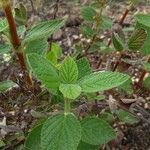
Jamesia americana
Cliff Jamesia · Cliffbush · Fivepetal cliffbush · American cliffbush
Description
Source: leafsnapJamesia americana, also called cliffbush, waxflower or five petal cliffbush, is a species of flowering plant in the Hydrangeaceae.
Care Guide
💧 Water
Cliffbush thrives in arid climates and is highly drought-tolerant. It should be watered every 1-2 weeks to maintain balanced moisture. As an evergreen plant, cliffbush retains its leaves year-round and requires consistent hydration, even during its dormant period.
How should Cliffbush be watered to get the best results?
Using soaker hoses is a great way to keep leaves and flowers moist without getting the entire plant wet. Simply lay the hose around the plant and leave it on for about 30 to 45 minutes, ensuring that the soil is moist but not overly saturated. You can connect your regular hose to the soaker hose and cover it with mulch. Alternatively, drip feeders can be used to keep the soil consistently moist throughout the day. When watering Cliffbush plants in pots, it is best to use a watering can. Wait until you see water dripping out of the bottom of the pots to ensure that the roots are getting enough water. Using a portable watering can allows you to reach the soil and ensure that the water penetrates deeply, promoting better growth.
If I give Cliffbush too much or too little water, what should I do?
If you have overwatered your Cliffbush plant, it's important to take a step back and prevent further damage. Fortunately, Cliffbush plants are hardy and have a good chance of surviving. To help the plant recover, allow it to dry out by stopping watering. It's important to note that these plants do not tolerate having their roots sitting in water for too long, so aerating the soil can be beneficial. Overwatering can cause a variety of symptoms such as yellow leaves falling prematurely, fewer flowers, misshapen buds, wilted leaves, and brown leaves. In severe cases, root rot may occur as a result of long-term overwatering. On the other hand, underwatering can also cause similar symptoms. If your Cliffbush plant is wilting, it could be a sign of insufficient watering. To check if the plant is dehydrated, feel the soil by inserting your finger into it. If it feels dry, this is an indicator that the plant needs more water. Adding water in the evening can help if you notice that the plant has been underwatered. Always check the soil for dryness and follow a regular watering schedule, usually in the morning.
How often should I water the Cliffbush plant?
To properly water the Cliffbush, it is recommended to water it deeply two to three times a week. However, if you live in a hot climate, you may need to water it more frequently. The plant has average water needs and requires moist but well-drained soil. A helpful tip is to check the soil moisture by feeling it; if it is about 2-4 inches dry, it may be time to water the plant. If the Cliffbush is planted outdoors, watering it 1-2 times a week should be sufficient, as it will receive additional moisture from rainwater.
How much water does my Cliffbush plant need?
The amount of water needed can vary depending on several factors. These factors include the weather, amount of shade, and the specific species of plant. For example, newly planted Cliffbush plants will require more water compared to established ones. Generally, watering them with a can of water each week should be sufficient, especially during their growing season and when they are in pots. When the plants are outdoors, it is important to monitor the amount of rain they receive using moisture meters. When the soil becomes dry, it is best to thoroughly water the plants with a sprinkler. It is recommended to water Cliffbush less frequently but more thoroughly to ensure they receive the proper amount of moisture.
Why is it important to water my Cliffbush plant?
To ensure healthy growth, it's important to understand the watering needs of any plant you're growing. For example, cliffbush requires a lot of water to thrive, and can wilt if not adequately moistened. However, it's important to strike a balance - cliffbush needs moist soil, but the ground should also be well-drained to prevent root rot. Both overwatering and underwatering can cause issues such as slow flower production and stunted growth, so finding the right watering routine is key.
☀️ Light Partial sun
The cliffbush grows best when it receives plentiful light throughout the day. It comes from regions where sunlight is unblocked year-round. Its light needs remain the same across different stages of development. Both excessive and insufficient light can negatively impact its growth, showing its dependence on abundant sunshine.
How many hours of sunlight per day does Cliffbush need for healthy growth?
To ensure healthy growth, it is important to provide Cliffbush with a minimum of 3-6 hours of sunlight each day. Most plants that can tolerate partial sunlight can also do well in full sunlight, but they require less light for photosynthesis. Therefore, these plants are more adaptable than those that need either full sunlight or partial shade.
What kind of sunlight does Cliffbush plant need?
Cliffbush plants thrive in full or part sun but prefer direct morning light. However, during summer, they require protection from the intense afternoon sun to prevent leaf burn and maintain their appearance and health in temperate environments.
Can the sun harm Cliffbush plants? What can I do to shield Cliffbush from sun and heat damage?
Indoor Cliffbush can get harmed by direct sunlight if moved outside. To avoid overexposure, it's best to move the pots gradually from shade to a brighter area. However, even plants used to the sun can be damaged by extreme heat. To help them cope, it's important to keep the soil consistently moist during a heatwave. In case of extreme weather, like a heatwave, protecting sensitive Cliffbush can be accomplished by moving them to shaded areas or using a shade cloth.
Should I make sure Cliffbush stays out of the sun?
Cliffbush thrives in bright morning sun and partial sun exposure. However, it cannot withstand the intense midday sun during summer. If planted in the ground, it can gradually acclimate to the increasing intensity of the summer sun. However, potted Cliffbush plants that have been indoors or in protected locations may be susceptible to damage if suddenly exposed to direct summer sun in the hottest part of the day. To prevent this, it is recommended to plant or place the Cliffbush in a shaded area during midday, under taller trees, plants, a building, or a landscape feature.
What will happen if Cliffbush doesn't get enough sunlight?
When Cliffbush doesn't get enough sunlight, it can turn pale green and its leaves may droop and turn yellow. It's normal for some leaves to fall off, but if new leaves aren't growing in their place, something is wrong. If Cliffbush does manage to grow with insufficient light, the new growth is usually weak, pale, and attracts bugs. By noticing these signs and adjusting the lighting, you can make a big difference for the plant.
🌡️ Temperature 5–32.2°C
Cliffbush is highly adaptable to different climate conditions, from sweltering summers to cold winters. However, it still has an optimal temperature range for healthy growth. If temperatures become too high, the plant is susceptible to heat and humidity stress, which can lead to its death. In areas where temperatures approach the lower limit of its cold tolerance, insulating the plant is important for protection.
💨 Humidity
🪴 Soil 6-7
🌱 Fertilizer
Timing is essential when fertilizing Cliffbush. Apply fertilizer in early spring and continue monthly until early summer. Fertilizer encourages attractive blooms and supplies energy during both dormant and active growth periods.
Why should I use fertilizer on my Cliffbush?
Fertilizing a Cliffbush is crucial for several reasons. Firstly, it helps to enhance the production of beautiful blooms. For optimal results, fertilizing in early spring is recommended to ensure excellent flower growth during that season. Additionally, fertilizer provides the Cliffbush with ample energy, which it can store in the ground during periods of dormancy. By giving the Cliffbush extra nutrients during fall planting or late spring, it can retain more energy to utilize when active growth resumes.
When should I put fertilizer on my Cliffbush?
To effectively fertilize Cliffbush, timing is crucial. Fertilizing too early, while the Cliffbush is still dormant, will only result in wastage and pollution as the fertilizer will be washed away by rain. Instead, it is recommended to apply the first round of fertilizer in early spring, and then continue fertilizing once a month until early summer.
When is the best time to not fertilize my Cliffbush?
To ensure optimal growth of Cliffbush, it is important to regulate the amount of nitrogen in the fertilizer. Excessive nitrogen can result in abundant leaves but limited flower production. Prioritize fertilizers with lower nitrogen levels compared to other nutrients. Additionally, refrain from fertilizing Cliffbush during late autumn as it can cause excessive growth just before winter. Avoid fertilizing during hot and dry periods, as dry soil does not effectively deliver nutrients and can lead to overstimulated growth that requires more water, which may not be readily available. It is advisable to apply fertilizer earlier in the season when temperatures are cooler. Lastly, take caution not to unintentionally provide Cliffbush with an overdose of fertilizer, as it can also absorb nutrients from nearby plants or lawns.
What kind of fertilizer should I use for my Cliffbush plant?
To optimize the growth of Cliffbush, it is recommended to use a fertilizer that has a balanced mix of the three main plant nutrients, with slightly higher levels of phosphorus. Another option is to enhance the soil by incorporating organic materials like compost, worm castings, and manure. Experienced gardeners often supplement with water-soluble fertilizers containing phosphorus when the flower buds emerge. This helps promote better flower development, resulting in larger blooms that last longer. There are various types of fertilizers available, but liquid and powdered forms are particularly effective for Cliffbush. Regardless of the type you choose, make sure to dilute the fertilizer and apply it while watering your plant.
How do I make my Cliffbush grow better?
To effectively fertilize your Cliffbush, it is crucial to follow the specific instructions for the type of fertilizer you are using. Avoid over-fertilizing by determining the correct amount to apply. Typically, you can base this on the age of the tree or the trunk's diameter. A general guideline is to use one-tenth of a pound of fertilizer per year or per inch of trunk, with a maximum of one pound. Apply granular or organic fertilizers, like blood meal, by sprinkling them around the base of the tree and extending to the drip line. Avoid contact with the trunk. These substances will break down over time and be absorbed by the roots. After fertilizing, spread a one-inch layer of compost around the base of the tree and water thoroughly.
🪴 Pot & Repot
✂️ Pruning
To ensure a healthy and thriving cliffbush, it's important to prune it properly after it blooms in late spring. Start by removing any dead branches and thinning out dense areas to improve air circulation and light penetration. Be careful not to prune too heavily, as it's important to maintain the plant's natural shape. This careful pruning technique promotes health and encourages vigorous growth, which are essential for the well-being of a cliffbush.
🌿 Propagating
🐛 Diseases & pets
☠️ Toxicity
Characteristics
- Plant Type
- Shrub
- Life Cycle
- Perennial
- Genus
- Jamesia
- Family
- Hydrangeaceae
- Hardiness Zone
- 4-8
- Mature Height
- 0.91 m to 3.05 m
- Mature Spread
- 0.91 m to 2.13 m
- Leaf Color
- Green
- Leaf Type
- Deciduous
- Flower Color
- White
- Flower Size
- 1.02 cm to 1.52 cm
- Bloom Time
- Mid spring, Late spring, Early summer
- Planting Time
- Spring, Summer, Autumn
- Harvest Time
- Mid summer, Late summer, Early fall
- Native Area
- Mexico