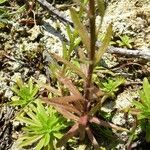
Jasione laevis
Shepherd's scabious · Smooth Sheepsbit
Description
Source: leafsnapJasione laevis is an ornamental plant. It was formerly known as Jasione perennis.
Care Guide
💧 Water Every week
Jasione perennis thrives best with consistent moisture, benefiting from weekly watering to maintain optimal health. Although it has moderate drought tolerance, it is ideally suited for conditions that replicate its native humid environment. As an outdoor plant, Jasione perennis is resilient across various climate zones and adapts well to seasonal changes in water availability.
How should I water my Jasione perennis?
To effectively water the Jasione perennis, it is recommended to use filtered water at room temperature. Tap water may contain harmful particles, so filtered water is preferable. The reason for using room temperature water is that this plant is accustomed to warm environments and cold water can be detrimental. Additionally, it is best to avoid overhead watering to prevent issues with the foliage. Instead, it is advised to simply soak the soil with filtered room temperature water until it is fully saturated. This practice benefits the plant by moisturizing the roots and facilitating their spread through the soil for nutrient absorption.
What should I do if I give my Jasione perennis too much water or too little water?
Overwatering is a more common problem than underwatering for Jasione perennis. Excessive watering causes the plant to wilt, turn yellow, and can lead to diseases like root rot, mold, and mildew which can be fatal. Jasione perennis has good drought tolerance, so underwatering is less likely to occur. However, when it does happen, the leaves become brittle and brown. It is important to promptly recognize the signs of overwatering. Diseases caused by overwatering, such as root rot, may be irreversible if not addressed promptly. If you notice early signs of overwatering, reduce your watering schedule and consider replacing the poorly draining soil with a loose, well-draining potting mix. If your Jasione perennis shows signs of not receiving enough water, increase your watering frequency until the signs subside.
How frequently do I need to water my Jasione perennis?
If your Jasione perennis plant is in a pot, the best way to determine if it needs water is by checking the soil with your finger. If the top two to three inches of soil are dry, it's time to water it. If your Jasione perennis plant is growing outdoors in the ground, you can use a similar method to test the soil. When the top few inches of soil have dried out, it's time to water. In the spring and early fall, you'll typically need to water this plant about once a week using this method. During extremely hot weather, you may need to increase watering to twice a week or more. However, it's worth noting that mature, well-established Jasione perennis plants have a remarkable ability to tolerate drought.
How much water does my Jasione perennis plant need?
To water your Jasione perennis effectively, don't hold back on the amount of water you give. Make sure the first two to three inches of soil are dry before watering, and then provide a good, thorough watering that completely soaks the soil. The water should be enough to flow through the drainage holes at the bottom of your pot. If you don't see any excess water draining, it means you haven't watered enough. However, be careful not to let water accumulate in the soil, as this can harm the plant. On the other hand, if water isn't draining properly through the pot, it could mean the soil doesn't drain well, which isn't good for the plant's health. Finally, if the plant is outdoors, it generally needs about 1 inch of rain per week to stay adequately hydrated.
How do I water my Jasione perennis at different stages of growth?
The water requirements of the Jasione perennis can vary depending on its growth stages. In the first few years of its life or after transplanting, it requires more water because it is focused on establishing new roots for future growth. These roots need extra moisture to thrive. As the plant matures, it will need less water. Additionally, during the bloom period, the flower development requires a significant amount of moisture, so you may need to increase watering during this time.
☀️ Light Full sun
Jasione perennis thrives with ample sunlight, similar to its native habitats where the sun is usually unobstructed. Both excessive and insufficient light could harm the plant, hindering its vigorous growth. Every stage of development requires regular exposure to sunlight.
What are the sunlight requirements for Jasione perennis?
Jasione perennis, also known as Jasione laevis, thrives best with more than 6 hours of sunlight daily, which is considered full sun exposure. Ensuring the right balance of light and shade is crucial for the plant's health and growth. Monitoring the movement of sunlight through your garden helps in selecting the ideal locations for planting, ensuring they receive sufficient light without being subjected to harsh conditions that could impair their growth. Especially given its preference for conditions similar to its native habitats, Jasione perennis requires regular access to sunlight at all stages of growth. Insufficient or excessive light can be detrimental, highlighting the importance of providing a generous amount of sun exposure for robust development.
How can artificial lighting be used for Jasione perennis?
When natural sunlight is not adequate, particularly during winter or in less sunny locations, artificial lighting serves as an essential alternative for Jasione perennis's growth. Indoor plants benefit significantly from the right type of artificial light, such as LEDs, which can be tuned to deliver the specific wavelengths needed by the plant. The amount of artificial light required varies based on the plant's needs—30-50W/sq ft for full sun plants, 20-30W/sq ft for partial sun, and 10-20W/sq ft for full shade. The placement of the light source should be 12-36 inches above the plant to mimic natural sunlight conditions, and it should be kept on for 8-12 hours per day to simulate the natural duration of daylight.
What are the symptoms of inadequate lighting for Jasione perennis?
Jasione perennis exhibits several symptoms when suffering from insufficient light, including the development of smaller leaves, leggy or sparse growth, premature leaf drop, delayed or halted growth, and the appearance of lighter-colored or yellowish leaves, indicating a lack of chlorophyll and essential nutrients. Exposure to too much direct sunlight can also lead to issues such as chlorosis, sunscald, leaf curling, wilting, and leaf scorching. These symptoms reflect the plant's struggle to adapt to its lighting conditions, whether through conserving resources in low light or protecting itself from excessive sunlight.
How can I address light-related issues for Jasione perennis?
To support optimal growth of Jasione perennis, gradually increasing its exposure to sunlight is key, aiming for at least 6 hours of direct sunlight each day. For indoor plants, particularly those too large or immobile, using artificial lighting like desk lamps or professional grow lights for a minimum of 8 hours daily can provide sufficient light. When moving plants outdoors, ensure a gradual transition to sunnier spots to prevent sunburn. Addressing obstructions to sunlight, such as pruning trees or relocating smaller plants during their dormant period for better sun exposure and drainage, is vital for their health. It's important to note that while parts of the plant affected by previous light conditions may not recover, new growth should emerge healthy with adjusted light exposure.
🌡️ Temperature 5–35°C
Jasione perennis can adapt to a wide range of temperature conditions, though its distribution may still be restricted by different combinations of water and heat. It does best in warm summers with sufficient rainfall or watering. Extended periods of cloudy, rainy weather, and prolonged high temperatures can raise the chance of Jasione perennis dying. In winter, adequate protection against cold can increase the plant's survival.
💨 Humidity
🪴 Soil 6-7
🌱 Fertilizer
The best time to fertilize Jasione perennis is in early spring, when it is coming out of dormancy and starting active growth. Fertilization supplies essential nutrients needed for healthy development. Although Jasione perennis has fairly low fertilizer requirements, applying fertilizer annually can improve its survival and encourage better, longer-lasting blooms.
Why should I put fertilizer on my Jasione perennis plant?
Fertilization is important for the Jasione perennis and other plants because it provides key nutrients for their growth, both above and below ground. While the fertilization needs for a Jasione perennis are relatively low, annual fertilization can have significant benefits. It helps the plant stay alive and may also improve the quality and longevity of its flowers. Therefore, those looking to enhance the appearance of their Jasione perennis should prioritize regular fertilization.
When should I fertilize my Jasione perennis plant?
The best time to fertilize a Jasione perennis is in late winter to early spring when it is transitioning from its dormant phase to active growth. Fertilizing at this time promotes healthy growth and gives the plant a strong start for the season. Although it is generally recommended to fertilize in spring, it is also okay to fertilize in the fall. However, it is not advised to fertilize during summer or winter.
When should I not add fertilizer to my Jasione perennis?
To prevent overfertilization and complications, it is best to only fertilize your Jasione perennis in late winter and early spring. One annual feeding is sufficient for this low-fertilization plant. However, if you skipped fertilizing in spring, it is acceptable to feed it in the fall. Avoid fertilizing during most of the growing season and winter, as the plant is either dormant or has minimal growth during these times.
What kind of fertilizer does my Jasione perennis need?
Any general-purpose fertilizer with balanced amounts of the three main plant nutrients will work well for a Jasione perennis. However, some nutrient blends can be even more beneficial. For example, many gardeners believe that higher levels of phosphorus improve root strength and flower quality. Since Jasione perennis is a flowering plant, using a phosphorus-rich fertilizer may be the best option. Granular or liquid fertilizers are both suitable as long as they contain sufficient nutrients. Besides manufactured fertilizers, organic methods such as compost and manure can also be used to improve the soil for your Jasione perennis, creating a healthy growing medium.
How can I add nutrients to my Jasione perennis plant?
To fertilize a Jasione perennis, the most common method is to use either granular or pellet fertilizer. The best time to fertilize is when the plant is transitioning from its dormant phase to active growth, usually in early spring. Once you see shoots emerging from the soil, it's time to apply fertilizer. Alternatively, you can choose to use a liquid fertilizer, in which case you should dilute it with water before applying. Regardless of the type of fertilizer used, it's important to moisten the soil before, during, and after application.
🪴 Pot & Repot
✂️ Pruning
Jasione perennis has a rosette of leaves and blue flowers. To keep the plant healthy and encourage a second bloom, it's important to prune it from early to late spring. Start by removing any damaged or dead growth to maintain a compact shape. Always use sterilized tools during pruning to prevent disease and improve air circulation, which will enhance the plant's overall appearance.
🌿 Propagating
🐛 Diseases & pets
☠️ Toxicity
Characteristics
- Plant Type
- Herb
- Life Cycle
- Perennial, Annual
- Genus
- Jasione
- Family
- Campanulaceae
- Hardiness Zone
- 5-9
- Mature Height
- 30 cm
- Mature Spread
- 20 cm
- Leaf Color
- Green, Gray
- Leaf Type
- Deciduous
- Flower Color
- Blue
- Flower Size
- 1.52 cm to 2.03 cm
- Bloom Time
- Summer
- Planting Time
- Spring
- Harvest Time
- Late summer, Early fall, Mid fall