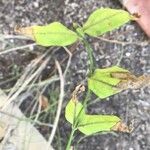
Jasminum beesianum
Red jasmine · Pink Jasmine
Description
Source: leafsnapJasminum beesianum, commonly known as Himalayan jasmine, is a species of flowering plant in the Oleaceae family. This plant is native to the Himalayan regions of India, Pakistan, and Nepal. It is a deciduous climber that can reach up to 6 meters in height and has slender stems adorned with small green leaves arranged oppositely. The flowers are small, tubular, and pinkish-red with a sweet fragrance, typically blooming from late spring to early summer. Himalayan jasmine thrives in well-drained soil and can grow in full sun or partial shade. It is tolerant of cold temperatures but needs protection from frost during the winter months. This species is popular among gardeners for its attractive flowers and delightful fragrance, making it a favored ornamental plant. In traditional medicine, Jasminum beesianum has been used for its medicinal properties, particularly in treating skin conditions such as eczema and psoriasis due to the anti-inflammatory properties of its leaves. Overall, Jasminum beesianum is an excellent addition to any garden, not only for its beautiful appearance but also for its medicinal benefits. Its combination of aesthetic appeal and practical uses in traditional medicine makes it a valuable plant for both garden enthusiasts and those interested in herbal remedies.
Care Guide
💧 Water Every 7 days
Red jasmine, which originates from mountainous regions, thrives with moderate moisture and can endure brief periods of dryness. To maintain the right balance of hydration, especially important during the growing season for optimal blooming, water the plant every 1-2 weeks. Consistent watering is essential for supporting its fragrant flowers when grown outdoors.
☀️ Light Partial sun
Red jasmine is native to habitats like forest understories and rocky areas, where it grows in natural shade. It prefers partial sun but can adapt to full sun or full shade, showing its versatile and hardy nature.
🌡️ Temperature 15–35°C
Red jasmine is very adaptable to a variety of climate conditions, whether facing blistering summers or cold winters. Still, it has an ideal temperature range for growth. When temperatures become too high, the plant is susceptible to heat and humidity stress, which can cause it to die. In areas where temperatures approach the lower limit of its cold tolerance, providing insulation is important to protect the plant.
💨 Humidity
🪴 Soil 6-7
🌱 Fertilizer
The timing of fertilization is important for Red jasmine. Apply fertilizer in early spring and repeat monthly through early summer. Fertilizer promotes attractive blooms and supplies energy during both dormant and active growth phases.
🪴 Pot & Repot Every 12 months
✂️ Pruning
To maintain healthy red jasmine plants, prune them in early spring before new growth begins. Start by removing any dead stems and shape the plant to improve airflow. This encourages blooming and helps keep the plant at a manageable size. Avoid heavy pruning in late fall or winter to prevent damage. Regular pruning also helps control pests and diseases, contributing to the overall health of the red jasmine.
🌿 Propagating
🐛 Diseases & pets
☠️ Toxicity
Characteristics
- Plant Type
- Vine
- Life Cycle
- Perennial
- Genus
- Jasminum
- Family
- Oleaceae
- Hardiness Zone
- 7-10
- Mature Height
- 4.57 m
- Mature Spread
- 3.05 m
- Leaf Color
- Dark Green
- Leaf Type
- Semi-evergreen
- Flower Color
- Pink
- Flower Size
- 2.03 cm to 3.05 cm
- Bloom Time
- Late spring, Summer
- Planting Time
- Spring, Autumn
- Harvest Time
- Late summer, Fall
- Native Area
- China