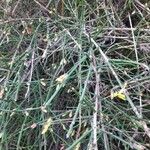
Jasminum nudiflorum
یاسمین زمستانه · Winter Jasmine · Yellow Jasmine (పసుపు మల్లి) · Winter-flowering jasmine
Description
Source: leafsnapJasminum nudiflorum, commonly known as winter jasmine, is a deciduous shrub that belongs to the Oleaceae family. Native to China, it has been widely cultivated around the world for its ornamental value. The plant typically reaches up to 3 meters in height, featuring slender green stems that are either arching or trailing. The leaves of Jasminum nudiflorum are simple, opposite, and ovate-shaped with a glossy dark green hue. The plant produces numerous bright yellow flowers from late winter through early spring, emerging before the leaves. These small flowers have five petals arranged in a star shape. Winter jasmine prefers full sun or partial shade and thrives in well-drained soil rich in organic matter. While it can tolerate drought conditions, regular watering during its growing season is essential for optimal growth. Propagation of Jasminum nudiflorum can be achieved through stem cuttings taken in late spring or early summer when new growth appears. It serves well as an ornamental shrub for borders, hedges, or ground cover due to its attractive foliage and bright yellow flowers that bring color to gardens during the winter months when few other plants bloom. Overall, Jasminum nudiflorum is an appealing deciduous shrub with vibrant yellow blooms that add color even on the coldest winter days, making it an ideal choice for gardeners seeking year-round interest from their plants.
🌳 Interestingly, winter jasmine goes beyond its usual role as an ornamental plant by offering a distinct landscaping benefit. It blooms in winter when most other plants are dormant, bringing a burst of color and cheer during the coldest months. It also provides an important food source for pollinators such as bees when other nectar sources are scarce, underscoring its role in supporting ecosystems at a critical time.
🎭 Love; Wealth; Prophetic Dreams; Unconditional and Everlasting Love
Care Guide
💧 Water Every 7 days
Winter jasmine flourishes in the cool and moist climates of East Asia. It prefers consistent moisture but can tolerate moderate drought once it is well established. Water it every two weeks. This adaptable plant is suitable for outdoor cultivation and is known for its early blooming. Winter jasmine announces the end of winter with its vibrant colors, brightening the landscape before other plants come to life.
How should I water my Winter jasmine?
To promote excellent root development in your plants, place a garden hose at the base of the plant, avoiding direct spraying of the leaves. If the plants are outdoors and exposed to direct sunlight, the leaves will need more water. You can also use bubblers or soaker hoses to moisten the roots. When planting or removing plants, use soaker hoses to ensure even watering throughout the garden or bed, allowing the roots to go deeply. After watering, drain any excess water and allow the soil to dry before watering again. To prevent diseases, water at ground level rather than spraying the leaves. On a sunny day, spraying the entire bush with water can be beneficial. Whether your Winter jasmine is potted or in the ground, remember it prefers deep watering rather than light sprinkling.
What should I do if I give Winter jasmine too much water/not enough water?
When Winter jasmine is overwatered, its leaves can turn yellow, drop off, and wilt. The plant may also look unhealthy with mushy stems. If you notice these signs, try adjusting your watering schedule. On the other hand, wilting can also be a sign of under watering. In this case, the leaves become crispy and dry. To determine when to water, check the soil moisture. If the soil is dry and watering alone is not enough, give the plant a thorough watering. This will help the Winter jasmine recover, but it may still have yellow and dry leaves for a few days due to root damage. Once the plant returns to normal, the yellowing of leaves will stop. Indoors, always check the moisture levels of the pot where your Winter jasmine is placed. Avoid overwatering and look for black spots, indicating excess moisture. If you see these spots, allow the soil to dry by refraining from watering for a few days. Overwatering can lead to root rot, particularly if you notice discolored and slimy roots. To prevent root rot, avoid soggy soil and consider transferring the plant to a different pot if necessary. When planting Winter jasmine outdoors, make sure to check the soil's moisture level by digging a bit deeper with your fingers. If it feels too dry, it may indicate under watering. Adequate watering is essential for helping the plant recover.
How much should I water my Winter jasmine?
The Winter jasmine plant prefers deep watering that is done infrequently. This is especially important for potted plants, as the water storage capacity is limited and the soil in pots dries out quickly. If you live in a cold region, watering should be done every 3 to 5 days. The best time to water is in the morning when the soil is dry, whether you have the plant indoors or outdoors. You can check if watering is needed by examining the soil. When the top 2-3 inches of soil are dry, it's time to give the plant a full watering. In hot weather, check the moisture daily as the heat can cause the soil to dry out rapidly. Watering is also necessary for plants in a garden. In a hot climate, watering once a week is sufficient. However, only water when you observe that about 2 to 3 inches of soil have become too dry, both indoors and outdoors. Take into account the amount of rainwater received by the plant, as excessive watering can lead to root rot. If there is ample rainfall, additional watering may not be required. Winter jasmine typically grows during spring and fall, and when grown outdoors, it's beneficial to add mulch approximately 3 to 4 inches deep to retain moisture. Sandy soil requires more frequent watering as it drains faster, whereas clay soil requires less frequent watering to avoid root rot. To help keep track of watering schedules, mark the date on a calendar and observe if the leaves start to droop, which could indicate that watering is needed.
How much water does my Winter jasmine need?
For Winter jasmine, it's important to water it about once a week, giving it about a gallon of water each time. When watering potted plants, make sure to water them deeply until the water is dripping out of the bottom of the pot. Then, allow the soil to dry before watering again. To determine how much water you've given your plant in a week, you can use a water calculator or moisture meter. During the flowering period, it's important to provide plenty of water. However, after watering, allow the moisture to evaporate to prevent root rot. If you have Winter jasmine planted outdoors and there is sufficient rainfall, you may not need to provide additional watering. When Winter jasmine is young or newly planted, it's important to make sure it receives 1-2 inches of rain per week. As the plant grows, it can rely on rainfall for its water needs. Only during hot weather or extended periods without rainfall (2-3 weeks) should you consider giving Winter jasmine a full watering, preferably during cooler moments of the day to prevent heat damage. Additional watering will be necessary during prolonged dry spells.
Do I need to change how often I water my Winter jasmine depending on the time of year or the weather?
The Winter jasmine needs rain if it's outdoors, but only if it hasn't rained for a while. In the spring and fall, keep the soil moist but not too wet. Dry and moist soil alternations will help the Winter jasmine grow. During the summer, hot weather can cause water to evaporate quickly, so you may need to water more often if there's no rain. In winter, the Winter jasmine needs less water because it goes dormant. Use well-draining soil like terracotta to help water evaporate faster. Once it starts to leaf out and go dormant, you can stop watering it and rely on rain. In spring, encourage growth by watering regularly. Good drainage is important at all times, especially in winter. If the Winter jasmine is in a pot, it has limited root growth, so keep it well-watered in the summer and ensure good drainage. Deeply soak the roots once or twice a week, avoiding shallow sprinkles. Even in dormancy, don't let the plant dry out completely. Don't overwater or let the soil stay wet in winter. Applying mulch helps conserve water and promote healthy blooms.
☀️ Light Full sun
Winter jasmine's vigorous growth largely depends on finding suitable lighting. The plant does best in settings with plenty of full light, though it can tolerate spots with partial illumination. If light is insufficient, its growth may be restricted. Because it comes from very brightly lit habitats, too much shade can produce negative effects such as reduced vigor, poor flowering, and slower growth.
What are the sunlight requirements for Winter Jasmine?
Winter Jasmine (Jasminum nudiflorum) thrives with specific sunlight conditions for optimal growth. It needs full sun, which is above 6 hours of direct sunlight, or partial sun, about 3-6 hours of sunlight. Observing how sunlight moves through your garden will help you find spots that offer the right balance of light and shade, ensuring the plants' well-being. It's essential to ensure these plants are placed in environments that emulate their native, brightly-lit habitats to avoid issues like weakened vigor, lackluster flower displays, or retarded growth due to insufficient light.
How can artificial lighting be used for Winter Jasmine?
When natural sunlight is not sufficient, especially during winter or in less sunny spaces, artificial lighting becomes crucial for the healthy growth of indoor Winter Jasmine plants. Proper artificial lighting, like LEDs, can be tailored to provide specific wavelengths of light that the plants need. For full sun plants, 30-50W/sq ft of artificial light is recommended, 20-30W/sq ft for partial sun plants, and 10-20W/sq ft for full shade plants. The light source should be placed 12-36 inches above the plant, mimicking natural sunlight as closely as possible, and provided for 8-12 hours per day to accommodate the plant's light requirements effectively.
What are the symptoms of light deficiency in Winter Jasmine?
Winter Jasmine shows several symptoms when suffering from light deficiency, including small leaves, leggy or sparse growth, faster leaf drop, slower or no new growth, lighter-colored new leaves, and symptoms of chlorosis. On the flip side, excessive sunlight can lead to sunscald, leaf curling, wilting, and leaf scorching. These symptoms warn of inappropriate light exposure, indicating adjustments are needed to meet the plant's light demands for healthy growth.
What are the solutions for light-related issues in Winter Jasmine?
For indoor Winter Jasmine struggling with inadequate sunlight, a gradual shift towards a sunnier spot is beneficial, aiming for at least 6 hours of direct sunlight daily. South-facing windows and keeping curtains open during the day can maximize sunlight exposure. Artificial light, such as desk, ceiling lamps, or professional plant grow lights, can supplement light intake for atleast 8 hours daily. Outdoors, gradually move plants to sunnier locations each week to prevent sunburn. For ground-placed plants, reducing obstructions like pruning trees that block sunlight or transplanting during the dormant period to sunnier locations with good drainage ensures ample sunlight exposure. Note, however, that parts of the plant that suffered from light deficiency might not recover, but new growth post-adjustment will be healthy.
🌡️ Temperature 5–35°C
Winter jasmine shows strong adaptability to a range of climate conditions, whether it's scorching summers or chilly winters. Nevertheless, it has an optimal temperature range for growth. If temperatures climb too high, the plant can suffer from heat and humidity stress, which may lead to its death. In areas where temperatures near the lower limit of its cold tolerance, it's important to provide insulation to protect the plant.
What is Winter Jasmine?
Winter Jasmine, known botanically as Jasminum nudiflorum, is a plant species recognized for its distinctive characteristics. Unfortunately, the provided data does not include details on its essentials or symptoms of care, meaning more specific information about its care, growth habitat, or other relevant particulars were not given.
💨 Humidity normal (40-60%)
This plant will thrive in moderate humidity, which is probably the level in your home. However, misting it a few times a week can be very beneficial. Make sure the room has good ventilation.
🪴 Soil 6-7
🌱 Fertilizer
The timing of fertilizing Winter jasmine is important. Apply fertilizer in early spring and continue monthly until early summer. Fertilizer encourages attractive blooms and supplies energy during both dormant periods and active growth.
Why should I add fertilizer to my Winter jasmine plant?
Fertilizing your Winter jasmine is crucial for several reasons. The most notable is that it will result in beautiful blooms. Applying fertilizer in early spring is the optimal time to guarantee excellent flowers during that season. Additionally, fertilizer provides your Winter jasmine with ample energy to store in the ground while it is dormant. By giving your Winter jasmine extra nutrients in the fall or late spring, you will help it store more energy to utilize when it starts growing again.
When should I fertilize my Winter jasmine plant for the best results?
When fertilizing Winter jasmine, timing is crucial. Applying fertilizer too early, while the Winter jasmine is still dormant, is ineffective and will be washed away by rainwater, leading to waste and pollution. The first application of fertilizer should be in early spring, and continue fertilizing once a month until early summer.
When is the best time to not fertilize my Winter jasmine?
To ensure optimal blooming, it is important to select a fertilizer for Winter jasmine that has a lower nitrogen content compared to other nutrients. Avoid fertilizing after early autumn as this can promote excessive growth before winter. Additionally, refrain from fertilizing during hot and dry seasons, as dry soil is less effective in delivering nutrients and can lead to stimulation of growth that requires more water. It is best to apply fertilizer during cooler temperatures earlier in the season. Lastly, be cautious when applying fertilizer near other plants or lawns to avoid inadvertently giving Winter jasmine a double-dose of nutrients.
What kind of fertilizer does my Winter jasmine plant need?
The ideal fertilizer for Winter jasmine should have a balanced mix of plant nutrients, with slightly more phosphorus. Another option is to improve the soil by adding organic materials like compost, worm castings, and manure. Experienced gardeners may choose to supplement with water-soluble fertilizers containing phosphorus when flower buds start appearing. This helps the flowers grow larger and bloom longer. There are many forms of fertilizers available, but liquid or powdered forms are among the best for Winter jasmine. Regardless of the form, make sure to dilute the fertilizer and apply it while watering the Winter jasmine.
How should I apply fertilizer to my Winter jasmine?
When using fertilizer for your Winter jasmine, it's important to always follow the directions for the specific type of fertilizer and do some research on how to apply it. One key tip is to avoid over-fertilizing, so determining the correct amount to use is crucial. As a general guideline, you can use the age of the tree (if known) or the diameter of the trunk to estimate how much fertilizer to apply. A common recommendation is to use one-tenth of a pound of fertilizer per year or per inch of trunk, with a maximum of one pound. For granular fertilizers and organic fertilizers like blood meal, simply sprinkle the substance around the base of the tree, extending all the way to the drip line (the area beneath the outer branches). However, make sure the fertilizer doesn't come in contact with the trunk. Over time, the granules will break down and filter into the soil, allowing the roots to absorb the nutrients. After applying the fertilizer, it's helpful to spread a one-inch layer of compost around the base of the tree and thoroughly water it.
🪴 Pot & Repot Every 12 months
✂️ Pruning
Winter jasmine is a deciduous shrub that produces bright yellow flowers blooming in late winter. To shape the plant and encourage new growth, prune it after it has finished flowering in late spring. Always use clean, sharp tools to prevent the spread of disease. For the best results, consult local horticultural guides for specific care and maintenance practices.
🌿 Propagating
🐛 Diseases & pets
☠️ Toxicity
Characteristics
- Plant Type
- Shrub
- Life Cycle
- Perennial
- Genus
- Jasminum
- Family
- Oleaceae
- Hardiness Zone
- 7
- Mature Height
- 3.05 m
- Mature Spread
- 3.05 m
- Leaf Color
- Green
- Leaf Type
- Deciduous
- Flower Color
- Yellow
- Flower Size
- 1.02 cm
- Bloom Time
- Early spring, Mid fall, Late fall, Winter
- Planting Time
- Spring, Autumn
- Harvest Time
- Mid spring, Late spring, Early summer
- Native Area
- China