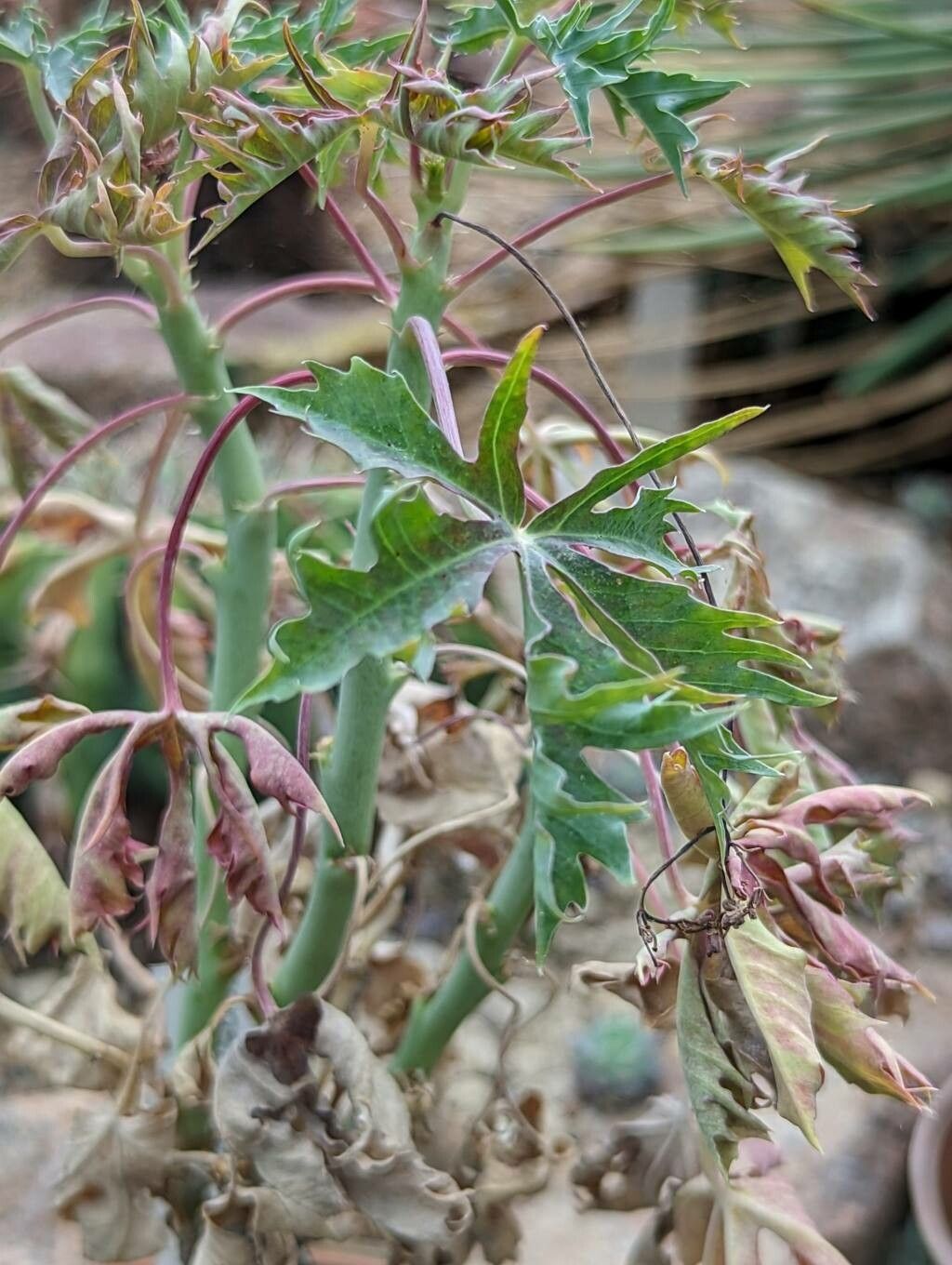
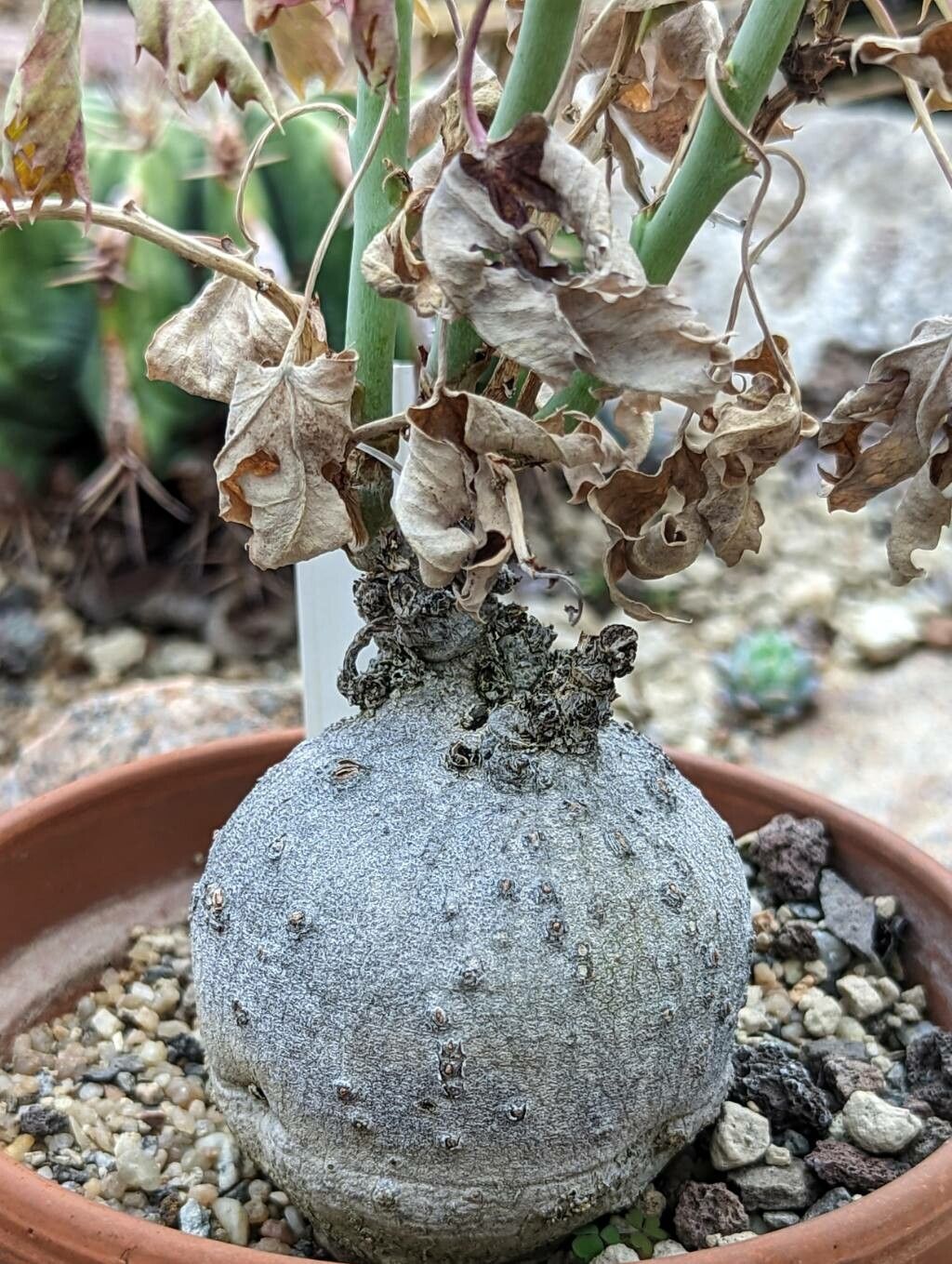
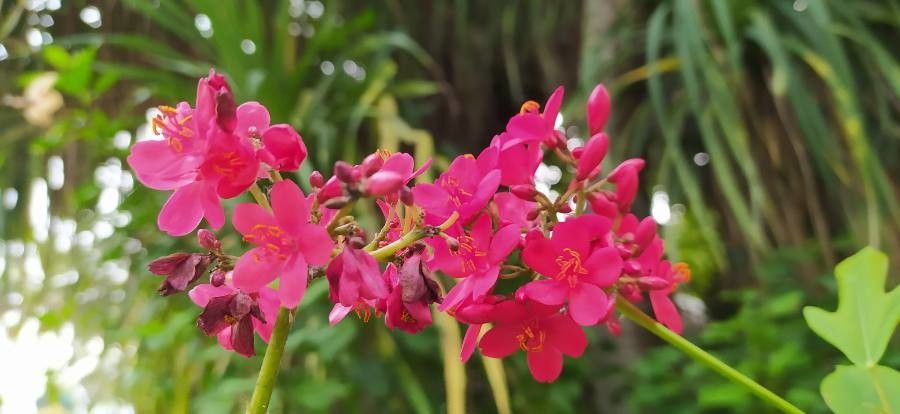
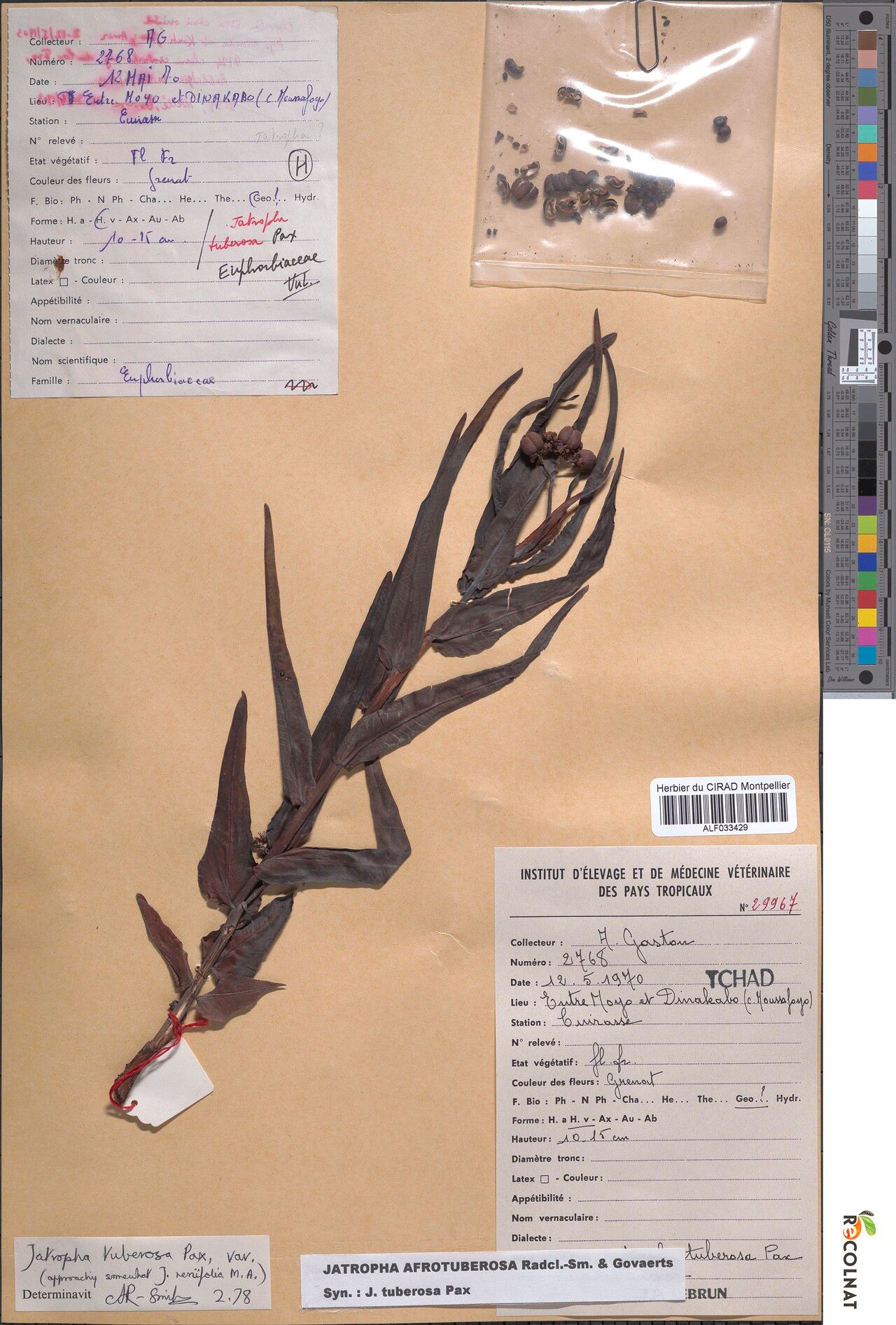
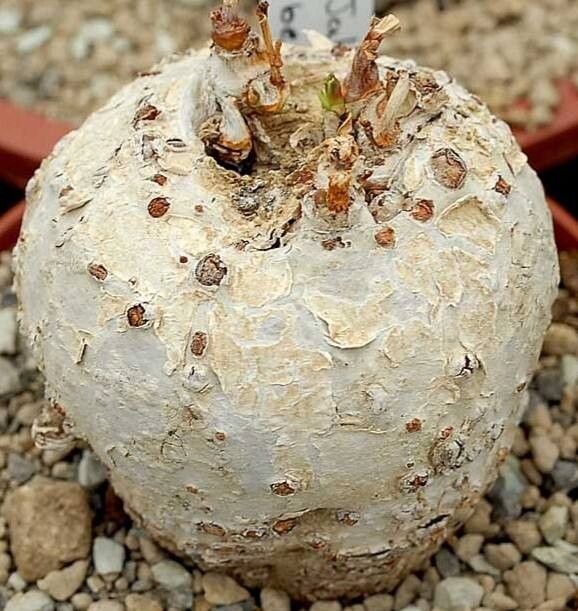
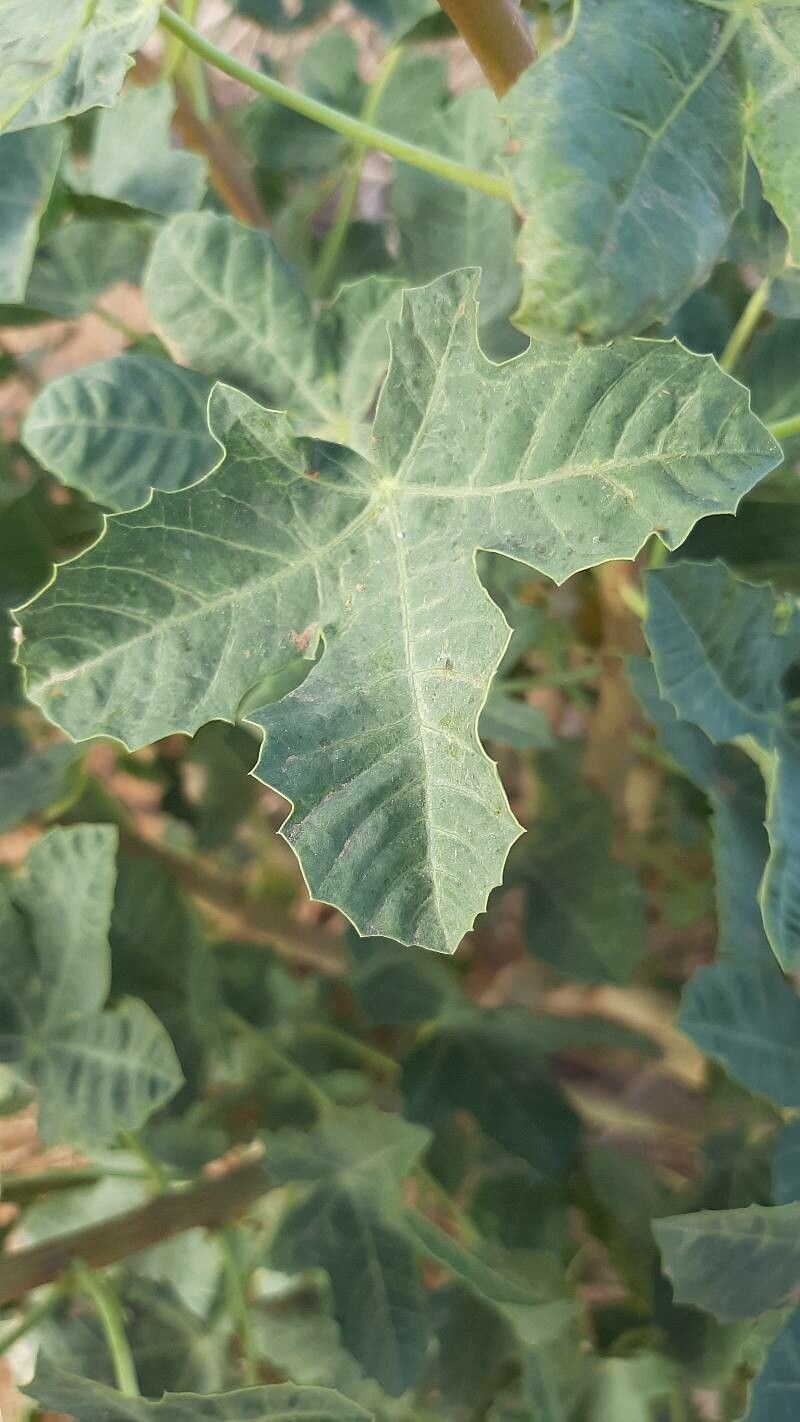
Jatropha cathartica is a species of flowering plant in the spurge family, Euphorbiaceae, that is native to Texas in the United States and Coahuila, Nuevo León and Tamaulipas in northeastern Mexico. Common names include jicamilla (Spanish) and Berlandier's nettlespurge.
Jicamilla has moderate resistance to disease but is more sensitive to humidity and to being overwatered. It is also likelier to develop illnesses if it is kept in low light and receives too much water. Regarding care, Jicamilla tolerates drought and can go long stretches without watering. It requires little fertilizer and only needs pruning occasionally. Because of this, it is an appropriate plant for growers at any skill level, particularly for those who prefer to spend less time on plant care or who may be away from home for extended periods. It suits people who do not want to devote a lot of time to upkeep yet still want a plant that is simple to maintain.
How to keep Jatropha Cathartica.
Light
Jicamilla does best when it receives plentiful sunlight each day, a trait carried over from its native habitat. While it can tolerate a less brightly lit environment, it grows most effectively with continuous sunlight that is not overly intense. A well-lit setting enhances its health and development, whereas insufficient sun can suppress its growth.
Water
Jicamilla is well-suited for arid environments, thriving with very little water. It only needs to be watered every 2-3 weeks. This plant prefers full sunlight and warmth, making it perfect for xeriscaping in areas with low rainfall. Be careful not to overwater jicamilla, as it can be harmful and the plant is naturally drought-tolerant.
Temperature
Jicamilla is native to warm climates and does best at 68 to 100 °F (20 to 38 ℃). As a seasonal adjustor, when temperatures change significantly, controlled indoor heating can help keep it within its preferred temperature range.
Fertilizer
Jicamilla only needs light applications of fertilizer one to two times a year during the growing season. Do not fertilize in winter or summer when it is dormant. Cut back on fertilizer for repotted plants and wait a couple of months after repotting before you start fertilizing. Fertilizing promotes healthy growth and encourages blooms.
Pot & Repot
Repot your jicamilla every 2 to 3 years in the spring. Choose a larger pot that has good drainage. Use well-draining soil and ensure the soil stays consistently moist, but be careful not to overwater. Place the jicamilla in bright, indirect light to promote optimal recovery and growth. Handle the plant with gentle care during this transition period.
Botanical profile.
- Plant Type
- Herb
- Life Cycle
- Perennial
- Genus
- Jatropha
- Family
- Euphorbiaceae
- Hardiness Zone
- 10-11
- Mature Height
- 0 cm to 30 cm
- Mature Spread
- 30 cm to 46 cm
- Leaf Color
- Dark Green, Forest Green
- Leaf Type
- Deciduous
- Flower Color
- Red, Pink
- Flower Size
- 2.54 cm to 5.08 cm
- Bloom Time
- All year round
- Planting Time
- Spring, Summer, Autumn
- Harvest Time
- All year round
- Native Area
- Mexico
Other names.