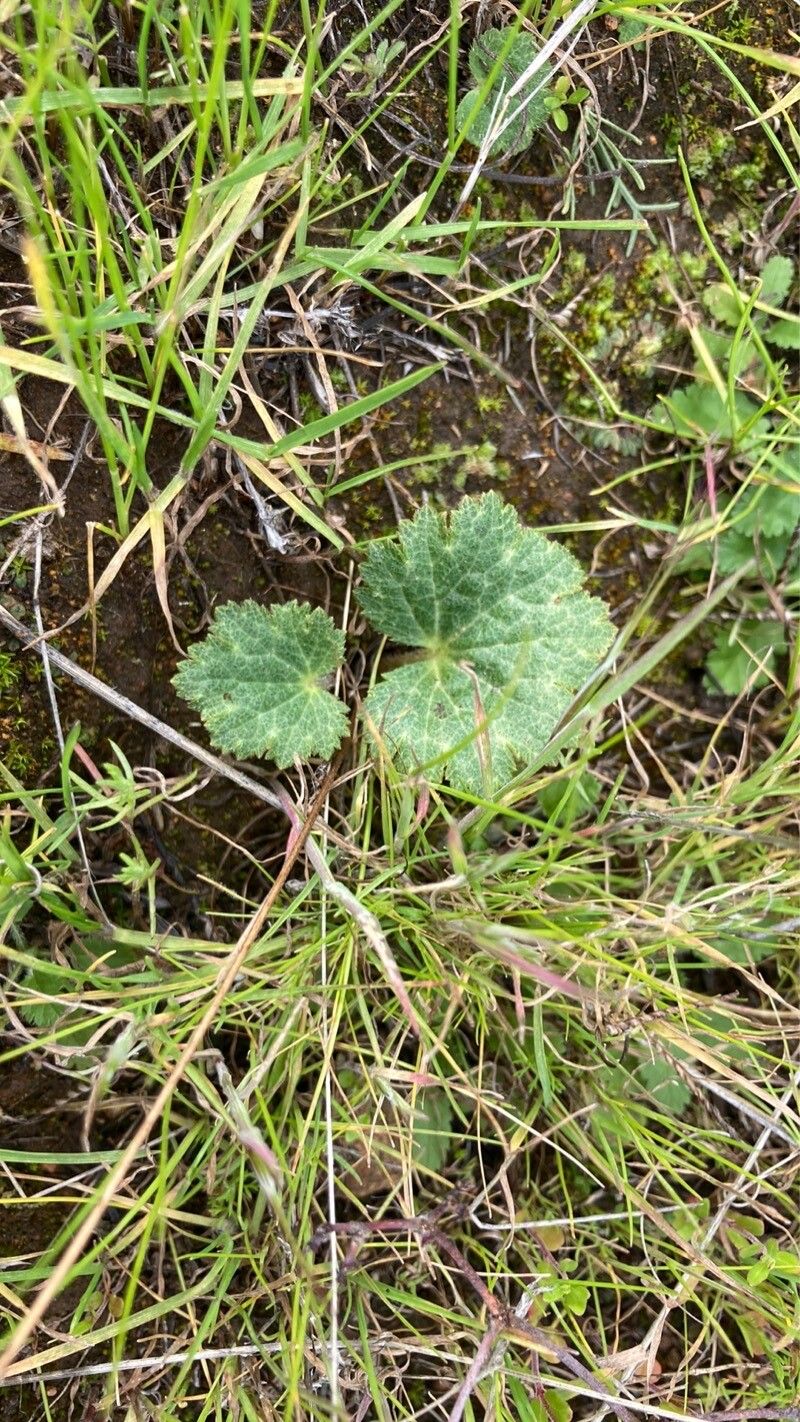
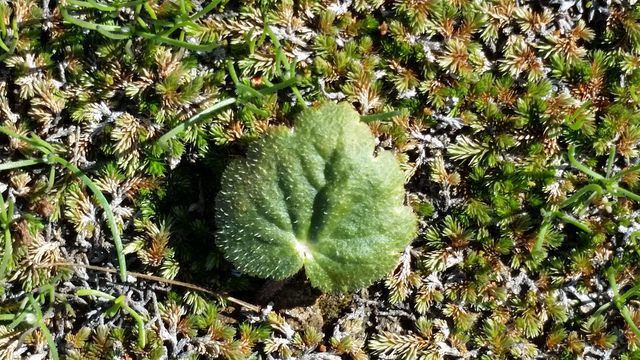
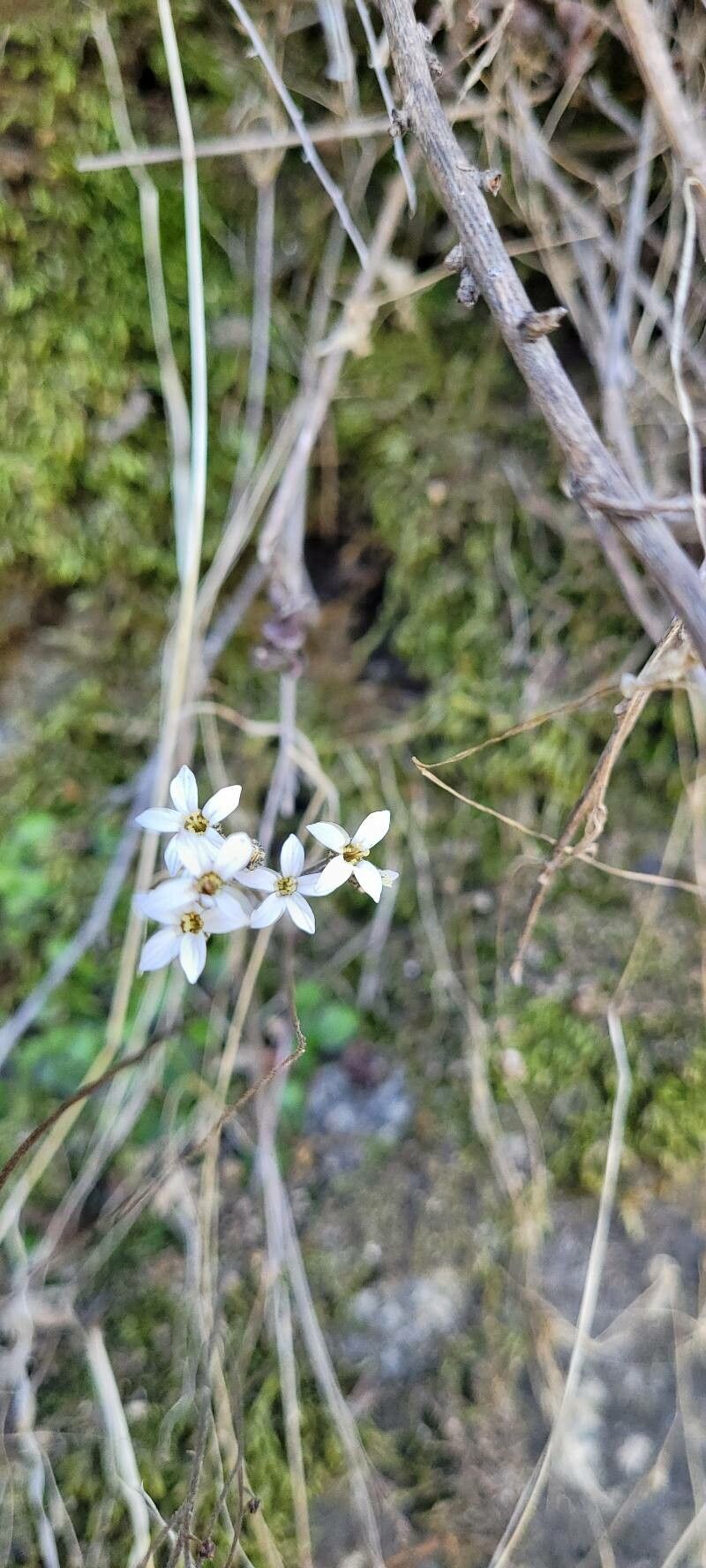
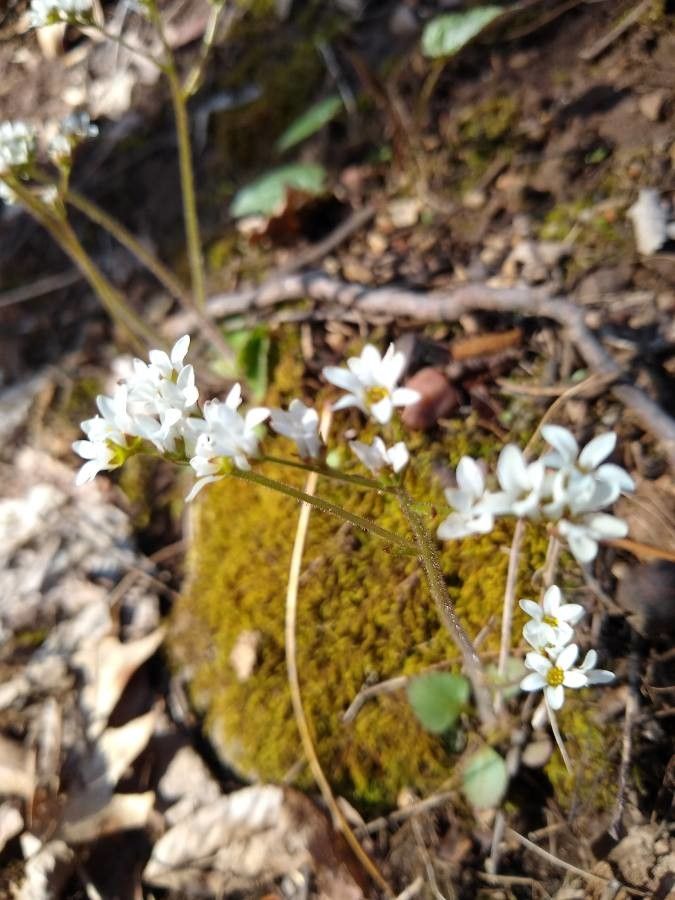
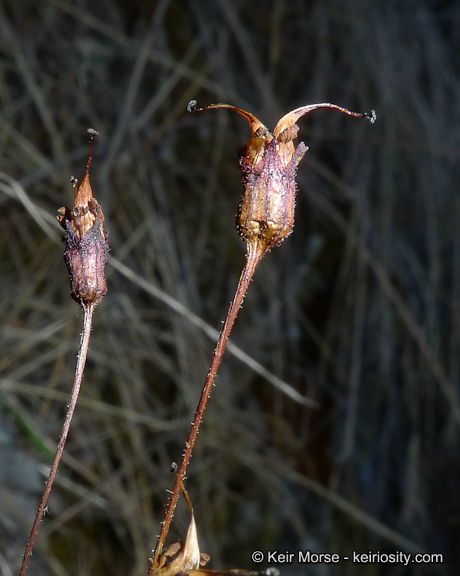
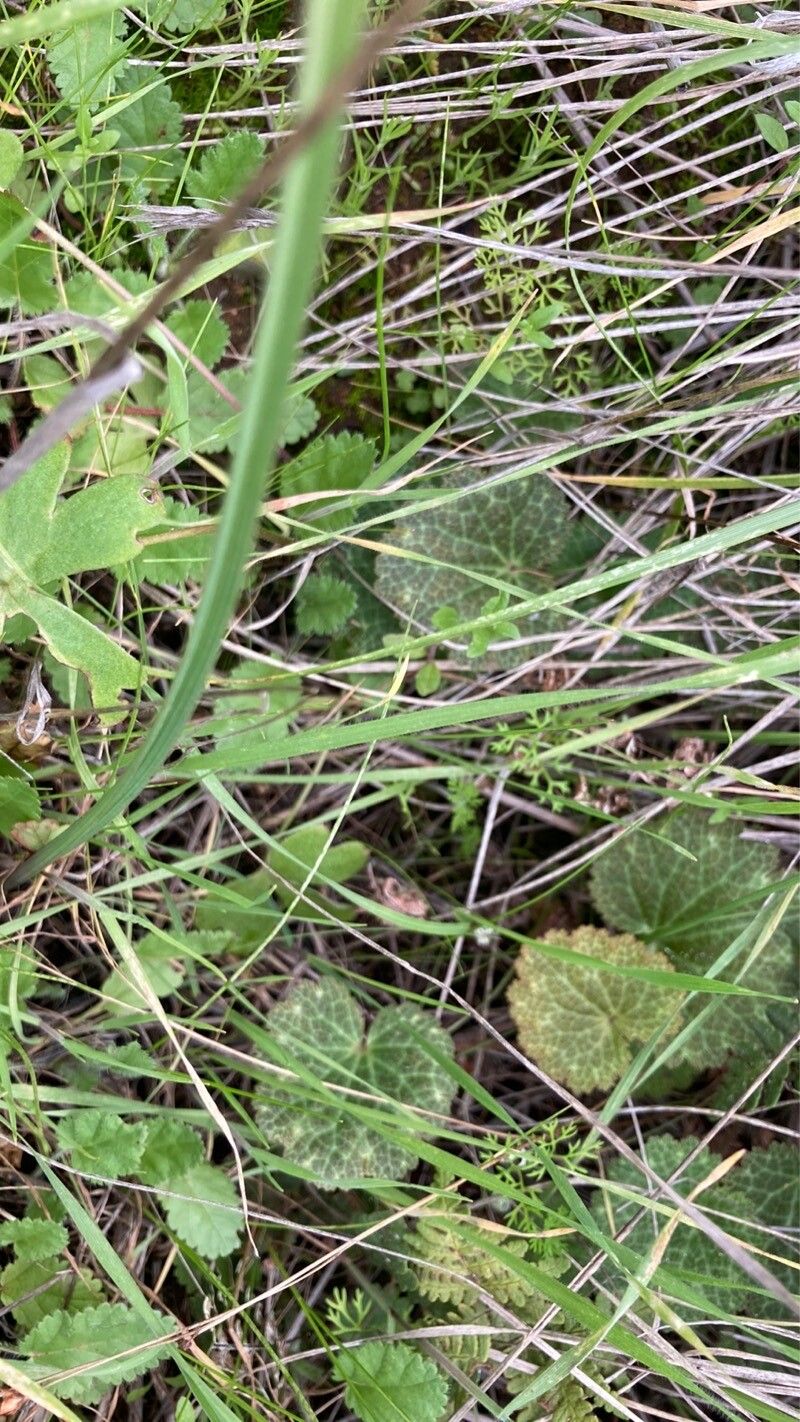
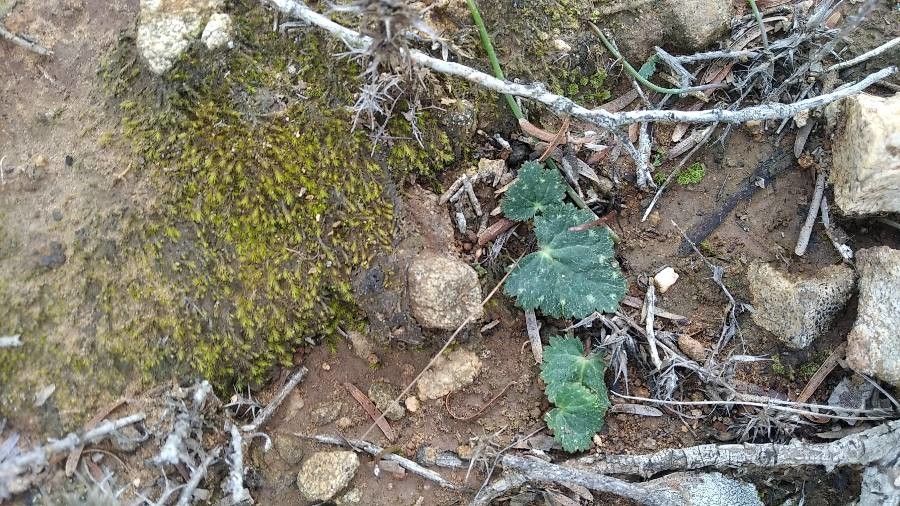
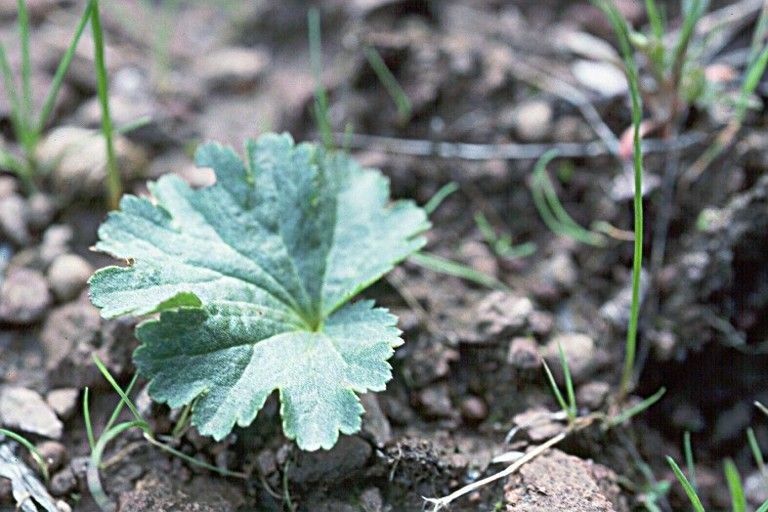
Jepsonia parryi is an uncommon species of flowering plant in the saxifrage family known by the common names coast jepsonia and Parry's jepsonia. It is a small geophytic plant that flowers briefly during fall, and often only has a single leaf that may appear above the ground after or during flowering. It is native to the coast and inland hills chaparral of southern California and Baja California.
Parry's jepsonia has good disease resistance and is generally not susceptible to illnesses. However, it can be affected by pests and diseases present in its environment. These infections are usually mild. In terms of care, this plant requires moderate maintenance. It should be pruned regularly to maintain an attractive appearance and healthy growth. Fertilizing can also help encourage flowering. Parry's jepsonia is suitable for anyone with an outdoor area, such as a garden or patio, and does not require extensive care experience. It may need more attention when grown indoors.
How to keep Jepsonia Parryi.
Light
Parry's jepsonia is native to habitats like forest understories and rocky areas, where it receives natural shade. It prefers partial sun but can adjust to full sun or full shade, illustrating its versatile, hardy nature.
Water
Parry's jepsonia, native to arid regions, is highly drought-tolerant and only needs watering once a week. It thrives in well-draining soil, requiring a careful balance of moisture to avoid over-saturation. Its growth cycle is synchronized with the infrequent rains typical of its natural habitat.
Temperature
Parry's jepsonia can adapt to a wide range of temperatures, but its distribution may still be limited by various combinations of water and heat conditions. It does best in warm summer climates with sufficient rainfall or watering. Extended periods of cloudy, rainy weather, as well as prolonged high temperatures, can increase the likelihood of Parry's jepsonia dying. In winter, adequate protection from cold can improve the plant's survival rate.
Fertilizer
One spring fertilization is generally enough for Parry's jepsonia, though several feedings can maximize growth. Feed every month to a month and a half. Fertilizing improves the leaves' appearance and function, helping maintain even color and a healthy texture. It also promotes root development and nutrient uptake for the plant's long-term health.
Pruning
Prune Parry's Jepsonia from early to late spring to encourage growth and enhance blooming. Remove any dead or diseased stems to improve air circulation, but avoid heavy pruning to minimize stress on the plant. Light trimming helps maintain its shape and encourages new growth, maximizing its blooming potential and strengthening its resistance to pests and diseases.
Botanical profile.
- Plant Type
- Herb
- Life Cycle
- Perennial
- Genus
- Jepsonia
- Family
- Saxifragaceae
- Hardiness Zone
- 8-10
- Mature Height
- 30 cm
- Mature Spread
- 5 cm to 10 cm
- Leaf Color
- Dark Green
- Leaf Type
- Semi-evergreen
- Flower Color
- White
- Flower Size
- 0.25 cm to 0.51 cm
- Bloom Time
- Fall
- Planting Time
- Summer, Autumn
- Harvest Time
- Late fall, Early winter, Mid winter
- Native Area
- Mexico
Other names.
Reader questions.
What are the sunlight requirements for Parry's Jepsonia?
Parry's Jepsonia requires partial sun, ideally about 3-6 hours of sunlight daily. It's essential to monitor the movement of sunlight through your garden to locate spots with the perfect balance of light and shade. This plant is native to environments like forest understories or rocky areas, where it naturally experiences shade. While it thrives in partial sun, Parry's Jepsonia can also tolerate full shade, making it a versatile addition to your garden.
How can artificial lighting benefit indoor Parry's Jepsonia plants?
For indoor Parry's Jepsonia plants, artificial lighting can be crucial when natural sunlight is insufficient, especially during winter or in less sunny spaces. Artificial lights, such as LED lights, can be tailored to provide the specific wavelengths of light that plants need for optimal growth. The recommended artificial light intensity ranges from 10-20W/sq ft for full shade plants, 20-30W/sq ft for partial sun plants, to 30-50W/sq ft for full sun plants. Correct positioning involves placing the light source 12-36 inches above the plant to mimic natural sunlight, and ensuring the plants receive 8-12 hours of light per day to mimic natural daylight hours.
What are the signs of light deficiency in Parry's Jepsonia?
When grown indoors and not receiving sufficient light, Parry's Jepsonia may exhibit symptoms such as smaller new leaves compared to previous ones, leggy or sparse growth, faster leaf drop, slower or halted new growth, lighter-colored new leaves, and common conditions like chlorosis, sunscald, leaf curling, wilting, and leaf scorching. These symptoms reflect the plant's struggle with inadequate light conditions and signify the need for a better lighting environment.
What solutions are available for Parry's Jepsonia experiencing light deficiency?
To address light deficiency, different strategies can be employed based on whether the plant is indoors, outdoors, or planted in the ground. Indoors, gradually moving the plant to sunnier spots or using artificial light like desk or ceiling lamps for at least 8 hours a day can help. Outdoors, plants should be moved gradually to sunnier locations to avoid sunburn. For ground-planted specimens, reducing obstructions such as branches that block sunlight or transplanting the plant to a location with more sunlight and good drainage is advisable. It's important to note that parts of the plant damaged by insufficient light may not recover, but new growth will be healthy following these adjustments.