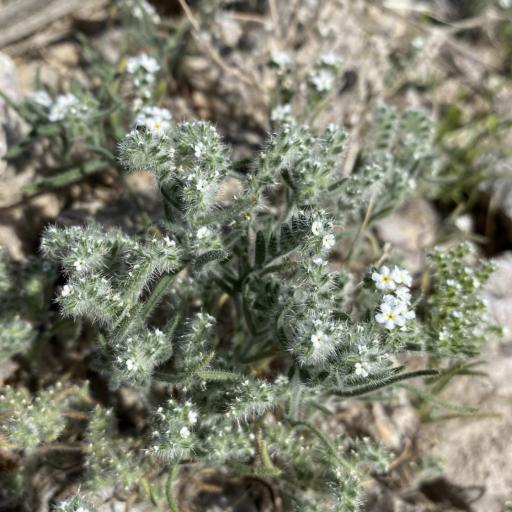
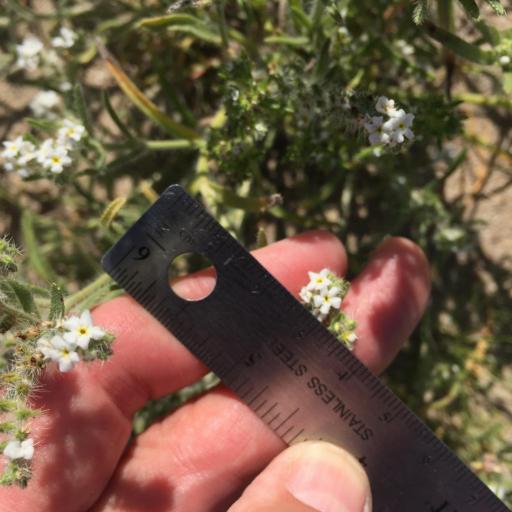
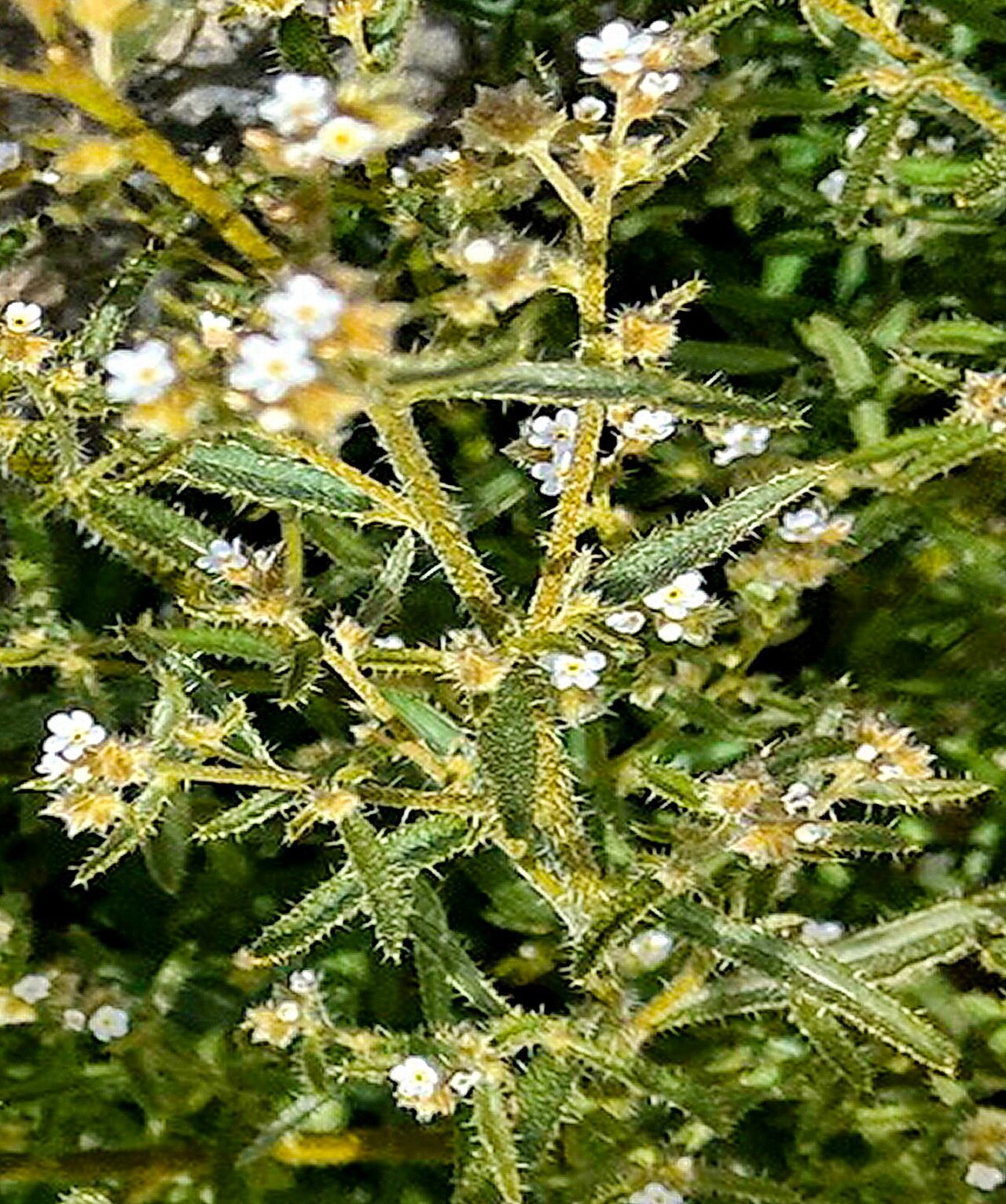
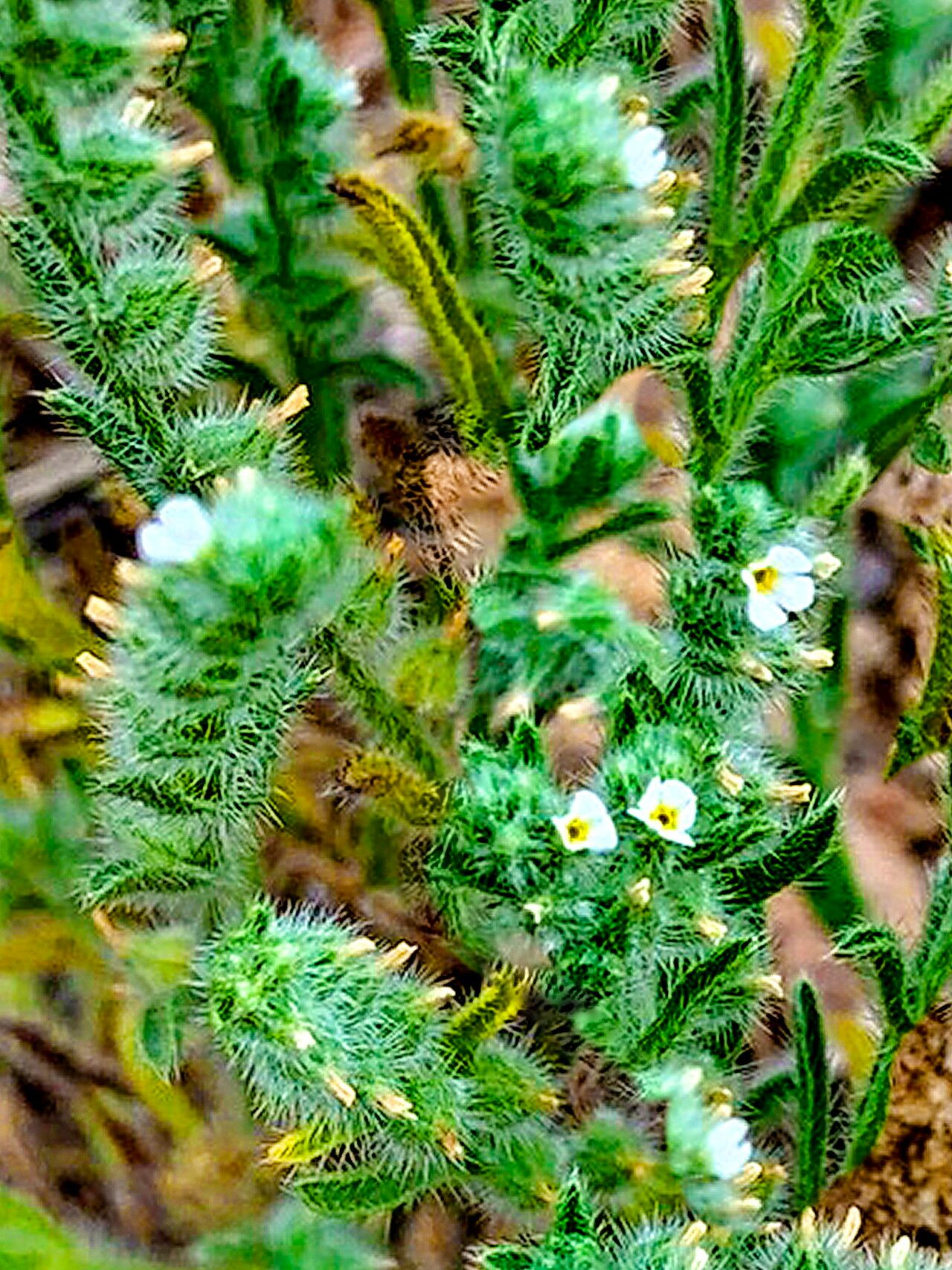
Johnstonella angustifolia is a species of wildflower in the borage family known by several common names, including Panamint catseye and bristlelobe cryptantha. This plant is native to northern Mexico and the southwestern United States from California to Texas, where it grows in desert scrub and woodland.
Narrow-leaved cryptantha is fairly disease-resistant and generally does not tend to get sick. However, it can be vulnerable to pests and diseases present in its environment. These infections are typically not severe. In terms of care, the plant requires moderate maintenance. It should be pruned regularly to keep a neat appearance and support healthy growth. Fertilizing can also help encourage flowering. Narrow-leaved cryptantha is suitable for anyone with outdoor space, such as a garden or patio, and does not demand extensive care experience. It may need more attention when grown indoors.
How to keep Johnstonella Angustifolia.
Light
Narrow-leaved cryptantha comes from bright, open habitats and performs best in full sun. It will tolerate some shade but favors direct sunlight for best growth. This plant, which can be annual or biennial, is noted for its preference for sun.
Water
The narrow-leaved cryptantha is well-suited for arid environments due to its notable drought tolerance. It thrives with infrequent watering, ideally just once a week, and minimizes water loss through its slender leaves. This resilience makes the narrow-leaved cryptantha an excellent choice for xeriscaping, though care must be taken to maintain its proper moisture balance.
Temperature
Narrow-leaved cryptantha can tolerate a wide range of temperatures, but its distribution may still be restricted by different combinations of moisture and heat. It does best in warm summer climates with sufficient rainfall or watering. Extended periods of cloudy, rainy weather or prolonged high temperatures can increase the likelihood of Narrow-leaved cryptantha dying. In winter, protecting the plant from cold can raise its chances of survival.
Fertilizer
Narrow-leaved cryptantha responds well to regular, weak fertilizer applications to encourage healthy leaf growth. You should fertilize Narrow-leaved cryptantha about once a month during the summer. Nitrogen is essential for foliage, and providing nitrogen-rich sources helps Narrow-leaved cryptantha thrive.
Pruning
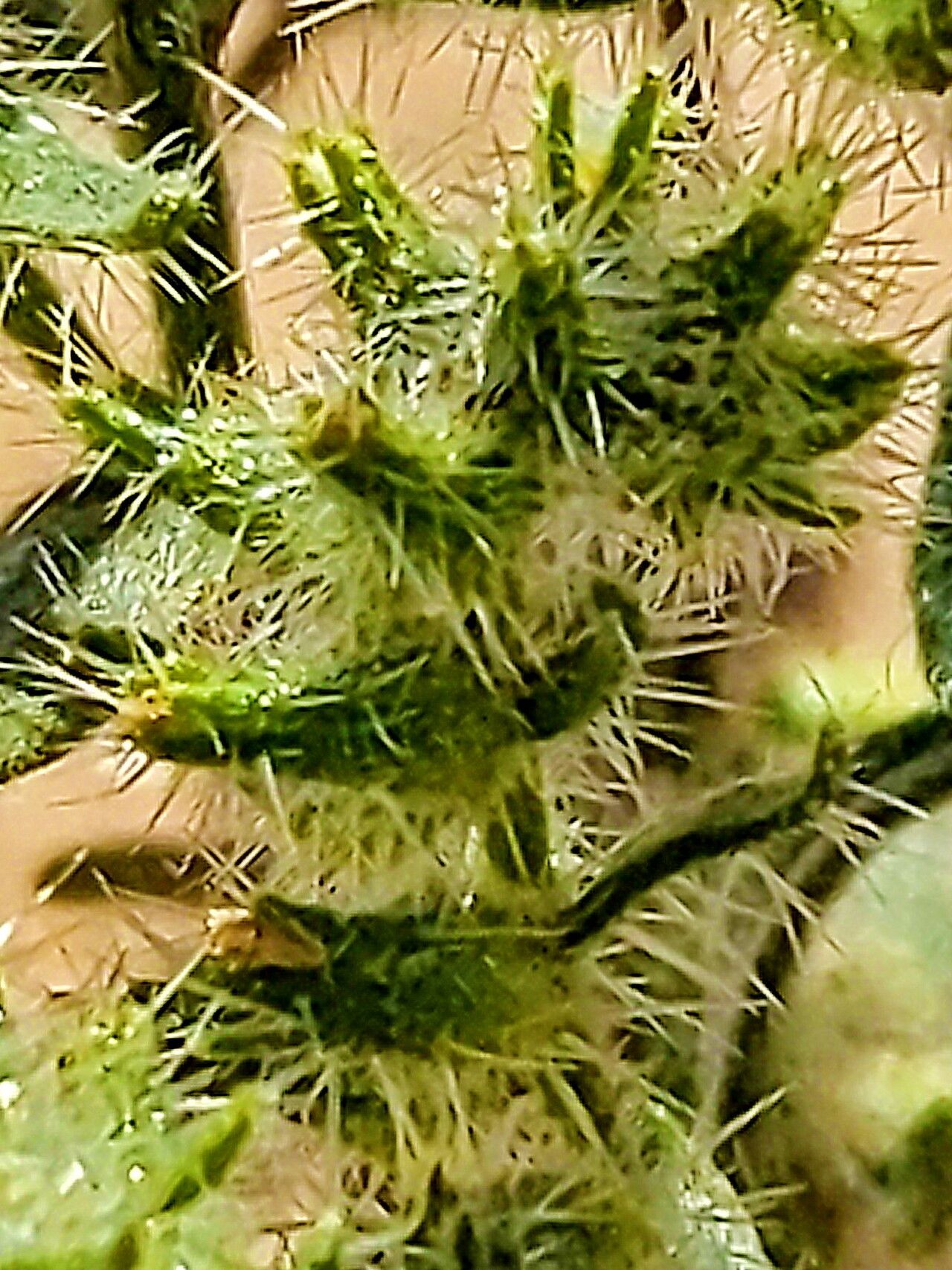
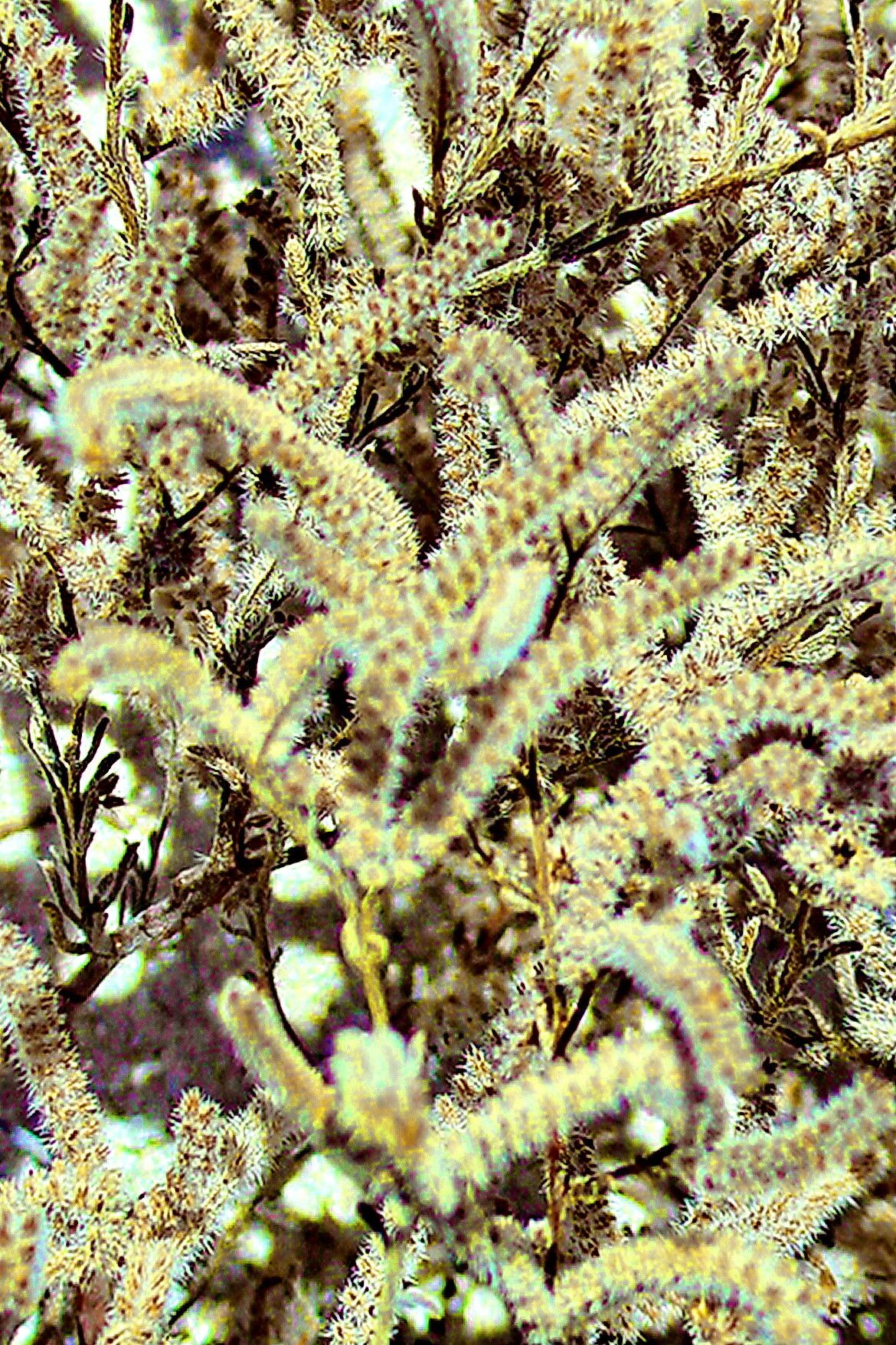
Narrow-leaved cryptantha is characterized by its slender, lance-shaped leaves and dense clusters of white flowers arranged on coiled spikes. To promote healthy growth, improve air circulation, and increase flowering, prune the plant from early to late spring. Be sure to use clean, sharp tools to prevent the spread of disease.
Botanical profile.
- Plant Type
- Herb
- Life Cycle
- Annual
- Genus
- Johnstonella
- Family
- Boraginaceae
- Hardiness Zone
- 7-10
- Mature Height
- 10 cm to 30 cm
- Mature Spread
- 15 cm to 25 cm
- Leaf Color
- Green
- Leaf Type
- Evergreen
- Flower Color
- White
- Flower Size
- 0.25 cm to 0.51 cm
- Bloom Time
- Spring
- Planting Time
- Spring, Autumn
- Harvest Time
- Late spring, Early summer, Mid summer
Other names.