Juglans californica
California black walnut · California walnut · Southern California walnut · Southern California black walnut · Northern California Black Walnut
Description
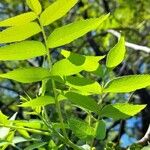
Source: leafsnapJuglans californica, commonly known as the California walnut or Southern California black walnut, is a tree species native to the western United States. This member of the Juglandaceae family can grow up to 60 feet tall and have a trunk diameter of up to 3 feet. The tree features dark green, pinnately compound leaves that can reach up to 20 inches in length. Its bark is dark brown and deeply furrowed. The California walnut produces edible nuts encased in hard shells. These nuts have been a crucial food source for Native American tribes in California for centuries and are still commercially harvested today. The tree thrives in well-drained soils and full sun but can tolerate some shade. While it is drought-tolerant, it requires regular watering during its first few years of growth. Juglans californica offers many benefits beyond its edible nuts. It provides shade, helps with erosion control, and creates habitats for wildlife such as birds and squirrels. Additionally, its wood is highly valued for furniture making due to its attractive grain patterns. Overall, Juglans californica plays a significant ecological role in western ecosystems and provides valuable resources for human use.
🎭 Health, Mental abilities, Infertility
Care Guide
💧 Water Every 7 days
The California Black Walnut is drought-tolerant and only needs watering every 2-3 weeks. It thrives outdoors, where it can benefit from natural rainfall. Its water requirements are closely tied to its seasonal leaf shedding, reducing during dormancy.
How should I water my California Black Walnut to keep it healthy?
Watering your California Black Walnut is flexible as it doesn't have specific requirements. You can use various watering tools like watering cans, hoses, or even cups. It's essential to water directly onto the soil, ensuring equal moisture for all parts of the root system. Filtered water is preferable as tap water may have harmful particles. Using water at or slightly above room temperature is ideal as extreme temperatures can be shocking to the plant. However, the California Black Walnut generally thrives with any water you provide.
What should I do if I give my California Black Walnut tree too much water or not enough?
Outdoor plants, especially newly planted ones or seedlings, are prone to lack of watering. It's important to water them enough for a few months when they are small or newly planted. Once the roots are established, California Black Walnut trees can rely on rain most of the time. If your California Black Walnut is planted in pots, overwatering is often more likely. If you accidentally overwater, you should take immediate action to remedy the situation. First, stop watering the plant to minimize the impact of overwatering. Then, remove the tree from its pot and check the roots for any signs of root rot. If there is no root rot, you can return the plant to its container. However, if there is root rot, trim away any affected roots and consider applying a fungicide to prevent further damage. Finally, repot the California Black Walnut in well-draining soil. On the other hand, if your California Black Walnut is underwatered, simply water it more frequently. Underwatering is usually an easy fix. When a plant is underwatered, its leaves may droop, dry out, and fall off. However, after sufficient watering, the leaves will quickly regain their fullness. Make sure to adjust your watering frequency as soon as you notice underwatering.
How often should I give water to my California Black Walnut tree?
If you live in an area with regular rainfall, most outdoor plants can grow normally without additional watering. However, if your area lacks rainfall, you should water your plants every 2 weeks in the spring and fall. In the summer, you will need to water them more frequently. In the winter, when plants need less water, you can water them less often or not at all. If you have a young or newly planted California Black Walnut, you should water it more frequently to help it establish and grow into a more adaptable and drought-tolerant plant. For potted plants, there are two main ways to determine how often to water your California Black Walnut. One way is to follow a predetermined watering schedule, such as once a week or once every other week. However, this method may not always work as it doesn't consider the specific growing conditions of your plant. Another approach is to monitor the soil moisture and water accordingly. Wait until the top two to four inches of soil, about ⅓ to ½ the depth of the pots, have dried out completely before watering again. This method takes into account the plant's water needs, which are highest during the summer.
How much water does my California Black Walnut tree need?
When watering your California Black Walnut, you may be surprised to learn that it doesn't always require a lot of water. If only a few inches of soil have dried since the last watering, you can promote healthy growth by giving it about five to ten ounces of water each time. You can also determine the amount of water based on the soil's moisture level. Remember to take note of how many inches of soil have dried out before watering again. To ensure that your California Black Walnut receives sufficient moisture, water it enough to moisten all the dry soil layers since the last watering. If more than half of the soil has become dry, it may be necessary to water more than usual. In these cases, continue adding water until you see excess water draining from the pot's drainage holes. If your California Black Walnut is planted in an area that receives ample rain, you may not need to water it additionally. When the tree is young or establishing itself, aim for 1-2 inches of rain per week. As it grows and becomes established, it can rely solely on rainwater. Only in situations where there is extended hot weather and no rainfall for 2-3 weeks should you consider giving it a thorough watering to prevent stress.
How do I know if I'm giving enough water to my California Black Walnut tree?
Overwatering is a common issue for the California Black Walnut, and there are specific signs to watch out for. If a California Black Walnut is overwatered, you'll notice yellowing leaves and possibly leaf drop. Additionally, overwatering can cause the plant's overall structure to shrink and may lead to root rot. On the other hand, an underwatered California Black Walnut will also show signs of wilting and may have brown or brittle leaves. Regardless of whether you see signs of overwatering or underwatering, it's important to take action and restore your California Black Walnut's health.
☀️ Light Full sun
The California black walnut is a tree that does best in locations that receive steady sunlight all day, encouraging vigorous growth. In its native environment it is accustomed to abundant sunlight and does not tolerate shaded conditions. Insufficient light can limit its growth, whereas excessive sun exposure causes no harm.
What are the sun requirements for the California Black Walnut?
The California Black Walnut requires significant amounts of sunlight to thrive, preferring full sun conditions, which means it needs above 6 hours of direct sunlight daily. There is a distinction made between full sun, which is above 6 hours of sunlight, and partial sun, which is about 3-6 hours of sunlight. It's important to observe how sunlight moves through your garden to choose spots that offer a perfect balance of light and shade, ensuring the plants' well-being.
How does insufficient or excessive sunlight affect the California Black Walnut?
In its natural habitat, the California Black Walnut is accustomed to abundant solar radiation and does not tolerate shaded environments well. Insufficient sunlight can hinder its growth, whereas it shows no adverse effects from excessive sun exposure. Indoor plants, including the California Black Walnut, require adequate lighting, especially when natural sunlight is insufficient. Artificial lighting, such as LED lights, can offer a solution, with needs varying from 10-50W/sq ft based on the plant's sunlight requirements.
What are the symptoms of light deficiency or excessive exposure in the California Black Walnut?
The California Black Walnut may show symptoms like small and lighter-colored new leaves, leggy or sparse growth, faster leaf drop, slower or no new growth under low light conditions, indicating a deficiency in sunlight. Excessive sunlight can cause chlorosis, sunscald, leaf curling, wilting, and leaf scorching, damaging the plant's leaves or stems and reducing its overall health. Such symptoms suggest the plant is either not receiving enough light or being exposed to too much direct sunlight.
How can you address light-related issues for California Black Walnuts growing indoors or outdoors?
To optimize growth for California Black Walnuts facing light-related issues, gradually move the plants to sunnier spots, ensuring they receive at least 6 hours of direct sunlight daily. For indoor plants, utilize a south-facing window or provide additional light with artificial sources, such as desk lamps or grow lights, for at least 8 hours a day. Outdoors, avoid sudden changes in light exposure to prevent sunburn. If sunlight is obstructed, consider pruning or transplanting to a location with better light. Note that parts of the plant damaged by insufficient light may not recover, but new growth should be healthy with improved light conditions.
🌡️ Temperature 15–35°C
California Black Walnut is highly adaptable to a variety of climate conditions, from blistering summers to cold winters. Nevertheless, it has an ideal temperature range for growth. If temperatures become excessively high, the plant is susceptible to heat and humidity stress, which can lead to its death. In areas where temperatures approach the lower limit of its cold tolerance, it is important to apply insulation measures to protect the plant.
What is the California Black Walnut?
The California Black Walnut, known botanically as Juglans californica, is a species of walnut native to California. It has specific characteristics and uses that distinguish it from other types of walnuts.
💨 Humidity
🪴 Soil 6-7
🌱 Fertilizer
Fertilize your California Black Walnut in early spring to encourage healthy growth. Regular feeding improves the tree’s overall health, producing vigorous growth, greater resilience to challenging conditions, and better resistance to diseases and pests. Adhere to a consistent fertilization schedule for your California Black Walnut to keep foliage vibrant, deeply colored, and lush in appearance.
🪴 Pot & Repot
✂️ Pruning
The California Black Walnut requires minimal pruning, which is primarily done in the spring. Focus on removing dead, diseased, damaged, or crossing branches. To maintain its attractive branching structure, use sharp, sterilized tools and make cuts just above a bud or branch.
🌿 Propagating
🐛 Diseases & pets
☠️ Toxicity
Characteristics
- Plant Type
- Shrub
- Life Cycle
- Perennial
- Genus
- Juglans
- Family
- Juglandaceae
- Hardiness Zone
- 8
- Mature Height
- 10.06 m
- Mature Spread
- 10.06 m
- Leaf Color
- Green
- Leaf Type
- Evergreen, Deciduous
- Flower Color
- Green, Yellow
- Flower Size
- 5.08 cm to 7.62 cm
- Bloom Time
- Early spring, Mid spring
- Planting Time
- Spring, Summer
- Harvest Time
- Late summer, Early fall, Mid fall