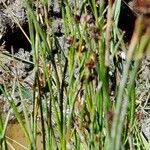
Juncus alpinoarticulatus
Alpine rush · Jointed Alpine Rush · Northern green sedge · Northern Rush · Richardson's rush
Description
Source: leafsnapJuncus alpinoarticulatus, called the northern green rush and the alpine rush, is a species of flowering plant in the genus Juncus, with a circumboreal distribution. It prefers wet sandy soils, peat bogs, acidic fens, and ditches.
Care Guide
💧 Water
Alpine rush thrives in moist alpine meadows, where it prefers consistent moisture. While it can tolerate some drought, regular weekly watering is essential for its optimal health. As an herbaceous plant, it requires adequate soil moisture to support its growth, particularly during its active growing season.
What should I do if I give too much or too little water to my Alpine rush plant?
Proper watering is crucial for the health and performance of this beautiful ornamental grass. In the ground, watering issues can be resolved, but in a container, it is important to avoid both overwatering and underwatering as they can be fatal for Alpine rush. Insufficient water may cause the grass to stop growing, while overwatering can result in yellow leaves with brown tips. Underwatering can lead to drooping leaves, weak seed head production, and browned leaves. If you suspect improper watering, first determine whether there is too much or too little water. If there is excessive watering, immediately stop watering and be patient as it can take weeks for the soil to dry out. Once new growth appears, test the soil for moisture and decide if it requires additional watering. On the other hand, if the grass is not receiving enough water, give it a deep drink to see if it recovers. In general, it is better to give the grass a long, deep watering rather than frequent shallow waterings. Deep watering encourages the growth of deep roots, making the grass more resistant to drought and less prone to watering-related issues.
How frequently should I water my Alpine rush plant?
The watering needs of Alpine rush vary depending on its planting location. Generally, it should be watered every week. In hot climates, watering once or twice a week in the summer may be necessary. In moderate climates, watering once every seven days or more may be sufficient. Grass in containers usually needs more frequent watering compared to grasses in the ground. However, the location also matters, as shaded grasses require less frequent watering than grasses in the ground. Alpine rush should only be watered when the soil is dry. There are a few signs to look for to determine when to water, such as checking if the soil is dry by pressing your finger into it or weighing the potted grass to see how light it is. When the roots lack sufficient water, the blades may appear folded and thinner than usual. Despite its drought tolerance, regular and deep waterings will result in a beautiful color. In the wild, Alpine rush grows in open scrubland and is subjected to extreme heat, bright sun, and intermittent rain. Although it is drought-resistant, consistent water is still beneficial. When first planted, Alpine rush requires more frequent watering until it develops deep roots. Alpine rush in pots may dry out quickly, especially if exposed to hot, direct sun. Test the soil every 3 to 4 days and water only when it feels dry. Alpine rush in the ground generally requires less watering, but this depends on the soil type. Heavy clay soil can hold moisture below the surface even if it feels dry, while sandy soils that drain quickly need more frequent watering.
What should I watch out for when I water my Alpine rush in different seasons, climates, or during different stages of growth?
To determine if you are watering enough, observe how fast your grass is growing. Alpine rush, for example, can double in size within a year during hot months. If your grass isn't growing vigorously in hot weather, you may need to adjust your watering schedule. In winter, you may only need to water once a month, but check the soil to ensure it's not too dry. The grass needs more water during the growth cycle in warm months, but its water requirements decrease significantly in winter and cooler months. Remember to let the soil dry out completely before watering the Alpine rush.
☀️ Light Full shade
Alpine rush does best in places that receive very little sunlight. Excessive light reduces its growth, reflecting its origin in cool, shaded environments. At every stage of development, lower amounts of sunlight are preferred. However, a lack of sufficient light limitation does not harm the plant.
What are the sunlight requirements for Alpine rush?
The Alpine rush requires less than 3 hours of sunlight, thriving best in full shade. It's important to monitor the movement of sunlight through your garden to identify areas that offer the ideal balance of light and shade. This plant originates from shadowy, cool habitats, necessitating minimal sunlight exposure at every growth stage. Too much light inhibits its growth, but it is not harmed by the absence of light limitation.
How does artificial lighting benefit indoor Alpine rush plants?
For indoor Alpine rush plants, artificial lighting is crucial when natural sunlight is insufficient, especially during winter or in less sunny spaces. It promotes faster, healthier growth. You should use LED lights as they can be customized for the specific wavelengths needed by the plant. The right amount of light varies by the type of plant: full sun plants require 30-50W/sq ft, partial sun plants need 20-30W/sq ft, and full shade plants need 10-20W/sq ft. Ensure the light source is placed 12-36 inches above the plant to mimic natural sunlight and keep the lights on for 8-12 hours per day depending on the species' need.
What are the symptoms of light deficiency in Alpine rush when grown indoors?
When Alpine rush is grown indoors under insufficient light, it may show several symptoms including smaller new leaves compared to older ones, leggy or sparse growth making the plant look thin and stretched, early leaf drop to conserve resources, absence or delay in new growth as the plant enters survival mode, lighter-colored or pale new leaves indicating a lack of essential nutrients, and chlorosis leading to the loss of green color in leaves. In cases of excessive sunlight, symptoms like sunscald, leaf curling, wilting, and leaf scorching can occur, demonstrating the balance required in light exposure.
What solutions can alleviate the symptoms of light deficiency in Alpine rush?
To address light deficiency in Alpine rush, ensure the plant receives ample filtered light, including brief periods of direct morning sunlight, ideally 1-2 meters away from a window. Use artificial lighting like a desk or ceiling lamp for at least 8 hours daily, or invest in professional plant grow lights, if the plant is large or not easily movable. For outdoor plants, gradually move them to sunnier spots each week to adapt without getting sunburned. Reducing obstructions such as pruning trees or transplanting smaller plants during their dormant period can also help increase sunlight exposure. Remember, parts of the plant affected by insufficient sunlight may not recover, but new growth should be healthy following these adjustments.
🌡️ Temperature 15–37.8°C
Alpine rush is native to temperate regions and tolerates temperatures from 59 to 100.4 °F (15 to 38 ℃). For best results, consider making appropriate adjustments, such as heating or cooling, during extreme seasonal changes.
What is the ideal temperature range for Alpine rush?
Alpine rush thrives in temperate environments, with an ideal temperature range of 59 to 100.4 °F (15 to 38 °C). To maintain these optimal conditions, adjustments such as heating or cooling may be necessary during the more extreme seasonal changes. Alpine rush does exhibit some degree of cold tolerance, not requiring additional measures if temperatures stay above -5°C. However, if temperatures are expected to fall below -5°C, temporary protective measures such as wrapping the plant with plastic, fabric, or other materials should be taken, and removed once temperatures rise again.
How does Alpine rush react to low temperatures?
Alpine rush has a moderate tolerance to low temperatures and prefers conditions above 15°C. It should be protected from temperatures going below -5°C during winter. If exposed to temperatures below -10°C, the plant's leaves may begin to droop; they can recover in mild cases, but in severe instances, the leaves will wilt and fall off. The recommended solution for frost damage includes trimming the frost-damaged parts of the plant. To protect against low temperatures, wrap the plant with non-woven fabric or cloth, and create a wind barrier to shield it from the cold.
What are the effects of high temperatures on Alpine rush and how can they be mitigated?
During the summer, it's important to keep Alpine rush below 38°C to prevent heat stress. Temperatures exceeding 43°C can cause the leaves to lighten in color, dry out at the tips, curl, and make the plant more prone to sunburn. To mitigate these effects, trim away sunburned and dried parts of the plant. Move the plant to a shaded location, especially during the midday and afternoon sun, or use a shade cloth. Ensuring the soil remains moist by watering in the morning and evening is also crucial for the plant's well-being.
💨 Humidity
🪴 Soil 5-7
🌱 Fertilizer
Alpine rush needs extra nutrients to encourage healthy new growth. In spring, putting compost around the base of the plant will effectively supply the nutrition it requires. Fertilizing helps support vigorous growth and assists the plant in resisting diseases and pests.
🪴 Pot & Repot
✂️ Pruning
The resilient perennial alpine rush flourishes in moist environments, characterized by its dense growth and slender stems. For best results, prune the plant in early spring to remove dead stems and encourage healthy growth. Regular pruning improves its shape, boosts air circulation, and reduces the risk of disease, thereby ensuring both optimal health and aesthetic appeal.
🌿 Propagating
🐛 Diseases & pets
☠️ Toxicity
Characteristics
- Plant Type
- Grass
- Life Cycle
- Perennial
- Genus
- Juncus
- Family
- Juncaceae
- Hardiness Zone
- 8-11
- Mature Height
- 15 cm to 52 cm
- Mature Spread
- 10 cm to 30 cm
- Leaf Color
- Dark Green
- Leaf Type
- Evergreen
- Flower Color
- Brown
- Flower Size
- 0.25 cm to 0.51 cm
- Bloom Time
- Summer
- Planting Time
- Spring, Summer, Autumn
- Harvest Time
- Late summer, Early fall, Mid fall