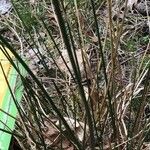
Juncus balticus
Baltic rush · Wire rush · Arctic rush · Wiregrass
Description
Source: leafsnapJuncus balticus is a species of rush known by the common name Baltic rush. It is a perennial flowering plant in the family Juncaceae. This plant can reach a height of about 75 cm.: 937 It is native to maritime areas of northern Britain, the Baltic and Scandinavia where it occurs in dune slacks. It is available from specialist nurseries for landscaping and soil stabilization purposes.
Care Guide
💧 Water
Baltic rush, native to wetlands, thrives in moist, high-humidity environments and is able to withstand periods of flooding while also being drought-tolerant. To keep it healthy, it should be watered weekly, particularly during the growing season, as it efficiently manages soil moisture levels.
What should I do if I give my Baltic rush plant too much or too little water?
Proper watering is essential for maintaining the health and performance of this beautiful ornamental grass. When planted in the ground, any watering issues can be resolved. However, in a container, excessive or inadequate water can quickly lead to the death of Baltic rush. Insufficient water can cause Baltic rush to cease growing, resulting in drooping leaves, weak seed head production, and browning. Conversely, overwatering can cause yellow leaves with brown tips to appear. If you suspect improper watering, the first step is to determine whether there is too much or too little water. If excessive water is the problem, immediately stop watering and allow time for the soil to dry out. Once new growth is observed, check the soil's moisture level to determine the need for further watering. In contrast, if the grass is not receiving enough water, a deep drink should help revive it. Remember that deep watering is preferable to frequent, shallow watering as it encourages the growth of deep roots, making the grass more resistant to drought and watering-related issues.
How frequently should I give water to my Baltic rush plant?
The watering requirements for Baltic rush are dependent on the location where it is planted. Generally, watering this grass once a week is sufficient. However, in hot climates, watering once or twice a week during the summer may be necessary. In moderate climates, watering once every seven days or even less may be enough. Grass in containers typically needs to be watered more frequently compared to grasses planted in the ground. Additionally, the location of the grass also plays a role in its watering needs. Grass that is in shaded areas requires less frequent watering compared to grasses planted in the ground. It is important to water Baltic rush only when the soil is dry. To determine if the soil is dry, you can press your finger a couple of inches into the soil or assess the weight of a potted grass. When the roots lack sufficient water, the blades may appear folded and thinner than usual. Despite its drought tolerance, regular and deep waterings will result in beautiful color. In its natural habitat, Baltic rush grows in open scrubland which experiences extreme heat, bright sun, and intermittent rain. Although this grass is drought resistant, it still requires care and attention. Therefore, consistent watering is beneficial for Baltic rush. When newly planted, Baltic rush needs more frequent watering until it establishes deep roots. In terms of potted Baltic rush, the soil tends to dry out quickly, especially if the pot is exposed to hot and direct sunlight. It is recommended to test the soil every 3 to 4 days and water only when it feels dry. However, when Baltic rush is planted in the ground, it generally requires less watering, but this is dependent on the type of soil it is grown in. Clay soil holds water for a longer period of time and may appear dry at the surface while still retaining moisture below ground. Sandy soils, on the other hand, drain quickly and will need to be watered more often.
What do I need to watch out for when I water my Baltic rush in different seasons, climates, or during different growing stages?
To determine if you are watering your grass enough, pay attention to how fast it is growing. Baltic rush is known to double in size within a year during the hottest months. So, if it is hot out and your grass is not growing well, you may need to adjust your watering frequency. In winter, you can likely water only once a month, but you should still check the soil for moisture. During the peak growth season, your grass will need more water, but during winter and cooler months, it will need much less. One important rule for Baltic rush is to always let the soil dry out completely before watering again.
☀️ Light Full sun
Baltic rush grows best in full sun and can tolerate somewhat reduced sunlight. Originating from areas with abundant sun, baltic rush may show signs of poor health with insufficient sun exposure, or develop leaf burn when exposed to excessive sunlight.
What kind of sunlight does Baltic rush need?
The Baltic rush plant requires full sun each day, with at least six hours of sunlight to maintain healthy leaves, roots, and blooms. While six hours of sunlight is generally needed for most perennials, certain plants like the Orange Daylily or Giant Coreopsis can survive on just three hours of sunlight each day. However, it's important to note that while these perennial flowering plants can survive with less sun, they won't thrive as they would in brighter conditions.
Can sunlight harm Baltic rush plants? How can we protect them from sun and heat damage?
In warm climates, some Perennial Flowering Plants may struggle with excessive heat and suffer from sun damage. They can wilt, dry out, or even experience growth problems if they are consistently exposed to the intense afternoon sun. However, not all plants require protection from the light afternoon sun. For those that are harmed by intense afternoon exposure, it is recommended to provide them with some shade in warmer climates. Gardeners can achieve this by planting these plants in areas that do not receive direct heat during the afternoon, such as under trees or behind bushes.
Should I keep the Baltic rush away from the sun to protect it?
Certain perennial plants require ample sunlight to reach their maximum bloom. However, in warmer climates, some of these plants actually benefit from less sun. For instance, individuals residing in hotter regions might find it beneficial to shade their flowering perennials during the intense afternoon sun, especially during summer months. Although many perennial flowering plants prefer partial shade in the hottest climates, there are exceptions. Take the Giant Coreopsis, for example, as it is not bothered by excessive sun exposure. These plants can flourish even when placed in the full sun during scorching weather.
What will happen if Baltic rush doesn't get enough sunlight?
If your Baltic rush plants aren't getting enough sunlight, they'll show signs of not having enough of what they need. Normally, plants would produce more blooms if they had full sun exposure. Some plants may develop dry spots on their leaves, but most will still bloom even in inadequate sun. However, the flowers they produce will be smaller and less full.
Does Baltic rush need special attention to sunlight at different stages of growth?
Baltic rush is a type of flower that is ideal for gardens because it thrives when it receives at least six hours of sunlight each day. However, to help the flowers stay fresh for longer periods, it is beneficial to provide them with partial shade during the hottest parts of the day. For young Baltic rush plants, it is important to ensure they receive enough sunlight without being exposed to intense afternoon heat. On the other hand, mature Baltic rush plants should be given plenty of direct sunlight to support their growth.
🌡️ Temperature 15–37.8°C
Baltic rush originates from temperate climates and thrives in temperatures between 59 and 100 °F (15 to 38 ℃). In colder seasons the plant may need to be housed indoors or provided with additional heat from a greenhouse or a similar source.
What temperature is best for Baltic rush?
Plants can be affected by colder temperatures because they adjust to the temperature of the air surrounding them. When they are in direct sunlight, they can warm up, but this is not the case in winter. The Baltic rush, for example, thrives in temperatures between 70~85℉ (21~30℃). While it can tolerate temperatures as low as 20~30℉ (-6~0℃), or even 15℉ (-10℃), it is not suitable for prolonged periods as it may lead to frost damage. To properly care for the Baltic rush, ensure that the temperature does not exceed 70~85℉ (21~30℃). It is also helpful to spray them with water occasionally and provide shade to prevent wilting.
Do I need to change the temperature for Baltic rush at different growth stages?
To successfully grow Baltic rush, it is important to research and ensure the appropriate temperature conditions. Some growers may choose to lower the plants' thermostats during the growing season to save on HVAC costs. However, it is crucial to understand that the temperature can have a significant impact on flowering, pest management, and plant quality. During the winter, Baltic rush may stop growing and enter a dormant state, as there is a specific temperature threshold for growth. As the seasons change and the base temperature increases, Baltic rush can grow more rapidly. Species naturally found in warmer habitats typically have higher optimum temperatures compared to those that thrive in cooler climates. Exposing Baltic rush seeds to cool temperatures can result in reduced uniformity and delays in growth. It may be necessary to lower the temperature specifically during the flowering phase, rather than other stages. Additionally, cooler nighttime temperatures will require less water, so irrigation should be adjusted accordingly.
How can I keep Baltic rush warm when it's cold outside?
To prepare the plant for colder temperatures, stop fertilizing to prevent new growth and encourage the old ones to become more resilient. To protect them from the cold, consider building structures like cages or trellises around the Baltic rush. Alternatively, you can use heat mats to gently warm the soil, as they can consistently maintain the ideal temperature range for the Baltic rush.
How do I keep Baltic rush safe from getting damaged by the temperature?
In winter, you can shield the Baltic rush from frost by using various covers like cloths, tarps, burlaps, sheets, or plastic buckets. It's important to securely fasten them down, so they stay in place and provide insulation without being blown away by the wind. Just be careful that the plastic or burlap covers don't touch any part of the fruit or foliage, as this could transfer the cold temperatures and potentially cause burns. Once daytime temperatures start to climb, remember to remove the covers.
Should I change the temperature during different seasons for Baltic rush?
In spring, if you're growing Baltic rush, it's important to consider increasing humidity because the air tends to be cooler. Dry temperatures can be stressful for different species, so increasing humidity can be beneficial. When summer arrives, the greenhouse provides a large cover and warmer temperatures, resulting in higher humidity levels. Keep an eye out for condensation on the greenhouse walls, as this can lead to problems with pollination and infections if the water falls on the leaves. Adjustments should be made based on temperature, and spraying should be done on hotter days.
💨 Humidity
🪴 Soil
🌱 Fertilizer
To best support its growth, fertilize Baltic rush each spring by using mulch or compost to mimic its natural habitat. Be careful not to over-fertilize, as this can cause the leaves to turn yellow. Adjust the amount of fertilizer based on the size of the plant, and make sure to apply it evenly away from the base. This helps with nutrient absorption and prevents rot.
🪴 Pot & Repot
✂️ Pruning
Baltic rush has cylindrical stems and benefits from early spring pruning to remove dead stems, which encourages healthy growth. Minimal maintenance is recommended to promote new shoots and vitality. Pruning each season helps the plant develop as the weather warms, keeping it looking tidy and preventing overcrowding.
🌿 Propagating
🐛 Diseases & pets
☠️ Toxicity
Characteristics
- Plant Type
- Grass
- Life Cycle
- Perennial
- Genus
- Juncus
- Family
- Juncaceae
- Hardiness Zone
- 8-11
- Mature Height
- 76 cm
- Mature Spread
- 30 cm to 61 cm
- Leaf Color
- Dark Green
- Leaf Type
- Semi-evergreen
- Flower Color
- White, Yellow, Red, Brown
- Flower Size
- 0.25 cm to 0.51 cm
- Bloom Time
- Early summer, Mid summer
- Planting Time
- Spring, Autumn
- Harvest Time
- Late summer, Early fall