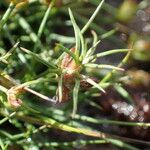
Juncus bulbosus
Bulbous rush · Spreading rush
Description
Source: leafsnapJuncus bulbosus, the bulbous rush, is a species of flowering plant in the genus Juncus, native to Iceland, the Faroes, Europe, Macaronesia, and northwest Africa. It has been introduced to Australia, New Zealand, and some locations in northern North America. It is capable of nuisance growth in lakes and streams.
Care Guide
💧 Water
Bulbous rush thrives in moist, humid environments near water and can withstand flooding. For optimal health, it needs weekly watering. If you are growing it outdoors, take local rainfall patterns into account to create an effective watering schedule.
What should I do if I give my Bulbous rush plant too much or too little water?
If you don't water this beautiful ornamental grass properly, it won't perform well. When it's planted in the ground, you can fix watering issues. However, if it's in a container, too much or too little water will quickly kill the Bulbous rush. If it doesn't get the right amount of water, it may stop growing. Overwatering will cause yellow leaves with brown tips, while underwatering can lead to drooping leaves, weak seed head production, and browned leaves. If you suspect your Bulbous rush has watering problems, first determine if it's getting too much or too little water. If it's getting too much, stop watering immediately. It may take weeks for heavy soils to dry out, so be patient. Once you see new growth, check the soil moisture and determine if it needs more water. If it's getting too little water, simply give it a deep drink and see if it improves. Keep in mind that a long, deep watering is better than frequent shallow waterings. Deep watering promotes deep root growth and makes the grass more resistant to drought and watering issues.
How often do I need to water my Bulbous rush plant?
The watering needs of Bulbous rush depend on its planting location. In general, it should be watered once a week. In hot climates, watering once or twice a week during summertime may be necessary. In moderate climates, watering once every seven days or more may be sufficient. Grass in containers usually requires more frequent watering than grass in the ground. However, the location of the grass also matters, as shaded grasses need less water than those in the ground. Bulbous rush should only be watered when the soil is dry. To determine if the soil is dry, you can press your finger a couple of inches into the soil or weigh the grass in a pot using a portable scale. The blades of the grass may appear folded and thinner than usual if the roots lack water. Despite its drought tolerance, regular, deep waterings will result in a beautiful color. Although Bulbous rush can withstand extreme heat and intermittent rain in its natural environment of open scrubland, it still requires care and attention. Consistent watering is recommended by gardeners to help it thrive. When first planted, Bulbous rush needs more frequent watering to establish deep roots. In pots, the soil tends to dry out quickly, especially if exposed to hot, direct sun. Testing the soil every 3 to 4 days and watering when it feels dry is advisable. Bulbous rush in the ground generally requires less watering, but this depends on the soil type. Heavy clay soil may feel dry at the surface while retaining moisture below ground, while sandy soils that drain quickly will need more frequent watering.
What do I need to watch out for when watering my Bulbous rush in different seasons, climates, or during different stages of growth?
To determine if you are watering enough, you can observe the rate of growth of your grass. Bulbous rush, for instance, tends to double in size within a year during the hottest months. So, if the weather is hot and the grass is not growing vigorously, you may need to adjust your watering schedule. In winter, you might be able to get away with watering only once a month, but it's still important to touch the soil to check for moisture. During the warmest months, when the grass is going through a growth cycle, it will require more water than usual. However, during winter and cooler months, the water requirement will greatly decrease. The key thing to remember with Bulbous rush is that the soil should always be allowed to completely dry out before adding water.
☀️ Light Full sun
Bulbous rush occurs in habitats that receive ample sunlight, such as the shallow margins of ponds and lakes. It favors full sun but can also tolerate partial sun.
What are the sun requirements for Bulbous rush?
Bulbous rush thrives in full sun, requiring more than 6 hours of sunlight daily, but it can also tolerate partial sun conditions, which consist of about 3-6 hours of sunlight. It's important to observe how sunlight moves through your garden to ensure your plants receive the right balance of light and shade, which is crucial for their growth and health.
How can artificial lighting benefit indoor Bulbous rush plants?
Indoor Bulbous rush plants require adequate lighting for optimal growth, especially when natural sunlight is insufficient. Artificial lights, particularly LED lights, can be customized to provide the specific wavelengths needed by plants. Full sun plants need 30-50W/sq ft of artificial light, partial sun plants require 20-30W/sq ft, and plants that thrive in full shade need 10-20W/sq ft. It's also crucial to place the light source 12-36 inches above the plant and ensure it receives 8-12 hours of light per day to mimic natural sunlight conditions.
What are the common symptoms of inadequate lighting in Bulbous rush?
Symptoms of inadequate lighting in Bulbous rush include small and lighter-colored new leaves, leggy or sparse growth, faster leaf drop, and slower or no new growth. These symptoms indicate the plant is not receiving enough sunlight. Additionally, overexposure to sunlight can cause symptoms like chlorosis, sunscald, leaf curling, wilting, and leaf scorching, which negatively affect the plant's health and ability to photosynthesize.
What solutions are available for Bulbous rush plants suffering from inadequate sunlight?
To address inadequate sunlight for Bulbous rush, gradually move indoor plants to sunnier locations to receive at least 6 hours of direct sunlight daily, using a south-facing window and keeping curtains open. Artificial lights can also supplement light for large or non-movable plants. For outdoor plants, adjust their location gradually to prevent sunburn. Minimizing obstructions, such as pruning trees blocking sunlight or transplanting smaller plants during their dormant period to sunnier spots, can greatly enhance sunlight exposure. However, it's important to note that parts of the plant affected by insufficient sunlight might not recover, but new growth will be healthy with improved light conditions.
🌡️ Temperature 5–35°C
Bulbous rush can tolerate a wide range of temperatures, but its distribution may still be constrained by different combinations of moisture and heat. It does best in warm summer conditions with sufficient rainfall or watering. Extended periods of cloudy, rainy weather or prolonged high temperatures can raise the likelihood that Bulbous rush will die. In winter, suitable protection from the cold can increase the plant's chances of survival.
What is Bulbous rush?
Bulbous rush, scientifically known as Juncus bulbosus, is a plant species with specific characteristics and attributes. Unfortunately, there is no additional detailed information provided regarding its essentials, symptoms, or any related content in the current data.
💨 Humidity
🪴 Soil
🌱 Fertilizer
🪴 Pot & Repot
✂️ Pruning
Bulbous rush is a perennial herbaceous plant that grows in dense clumps. To encourage growth, prune it in early spring by removing dead stems. Regular trimming is beneficial as it helps maintain the plant's shape, prevents overcrowding, and improves air circulation. These practices contribute to healthier and more visually appealing plants.
🌿 Propagating
🐛 Diseases & pets
☠️ Toxicity
Characteristics
- Plant Type
- Grass
- Life Cycle
- Perennial
- Genus
- Juncus
- Family
- Juncaceae
- Hardiness Zone
- 5-9
- Mature Height
- 10 cm to 30 cm
- Mature Spread
- 5 cm to 15 cm
- Leaf Color
- Green, Dark Green
- Leaf Type
- Semi-evergreen
- Flower Color
- Brown
- Flower Size
- 0.25 cm to 0.51 cm
- Bloom Time
- Summer
- Planting Time
- Spring, Summer
- Harvest Time
- Late summer, Early fall, Mid fall