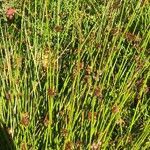
Juncus conglomeratus
Compact rush · Common rush · Conglomerate rush
Description
Source: leafsnapJuncus conglomeratus, known commonly as compact rush, is a perennial, herbaceous flowering plant species in the rush family Juncaceae.In the British Isles it is one of six rush species that can dominate lowland damp grasslands.
Care Guide
💧 Water
Compact rush thrives in wetland-like environments where there is consistent moisture and high humidity. While it has moderate drought tolerance, watering it once a week will ensure optimal growth. Typically grown outdoors, compact rush is ideal for rain gardens or regions that receive regular rainfall.
What do I do if I give my Compact rush plant too much or too little water?
Proper watering is essential for the growth of this beautiful ornamental grass. When planted in the ground, watering issues can be resolved easily. However, in a container, excessive or insufficient watering can quickly kill Compact rush. Insufficient water may cause it to cease growing, while overwatering can lead to yellow leaves with brown tips, drooping leaves, weak seed head production, and browned leaves. If you suspect improper watering, first determine if it is too much or too little. If it's excessive, stop watering immediately and allow the soil to dry out, which may take weeks. Once new growth appears, test the soil for moisture and decide if additional watering is needed. Conversely, if the grass is not receiving enough water, simply provide it with a deep drink and observe if it revives. Remember that a long, deep watering is better than frequent shallow waterings, as it encourages the growth of deep roots, making the grass more resistant to drought and watering issues.
How frequently should I water my Compact rush plant?
The watering needs of Compact rush depend on where it is planted. In general, watering every week is recommended. However, in hot climates, watering once or twice a week during the summer may be necessary. In moderate climates, watering every seven days or even less may be sufficient. Grass in containers usually requires more frequent watering compared to grass planted in the ground. Additionally, the amount of shade the grass receives affects its watering needs. Shaded grasses require less frequent watering than those planted in the ground. Only water Compact rush when the soil is dry. To determine if the soil is dry, you can press your finger a couple of inches into the soil or check the weight of a potted grass. Lack of sufficient water may cause the blades to appear folded and thinner than usual. Although Compact rush is drought-tolerant, regular and deep watering will ensure beautiful color. Despite its hardiness, this grass still needs care and attention. When initially planted, Compact rush needs more frequent watering until it develops deep roots. For potted Compact rush, the soil may dry out quickly, so it is important to test the soil every 3 to 4 days and water only when it feels dry. The amount of watering required for Compact rush planted in the ground depends on the soil type. Heavy clay soil retains moisture below the surface, so it may feel dry on the surface while still containing sufficient moisture. Sandy soils that drain quickly will need more frequent watering.
What do I need to consider when watering my Compact rush in different seasons, climates, or during different stages of growth?
To determine if you are watering enough, observe the rate of growth of your grasses. Compact rush, for instance, can double in size in a year's time during the hottest months. If the weather is hot and the grass is not growing vigorously, it may be necessary to adjust your watering schedule. In winter, watering once a month might be sufficient, but it is still important to check the soil for moisture. The grass will require more water during a growth cycle in the warmest months, but water needs will be greatly reduced during winter and cooler months. It is crucial to remember that the soil for Compact rush should always be allowed to completely dry out before watering.
☀️ Light Full sun
Compact rush grows best when exposed to sunlight continuously throughout the day, though it can also do well with a moderate amount of sun. Its native habitat provides plentiful sunshine. However, too much or too little sun can impede its growth and overall health.
What are the sunlight requirements for Compact Rush (Juncus conglomeratus)?
Compact Rush thrives well under continuous exposure to the sun throughout the day, capable of enduring full sun conditions, which consist of more than 6 hours of sunlight. It can also prosper in partial sun, with about 3-6 hours of sunlight. It's important to observe your garden to identify spots providing the right balance of light and shade, ensuring the plant's happiness and health. However, both overexposure and insufficient sunlight can negatively impact its growth and wellness.
How should I supplement natural sunlight for indoor Compact Rush plants?
For indoor Compact Rush plants where natural sunlight is insufficient, especially during winter or in less sunny spaces, artificial lighting serves as an essential solution. LED lights are popular for indoor plant lighting as they can be adjusted to provide specific wavelengths necessary for plant growth. Full sun plants require 30-50W/sq ft of light, partial sun plants need 20-30W/sq ft, and full shade plants should get 10-20W/sq ft. The light source should be positioned 12-36 inches above the plant, mimicking natural sunlight for 8-12 hours per day to ensure optimal growth.
What are the symptoms of inadequate lighting in Compact Rush?
Inadequate lighting can lead to several issues in Compact Rush, including the growth of smaller new leaves, leggy or sparse growth due to elongated spaces between leaves or stems, faster leaf drop as older leaves are shed early to conserve resources, slower or halted new growth, paler new leaves indicating insufficient chlorophyll, chlorosis or the yellowing of leaves, sunscald manifested by pale or necrotic areas on plant tissue, leaf curling as a defense against excessive sunlight, wilting due to increased water loss, and leaf scorching appearing as brown, dry edges on leaves.
How can I treat Compact Rush plants affected by inadequate sunlight?
To address inadequate sunlight for Compact Rush, gradually transition plants to sunnier spots, ensuring at least 6 hours of direct sunlight daily. Use a south-facing window for indoor plants, keeping curtains open during the day, or employ artificial light sources for at least 8 hours daily. For outdoor plants, avoid sudden light intensity changes to prevent sunburn. Note that parts of the plant already affected may not recover, but new growth should be healthy once light exposure is increased. Additionally, reducing obstructions such as pruning trees or transplanting to sunnier locations can improve sunlight access.
🌡️ Temperature 15–37.8°C
Compact rush is native to temperate environments and prefers temperatures of 59 to 100.4 °F (15 to 38 ℃). Seasonal adjustments may be necessary; cooler conditions in winter might be required. Care should be taken to limit exposure to harsh chilly conditions.
What is the ideal temperature range for Compact rush?
Compact rush, scientifically known as Juncus conglomeratus, thrives in temperate environments, with an ideal temperature range between 59 to 100.4 °F (15 to 38 °C). It's indigenous to regions where it can adjust to seasonal variations, requiring cooler temperatures during winter while still maintaining some level of cold tolerance. When temperatures are above -5°C, Compact rush generally does not require any special cold protection. However, special attention should be given during harsh, chilly conditions to prevent exposure to temperatures dropping below -5°C, using temporary protective measures such as wrapping the plant with plastic film, fabric, or other materials, which should be removed once the temperature rises.
How does Compact rush react to low temperatures?
Compact rush possesses a moderate tolerance to low temperatures, flourishing best when the mercury stays above 15°C. During winter, efforts should be made to keep it above -5°C. Exposure to temperatures below -10°C may cause the leaves to droop; while in mild instances, they might recover, severe cases lead to leaves wilting and eventually falling off. To mitigate frost damage, it's advisable to trim off any frost-damaged parts of the plant. As a precaution against future cold spells, wrapping the plant with non-woven fabric or cloth and erecting a wind barrier can offer additional protection from the cold winds.
How does Compact rush handle high temperatures?
During the summer, it is crucial to ensure that Compact rush is maintained below 38°C to prevent heat stress. High temperatures exceeding 43°C can cause the leaves to lighten in color, with the tips turning dry and withered, leaves curling, and increasing susceptibility to sunburn. To remedy this, trim away any sunburned and dried parts of the plant. Relocating the plant to a shaded area or employing a shade cloth can protect it from the intense midday and afternoon sun. Additionally, watering the plant during the cooler parts of the day, such as morning and evening, helps keep the soil properly moist and supports overall plant health.
💨 Humidity
🪴 Soil 5-7
🌱 Fertilizer
Compact rush needs extra nutrients to encourage healthy new growth. In spring, spreading compost around the base of the plant will supply the nutrition it requires. Fertilizing supports robust growth and helps the plant fend off diseases and pests.
🪴 Pot & Repot
✂️ Pruning
Compact rush is a hardy perennial that flourishes in wet environments. To promote new growth and improve its appearance, prune the plant in early spring. Regular thinning helps enhance air circulation and lowers the risk of disease. Be sure to use clean, sharp tools to minimize stress on the plant and prevent infections.
🌿 Propagating
🐛 Diseases & pets
☠️ Toxicity
Characteristics
- Plant Type
- Grass
- Life Cycle
- Perennial
- Genus
- Juncus
- Family
- Juncaceae
- Hardiness Zone
- 8-11
- Mature Height
- 1.52 m
- Mature Spread
- 30 cm to 61 cm
- Leaf Color
- Dark Green
- Leaf Type
- Semi-evergreen
- Flower Color
- Brown
- Flower Size
- 0.25 cm to 0.51 cm
- Bloom Time
- Late spring, Early summer
- Planting Time
- Spring, Summer, Autumn
- Harvest Time
- Mid summer, Late summer
- Native Area
- Turkey, Austria, Sweden, Slovakia, Montenegro, Croatia, Slovenia, Morocco, Belarus, Russia, Iraq, Germany, Estonia, Romania, Latvia, Belgium, Netherlands, France, Portugal, Tunisia, Czech Republic, Bulgaria, Poland, Greece, Ukraine, Serbia, Lithuania, Norway, Italy, Spain, Switzerland, Denmark, Finland, Ireland, United Kingdom, Hungary, Algeria