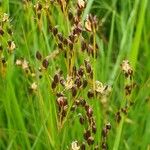
Juncus gerardii
Black needle rush · Blackgrass · Saltmarsh Rush · Saltmeadow rush · Black-grass
Description
Source: leafsnapJuncus gerardii, commonly known as blackgrass, black needle rush or saltmarsh rush, is a flowering plant in the rush family Juncaceae.
Care Guide
💧 Water
Saltmeadow rush thrives in moist environments and needs regular hydration to flourish. This plant prefers wet soil, making it perfect for rain gardens or areas with frequent runoff. Its adaptation to high humidity and occasional flooding allows it to thrive in such conditions.
What should I do if I give my Saltmeadow rush plant too much or too little water?
Proper watering is crucial for the healthy growth of this beautiful ornamental grass. When planted in the ground, watering issues can be resolved, however, in a container, both overwatering and underwatering can quickly kill the Saltmeadow rush. Insufficient water can cause the grass to stop growing, resulting in drooping leaves, weak seed head production, and browned leaves. On the other hand, overwatering can lead to yellow leaves with brown tips. If you suspect improper watering, determine whether it's due to too much or too little water. Immediately stop watering if it's excessive, as heavy soils may take weeks to dry out. Test the soil for moisture once signs of new growth appear and decide accordingly. If the grass is not receiving enough water, simply give it a deep drink and observe if it perks up. Ultimately, remember that deep watering is better than frequent but shallow waterings. This encourages the growth of deep roots, making the grass more resistant to drought and less vulnerable to watering-related problems.
How frequently do I need to water my Saltmeadow rush?
The watering needs of Saltmeadow rush will vary depending on where it is planted. Generally, watering this grass once a week is recommended. However, in hot climates or during the summer, it may need to be watered once or twice a week. In moderate climates, watering once every seven days or even less may be sufficient. Container-grown grass typically requires more frequent watering than grass planted in the ground. Additionally, the location of the grass, whether it is in full sun or part shade, impacts its watering requirements. Shaded grasses need to be watered less often than grasses planted directly in the ground. It is important to only water Saltmeadow rush when the soil is dry. To determine if the soil is dry, you can press your finger a couple of inches into the soil or check the weight of the pot if it is in a container. The blades of the grass may appear folded and thinner than usual if the roots lack sufficient water. Despite being drought-tolerant, regular deep waterings will result in vibrant color. In its natural habitat, Saltmeadow rush grows in open scrubland, exposed to extreme heat, intense sunlight, and sporadic rain. While this grass is drought-resistant, it still requires care and attention. Even though it can withstand harsh and dry conditions, it thrives best with consistent watering. When first planted, Saltmeadow rush needs more frequent watering until it establishes deep roots. Potted Saltmeadow rush will dry out quickly, especially if exposed to hot, direct sun. Test the soil every 3 to 4 days and water only when it feels dry. Saltmeadow rush planted in the ground generally requires less watering, but this can vary based on the type of soil. Clay soil holds moisture longer, so it may feel dry at the surface while still having enough moisture below. On the other hand, sandy soils drain quickly and will need to be watered more frequently.
What things do I need to be cautious about when watering my Saltmeadow rush in various seasons, climates, or during different stages of growth?
Monitoring the rate of growth of your grasses can help determine if you are watering enough. For example, Saltmeadow rush tends to double in size during the hottest months of the year. So, if the weather is hot but the grass is not growing vigorously, you may need to adjust your watering schedule. In winter, you might be able to water once a month, but it's still essential to check the soil for moisture. During the grass's growth cycle (warmest months), it will require more water. However, in winter and cooler months, its water needs will significantly decrease. Remember, it is crucial to let the soil dry out completely before adding water to the Saltmeadow rush.
☀️ Light Full sun
Saltmeadow rush flourishes under moderate sunlight conditions. Insufficient light might result in inadequate growth and reduced vitality, while excessive sunlight can burn and injure the plant. The diverse light conditions in its native habitat highlight its ability to adapt to a variety of lighting conditions.
How much sunlight does Saltmeadow rush need to grow?
Saltmeadow rush thrives with 3-6 hours of direct sunlight daily. It needs some shade during the hottest parts of the day to avoid sun damage. Morning sunlight is preferred, but it can handle some afternoon sun if it's not too hot. To achieve the right balance, plant Saltmeadow rush in a partially sunny spot like under a tree or on the east side of a building.
What happens if Saltmeadow rush doesn't get enough sunlight?
Saltmeadow rush can be adversely affected by excessive direct sunlight, causing its leaves to yellow, dry out, or possibly burn. Additionally, the plant may exhibit wilting or stunted growth. To avert sun damage, it is essential to provide some shade to Saltmeadow rush during the hottest periods of the day. This can be achieved by using a shade cloth or by situating the plant near taller plants that can naturally offer some shade.
What happens if Saltmeadow rush gets too much sunlight?
When Saltmeadow rush doesn't receive sufficient sunlight, it may become tall and skinny, with not enough leaves. The leaves may also turn yellow or pale green because the plant lacks enough sunlight to produce chlorophyll. To fix this issue, you can either move Saltmeadow rush to a sunnier location or trim nearby foliage to increase the amount of light reaching the plant.
🌡️ Temperature 0–32.2°C
Saltmeadow rush is indigenous to regions with temperatures varying from 32 to 90 °F (0 to 32 ℃). It is in these conditions that it flourishes most. Because it can bear such a wide scope of temperatures, seasonal temperature modifications are generally not required.
What temperature is best for Saltmeadow rush?
The Saltmeadow rush plant thrives in cooler weather, requiring a specific temperature range for optimal growth. Ideally, you should aim to keep the temperature between 65 to 75℉ (18 to 25℃) to ensure the healthiest growth possible. While the Saltmeadow rush can tolerate both higher and lower temperatures, it is advisable to maintain a temperature within a few degrees of 65 to 75℉ (18 to 25℃). If it is not possible to maintain this precise range, do not worry, as the plant will still continue to grow. However, be aware that there are temperature limits beyond which the plant may suffer damage or experience reduced growth. The upper limit falls between 75 to 85℉ (25 to 30℃), while the lower limit is as low as 5℉ (-15℃). It is especially crucial to manage temperature on the higher end, as the Saltmeadow rush prefers cooler environments. Allowing temperatures to exceed the upper range can cause growth to slow, and having the Saltmeadow rush exposed to temperatures above 85℉ (30℃) may result in the plant's demise.
Does Saltmeadow rush need different temperatures at different stages of growth?
To ensure healthy growth of Saltmeadow rush, it is important to maintain a moderate temperature range of 65~75℉(18~25℃) in the growing space. It is best to stay towards the colder end of this range but avoid going below -5℉(-20℃). While extremely cold temperatures can hinder growth, they are not as damaging as extremely hot temperatures. If the temperatures are too high during the budding stage, Saltmeadow rush may fail to flower.
Three things to help control the temperature of Saltmeadow rush.
Here are some tips for growing Saltmeadow rush indoors: Tip #1: Choose the coldest room with sunlight: When growing Saltmeadow rush indoors, select the coldest room in your house. This room should have less intense heat from the sun in the middle of the day. However, it is still important for the room to receive a good amount of sunlight. Saltmeadow rush needs some sunlight to grow, but it should be shielded from the brightest and hottest part of the day. Lack of sunlight can hinder its growth. Tip #2: Watch out for high temperatures: Saltmeadow rush grows during spring and early summer. However, higher temperatures during this period can disrupt its growth, causing the flowering buds to become non-flowering buds. This may result in partial or no blooming, leading to a loss in aesthetic appeal. To avoid this, it is crucial to maintain a temperature range of 65-75℉ (18-25℃) to ensure proper flowering. Tip #3: Protect from frost: While Saltmeadow rush can tolerate low temperatures, it cannot withstand significant frost. Exposure to freezing temperatures in late fall or winter can cause frost damage. To identify frost damage, look for wilting and discoloration in the plant, which eventually turns brown or black as it dies. Any affected parts with these colors cannot be saved and should be pruned if you want to keep the plant alive.
Does Saltmeadow rush require different temperatures during different seasons?
Maintaining a stable temperature in your growing area is crucial, regardless of the season. If you live in an area with extreme winters or scorching summers, it might be best to keep your plants indoors. This way, you can ensure they are in an optimal cool room environment for Saltmeadow rush to thrive. However, if you choose to keep them outside, it is important to closely monitor the temperature. In particularly hot summers, make sure your plants are not exposed to temperatures above 85℉ (30℃). High temperatures can rapidly dehydrate and harm Saltmeadow rush, eventually leading to their demise.
How do I keep Saltmeadow rush at the right temperature?
If you plan on keeping Saltmeadow rush outdoors, it needs shade to protect it from the intense midday sun. While it does require ample sunlight to thrive, direct sunlight can actually harm the plant by overheating it. Look for a spot with shade structures or tall trees that can shield the plant from the hottest parts of the day. If your climate isn't suitable for Saltmeadow rush or you lack sufficient garden space, you can also grow it indoors. It's easier to control the temperature indoors, and having fans, ventilation, or an A/C unit will help maintain the ideal temperature range of 65-75℉(18-25℃).
💨 Humidity
🪴 Soil 6-7
🌱 Fertilizer
The growth of Saltmeadow rush can be healthily promoted through extra nutrients. Applying compost around the plant's base during spring can efficiently supply the needed nutrition. Fertilizing bolsters robust growth and assists the plant in warding off diseases and pests.
🪴 Pot & Repot
✂️ Pruning
Saltmeadow rush is a hardy, tufted perennial plant that thrives in salty environments. For optimal growth and appearance, prune it in early spring by trimming away dead foliage and removing old flower stalks. Regular maintenance helps keep saltmeadow rush dense and attractive throughout the growing season.
🌿 Propagating
🐛 Diseases & pets
☠️ Toxicity
Characteristics
- Plant Type
- Grass
- Life Cycle
- Perennial
- Genus
- Juncus
- Family
- Juncaceae
- Hardiness Zone
- 3-7
- Mature Height
- 30 cm to 61 cm
- Mature Spread
- 10 cm to 30 cm
- Leaf Color
- Dark Green
- Leaf Type
- Deciduous
- Flower Color
- Tan
- Flower Size
- 0.20 cm to 0.51 cm
- Bloom Time
- Early summer, Mid summer
- Planting Time
- Autumn
- Harvest Time
- Late summer, Early fall