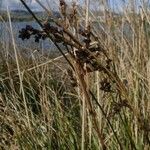
Juncus kraussii
Dune slack rush · Jointed rush · Matting rush · Salt marsh rush · Sea rush
Description
Source: leafsnapJuncus kraussii commonly known as salt marsh rush, sea rush, jointed rush, matting rush or dune slack rush, is of the monocot family Juncaceae and genus Juncus. It grows in salt marshes, estuarine and coastal areas.This species is ideal as a stabiliser in estuary banks and riparian zones that adjoin developed areas; it prevents erosion and also provides an excellent fibre for weaving.The plant is named after a German naturalist and museum curator, Christian Krauss, who travelled to South Africa.
Care Guide
💧 Water
☀️ Light Full sun
Sea rush occurs in habitats with abundant sunlight, such as the shallow margins of ponds and lakes. It prefers full sun, though it can also tolerate partial sun.
What are the sunlight requirements for Sea rush (Juncus kraussii)?
Sea rush (Juncus kraussii) requires full shade, meaning it should receive less than 3 hours of sunlight daily. When planning where to plant Sea rush in your garden, it's important to observe the movement of sunlight throughout the day. Choosing locations that provide a balance of light and shade will ensure the plants thrive. Remember, the goal is to mimic the plant's natural habitat to keep it healthy and happy.
🌡️ Temperature 15–37.8°C
Sea rush adapts well to temperature, tolerating higher heat and broader temperature fluctuations. In hot weather, care should be taken with watering and providing some shade to prevent sunburn. However, Sea rush is fairly intolerant of low temperatures; while it can survive a certain amount of cold, very cold conditions can cause frost damage.
💨 Humidity
🪴 Soil
🌱 Fertilizer
🪴 Pot & Repot
✂️ Pruning
Sea rush is a resilient coastal plant that benefits from early spring pruning. Cutting back dead leaves and overgrown clumps improves airflow and reduces the risk of disease. This regular maintenance encourages new growth, keeping the plant attractive and manageable in landscapes.
🌿 Propagating
🐛 Diseases & pets
☠️ Toxicity
Characteristics
- Plant Type
- Grass
- Life Cycle
- Perennial
- Genus
- Juncus
- Family
- Juncaceae
- Hardiness Zone
- 8-11
- Mature Height
- 0.49 m to 1.52 m
- Mature Spread
- 30 cm to 61 cm
- Leaf Color
- Dark Green
- Leaf Type
- Evergreen
- Flower Size
- 0.25 cm to 0.51 cm
- Bloom Time
- Early summer, Mid summer
- Planting Time
- Summer
- Harvest Time
- Late summer, Early fall